
- Physical Examination
- Surgical Examination
- Ophthalmology
- Clinical Skills
- Orthopedics
- Surgery Videos
- Laparoscopy
- Pediatrics
- Funny Videos
- Cardiothoracic Surgery
- Nursing Videos
- Plastic Surgery
- Otorhinolaryngology
- Histology and Histopathology
- Neurosurgery
- Dermatology
- Pediatric Surgery
- Urology
- Dentistry
- Oncology and Cancers
- Anatomy Videos
- Health and Fitness
- Radiology
- Anaesthesia
- Physical Therapy
- Pharmacology
- Interventional Radiology
- Cardiology
- Endocrinology
- Gynecology
- Emergency Medicine
- Psychiatry and Psychology
- Childbirth Videos
- General Medical Videos
- Nephrology
- Physiology
- Diet and Food Health
- Diabetes Mellitus
- Neurology
- Women Health
- Osteoporosis
- Gastroenterology
- Pulmonology
- Hematology
- Rheumatology
- Toxicology
- Nuclear Medicine
- Infectious Diseases
- Vascular Disease
- Reproductive Health
- Burns and Wound Healing
- Other
Top videos


Best facial cosmetic surgeons Best facial plastic surgeon
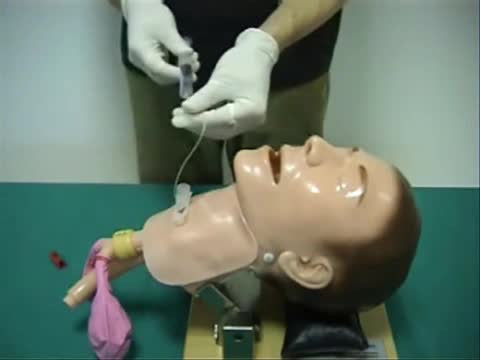
A video demonstrating the proper insertion of the Quicktrach emergency cricothyrotomy device.
Our Pain Center is the nation & leading Pain Center featuring award winning Pain Specialists. Our Pain Doctors are Harvard Trained and are experts in Facet Injections, Epidural, Knee Injection, Back Surgery, Knee Surgery, and Orthopedic Surgery.
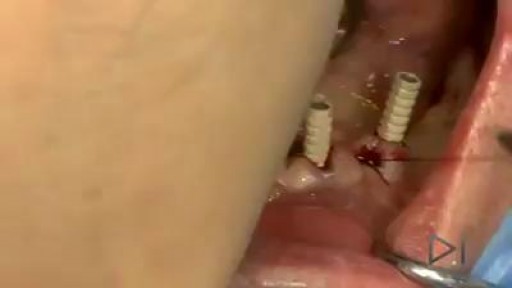
Dental implant surgery
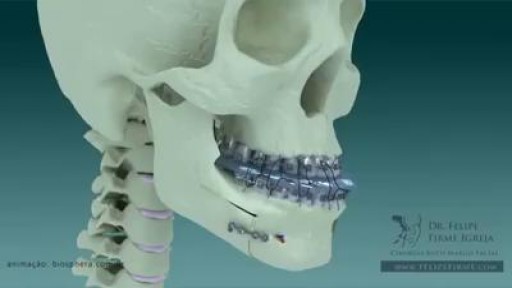
Understanding the process of getting braces

Before deciding how to treat one episode of high blood glucose, it is important to figure out why the number is high. Some possible causes include eating a heavy meal, not getting enough physical activity, forgetting to take diabetes medication, and dealing with illness and stress. Insulin is the medication that will bring blood glucose down the fastest. Someone who uses mealtime insulin can take correction doses to lower blood glucose. This requires a thorough understanding of when to inject, how often to give correction doses, and how much insulin to use. You will need to work with your doctor or diabetes educator to learn how to do this. Apart from administering insulin, the fastest way to lower your blood glucose is to engage in physical activity. Exercise results in an increased sensitivity to insulin. It causes your muscle cells to take up more glucose, leaving less of it to circulate in your bloodstream during and after the physical activity (which means a lower blood glucose when you test). Frequent, regular exercise is very important to good blood glucose control no matter what type of diabetes you have. Research has shown that it is vital in warding off long-term complications like neuropathy, retinopathy, and heart and kidney diseases. Don't forget to check with a doctor, though, before making any major changes to your exercise routine. And, if you have type 1 diabetes and your glucose is 250 mg/dl or higher, check for urine ketones. You should not exercise if ketones are present.
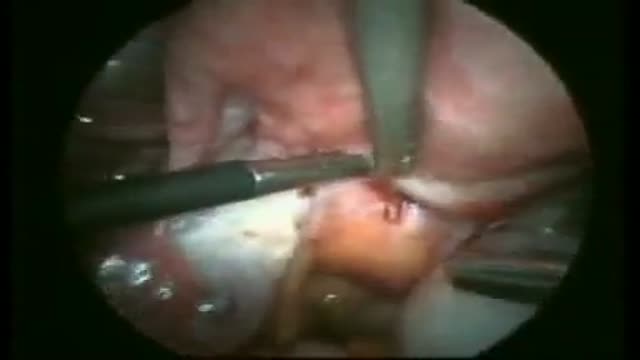
Excision of Rectovaginal Nodule
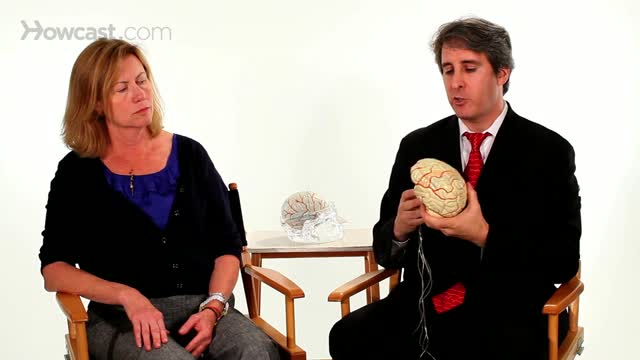
Epilepsy surgery is reserved for people whose seizures are not well controlled by seizure medicines. This situation is sometimes called being "medically refractory" or "drug resistant." In children, the definition of medically refractory is even more individualized to the specific child's situation. Surgery may be considered for some children after weeks to months of treatment with seizure medicines.
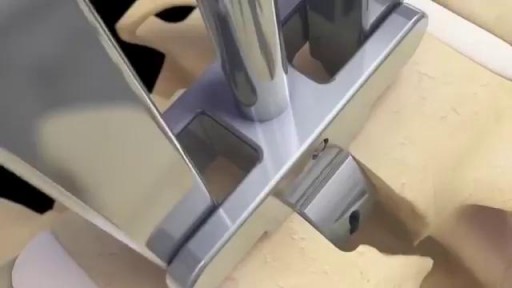
Patients are generally placed in a supine position with the head in an extended position. As noted above, Gardner-Wells tongs can be used for additional cervical traction. The hands can also be tied downward to increase the operative exposure. Once the surgical site is properly prepared with cleansing material, the appropriate surgical level is identified with intraoperative radiographs. A scalpel is used to make a linear longitudinal incision just medial to the body of the sternocleidomastoid muscle. The incision is made long enough to include at least 2 vertebral levels if a 1-level discectomy is being performed. Alternatively, transverse skin incisions over the targeted vertebral level can also be performed. The platysmal muscle is identified and incised. The platysmal incision can be extended if a multilevel decompression is the surgical aim. Extensive subplatysmal dissection is performed to reduce retraction injury.
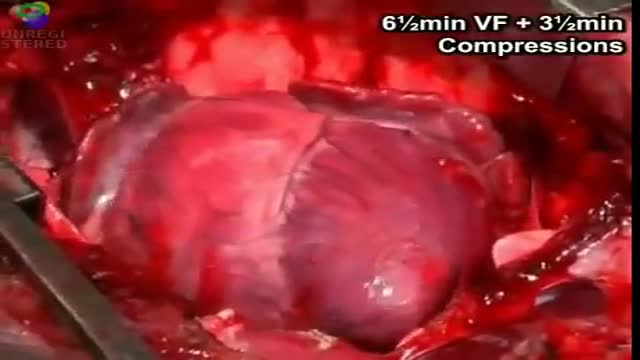
cardiac massage intermittent compression of the heart by pressure applied either over the sternum (closed cardiac massage) or directly to the heart through an opening in the chest wall (open cardiac massage). simple massage in the nursing interventions classification, a nursing intervention defined as stimulation of the skin and underlying tissues with varying degrees of hand pressure to decrease pain, produce relaxation, and/or improve circulation.
Mastitis is an infection of the breast tissue that results in breast pain, swelling, warmth and redness. You also might have fever and chills. Mastitis most commonly affects women who are breast-feeding (lactation mastitis), although sometimes this condition can occur in women who aren't breast-feeding. In most cases, lactation mastitis occurs within the first six to 12 weeks after giving birth (postpartum), but it can happen later during breast-feeding. The condition can cause you to feel run down, making it difficult to care for your baby. Sometimes mastitis leads a mother to wean her baby before she intends to, but continuing to breast-feed, even while taking an antibiotic for the mastitis, is better for you and your baby.
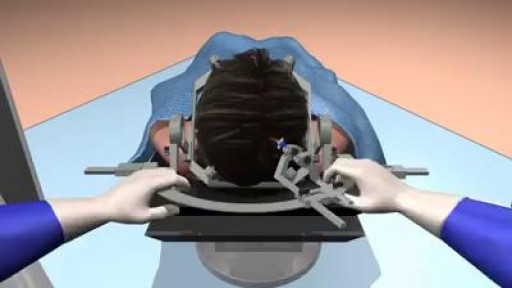
MRI-guided laser ablation for minimal invasive Neurosurgery.

Knee pain can happen at any age, but some doctors say they're seeing more people with osteoarthritis who are still young and active.
Subscribe to WCVB on YouTube for more: http://bit.ly/2526UpS
Get more Boston news: http://www.wcvb.com
Like us: https://www.facebook.com/wcvb5
Follow us: https://twitter.com/WCVB
Google+: https://plus.google.com/+wcvb
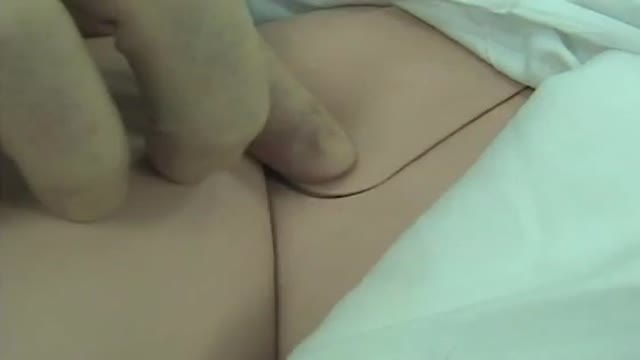
Femoral Venous Line Placement
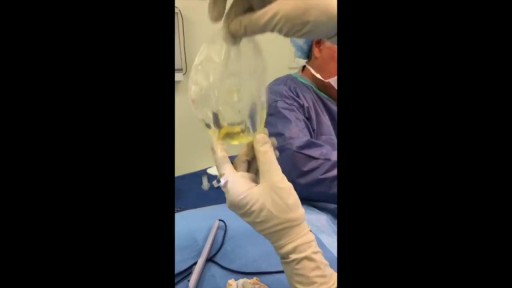
As you can see I access the left implant from the periareolar incisions which I made at the lower portion of the areola. As I entered the capsule and begin to remove the implant I noticed a lot of fluid surrounding the implant. Right away I know this is a rupture and that the mammogram was incorrect. Mammograms are very helpful in detecting cancer but often not ruptures. When implants rupture, it is important to have them replaced as soon as possible to avoid excessive scarring in the breasts. If too much scar tissue has accumulated around the deflated implant, it becomes difficult to create a normal breast shape in the future. Therefor know the signs of a ruptured implant such as, painful to touch, visible asymmetry or loss of integrity to the bag. For more information please visit: www.drlinder.com
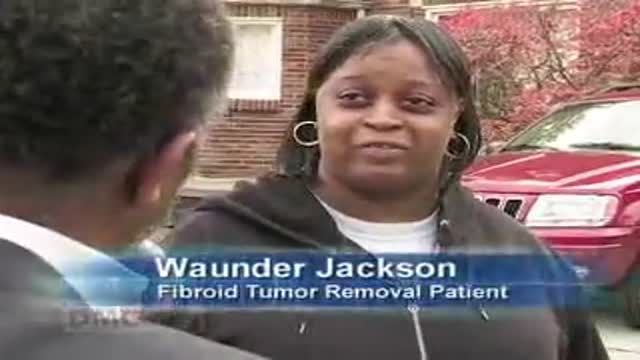
DMC Surgeon uses minimally-invasive surgery to remove uterine fibroids to hasten recovery. ~ Detroit Medical Center
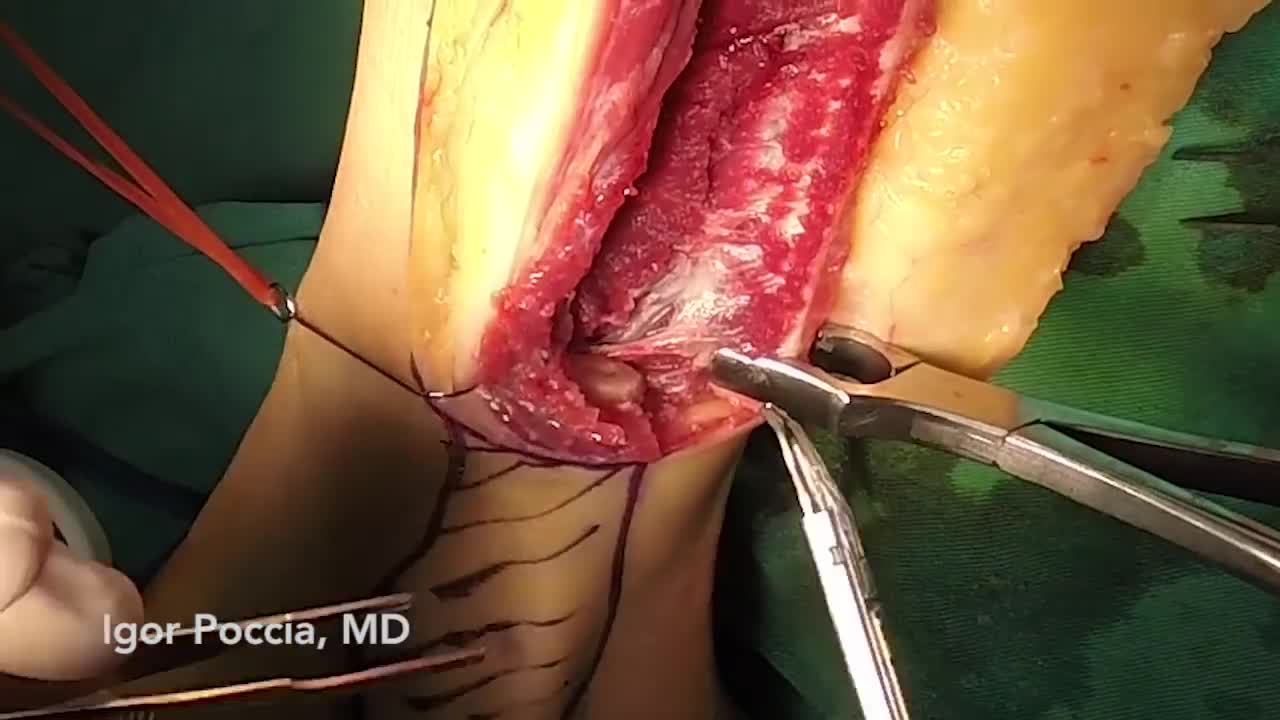
Both lower extremities must be evaluated to determine the presence or extent of any disease and to ascertain the pulse status of the patient. The feet are examined for signs of peripheral vascular disease and the anterior and posterior tibial pulses are palpated. Because an intact arch can supply retrograde flow to the major vessels of the foot, it can be helpful to put pressure on the anterior tibial artery when detecting the presence of a posterior tibial pulse and visa-versa. This "modified Allen's test" may detect proximal vessel obstruction masked by an intact foot arch. The need for preoperative angiography in young, healthy patients with a normal physical examination has been hotly debated. Our tendency has been to obtain preoperative angiograms as a guide. Although rare, we have seen lower extremities with a dominant peroneal artery nourishing the foot and distal anterior and posterior vessels, contraindicating sacrifice of the peroneal artery. MRI or CT angiography can also be used in many circumstances.
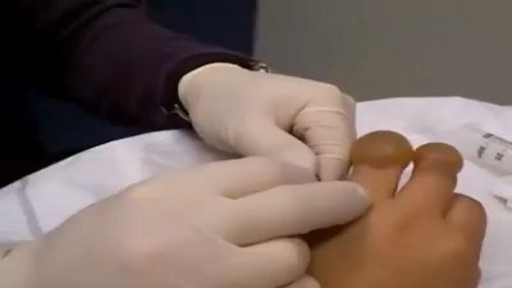
Frostbite is an injury caused by freezing of the skin and underlying tissues. First your skin becomes very cold and red, then numb, hard and pale. Frostbite is most common on the fingers, toes, nose, ears, cheeks and chin. Exposed skin in cold, windy weather is most vulnerable to frostbite. But frostbite can occur on skin covered by gloves or other clothing. Frostnip, the first stage of frostbite, doesn't cause permanent skin damage. You can treat very mild frostbite with first-aid measures, including rewarming your skin. All other frostbite requires medical attention because it can damage skin, tissues, muscle and bones. Possible complications of severe frostbite include infection and nerve damage.
a video showing the technique of Shave and Punch Skin Biopsies nique of
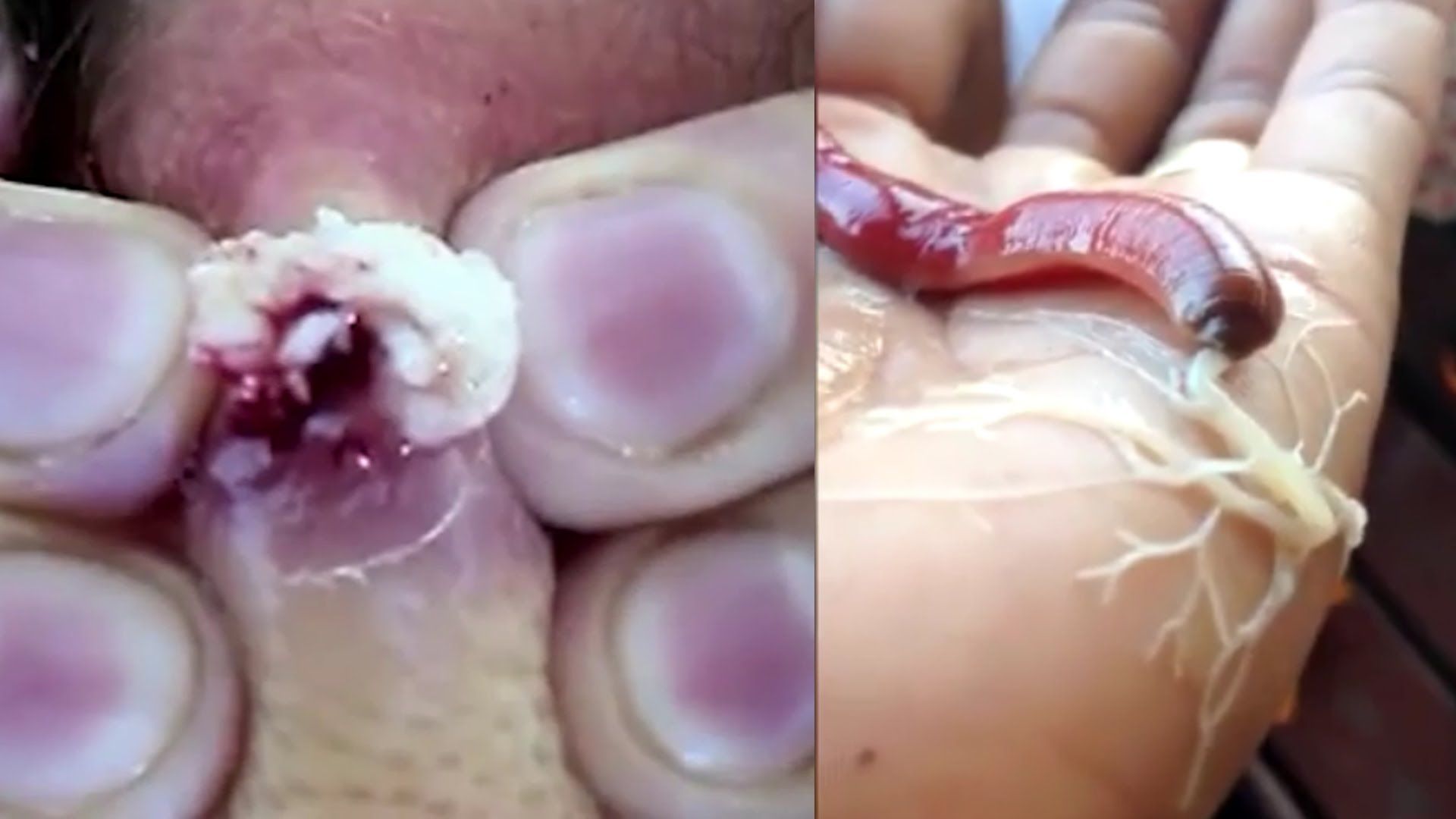
Watch that video to know about The Most Disgusting Parasites That Can Infect The Human Body
