
- Physical Examination
- Surgical Examination
- Ophthalmology
- Clinical Skills
- Orthopedics
- Surgery Videos
- Laparoscopy
- Pediatrics
- Funny Videos
- Cardiothoracic Surgery
- Nursing Videos
- Plastic Surgery
- Otorhinolaryngology
- Histology and Histopathology
- Neurosurgery
- Dermatology
- Pediatric Surgery
- Urology
- Dentistry
- Oncology and Cancers
- Anatomy Videos
- Health and Fitness
- Radiology
- Anaesthesia
- Physical Therapy
- Pharmacology
- Interventional Radiology
- Cardiology
- Endocrinology
- Gynecology
- Emergency Medicine
- Psychiatry and Psychology
- Childbirth Videos
- General Medical Videos
- Nephrology
- Physiology
- Diet and Food Health
- Diabetes Mellitus
- Neurology
- Women Health
- Osteoporosis
- Gastroenterology
- Pulmonology
- Hematology
- Rheumatology
- Toxicology
- Nuclear Medicine
- Infectious Diseases
- Vascular Disease
- Reproductive Health
- Burns and Wound Healing
- Kidney Zone Podcast
- Other







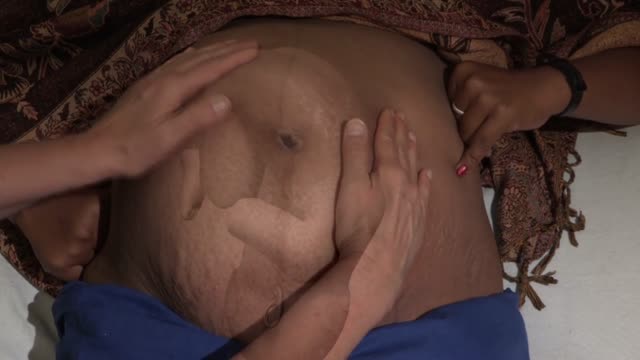

Fertilization

Educational only: videos on MedicalVideos.com are for general information and are not medical advice. Always consult your own doctor about your health.
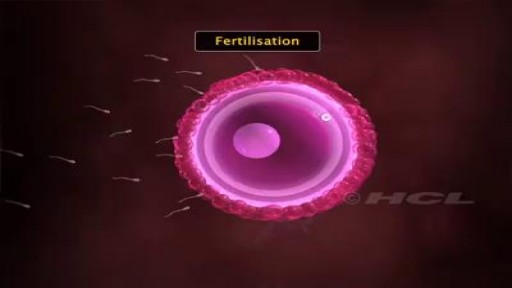
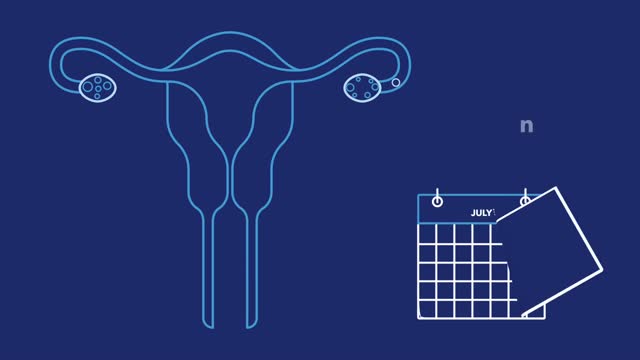
Fertilization of the egg with sperm generally occurs during the two weeks following the first day of your last menstrual period.1 The week of pregnancy that you are entering is dated from the first day of your last period. This means that in the first two weeks or so, you are not actually pregnant - your body will be preparing for ovulation as normal.
This video in 30 seconds
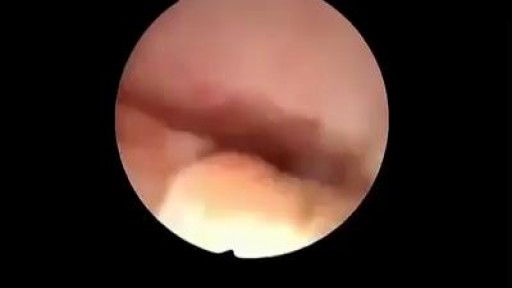
A narrated documentary on fertilisation and early development. It follows the embryo's journey along the fallopian tube, implantation in the uterus, and the formation of the placenta and umbilical cord, then month-by-month growth through the first months of pregnancy.
Key points
- The embryo's journey along the fallopian tube is followed
- Implantation and anchoring to the uterus are described
- Formation of the placenta is explained
- The umbilical cord and its role are described
- Month-by-month fetal growth is narrated
Chapters
- 0:01 — Embryo journey and implantation
- 1:23 — Placenta formation and exchange
- 2:05 — Umbilical cord and its role
- 2:25 — Later fetal growth by month
Video Transcript
A classic narrated documentary on fertilization and early development. It follows the embryo's week-long journey down the fallopian tube, implantation, and the formation of the placenta and umbilical cord, then month-by-month growth — a primitive heart at three weeks, a fetus by two months, and a fetus of about 21 centimetres by the fifth month.
Read the full transcript
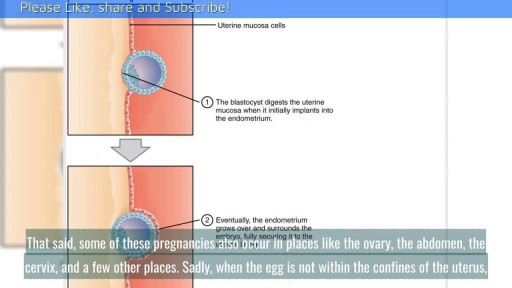
As the cells divide, the embryo continues its journey along the fallopian tube. About one week after conception, it reaches the uterus, which is prepared to receive it with the network of blood vessels and glands. By this time, the embryo has become a fluid-filled sphere of nearly 100 cells. Some of the cells become finger-like projections that anchor the embryo to the uterus to draw nourishment and oxygen and to rid the embryo of wastes. The anchoring cells secrete a hormone that will prevent the disintegration of the lining. It will be no menstrual period.
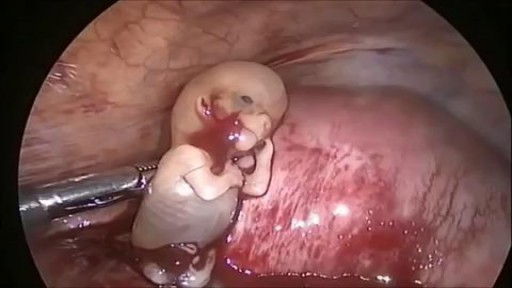
Three weeks after fertilization, though still smaller than a grain of rice, the embryo has a primitive heart. Through the following weeks, its tissues and organs will develop. In four weeks, it looks like this. Five weeks, about the size of a pea. Six weeks, seven weeks. At two months, it is called a fetus and is obviously human, though only the size of a gumdrop. When the embryo attaches to the uterus, a complex structure of vessels and cells forms, which is called the placenta. A network of the embryo's blood vessels closely intermingles next to the mother's blood supply.
While their blood doesn't actually mix, materials such as oxygen, nutrients and waste products can pass between mother and child. If their blood were to mix, the embryo would be rejected as the foreign organism that in fact it is. Don't forget, it shares only half of its genetic constitution with its mother. From the placenta emerges the umbilical cord, which leads to the abdomen of the fetus. When the cord is removed at birth, the belly button is created. During pregnancy, the placenta and umbilical cord serve as pathways for everything the fetus needs to grow.
By the third month, all the organs of the fetus are essentially in place and it enters a period of intense growth. During the fourth month, the fetus doubles in size. Its muscles twitch. By the fifth month, it is nearly 21 centimeters long, about 9 inches. It kicks occasionally. Its heart beats about 140 times per minute, twice the speed of an adult.
Transcript auto-generated from the video’s audio for accessibility and study. Educational content only — not medical advice.
Video Overview
From our Gynecology collection: Pelvic exams, Pap smears, IUD insertion, hysteroscopy and women's health procedures explained step by step. Browse all Gynecology videos →
Medical Videos
Free medical and surgery videos for patients, students and professionals — trusted since 2007.
Founded by Dr. Mohamed Ibrahim, MD, PhD — physician-scientist.
Follow us on Facebook · Instagram
SORT BY-
Top Comments
-
Latest comments