
- Physical Examination
- Surgical Examination
- Ophthalmology
- Clinical Skills
- Orthopedics
- Surgery Videos
- Laparoscopy
- Pediatrics
- Funny Videos
- Cardiothoracic Surgery
- Nursing Videos
- Plastic Surgery
- Otorhinolaryngology
- Histology and Histopathology
- Neurosurgery
- Dermatology
- Pediatric Surgery
- Urology
- Dentistry
- Oncology and Cancers
- Anatomy Videos
- Health and Fitness
- Radiology
- Anaesthesia
- Physical Therapy
- Pharmacology
- Interventional Radiology
- Cardiology
- Endocrinology
- Gynecology
- Emergency Medicine
- Psychiatry and Psychology
- Childbirth Videos
- General Medical Videos
- Nephrology
- Physiology
- Diet and Food Health
- Diabetes Mellitus
- Neurology
- Women Health
- Osteoporosis
- Gastroenterology
- Pulmonology
- Hematology
- Rheumatology
- Toxicology
- Nuclear Medicine
- Infectious Diseases
- Vascular Disease
- Reproductive Health
- Burns and Wound Healing
- Kidney Zone Podcast
- Other

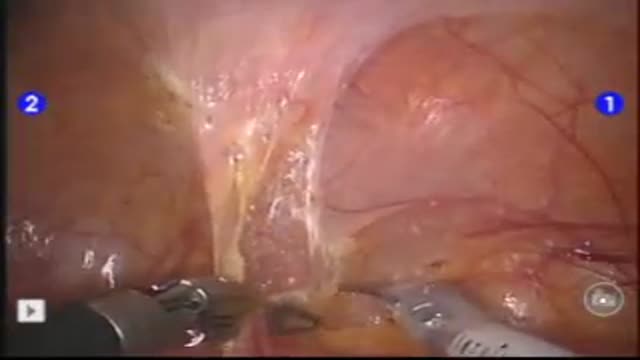

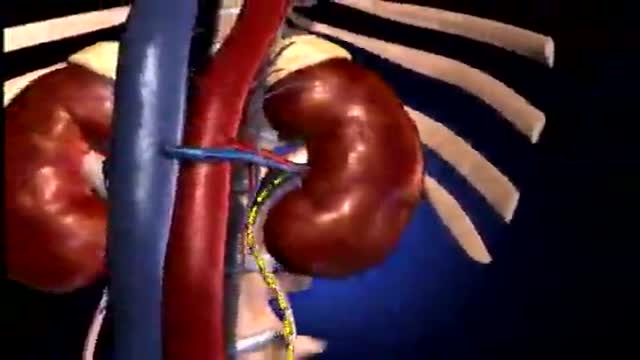
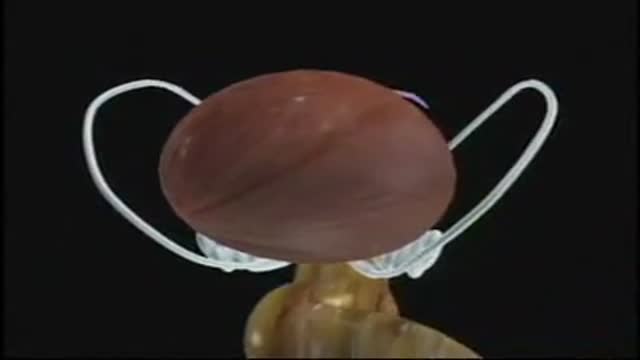
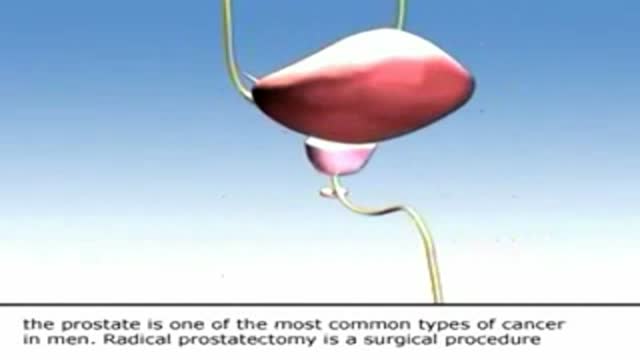
Male Urethral Stent Catheterization

Educational only: videos on MedicalVideos.com are for general information and are not medical advice. Always consult your own doctor about your health.
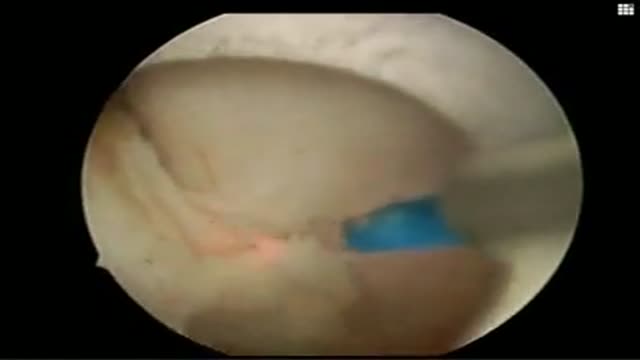
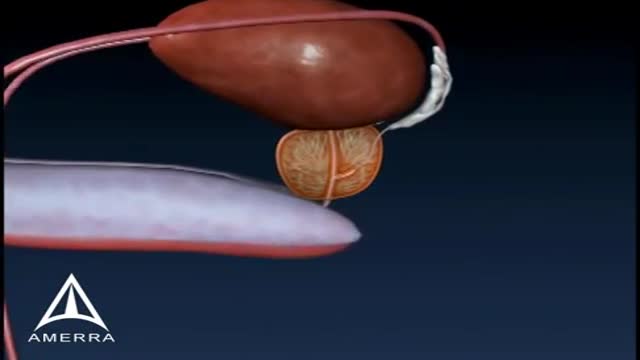
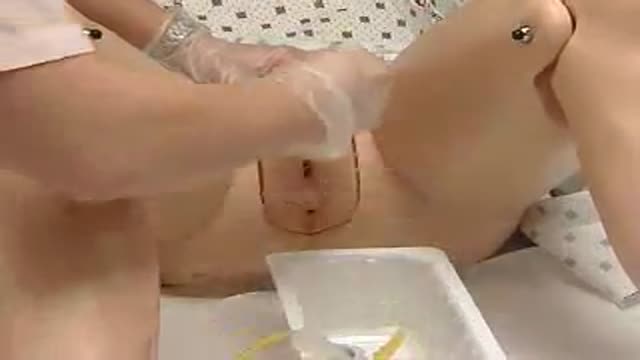
Insertion and removal of a male urethral stent catheter is demonstrated in this clinical-skills video. Urethral stents are used to keep the urinary channel open, most often in relation to prostate enlargement. A procedure resource for urology and nursing trainees. Procedure education only — not personal medical advice.
This video in 30 seconds
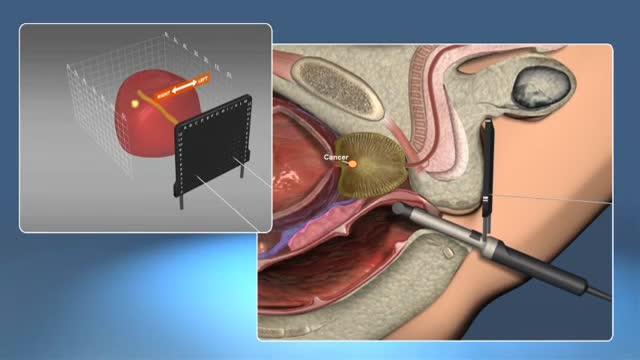
A manufacturer narration for a temporary prostatic stent walks through insertion via the urethra, filling its balloon with sterile water, seating it at the bladder neck, and trimming the retrieval tether. It explains how the patient voids through the device, how removal deflates the balloon, and closes with prescribing-information pointers.
Key points
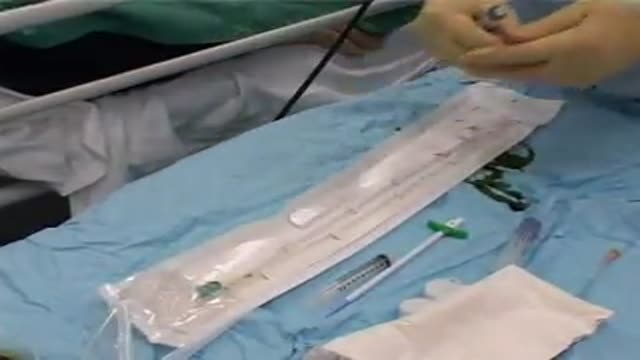
- The device is lubricated and inserted via the urethra until its tip is in the bladder
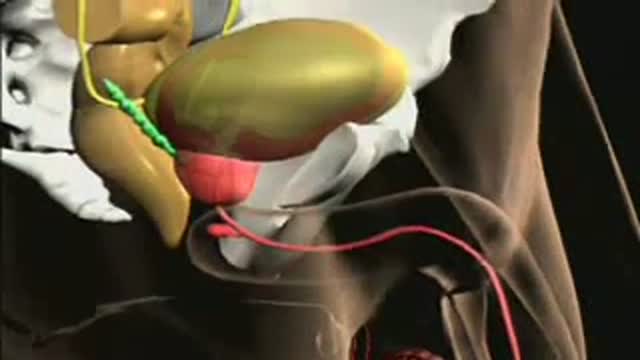
- The balloon is filled with sterile water and seated at the bladder neck
- The introducer is released and removed, and the retrieval tether is trimmed
- Voiding through the device is explained through opening and closing of the sphincter
- Removal is described as draining the balloon via the retrieval tether
Chapters
- 0:06 — Stent insertion via urethra
- 0:57 — Voiding through the device
- 1:23 — Stent removal described
- 1:42 — Prescribing information pointers
Video Transcript
A manufacturer's narration for a temporary prostatic stent, walking through insertion via the urethra, filling its balloon with sterile water, seating it at the bladder neck, and trimming the retrieval tether. It explains how the patient voids through the device and how removal deflates the balloon, and closes with prescribing-information pointers — a product film as much as a procedure video.
Read the full transcript
The spanner is lubricated and then inserted via the urethra until the proximal tip of the device is located in the bladder. A syringe is then used to inject 5cc sterile water into the balloon. Once filled, the balloon is seated into the bladder neck by applying gentle traction to the introducer. The physician then releases the anchor from the introducer by pulling back on the introducer handpiece. Once released, the introducer is removed from the urethra by continuing to apply traction. The last step of insertion is to trim the retrieval tether to the physician's preferred length.
With the spanner properly placed, patients will be able to void normally. When the patient feels the need to void, the external sphincter will open, allowing urine to pass from the bladder, through the stents, and out of the urethra. When voiding is complete, the sphincter will again close and allow the patient to remain dry. Spanner removal is completed by simply locating the black retrieval tether of the device and applying traction to it. This will remove a plug from the balloon and allow it to drain. Once the balloon is drained, the device can be removed by continuing to apply gentle traction to the retrieval tether.
The following is important prescribing information regarding the spanner stent. For more information on the spanner prosthetic stent, contact Abiumor Medical using the information located on this screen, or visit us on the web at www.thespanner.com.
Transcript auto-generated from the video’s audio for accessibility and study. Educational content only — not medical advice.
Video Overview
From our Clinical Skills collection: Suturing, injections, catheterization, IV insertion and OSCE-style examination techniques demonstrated step by step. Browse all Clinical Skills videos →
Medical Videos
Free medical and surgery videos for patients, students and professionals — trusted since 2007.
Founded by Dr. Mohamed Ibrahim, MD, PhD — physician-scientist.
Follow us on Facebook · Instagram
SORT BY-
Top Comments
-
Latest comments