
- Physical Examination
- Surgical Examination
- Ophthalmology
- Clinical Skills
- Orthopedics
- Surgery Videos
- Laparoscopy
- Pediatrics
- Funny Videos
- Cardiothoracic Surgery
- Nursing Videos
- Plastic Surgery
- Otorhinolaryngology
- Histology and Histopathology
- Neurosurgery
- Dermatology
- Pediatric Surgery
- Urology
- Dentistry
- Oncology and Cancers
- Anatomy Videos
- Health and Fitness
- Radiology
- Anaesthesia
- Physical Therapy
- Pharmacology
- Interventional Radiology
- Cardiology
- Endocrinology
- Gynecology
- Emergency Medicine
- Psychiatry and Psychology
- Childbirth Videos
- General Medical Videos
- Nephrology
- Physiology
- Diet and Food Health
- Diabetes Mellitus
- Neurology
- Women Health
- Osteoporosis
- Gastroenterology
- Pulmonology
- Hematology
- Rheumatology
- Toxicology
- Nuclear Medicine
- Infectious Diseases
- Vascular Disease
- Reproductive Health
- Burns and Wound Healing
- Kidney Zone Podcast
- Other
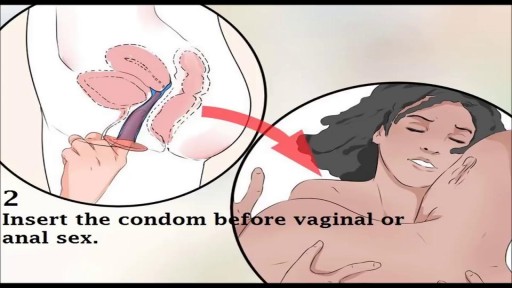
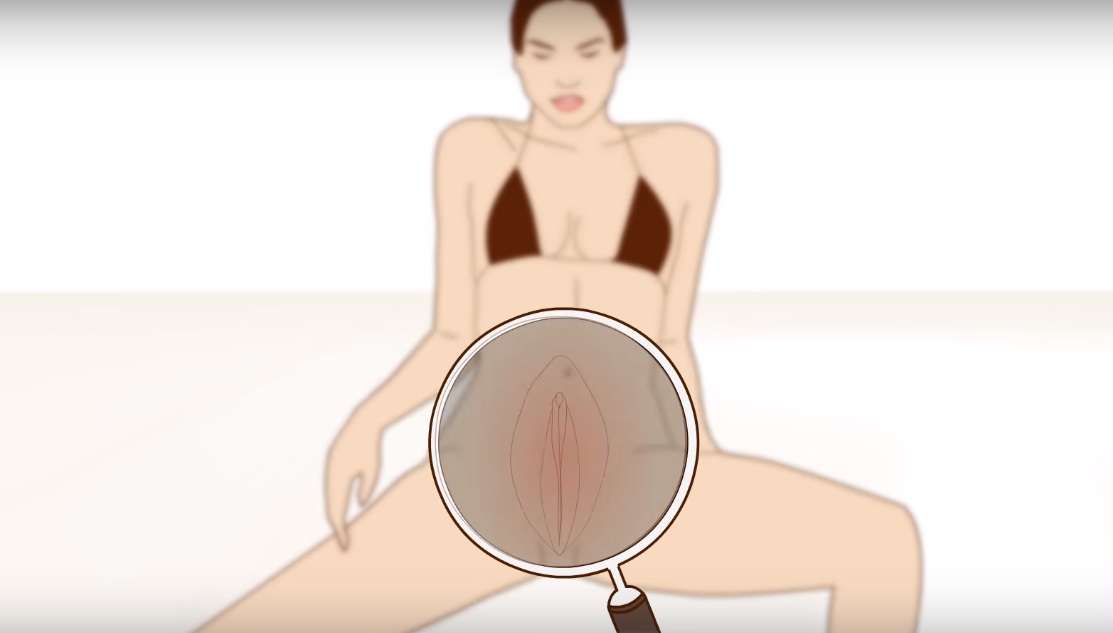










Medical Videos - What is Female G Spot?

Watch that video to know What is Female G Spot?
Video Transcript
This narration discusses the G-spot in clinical terms, naming it after Ernst Gräfenberg and his 1950 paper. It describes the area, as presented in the video, as urethral sponge tissue on the front vaginal wall between the pubic bone and cervix, and notes an alternative view mentioned in the narration that it may reflect deeper clitoral nerves. It also discusses stimulation and female ejaculation as presented.
Read the full transcript
How to easily reach the G-spot? What is this so mysterious G-spot? Where is it located and how can it be stimulated? This article gives some answers. The G-spot, or Grafenberg spot, is certainly the most popular topic, with the penis size, on websites discussing sex issues, male and female health. This spot was named after Ernst-Granfeberg, the famous German gynecologist who first described it in 1950, in his paper The Role of Eurethra in Female Orgasm. Grafenberg was a German-born doctor, at Lebson, 1881, New York in 1957, of Jewish confession.
Arrested by the Nazis in 1937, he escaped in 1940 with the help of friends of the International Society of Sexology, and emigrated to California. Before trying to reach this spot, we must know where it is located. The G-spot is something like a female prostate located between a pubic bone and the cervix on the top side of vagina. The G-spot is a part of the urethral sponge, a tissue playing a great role during arousal, if correctly stimulated, this area can be very pleasurable, and lead to orgasm during
sexual intercourse. Note that other women could also feel the urge to urinate when this spot is stimulated. Indeed, this urethral tissue or sponge is like a cushion against the pubic bone and the vagina wall, surrounding the urethra. Mainly made of erectile tissue, filled with blood during arousal, it has a compressing effect on the urethra, preventing urination during sex. This tissue also contains the skin's glands, able to produce the famous female ejaculation, usually a fluid of clear color, men are so curious about. Other scientists think the G-spot is not really a physical spot, but more probably the clitoris'
deepest nerves passing through the urethral tissue and connecting with the spinal column. An important point is that the fluid produced by the skin's glands during orgasm passes through urethra, as urine does, but must not be considered as urine or as an effect of urinary incontinence. This clear-colored fluid is similar to what is produced by the prostate and that is why we can speak about female ejaculation. The structure of this important tissue also varies during time and after the age of 30, occurring changes make the G-spot easier to reach.
This is why women after 30 will be more than probably experiencing the best of their sexual life and pleasures. But how can men reach this so mysterious spot? In fact, three methods can be applied in order to reach this spot. These methods can be found in sex advice as a guide on the web. 1. For men having an upward-curved penis, the missionary position is the best, because that kind of penis will exert greater pressure on the front wall of the vagina. 2. For men having a downward-curved penis, or an uncurved penis, doggy-style position
is probably more suitable because of the pressure exerted against the front wall by the downward-curved penis. 3. With the fingers or the tongue, you must push down on the clitoris and arse the tongue or fingers upwards. Note that fingers or tongue must be at least 1 to 3 inches inside the vagina.Since the exact distance greatly varies from a person to another. Good luck. Science has now answered lots of questions concerning this mysterious female area, but female orgasm is and remains a complex phenomenon wherein G-spot plays an important
role. Thank for watching. Please subscribe our channel to see more video.
Transcript auto-generated from the video’s audio for accessibility and study. Educational content only — not medical advice.
Video Overview
From our Gynecology collection: Pelvic exams, Pap smears, IUD insertion, hysteroscopy and women's health procedures explained step by step. Browse all Gynecology videos →
SORT BY-
Top Comments
-
Latest comments