
- Physical Examination
- Surgical Examination
- Ophthalmology
- Clinical Skills
- Orthopedics
- Surgery Videos
- Laparoscopy
- Pediatrics
- Funny Videos
- Cardiothoracic Surgery
- Nursing Videos
- Plastic Surgery
- Otorhinolaryngology
- Histology and Histopathology
- Neurosurgery
- Dermatology
- Pediatric Surgery
- Urology
- Dentistry
- Oncology and Cancers
- Anatomy Videos
- Health and Fitness
- Radiology
- Anaesthesia
- Physical Therapy
- Pharmacology
- Interventional Radiology
- Cardiology
- Endocrinology
- Gynecology
- Emergency Medicine
- Psychiatry and Psychology
- Childbirth Videos
- General Medical Videos
- Nephrology
- Physiology
- Diet and Food Health
- Diabetes Mellitus
- Neurology
- Women Health
- Osteoporosis
- Gastroenterology
- Pulmonology
- Hematology
- Rheumatology
- Toxicology
- Nuclear Medicine
- Infectious Diseases
- Vascular Disease
- Reproductive Health
- Burns and Wound Healing
- Kidney Zone Podcast
- Other








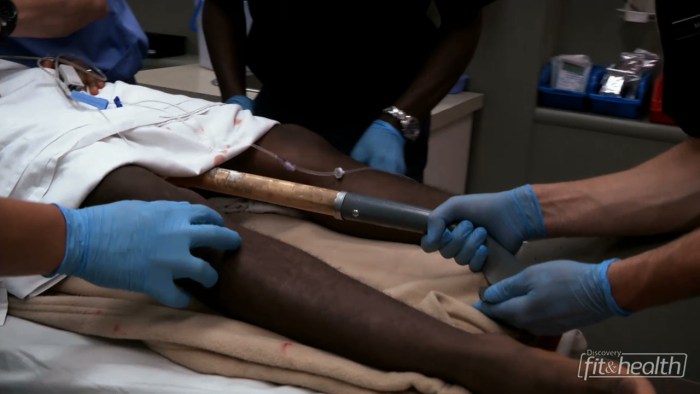

Sengstaken Blakemore tube Insertion Video

Educational only: videos on MedicalVideos.com are for general information and are not medical advice. Always consult your own doctor about your health.
Sengstaken Blakemore tube Insertion Video
This video in 30 seconds
A short textbook-style narration on passing a Sengstaken-Blakemore tube. Oral insertion is described as preferred, especially in intubated patients, nasal passage follows the nasogastric technique with topical preparation beforehand, the tube is advanced to a marked depth, and suction is applied to the gastric port to empty the stomach.
Key points
- The tube may be passed either orally or nasally
- Oral insertion is described as preferred in tracheally intubated patients
- Nasal insertion is described as analogous to nasogastric tube insertion
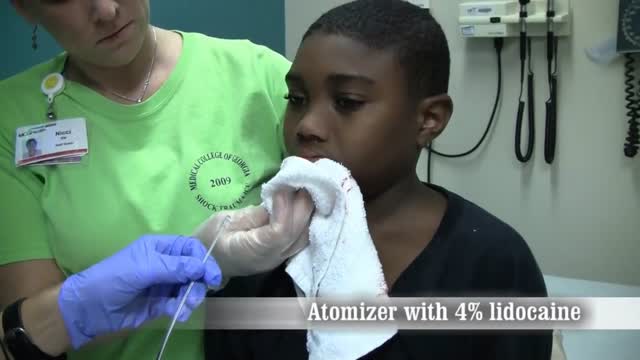
- A topical vasoconstrictor and anesthetic are applied before insertion
- Suction is applied to the gastric aspiration port to empty the stomach and reduce regurgitation risk
Video Transcript
A short textbook-style narration on passing a Sengstaken-Blakemore tube: oral insertion is preferred (especially in intubated patients), nasal passage follows the nasogastric technique with a topical vasoconstrictor and anesthetic, the tube goes in to at least the 50 cm mark, and suction is applied to the gastric port to empty the stomach.
Read the full transcript
The Blakemore tube may be passed either orally or nasally. Oral insertion is preferred especially in patients who are tracheally intubated. Nasal insertion is analogous to nasogastric tube insertion. Be sure to apply a topical vasoconstrictor and anesthetic prior to tube insertion. Refer to the nasogastric intubation chapter for details on passage of an NG tube. Insert the tube to at least the 50 centimeter mark or to the maximum depth allowed by the length of the tube. Apply suction to the gastric aspiration port to empty the stomach which will aid in the prevention of regurgitation.
Transcript auto-generated from the video’s audio for accessibility and study. Educational content only — not medical advice.
Video Overview
From our Clinical Skills collection: Suturing, injections, catheterization, IV insertion and OSCE-style examination techniques demonstrated step by step. Browse all Clinical Skills videos →
Medical Videos
Free medical and surgery videos for patients, students and professionals — trusted since 2007.
Founded by Dr. Mohamed Ibrahim, MD, PhD — physician-scientist.
Follow us on Facebook · Instagram
SORT BY-
Top Comments
-
Latest comments