
- Physical Examination
- Surgical Examination
- Ophthalmology
- Clinical Skills
- Orthopedics
- Surgery Videos
- Laparoscopy
- Pediatrics
- Funny Videos
- Cardiothoracic Surgery
- Nursing Videos
- Plastic Surgery
- Otorhinolaryngology
- Histology and Histopathology
- Neurosurgery
- Dermatology
- Pediatric Surgery
- Urology
- Dentistry
- Oncology and Cancers
- Anatomy Videos
- Health and Fitness
- Radiology
- Anaesthesia
- Physical Therapy
- Pharmacology
- Interventional Radiology
- Cardiology
- Endocrinology
- Gynecology
- Emergency Medicine
- Psychiatry and Psychology
- Childbirth Videos
- General Medical Videos
- Nephrology
- Physiology
- Diet and Food Health
- Diabetes Mellitus
- Neurology
- Women Health
- Osteoporosis
- Gastroenterology
- Pulmonology
- Hematology
- Rheumatology
- Toxicology
- Nuclear Medicine
- Infectious Diseases
- Vascular Disease
- Reproductive Health
- Burns and Wound Healing
- Kidney Zone Podcast
- Other
Childbirth — Labour & Delivery Videos
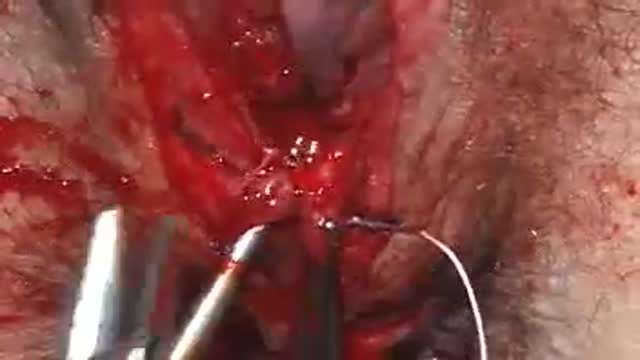
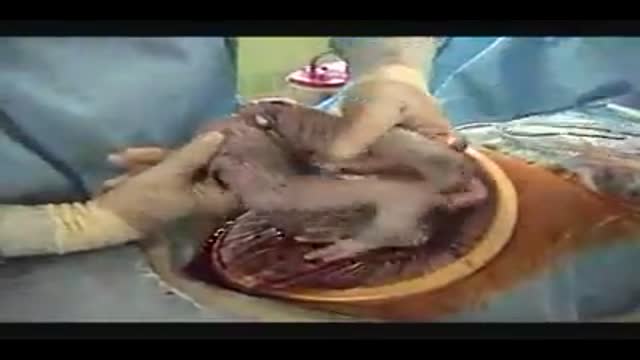
Labour and delivery are the most watched — and most wondered-about — events in medicine. This hub collects our childbirth videos, from normal vaginal delivery to caesarean sections and perineal repair, with a plain-language guide to the stages of labour. Some videos show real births and are graphic by nature.
Watch: childbirth videos



Read: the plain-language guide
What Are the Stages of Childbirth? The three stages of labour explained step by step — what happens, and roughly how long each can take. Read the article →Free pregnancy calculator
Due Date Calculator Estimate a due date from the first day of the last period. Open the calculator →Frequently asked questions
What are the stages of labour?
Labour has three stages: the first, when contractions open (dilate) the cervix; the second, when the baby is born; and the third, when the placenta is delivered. The first stage is usually the longest, especially in a first labour.
How long does labour last?
It varies a lot. A first labour often takes many hours from the start of regular contractions, while later labours are commonly quicker. Your maternity team monitors progress rather than the clock alone.
What is an episiotomy?
An episiotomy is a small cut in the perineum (the tissue between the vagina and anus) sometimes made to widen the opening during birth, for example if the baby needs to be born quickly. It is repaired with stitches afterwards, as several videos here show.
When is a caesarean delivery chosen?
A caesarean may be planned — for example for a breech baby or placenta problems — or decided during labour if the baby is distressed or labour is not progressing. It is major surgery, so it is used when the benefits outweigh the risks.
Related topics on MedicalVideos.com
This page is for general education only and is not medical advice. If you have symptoms or concerns about labour or delivery, see a doctor promptly — early assessment gives the most options. Birth decisions are individual and time-sensitive — always follow your maternity team's guidance.