
- Physical Examination
- Surgical Examination
- Ophthalmology
- Clinical Skills
- Orthopedics
- Surgery Videos
- Laparoscopy
- Pediatrics
- Funny Videos
- Cardiothoracic Surgery
- Nursing Videos
- Plastic Surgery
- Otorhinolaryngology
- Histology and Histopathology
- Neurosurgery
- Dermatology
- Pediatric Surgery
- Urology
- Dentistry
- Oncology and Cancers
- Anatomy Videos
- Health and Fitness
- Radiology
- Anaesthesia
- Physical Therapy
- Pharmacology
- Interventional Radiology
- Cardiology
- Endocrinology
- Gynecology
- Emergency Medicine
- Psychiatry and Psychology
- Childbirth Videos
- General Medical Videos
- Nephrology
- Physiology
- Diet and Food Health
- Diabetes Mellitus
- Neurology
- Women Health
- Osteoporosis
- Gastroenterology
- Pulmonology
- Hematology
- Rheumatology
- Toxicology
- Nuclear Medicine
- Infectious Diseases
- Vascular Disease
- Reproductive Health
- Burns and Wound Healing
- Kidney Zone Podcast
- Other
Contraception — Methods Explained on Video
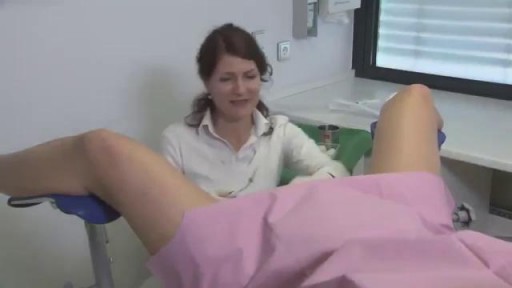
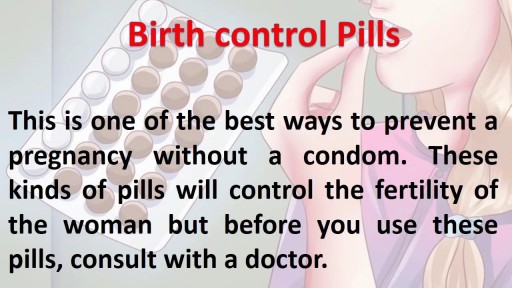
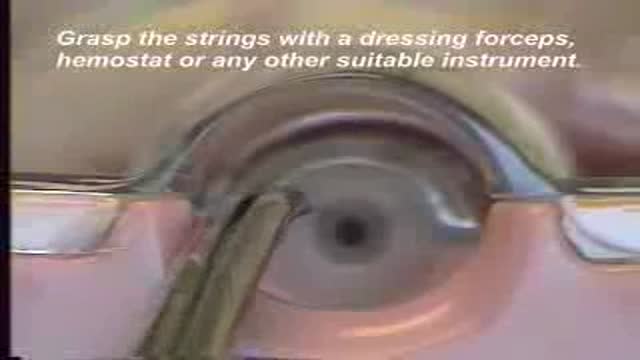
Modern contraception ranges from daily pills to implants and coils that work for years. This hub gathers our method videos — including IUD fitting — with a plain-language guide, so you can see how each method actually works before discussing choices with a clinician.
Watch: contraception videos



Read: the plain-language guide
How Is an IUD Inserted? What happens at an IUD (coil) fitting, step by step, and what it feels like. Read the article →Free health calculators
Medical Calculators — eGFR, BMI, ACR and more Free tools for kidney function, body mass index, pregnancy dates and nursing practice. Open the calculator →Frequently asked questions
What are the main methods of contraception?
Methods include long-acting reversible contraception (the implant, and hormonal or copper coils/IUDs), pills, patches and rings, injections, condoms, and permanent methods (vasectomy and female sterilisation). They differ in how they are used and how long they last.
How effective is an IUD?
Coils are among the most effective reversible methods — over 99% effective in typical use — because they do not depend on remembering anything. They work for several years and can be removed at any time.
Does contraception protect against infections?
Only condoms protect against sexually transmitted infections, including HIV. Other methods prevent pregnancy only, so condoms are often used as well when infection protection matters.
Can fertility return after stopping contraception?
For most methods, yes — fertility usually returns quickly after stopping, including after coil or implant removal. The injection can take some months to wear off. None of the reversible methods is known to cause permanent infertility.
Related topics on MedicalVideos.com
This page is for general education only and is not medical advice. If you have symptoms or concerns about choosing contraception, see a doctor promptly — early assessment gives the most options. Method choice depends on your health history — a clinician can help you choose safely.