
- Physical Examination
- Surgical Examination
- Ophthalmology
- Clinical Skills
- Orthopedics
- Surgery Videos
- Laparoscopy
- Pediatrics
- Funny Videos
- Cardiothoracic Surgery
- Nursing Videos
- Plastic Surgery
- Otorhinolaryngology
- Histology and Histopathology
- Neurosurgery
- Dermatology
- Pediatric Surgery
- Urology
- Dentistry
- Oncology and Cancers
- Anatomy Videos
- Health and Fitness
- Radiology
- Anaesthesia
- Physical Therapy
- Pharmacology
- Interventional Radiology
- Cardiology
- Endocrinology
- Gynecology
- Emergency Medicine
- Psychiatry and Psychology
- Childbirth Videos
- General Medical Videos
- Nephrology
- Physiology
- Diet and Food Health
- Diabetes Mellitus
- Neurology
- Women Health
- Osteoporosis
- Gastroenterology
- Pulmonology
- Hematology
- Rheumatology
- Toxicology
- Nuclear Medicine
- Infectious Diseases
- Vascular Disease
- Reproductive Health
- Burns and Wound Healing
- Kidney Zone Podcast
- Other
Fertility & Conception — How Pregnancy Begins
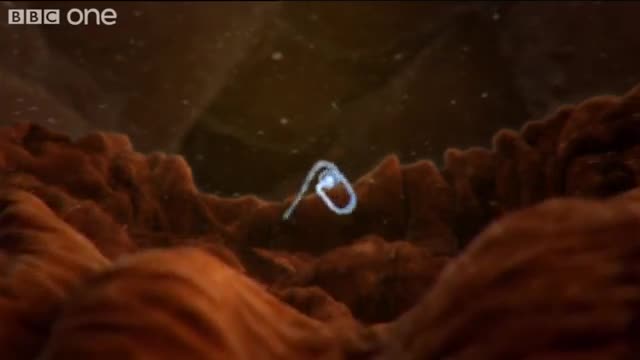
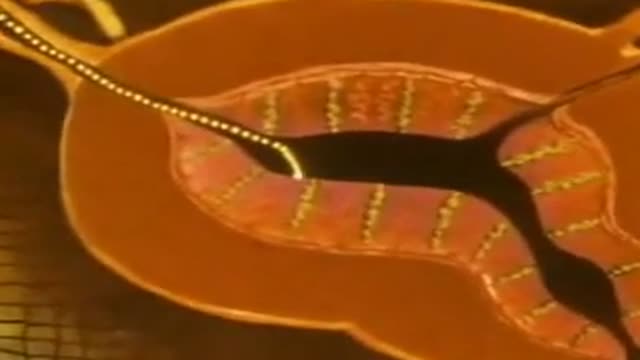
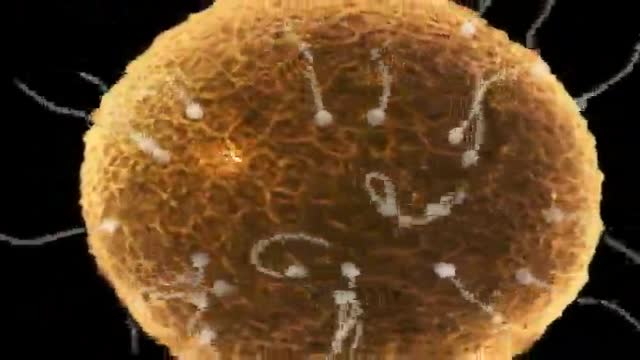
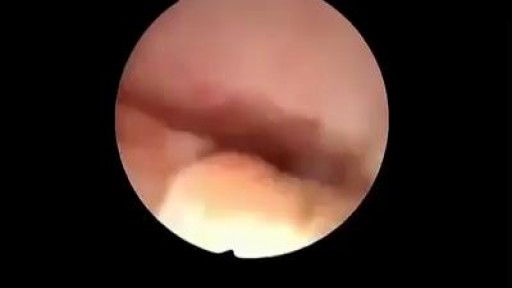
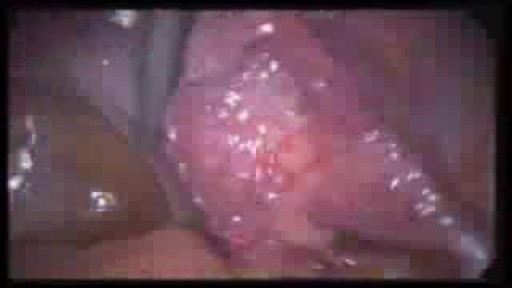
Conception depends on timing, healthy sperm and eggs, and open passages for them to meet. This hub brings together our fertility videos — from the biology of fertilisation to IVF laboratory footage — with a plain-language guide to the main treatments.
Watch: fertility videos
Read: the plain-language guide
What Is IVF? How in-vitro fertilisation works, step by step — stimulation, egg collection, fertilisation and transfer. Read the article →Free pregnancy calculator
Due Date Calculator Estimate a due date from the first day of the last period. Open the calculator →Frequently asked questions
How does conception happen?
Around ovulation, an egg is released from the ovary. If sperm are present in the fallopian tube, one may fertilise the egg; the resulting embryo travels to the uterus and implants in its lining, beginning a pregnancy.
What is IVF?
IVF (in-vitro fertilisation) means fertilising eggs with sperm in a laboratory. The ovaries are stimulated to produce several eggs, which are collected, fertilised, and one or more embryos are then transferred into the uterus.
When should we seek fertility help?
Many guidelines suggest seeking assessment after about a year of regular trying without conceiving — sooner if the woman is in her late thirties or older, or if there are known issues such as irregular periods or previous pelvic infection or surgery.
What affects fertility?
Age is the strongest factor, particularly for egg quality. Smoking, very high or low body weight, some infections, certain medicines and conditions affecting either partner can also matter — a fertility assessment looks at both partners.
Related topics on MedicalVideos.com
This page is for general education only and is not medical advice. If you have symptoms or concerns about difficulty conceiving, see a doctor promptly — early assessment gives the most options.