
- Physical Examination
- Surgical Examination
- Ophthalmology
- Clinical Skills
- Orthopedics
- Surgery Videos
- Laparoscopy
- Pediatrics
- Funny Videos
- Cardiothoracic Surgery
- Nursing Videos
- Plastic Surgery
- Otorhinolaryngology
- Histology and Histopathology
- Neurosurgery
- Dermatology
- Pediatric Surgery
- Urology
- Dentistry
- Oncology and Cancers
- Anatomy Videos
- Health and Fitness
- Radiology
- Anaesthesia
- Physical Therapy
- Pharmacology
- Interventional Radiology
- Cardiology
- Endocrinology
- Gynecology
- Emergency Medicine
- Psychiatry and Psychology
- Childbirth Videos
- General Medical Videos
- Nephrology
- Physiology
- Diet and Food Health
- Diabetes Mellitus
- Neurology
- Women Health
- Osteoporosis
- Gastroenterology
- Pulmonology
- Hematology
- Rheumatology
- Toxicology
- Nuclear Medicine
- Infectious Diseases
- Vascular Disease
- Reproductive Health
- Burns and Wound Healing
- Other
Gynecology
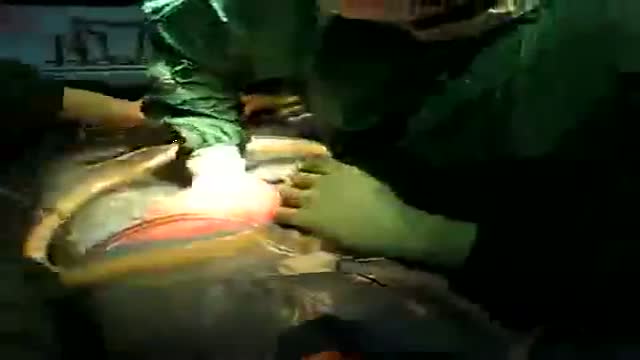

Caesarean section is the most common way to deliver a breech baby in the USA, Australia, and Great Britain. Like any major surgery, it involves risks. Maternal mortality is increased by a Caesarean section, but still remains a rare complication in the First World. Third World statistics are dramatically different, and mortality is increased significantly. There is remote risk of injury to the mother’s internal organs, injury to the baby, and severe hemorrhage requiring hysterectomy with resultant infertility. More commonly seen are problems with noncatastrophic bleeding, postoperative infection and wound healing problems. It should be added that the increase in maternal mortality rates could be slightly skewed due to the fact that Caesarean sections are often used during high-risk pregnancies and/or when mortality is already a strong possibility.
One large study has confirmed that elective cesarean section has lower risk to the fetus and a slightly increased risk to the mother, than planned vaginal delivery of the breech however elements of the methodology used have undergone some criticism.
The same birth injuries that can occur in vaginal breech birth may rarely occur in Caesarean breech delivery. A Caesarean breech delivery is still a breech delivery. However the soft tissues of the uterus and abdominal wall are more forgiving of breech delivery than the hard bony ring of the pelvis. If a Caesarean is scheduled in advance (rather than waiting for the onset of labor) there is a risk of accidentally delivering the baby too early, so that the baby might have complications of prematurity. The mother’s subsequent pregnancies will be riskier than they would be after a vaginal birth (uterine rupture). The presence of a uterine scar will be a risk factor for any subsequent pregnancies.

Causes of declining libido in women
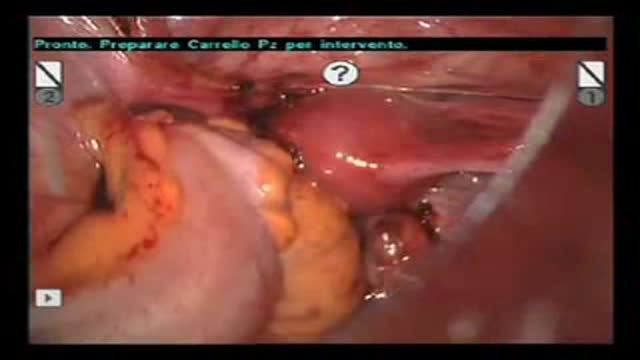
Robot-Assisted Laparoscopic Rectal Resection for Endometriosis
Recto-vaginal medical examination

Dr. Berger, Medical Director of Chapel Hill Tubal Reversal Center discusses the pros and cons of tubal reversal vs. IVF with a couple wanting a baby after a tubal ligation.

Anterior vaginal wall relaxation (cystocele) is one of the most commonly diagnosed forms of pelvic organ prolapse in women. More than 200,000 cystocele repairs are completed yearly, however to date the procedures that are completed do not provide very high cure rates and/or poor anatomic outcomes. Successful treatment of anterior vaginal wall prolapse remains one of the most challenging aspects of pelvic reconstructive surgery we face. We have developed very good procedures that provide excellent support for the posterior wall (ie rectoceles) and the apex of the vagina (ie vaginal vault prolapse) and reproduce normal anatomy. We were one of the first centers in the country to utilize grafts in rectocele repairs and have seen improved cure rates to over 90% with minimal complications. It has been known for many years that abdominal sacralcolpopexy with placement of a mesh graft at the top of the vagina for vaginal vault prolapse is the most successful procedure in the literature. We have made advancements with this procedure as well in being able to offer our patients a laparoscopic minimally invasive approach for sacralcolpopexy, with the same excellent cure rates (>92%) and with hospital stays typically less than 24 hours and reduced complications. However the anterior wall has been one of the most difficult compartments in the vagina to get good anatomic results and high cure rates with traditional repairs and at the same time not cause sexual dysfunction, pain with intercourse, voiding dysfunction (ie incontinence or urgency/frequency syndrome), or a shortened or scarred down vagina. The transobturator approach was developed as a less invasive way to place an anterior wall graft (see below) however this still involved blind needle passes and the graft did not support the apex of the vagina, therefore the search for improvements in these procedures is ongoing.
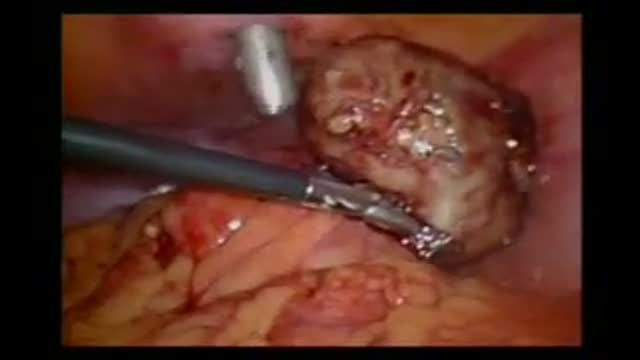
Laparoscopic Salpengectomy of a torted Fallopian Tube

Conjoined Twins

laparoscopic cornuotomy using a temporary tourniquet suture and diluted vasopressin injection in interstitial pregnancy video

Female Circumcision - FGM Female Genital Mutilation - female circumcision ختان الاناث - женское обрезание - circuncisão feminina - 女性割禮 - besnijdenis - babae pagtutuli - l'excision - κλειτοριδεκτομή - הנקבה מולה - sunat perempuan - circoncisione femminile - 女子割礼 - 여성 할례 - la circuncisión femenina - หญิง circumcision - kadın sünnet - жіноче обрізання For More read at World Health Organization web site : http://www.who.int/topics/female_genital_mutilation/en/index.html other sites : http://en.wikipedia.org/wiki/Female_genital_cutting

Laparoscopic cornuotomy is
1. perfect for hemostasis
2. no adjuvant treatment
3. Probaility of preservation of cornua & tube
4. Possibility of vaginal delivery in Subsequent pregnancy

Una revision unica de fertilizacion, desarrollo embrionario y de los procedimientos llevados acabo durante un ciclo de fertilizacion invitro. Tome un tour virtual exclusivo de unos de los laboratorios de fertilizacion invitro mas avanzados del mundo y con tecnologia de punta en reproduccion asistida para que conozca con mas detalle como RMA de NY realiza estos procedimientos bajo control estricto de calidad.
Este video proporciona documentacion acerca de la aspiracion de ovulos, inseminacion de ovulos, desarrollo embrionario desde etapa de clivaje (2-3 dias) hasta etapa de blastocisto (5-6 dias), inyeccion intracitplasmatica de esperma (ICSI)), eclosion asistida, transferencia embrionaria y congelacion de embriones.
Mexico City
Dr. Benjamin Sandler
Reproductive Medicine Associates International
http://www.rmany.com/mexicointernatio...
Prolongacion Paseo de la Reforma 1232, Oficina 1213
Colonia Lomas de Bezares
Delegacion Miguel Hidalgo
Mexico, Distrito Federal 11910
Tel: 011-52-55-2167-2515
Fax: 011-52-55-2167-6434

A rare view into fertilization, embryo development, and laboratory procedures performed during an IVF cycle. Take an exclusive look inside one of the most advanced, state-of-the-art in vitro fertilization (IVF) laboratories to see how RMA of New York performs IVF and other advanced reproductive technologies using strict identification standards.
Medical and laboratory video footage documents egg retrieval, insemination, embryo development from cleavage stage (day 2-3) to blastocyst stage (day 5-6), intracytoplasmic sperm injection (ICSI), assisted hatching, embryo transfer and embryo cryopreservation.
Reproductive Medicine Associates of New York
www.rmany.com
635 Madison Avenue, 10th floor
New York, New York 10022
Telephone: (212) 756-5777
Facsimile: (212) 756-5770
15 North Broadway, Garden Level - Suite G
White Plains, New York 10601
Telephone: (914) 997-6200
Facsimile: (914) 997-8111
Reproductive Medicine Associates of New York, Long Island
400 Garden City Plaza, Suite 107
Garden City, NY 11530
Telephone: (516) 746-3633
Facsimile: (516) 746-3622
Reproductive Medicine Associates International Mexico, S.C.
Prolongacion Paseo de la Reforma 1232, Oficina 1213
Colonia Lomas de Bezares
Delegacion Miguel Hidalgo
Mexico, Distrito Federal 11910
Telephone: 011-52-55-2167-2515
Fax: 011-52-55-2167-6434
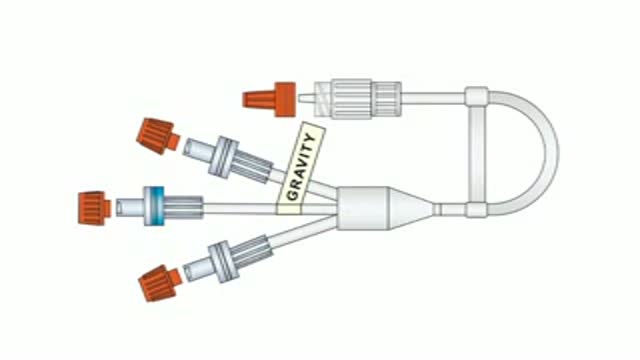
To facilitate the delivery of fluids during labour, obstetric anaesthetists from Coventry designed a triple IV peripheral connector with a central high-flow anti-reflux valve. This connector, now rightly known as the Coventry valve, can be used for all theatre settings and is especially useful in obstetrics, ICU, HDU and orthopaedics. More details on www.mediplus.co.uk

A unique look into laboratory techniques for egg freezing, also known as oocyte cyropreservation. Take an exclusive look inside one of the most advanced, state-of-the-art in vitro fertilization (IVF) laboratories to see how RMA of New York performs egg freezing procedures using strict identification standards. Medical and laboratory video footage documents egg retrieval, egg identification from follicular fluid, preparation for preservation, and the cyropreservation and storage process for egg freezing. RMA of New York is proud to partner with Extend Fertility ™ to offer egg freezing services. To learn more, please visit Reproductive Medicine Associates of New York www.rmany.com/fertility-hope Or Extend Fertility http://www.extendfertility.com 635 Madison Avenue, 10th floor New York, New York 10022 Telephone: (212) 756-5777 Facsimile: (212) 756-5770 15 North Broadway, Garden Level - Suite G White Plains, New York 10601 Telephone: (914) 997-6200 Facsimile: (914) 997-8111 Reproductive Medicine Associates of New York, Long Island 400 Garden City Plaza, Suite 107 Garden City, NY 11530 Telephone: (516) 746-3633 Facsimile: (516) 746-3622 Reproductive Medicine Associates International Mexico, S.C. Prolongacion Paseo de la Reforma 1232, Oficina 1213 Colonia Lomas de Bezares Delegacion Miguel Hidalgo Mexico, Distrito Federal 11910 Telephone: 011-52-55-2167-2515 Fax: 011-52-55-2167-6434

Amniocentesis,before the actual procedure, a local anesthetic is sometimes given to relieve the pain when inserting the needle used to withdraw the fluid. A needle is usually inserted through the mother's abdominal wall or at the end of the vagina, and through the wall of the uterus into the amniotic sac. With assistance from ultrasound, a physician aims towards an area of the sac that is away from the fetus and extracts a small amount of amniotic fluid for testing. The puncture heals, and the amniotic sac replenishes the liquid over a day or so. After the amniotic fluid is extracted, the fetal cells are separated from it using a centrifuge, and the fetal chromosomes are examined for abnormalities. Various genetic testing may be performed, but the three most common abnormalities tested for are Down's syndrome, Trisomy 18 and spina bifida. Amniocentesis can be performed as soon as sufficient amniotic fluid surrounds the fetus to allow a sample to be recovered relatively safely, usually no earlier than the 14th week of pregnancy. Often, genetic counseling is offered in conjunction with amniocentesis.

Otto Placik MD. a board certified Chicago based plastic surgeon presents Vulvar Vaginal Genital anatomy lesson reviewing the Vulva, Mons Pubis, clitoral hood, prepuce, frenulum, labia minora & majora, vagina, urethra and fourchette with surgical implications and techniques. Photos pictures and video of anatomic models are reviewed in detail on different models. Great for patients thinking about or planning before labiaplasty or vaginal cosmetic surgery
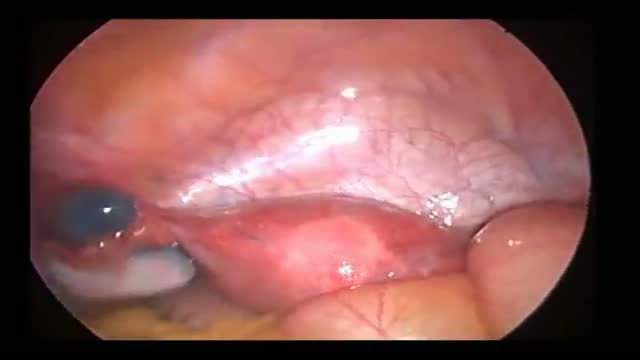
Fallopian Tube Diverticulus seen on Infertility workup Methylene Blue injected for tubal patency shows This. Edited by Dr Hemant Damle Prof & HOD Of Obs at SKN Medical College Pune India
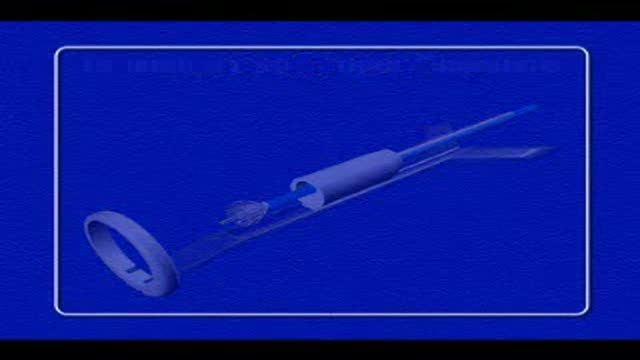
Genipap. A home pap smear product demo.

Diagnose an abusive relationship and you will be on your way to ending domestic abuse. Getting a definitive, objective diagnosis can put you in the "stop-guessing" mode and into the "start-treating" mode in moments.
