Top videos

Outpatient Knee Replacement at Duke Ambulatory Surgery Center Arringdon
Outpatient Knee Replacement at Duke Ambulatory Surgery Center Arringdon Surgeon 75 Views • 2 years ago

Outpatient -- or same-day -- knee replacement surgery is more convenient than traditional knee replacement surgery and often can help you recover faster.

Outpatient -- or same-day -- knee replacement surgery is more convenient than traditional knee replacement surgery and often can help you recover faster. At Duke Ambulatory Surgery Center Arringdon, your knee replacement will be followed immediately by physical therapy to get you moving and start your recovery process right away. Our expert joint replacement team ensures your knee replacement surgery is safe and effective so you can return to the comfort of your home as soon as possible.

Hepatitis C Treatment
Hepatitis C Treatment Mohamed 9,469 Views • 2 years ago

Current treatment is a combination of pegylated interferon-alpha-2a or pegylated interferon-alpha-2b (brand names Pegasys or PEG-Intron) and the antiviral drug ribavirin for a period of 24 or 48 weeks, depending on hepatitis C virus genotype. In a large multicenter randomized control study among genotype 2 or 3 infected patients (NORDymanIC),[35] patients achieving HCV RNA below 1000 IU/mL by day 7 who were treated for 12 weeks demonstrated similar cure rates as those treated for 24 weeks.[36][37]

Pegylated interferon-alpha-2a plus ribavirin may increase sustained virological response among patients with chronic hepatitis C as compared to pegylated interferon-alpha-2b plus ribavirin according to a systematic review of randomized controlled trials .[38] The relative benefit increase was 14.6%. For patients at similar risk to those in this study (41.0% had sustained virological response when not treated with pegylated interferon alpha 2a plus ribavirin), this leads to an absolute benefit increase of 6%. About 16.7 patients must be treated for one to benefit (number needed to treat = 16.7; click here [39] to adjust these results for patients at higher or lower risk of sustained virological response). However, this study's results may be biased due to uncertain temporality of association, selective dose response.

Treatment is generally recommended for patients with proven hepatitis C virus infection and persistently abnormal liver function tests.

Treatment during the acute infection phase has much higher success rates (greater than 90%) with a shorter duration of treatment; however, this must be balanced against the 15-40% chance of spontaneous clearance without treatment (see Acute Hepatitis C section above).

Those with low initial viral loads respond much better to treatment than those with higher viral loads (greater than 400,000 IU/mL). Current combination therapy is usually supervised by physicians in the fields of gastroenterology, hepatology or infectious disease.

The treatment may be physically demanding, particularly for those with a prior history of drug or alcohol abuse. It can qualify for temporary disability in some cases. A substantial proportion of patients will experience a panoply of side effects ranging from a 'flu-like' syndrome (the most common, experienced for a few days after the weekly injection of interferon) to severe adverse events including anemia, cardiovascular events and psychiatric problems such as suicide or suicidal ideation. The latter are exacerbated by the general physiological stress experienced by the patient.

Omentectom
Omentectom samer kareem 6,177 Views • 2 years ago

An omentectomy is a surgical procedure designed to remove the omentum, which is a thin fold of abdominal tissue that encases the stomach, large intestine and other abdominal organs. This fatty lining contains lymph nodes, lymph vessels, nerves and blood vessels.

Organophosphate Toxicity
Organophosphate Toxicity samer kareem 4,772 Views • 2 years ago

Organophosphate poisoning results from exposure to organophosphates (OPs), which cause the inhibition of acetylcholinesterase (AChE), leading to the accumulation of acetylcholine (ACh) in the body. Organophosphate poisoning most commonly results from exposure to insecticides or nerve agents.

Surgery Video Vignettes / Histopathology
Surgery Video Vignettes / Histopathology Richard DeAngelis 8,180 Views • 2 years ago

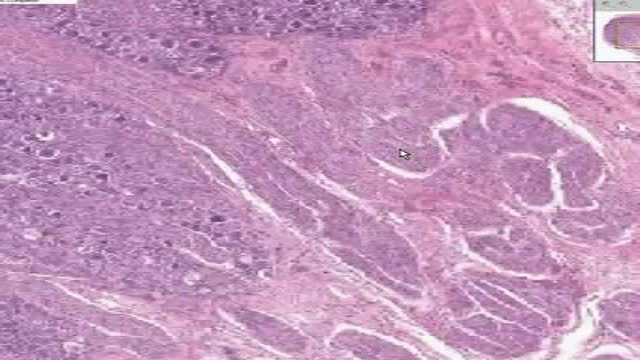
Squmaous Cell Carcinoma Of Scalp Challenging Cases & Controversial Questions with a focus on Mohs frozen section histology and pathology. Visit us @ www.skincancercentre.com.

Temporary Anchorage Device (TAD) - Orthodontic Device
Temporary Anchorage Device (TAD) - Orthodontic Device Dentist 1,576 Views • 2 years ago

Temporary Anchorage Device (TAD) - Orthodontic Device, very impressive

Brazilian Butt  Lift
Brazilian Butt Lift samer kareem 3,240 Views • 2 years ago

The surgical procedure uses your own fat, so it is the most natural way to augment your buttocks. Over the last few years, the buttocks have received more press coverage than ever before. People of all ages and body types are having the Brazilian Butt Lift procedure.

Local anesthesia in big toe for ingrown toenail removal
Local anesthesia in big toe for ingrown toenail removal samer kareem 11,560 Views • 2 years ago

Cardiovascular And Heart Disease
Cardiovascular And Heart Disease Travcure Meditourism 1,790 Views • 2 years ago

Cardiovascular surgery basically treats a number of diseases and medical disorders that affect your heart and the network of arteries and veins connecting it to every part of the body. https://goo.gl/iphEi9

Brain Hematoma Surgery
Brain Hematoma Surgery samer kareem 6,610 Views • 2 years ago

A subdural hematoma is a collection of blood outside the brain. Subdural hematomas are usually caused by severe head injuries. The bleeding and increased pressure on the brain from a subdural hematoma can be life-threatening.

The Human Body in Numbers
The Human Body in Numbers samer kareem 3,410 Views • 2 years ago

The Human Body in Numbers.

Minimally Invasive Brain Surgery To Remove Brain Tumors.
Minimally Invasive Brain Surgery To Remove Brain Tumors. samer kareem 6,164 Views • 2 years ago

Minimally Invasive Brain Surgery To Remove Brain Tumors.

Tipranavir Mechanism of action
Tipranavir Mechanism of action Medical_Videos 8,129 Views • 2 years ago

Mechanism of action of a novel HIV drug called Tipranavir

What to do if someone is having a seizure
What to do if someone is having a seizure samer kareem 12,472 Views • 2 years ago

How are seizures and epilepsy treated? What should I do if someone has a seizure? When seizure medications don't work, what else can be tried? These are just a few of the questions that you'll find answered here. Some treatment goals are common to everyone. Everyone should know what to do when a person is having a seizure. All people with seizures and their families should know that the real goal of treating epilepsy is to stop seizures or control them as best as possible. But you are more than just a seizure and how epilepsy affects you and your family may be different from someone else. Don't forget the most important goal of the Epilepsy Foundation - helping people with seizures and their families lead full and unrestricted lives according to their own wishes. Patient and doctor discussing treatment options"No seizures, no side effects" is the motto for epilepsy treatment. Not every person will reach that goal right now, but research and getting the "right care at the right time" can help more people achieve it each year. You may learn things here that can help you right away or later on. While seizure medicines are the mainstay of epilepsy treatment, there are other approaches to think about too. We hope these sections will help you learn about different treatments and get the help you need. Learn about the basics of Treatment 101 to help you get started. Look at Receiving Quality Care to see what to expect when you have just been diagnosed or after you have already started treatment. Then learn about specific treatments, what to do if seizures don't stop, and how to develop your health care team. You'll also find tools to help you manage your epilepsy or learn about research studies in other sections, so don't stop here!

Examination of the Thyroid - Clinical Examination
Examination of the Thyroid - Clinical Examination DrPhil 79 Views • 2 years ago

The thyroid gland lies in the midline of the anterior neck, just caudal to the thyroid cartilage. To inspect the thyroid gland, the examiner stands in front of the patient. The examiner asks the seated patient to dorsiflex (extend) the neck and swallow a sip of water. Minor enlargement of the gland may only become apparent on inspection in this position. Palpation of the thyroid gland is typically performed with the examiner standing behind the patient. Both lobes and the isthmus of the thyroid gland should be palpated for any nodules or diffuse enlargement. Mobility of the thyroid gland with swallowing should be assessed with palpation. Nodules arising from the thyroid gland typically move with swallowing. A hard, fixed thyroid gland could indicate malignancy. If a central nodule is identified, the patient is asked to protrude the tongue. Upward movement of the central nodule on protrusion of the tongue indicates a thyroglossal cyst. Auscultation is performed at the superior poles of bilateral lobes as this is where the superior thyroid artery is most superficial and bifurcates into its terminal branches. A bilateral bruit over the superior poles suggests Graves disease. Examination of the thyroid gland is completed by palpating the regional cervical lymph nodes for any enlargement.

Subscribe to AMBOSS YouTube for the latest clinical examination videos, medical student interviews, study tips and tricks, and live webinars!

Free 5 Day Trial: https://go.amboss.com/amboss-YT
Instagram: https://www.instagram.com/amboss_med/
Facebook: https://www.facebook.com/AMBOSS.Med/
Twitter: https://twitter.com/ambossmed
Blog: https://blog.amboss.com/us

#AMBOSSMed #ClinicalExamination #USMLE

Anatomy of The Gastrointestinal Tract GIT
Anatomy of The Gastrointestinal Tract GIT Anatomy_Videos 12,703 Views • 2 years ago

Anatomy of The Gastrointestinal Tract GIT

Abdominal Examination || GI Examination || Clinical Examination
Abdominal Examination || GI Examination || Clinical Examination DrPhil 102 Views • 2 years ago

#GIT#Abdominalexamination#AETCM

Central Line Insertion Steps
Central Line Insertion Steps Scott 7,875 Views • 2 years ago

A central venous catheter (CVC), also known as a central line, central venous line, or central venous access catheter, is a catheter placed into a large vein. Catheters can be placed in veins in the neck (internal jugular vein), chest (subclavian vein or axillary vein), groin (femoral vein), or through veins in the arms (also known as a PICC line, or peripherally inserted central catheters). It is used to administer medication or fluids that are unable to be taken by mouth or would harm a smaller peripheral vein, obtain blood tests (specifically the "central venous oxygen saturation"), and measure central venous pressure.

Heart Anatomy
Heart Anatomy samer kareem 3,763 Views • 2 years ago

The heart weighs between 7 and 15 ounces (200 to 425 grams) and is a little larger than the size of your fist. By the end of a long life, a person's heart may have beat (expanded and contracted) more than 3.5 billion times. In fact, each day, the average heart beats 100,000 times, pumping about 2,000 gallons. Your heart is located between your lungs in the middle of your chest, behind and slightly to the left of your breastbone (sternum). A double-layered membrane called the pericardium surrounds your heart like a sac. The outer layer of the pericardium surrounds the roots of your heart's major blood vessels and is attached by ligaments to your spinal column, diaphragm, and other parts of your body. The inner layer of the pericardium is attached to the heart muscle. A coating of fluid separates the two layers of membrane, letting the heart move as it beats. Your heart has 4 chambers. The upper chambers are called the left and right atria, and the lower chambers are called the left and right ventricles. A wall of muscle called the septum separates the left and right atria and the left and right ventricles. The left ventricle is the largest and strongest chamber in your heart. The left ventricle's chamber walls are only about a half-inch thick, but they have enough force to push blood through the aortic valve and into your body.

Knee replacement surgery for arthritis
Knee replacement surgery for arthritis Surgeon 70 Views • 2 years ago

#surgical #arthritis #surgery #medical #ortho #health #orthopaedic #medicine #ortopedia #medstudent #physicaltherapy #medschool #medicalstudent #medlife #sports

✍️Dr. Matthew Harb talks about knee replacement surgery
https://www.MatthewHarbMD.com/links

👨‍⚕️Orthopedic Hip and Knee Surgeon
📍Located in Washington DC, and Maryland
📚Education and Insight
🛠Minimally invasive, outpatient, hip and knee replacement surgery

👉Visit me Online: https://www.MatthewHarbMD.com
☎️Schedule a virtual or in office appointment: https://www.MatthewHarbMD.com/links

📲Follow me on Social Media:

💥TIKTOK: https://www.tiktok.com/@matthewharbmd
💥INSTAGRAM: https://www.instagram.com/thebonesurgeon

📲Please SUBSCRIBE for new #shorts #doctor videos!
https://www.youtube.com/channel/UCbte-7tl7kaAm1xfWgz6xvQ?app=desktop&sub_confirmation=1

✍️QUESTION — Have a question or comment about medicine, orthopedic surgery, or musculoskeletal conditions. Post in the comment sections and let me know!

Dr. Matthew Harb specializes in minimally invasive, muscle sparing, hip and knee replacement surgery. Minimally invasive surgery allows patients to recover faster and have less pain post operatively. Implants are tailored and custom fit to each patient to allow for improved performance. Dr. Harb’s expertise in rapid recovery protocols allow for quick recovery after surgery and excellent outcomes in patients with hip and knee arthritis. With minimally invasive, muscle sparing surgery patients can return to their lifestyles and get back to doing the things they love sooner. Dr. Harb performs outpatient joint replacement surgery with many of his patients walking independently and going home the day of surgery.

“My focus is excellence in patient care, expedited recovery after surgery, and getting people back to the normal activities they love. Our team focused approach is committed to superb outcomes, improving lives, and returning patients to living pain free.”

Showing 105 out of 378