
- Physical Examination
- Surgical Examination
- Ophthalmology
- Clinical Skills
- Orthopedics
- Surgery Videos
- Laparoscopy
- Pediatrics
- Funny Videos
- Cardiothoracic Surgery
- Nursing Videos
- Plastic Surgery
- Otorhinolaryngology
- Histology and Histopathology
- Neurosurgery
- Dermatology
- Pediatric Surgery
- Urology
- Dentistry
- Oncology and Cancers
- Anatomy Videos
- Health and Fitness
- Radiology
- Anaesthesia
- Physical Therapy
- Pharmacology
- Interventional Radiology
- Cardiology
- Endocrinology
- Gynecology
- Emergency Medicine
- Psychiatry and Psychology
- Childbirth Videos
- General Medical Videos
- Nephrology
- Physiology
- Diet and Food Health
- Diabetes Mellitus
- Neurology
- Women Health
- Osteoporosis
- Gastroenterology
- Pulmonology
- Hematology
- Rheumatology
- Toxicology
- Nuclear Medicine
- Infectious Diseases
- Vascular Disease
- Reproductive Health
- Burns and Wound Healing
- Kidney Zone Podcast
- Other
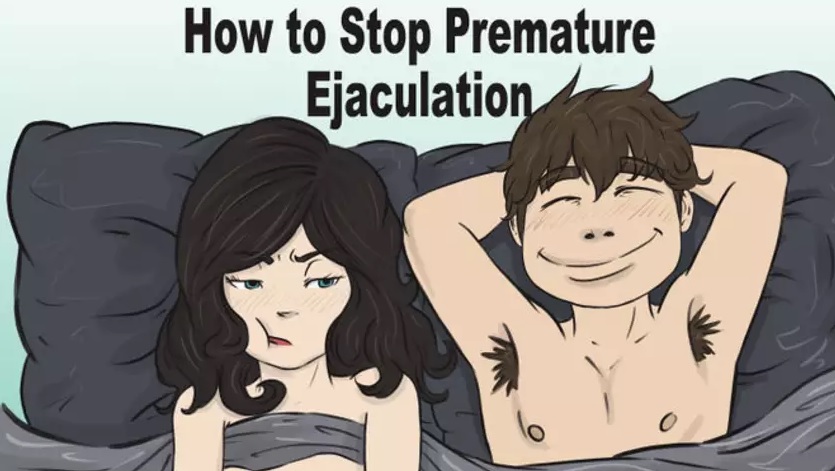

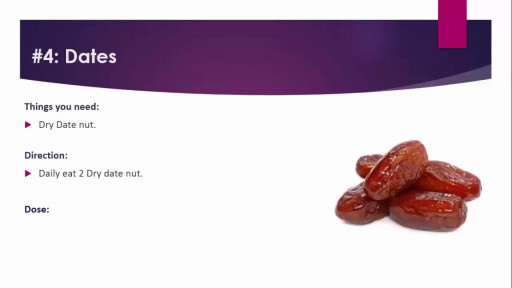
















Premature Ejaculation - Causes and how to Avoid it

Educational only: videos on MedicalVideos.com are for general information and are not medical advice. Always consult your own doctor about your health.
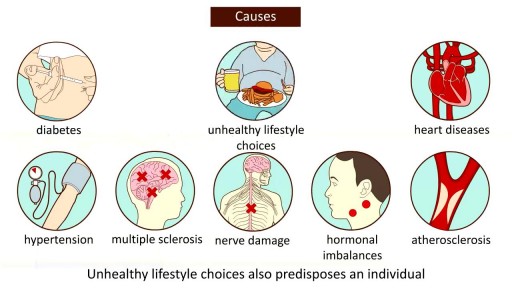
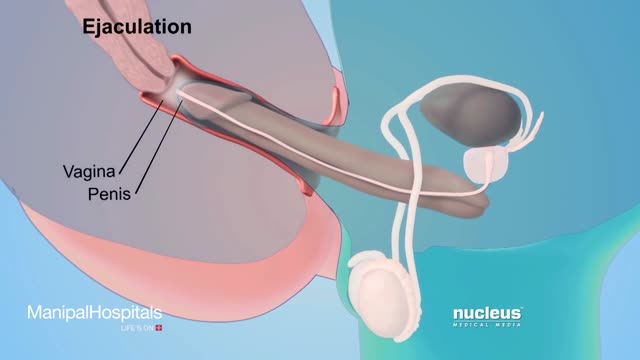
Premature ejaculation occurs when a man ejaculates sooner during sexual intercourse than he or his partner would like. Premature ejaculation is a common sexual complaint. Estimates vary, but as many as 1 out of 3 men say they experience this problem at some time. As long as it happens infrequently, it's not cause for concern. However, you may meet the diagnostic criteria for premature ejaculation if you: Always or nearly always ejaculate within one minute of penetration Are unable to delay ejaculation during intercourse all or nearly all of the time Feel distressed and frustrated, and tend to avoid sexual intimacy as a result Both psychological and biological factors can play a role in premature ejaculation. Although many men feel embarrassed to talk about it, premature ejaculation is a common and treatable condition. Medications, counseling and sexual techniques that delay ejaculation — or a combination of these — can help improve sex for you and your partner.
This video in 30 seconds
A speaker discusses premature ejaculation in clinical terms, linking difficulty with ejaculatory control in part to nervousness and self-imposed pressure. The speaker describes learning to recognise premonitory sensations and a personal safe zone of arousal, and mentions approaches discussed in sex therapy, desensitising products, condoms, and discussing possible medication with a urologist or doctor.
Key points
- Nervousness and pressure are described as factors affecting ejaculatory control
- Premonitory sensations before orgasm are described as signals to learn to recognise
- A safe zone of arousal, short of the point of no return, is explained
- Techniques used in sex therapy are mentioned
- Desensitising products, condoms and discussing medication with a doctor are mentioned as options
Chapters
- 0:04 — Anxiety and ejaculatory control
- 0:31 — Recognising premonitory sensations
- 0:57 — The safe zone concept
- 1:17 — Treatment options discussed
Video Transcript
A speaker discusses premature ejaculation, linking difficulty with ejaculatory control in part to nervousness and pressure. The speaker describes learning to recognise premonitory sensations and what he calls a 'safe zone' of arousal, and mentions approaches discussed in sex therapy, as well as desensitising products, condoms, and discussing possible medication with a urologist or doctor.
Read the full transcript
When it comes to treating premature ejaculation, I would say first and foremost, you need to relax. You know, oftentimes even if there is sort of a reflex where you don't need as much stimulation to reach your point of orgasm, it's also true that chances are you're feeling nervous or anxious or really don't want that to happen and that pressure that you're putting on yourself is getting in the way of you having the ejaculatory control that you're looking for. So take a deep breath, relax and realize it's about learning what we call the premonitory sensations
and by that I mean, you know, when you're getting sexually aroused, most men are focused on the sensations and their penis but you also have to notice what's happening to your breathing, whether or not you might be tightening in your legs, your buttocks, your feet. What other indicators do you have that basically you're no longer in what I consider your safe zone? And by that I mean you're aroused and erect but you're not approaching what I call that point of inevitability or that point of no return.
So learning what is your safe zone and on your own with masturbation, learning exercises that you can last five or ten minutes is one of the first techniques that you often would do working with a sex therapist. So some of your treatment options are learning those premonitory sensations. You can also use desensitizing creams where many clients use condoms because they like the fact that it cuts some of the sensation and stimulation. And you can also speak to urologists or doctor about the potential of medications. There are some off-label use of medications that are known to delay ejaculation
and sometimes they may be used as an effective treatment. I really want you to realize that if you can relax and let go and have a partner who's willing to sort of slow things down to help you realize what is that safe zone that you're going to have really enjoyable sexual experiences.
Transcript auto-generated from the video’s audio for accessibility and study. Educational content only — not medical advice.
Video Overview
From our Urology collection: Prostate surgery (TURP), cystoscopy, kidney stone treatment, vasectomy and male health procedures explained step by step. Browse all Urology videos →
Medical Videos
Free medical and surgery videos for patients, students and professionals — trusted since 2007.
Founded by Dr. Mohamed Ibrahim, MD, PhD — physician-scientist.
Follow us on Facebook · Instagram
SORT BY-
Top Comments
-
Latest comments