
- Physical Examination
- Surgical Examination
- Ophthalmology
- Clinical Skills
- Orthopedics
- Surgery Videos
- Laparoscopy
- Pediatrics
- Funny Videos
- Cardiothoracic Surgery
- Nursing Videos
- Plastic Surgery
- Otorhinolaryngology
- Histology and Histopathology
- Neurosurgery
- Dermatology
- Pediatric Surgery
- Urology
- Dentistry
- Oncology and Cancers
- Anatomy Videos
- Health and Fitness
- Radiology
- Anaesthesia
- Physical Therapy
- Pharmacology
- Interventional Radiology
- Cardiology
- Endocrinology
- Gynecology
- Emergency Medicine
- Psychiatry and Psychology
- Childbirth Videos
- General Medical Videos
- Nephrology
- Physiology
- Diet and Food Health
- Diabetes Mellitus
- Neurology
- Women Health
- Osteoporosis
- Gastroenterology
- Pulmonology
- Hematology
- Rheumatology
- Toxicology
- Nuclear Medicine
- Infectious Diseases
- Vascular Disease
- Reproductive Health
- Burns and Wound Healing
- Other
Top videos
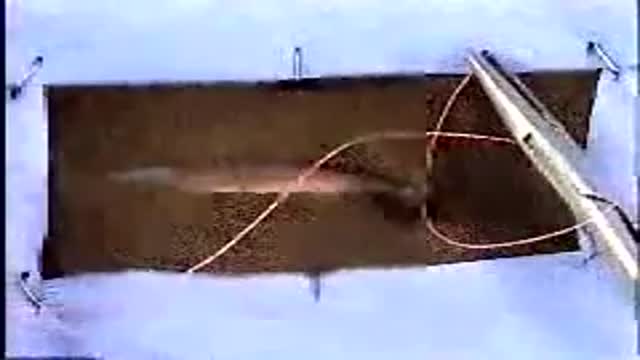

Ford Interlocking Suture
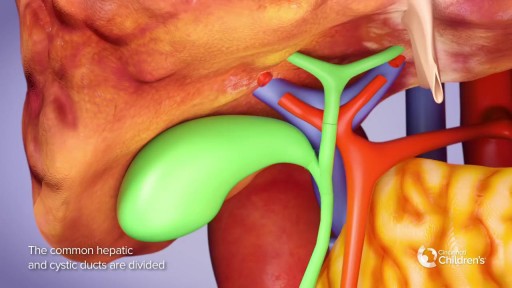
Liver Transplant Surgery Explained
Simple or Total Mastectomy. The entire breast is removed, but no lymph nodes are taken in this procedure. Simple mastectomy is most frequently used for further cancer prevention or when the cancer has not spread to the lymph nodes.Oct 29, 2014
Emergency Physical Examination Lecture
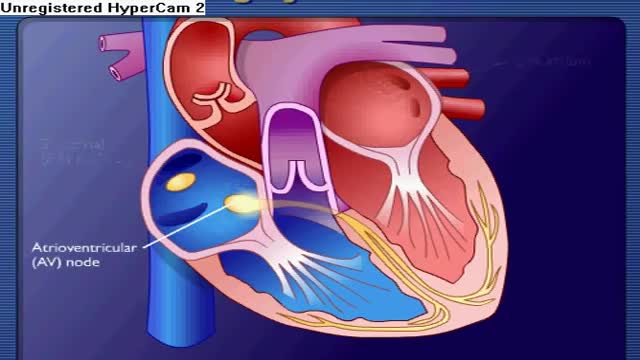
Premature ventricular contractions (PVCs) are extra, abnormal heartbeats that begin in one of your heart's two lower pumping chambers (ventricles). These extra beats disrupt your regular heart rhythm, sometimes causing you to feel a flip-flop or skipped beat in your chest.
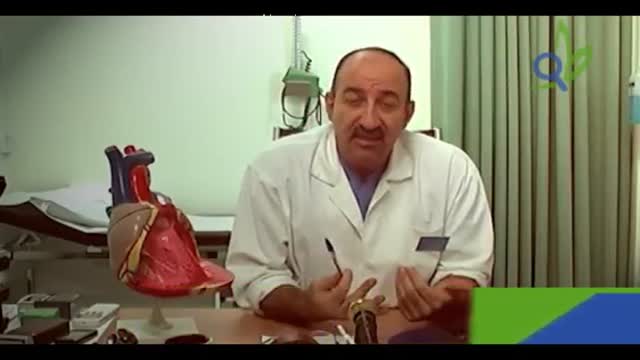
الدكتور إياس الموسى من عمان، الاردن، يتحدث عن خفقان القلب، ما هي أعراضه، أسبابه وكيفية علاجه.
العديد من الأسئلة التي ترد إلى موقع الطبي تتعلق بخفقان وتسارع القلب. الدكتور إياس يشرح بإسهاب عن هذه المشكلة السائدة
USMLE Step 2 CS - Vaginal Discharge This is just preview video. To get full access please visit our website : www.usmletutoring.com

vocal fold paralysis
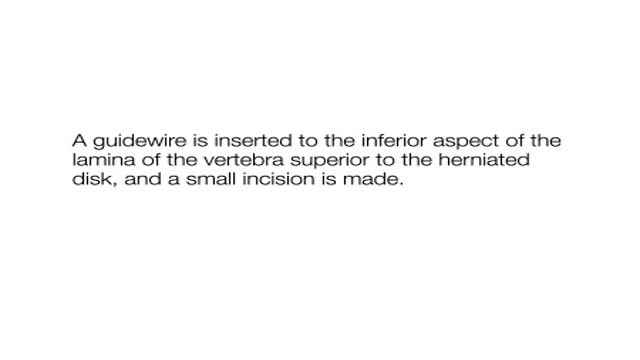
A video showing the procedure of Tubular Diskectomy of a herniated disk. Uploaded on MedicalVideos.us.Discussing the management of Sciatica.
Scientifically Erectile Dysfunction Penile Implants
Watch that Baby Abortion Medical Procedure
Ehlers-Danlos syndrome is a group of disorders that affect the connective tissues that support the skin, bones, blood vessels, and many other organs and tissues. Defects in connective tissues cause the signs and symptoms of Ehlers-Danlos syndrome, which vary from mildly loose joints to life-threatening complications. Previously, there were more than 10 recognized types of Ehlers-Danlos syndrome, differentiated by Roman numerals. In 1997, researchers proposed a simpler classification that reduced the number of major types to six and gave them descriptive names: the classical type (formerly types I and II), the hypermobility type (formerly type III), the vascular type (formerly type IV), the kyphoscoliosis type (formerly type VIA), the arthrochalasia type (formerly types VIIA and VIIB), and the dermatosparaxis type (formerly type VIIC). This six-type classification, known as the Villefranche nomenclature, is still commonly used. The types are distinguished by their signs and symptoms, their underlying genetic causes, and their patterns of inheritance. Since 1997, several additional forms of the condition have been described. These additional forms appear to be rare, affecting a small number of families, and most have not been well characterized.
Gastroparesis is a disorder affecting people with both type 1 and type 2 diabetes in which the stomach takes too long to empty its contents (delayed gastric emptying). The vagus nerve controls the movement of food through the digestive tract. If the vagus nerve is damaged or stops working, the muscles of the stomach and intestines do not work normally, and the movement of food is slowed or stopped. Just as with other types of neuropathy, diabetes can damage the vagus nerve if blood glucose levels remain high over a long period of time. High blood glucose causes chemical changes in nerves and damages the blood vessels that carry oxygen and nutrients to the nerves. - See more at: http://www.diabetes.org/living-with-diabetes/complications/gastroparesis.html?referrer=https://www.google.com/#sthash.rTgZiOuM.dpuf
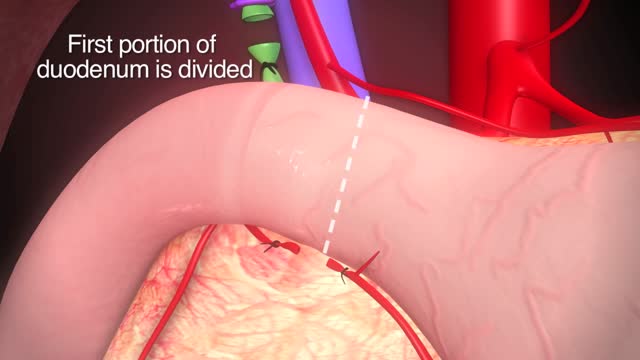
TPIAT is a procedure that lets surgeons remove the pancreas, take out islet cells, and put those islet cells into the liver.
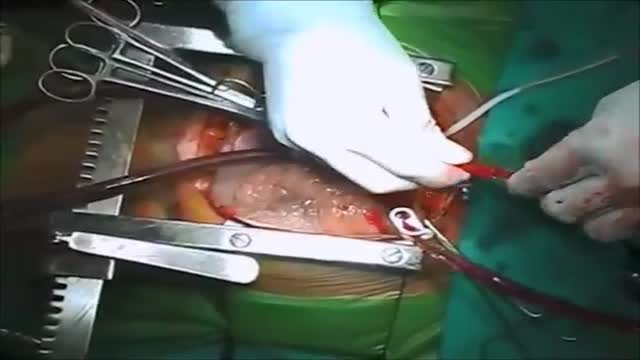
Ventricular septal rupture (VSR) is a rare but lethal complication of myocardial infarction (MI). The event occurs 2-8 days after an infarction and often precipitates cardiogenic shock. [1] The differential diagnosis of postinfarction cardiogenic shock should exclude free ventricular wall rupture and rupture of the papillary muscles. (See the image below.)
Total Knee Replacement Patient Information
Mommy Makeover plastic surgery in NYC and is a fairly new phenomena. This video, from 5thavenue surgery; http://www.5thavesurgery.com, goes through a case study of a patient getting plastic surgery in NYC. Check out what a Mommy Makeover can do for your body and what Plastic Surgery can do for you.
Mr. Dan underwent 5 suregries in a single go-Both sided hernias+both sided varicocoele and one hydrocoele.Our web site: http://www.desarda.com “Complete cure from groin hernia is now possible with Dr.Desarda's repair technique.......” Mesh is a foreign body, a simple piece of cloth prepared from the synthetic threads. Therefore, its use in inguinal hernia repairs is known to cause all sorts of complications like pain, recurrence, infection etc. We have developed an innovative new technique of inguinal hernia repair without mesh. It uses your own body muscle for repair and gives virtually complete cure from inguinal hernia problem. An undetached strip of the external oblique aponeurosis is stitched on the weak area between the muscle arch and the inguinal ligament to form a new, strong and physiologically dynamic posterior wall that gives protection and prevents re-herniation. Normally patient goes home in a day after surgery and can drive car and go to office in 3-4 days time. This "Dr.Desarda's hernia repair" is now followed in many countries all over the world. We are surprised to see the enquiries from many patients in the developed countries asking for this repair in their country. This is because this operation does not use any foreign body like mesh for repair and therefore there are no complications that are seen in mesh repairs. A visit to Topix or other hernia forums show thousands of posts showing sufferings of many patients due to mesh repairs. But still why surgeons from developed countries are interested in mesh repairs is a big question for us. Please visit our website for more details: http://www.desarda.com or http://herniasurgery.tripod.com Our cell number: +91 9373322178
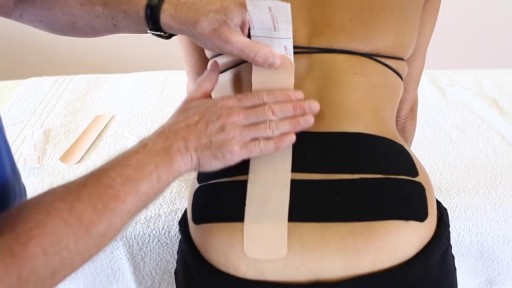
Dysfunction in the sacroiliac joint, also called the SI joint, can sometimes cause lower back and/or leg pain. Leg pain from sacroiliac joint dysfunction can be particularly difficult to differentiate from radiating leg pain caused by a lumbar disc herniation (sciatica) as they can feel quite similar.
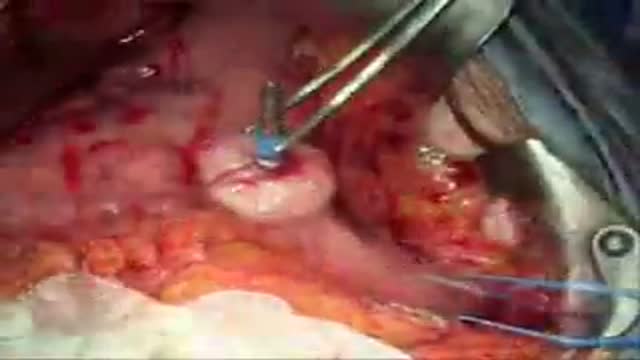
A posterior Gastroenteral side to side anastomosis is presented. The procedure is made with circular stapler. After a good hemostasis of the suture has been obtained, the gastrotony is closed with linear stapler and running suture.
