
- Physical Examination
- Surgical Examination
- Ophthalmology
- Clinical Skills
- Orthopedics
- Surgery Videos
- Laparoscopy
- Pediatrics
- Funny Videos
- Cardiothoracic Surgery
- Nursing Videos
- Plastic Surgery
- Otorhinolaryngology
- Histology and Histopathology
- Neurosurgery
- Dermatology
- Pediatric Surgery
- Urology
- Dentistry
- Oncology and Cancers
- Anatomy Videos
- Health and Fitness
- Radiology
- Anaesthesia
- Physical Therapy
- Pharmacology
- Interventional Radiology
- Cardiology
- Endocrinology
- Gynecology
- Emergency Medicine
- Psychiatry and Psychology
- Childbirth Videos
- General Medical Videos
- Nephrology
- Physiology
- Diet and Food Health
- Diabetes Mellitus
- Neurology
- Women Health
- Osteoporosis
- Gastroenterology
- Pulmonology
- Hematology
- Rheumatology
- Toxicology
- Nuclear Medicine
- Infectious Diseases
- Vascular Disease
- Reproductive Health
- Burns and Wound Healing
- Kidney Zone Podcast
- Other
Top videos
The most-watched medical videos on MedicalVideos.com — ranked by views from our community of medical students, healthcare professionals, and patients learning how the body works.
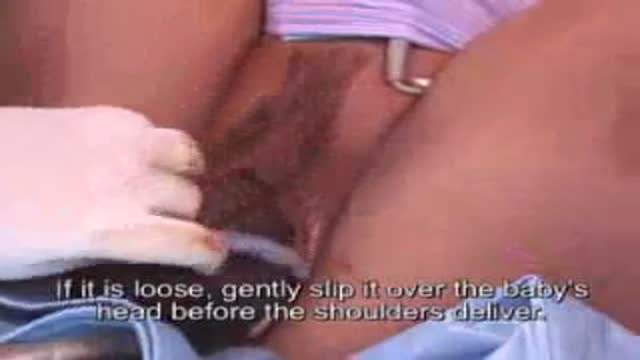

Umbilical Cord Around Fetal Neck During Delivery
الدكتور إياس الموسى من عمان، الاردن، يتحدث عن خفقان القلب، ما هي أعراضه، أسبابه وكيفية علاجه.
العديد من الأسئلة التي ترد إلى موقع الطبي تتعلق بخفقان وتسارع القلب. الدكتور إياس يشرح بإسهاب عن هذه المشكلة السائدة
Scientifically Erectile Dysfunction Penile Implants

Ehlers-Danlos syndrome is a group of disorders that affect the connective tissues that support the skin, bones, blood vessels, and many other organs and tissues. Defects in connective tissues cause the signs and symptoms of Ehlers-Danlos syndrome, which vary from mildly loose joints to life-threatening complications. Previously, there were more than 10 recognized types of Ehlers-Danlos syndrome, differentiated by Roman numerals. In 1997, researchers proposed a simpler classification that reduced the number of major types to six and gave them descriptive names: the classical type (formerly types I and II), the hypermobility type (formerly type III), the vascular type (formerly type IV), the kyphoscoliosis type (formerly type VIA), the arthrochalasia type (formerly types VIIA and VIIB), and the dermatosparaxis type (formerly type VIIC). This six-type classification, known as the Villefranche nomenclature, is still commonly used. The types are distinguished by their signs and symptoms, their underlying genetic causes, and their patterns of inheritance. Since 1997, several additional forms of the condition have been described. These additional forms appear to be rare, affecting a small number of families, and most have not been well characterized.
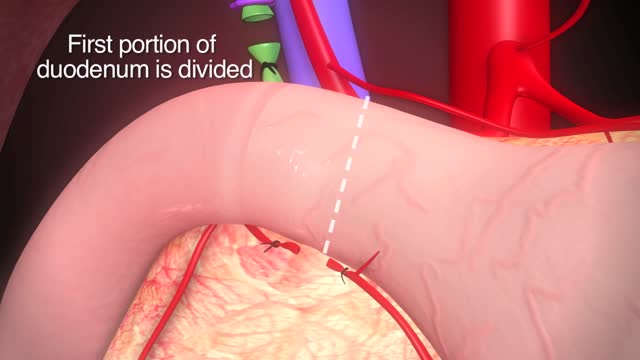
TPIAT is a procedure that lets surgeons remove the pancreas, take out islet cells, and put those islet cells into the liver.

Gastroparesis is a disorder affecting people with both type 1 and type 2 diabetes in which the stomach takes too long to empty its contents (delayed gastric emptying). The vagus nerve controls the movement of food through the digestive tract. If the vagus nerve is damaged or stops working, the muscles of the stomach and intestines do not work normally, and the movement of food is slowed or stopped. Just as with other types of neuropathy, diabetes can damage the vagus nerve if blood glucose levels remain high over a long period of time. High blood glucose causes chemical changes in nerves and damages the blood vessels that carry oxygen and nutrients to the nerves. - See more at: http://www.diabetes.org/living-with-diabetes/complications/gastroparesis.html?referrer=https://www.google.com/#sthash.rTgZiOuM.dpuf
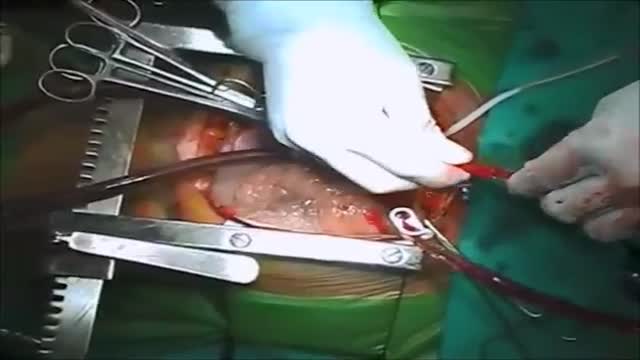
Ventricular septal rupture (VSR) is a rare but lethal complication of myocardial infarction (MI). The event occurs 2-8 days after an infarction and often precipitates cardiogenic shock. [1] The differential diagnosis of postinfarction cardiogenic shock should exclude free ventricular wall rupture and rupture of the papillary muscles. (See the image below.)
Mommy Makeover plastic surgery in NYC and is a fairly new phenomena. This video, from 5thavenue surgery; http://www.5thavesurgery.com, goes through a case study of a patient getting plastic surgery in NYC. Check out what a Mommy Makeover can do for your body and what Plastic Surgery can do for you.
Total Knee Replacement Patient Information
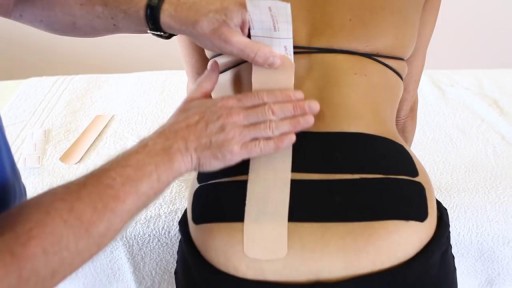
Dysfunction in the sacroiliac joint, also called the SI joint, can sometimes cause lower back and/or leg pain. Leg pain from sacroiliac joint dysfunction can be particularly difficult to differentiate from radiating leg pain caused by a lumbar disc herniation (sciatica) as they can feel quite similar.
Mr. Dan underwent 5 suregries in a single go-Both sided hernias+both sided varicocoele and one hydrocoele.Our web site: http://www.desarda.com “Complete cure from groin hernia is now possible with Dr.Desarda's repair technique.......” Mesh is a foreign body, a simple piece of cloth prepared from the synthetic threads. Therefore, its use in inguinal hernia repairs is known to cause all sorts of complications like pain, recurrence, infection etc. We have developed an innovative new technique of inguinal hernia repair without mesh. It uses your own body muscle for repair and gives virtually complete cure from inguinal hernia problem. An undetached strip of the external oblique aponeurosis is stitched on the weak area between the muscle arch and the inguinal ligament to form a new, strong and physiologically dynamic posterior wall that gives protection and prevents re-herniation. Normally patient goes home in a day after surgery and can drive car and go to office in 3-4 days time. This "Dr.Desarda's hernia repair" is now followed in many countries all over the world. We are surprised to see the enquiries from many patients in the developed countries asking for this repair in their country. This is because this operation does not use any foreign body like mesh for repair and therefore there are no complications that are seen in mesh repairs. A visit to Topix or other hernia forums show thousands of posts showing sufferings of many patients due to mesh repairs. But still why surgeons from developed countries are interested in mesh repairs is a big question for us. Please visit our website for more details: http://www.desarda.com or http://herniasurgery.tripod.com Our cell number: +91 9373322178
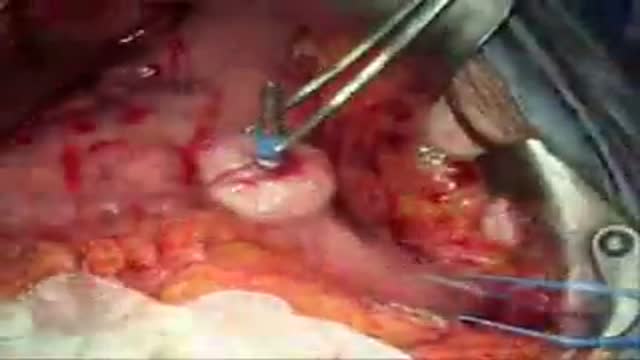
A posterior Gastroenteral side to side anastomosis is presented. The procedure is made with circular stapler. After a good hemostasis of the suture has been obtained, the gastrotony is closed with linear stapler and running suture.
A video showing the technique of BoTox injection which is widely used by plastic surgeons to make wrinkles disappear
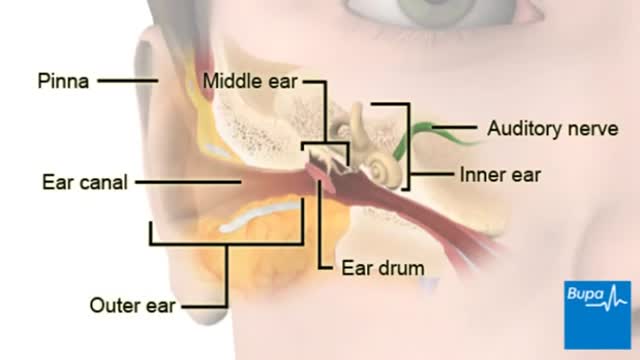
Labyrinthitis is a mild, often self-limited condition characterized by vertigo, tinnitus, nausea, and a loss of balance. The disorder often follows a viral illness (eg, influenza). Labyrinthitis may also be caused by trauma, bacterial infection, allergies, benign tumors, and certain medications .
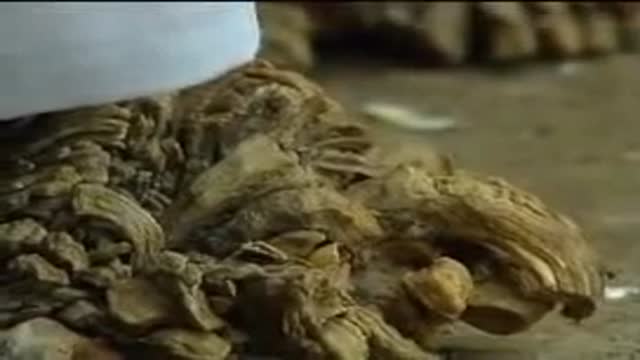
32 year old Dede Kosawa, also known as 'Tree Man', is one of the world's most extraordinary people. He lives in a remote village in Indonesia with his two children, trying to care for them. Dede, a former fisherman, has an incredible skin condition: he has root like structures growing out of his body - branches that can grow up to 5cm a year and which protrude from his hands and feet, and welts covering his whole body.
He is known locally as ‘Tree Man’ and his condition has baffled local doctors for 20 years. In an attempt to earn a living to support his family, he is part of a circus troupe, displaying his 'Tree Man' limbs along with others afflicted with skin deformities in ‘freak’ shows.
Dr Anthony Gaspari, a world expert in skin conditions from the University of Maryland travels to Indonesia to attempt to diagnose 'Tree Man' Dede’s mysterious condition. He takes skin samples for biopsies back in the USA. What will he discover?
We go on an intimate journey with the extraordinary 'Tree Man' Dede, as he tries to eek out a living in a circus troupe to support his family, and as he is given medical help by Dr Gaspari. The identification and possible cure of his condition, could change his whole life.
Half way across the world, in Romania, farmer Ion Toader is discovered to have a similar extraordinary ‘Tree Man’ condition, with growths all over his hands. He has not been able to drive a tractor for five years. A Romanian surgeon offers to give him an operation to remove his growths.
Will it be successful, and how will it change Ion’s life?
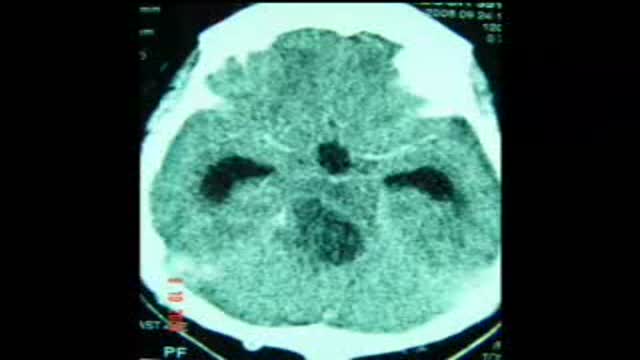
Brain Stem Tumor Operation
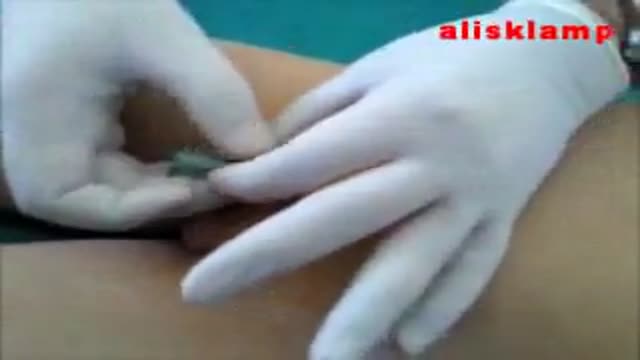
this video shows how the child circumcision is easy and safe with alisklamp
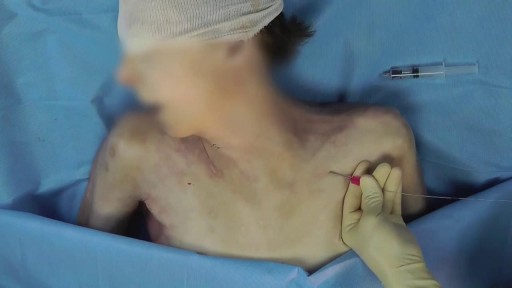
First described by Aubaniac in 1952, central venous catheterization, or central line placement, is a time-honored and tested technique of quickly accessing the major venous system. Benefits over peripheral access include greater longevity without infection, line security in situ, avoidance of phlebitis, larger lumens, multiple lumens for rapid administration of combinations of drugs, a route for nutritional support, fluid administration, and central venous pressure (CVP) monitoring. Central vein catheterization is also referred to as central line placement. Overall complication rates are as high as 15%, [1, 2, 3, 4] with mechanical complications reported in 5-19% of patients, [5, 6, 7] infectious complications in 5-26%, [1, 2, 4] and thrombotic complications in 2-26%. [1, 8] These complications are all potentially life-threatening and invariably consume significant resources to treat. Placement of a central vein catheter is a common procedure, and house staff require substantial training and supervision to become facile with this technique. A physician should have a thorough foreknowledge of the procedure and its complications before placing a central vein catheter. The supraclavicular approach was first put into clinical practice in 1965 and is an underused method for gaining central access. It offers several advantages over the infraclavicular approach to the subclavian vein. At the insertion site, the subclavian vein is closer to the skin, and the right-side approach offers a straighter path into the subclavian vein. In addition, this site is often more accessible during cardiopulmonary resuscitation (CPR) and during active surgical cases. Finally, in patients who are obese, this anatomic area is less distorted.
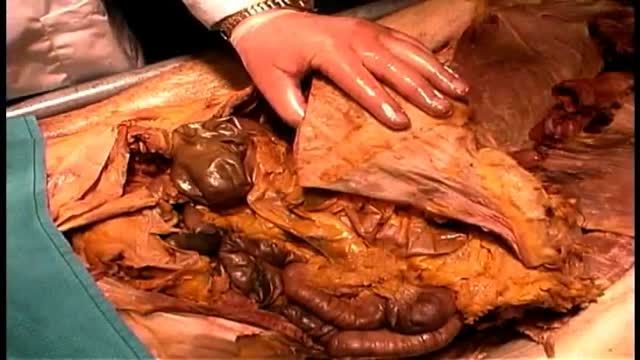
Anatomy of The Gastrointestinal Tract GIT
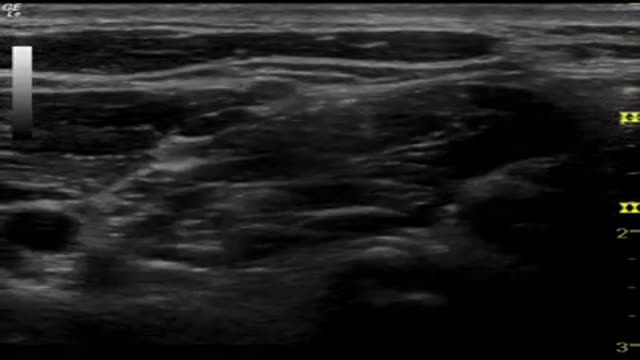
Ultra Sound-Guided Interscalene Block
Medical Videos
Free medical and surgery videos for patients, students and professionals — trusted since 2007.
Founded by Dr. Mohamed Ibrahim, MD, PhD — physician-scientist.
Follow us on Facebook · Instagram