
- Physical Examination
- Surgical Examination
- Ophthalmology
- Clinical Skills
- Orthopedics
- Surgery Videos
- Laparoscopy
- Pediatrics
- Funny Videos
- Cardiothoracic Surgery
- Nursing Videos
- Plastic Surgery
- Otorhinolaryngology
- Histology and Histopathology
- Neurosurgery
- Dermatology
- Pediatric Surgery
- Urology
- Dentistry
- Oncology and Cancers
- Anatomy Videos
- Health and Fitness
- Radiology
- Anaesthesia
- Physical Therapy
- Pharmacology
- Interventional Radiology
- Cardiology
- Endocrinology
- Gynecology
- Emergency Medicine
- Psychiatry and Psychology
- Childbirth Videos
- General Medical Videos
- Nephrology
- Physiology
- Diet and Food Health
- Diabetes Mellitus
- Neurology
- Women Health
- Osteoporosis
- Gastroenterology
- Pulmonology
- Hematology
- Rheumatology
- Toxicology
- Nuclear Medicine
- Infectious Diseases
- Vascular Disease
- Reproductive Health
- Burns and Wound Healing
- Other
Top videos
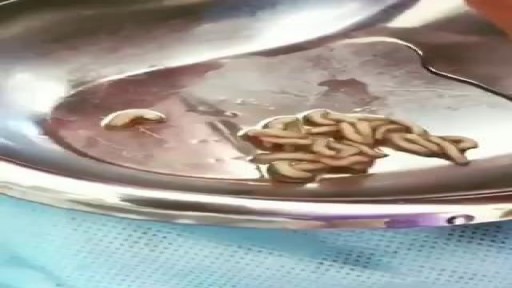

why you should keep your ears clean.
This 35 years old man lost his right wrist in metal lathe cut machine. the video is taken about 2 years after replantation. You can see another videos in my site: https://drliaghatclinic.com, https://instagram.com/liaghatclinic, https://t.me/liaghatclinic

A 28 years old man lost his right arm with a conveyor device in 2014. The video is taken 2 years after replantation. You can see another videos in my site: https://drliaghatclinic.com, https://instagram.com/liaghatclinic, https://t.me/liaghatclinic
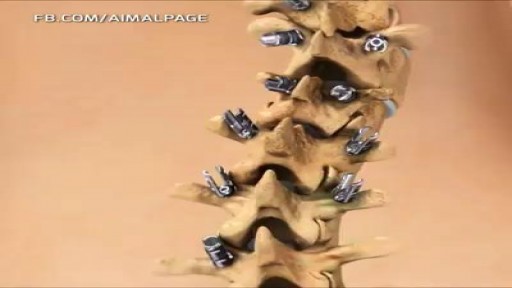
Scoliosis is a sideways curvature of the spine that occurs most often during the growth spurt just before puberty. While scoliosis can be caused by conditions such as cerebral palsy and muscular dystrophy, the cause of most scoliosis is unknown. Most cases of scoliosis are mild, but some children develop spine deformities that continue to get more severe as they grow. Severe scoliosis can be disabling. An especially severe spinal curve can reduce the amount of space within the chest, making it difficult for the lungs to function properly. Children who have mild scoliosis are monitored closely, usually with X-rays, to see if the curve is getting worse. In many cases, no treatment is necessary. Some children will need to wear a brace to stop the curve from worsening. Others may need surgery to keep the scoliosis from worsening and to straighten severe cases of scoliosis.
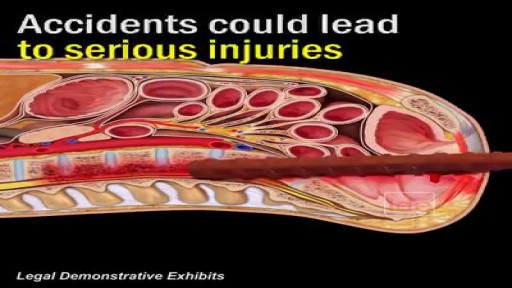
Always remember: safety first. (Warning: Graphic)
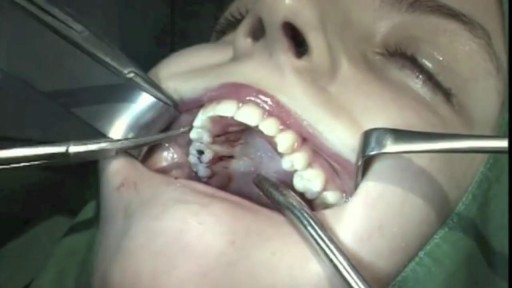
Simply put, there isn’t enough room for wisdom teeth because our jaws don’t grow to be big enough to have enough space for them to come in. Since there isn’t enough room for them to erupt properly, wisdom teeth tend to come in at an angle or they don’t fully emerge, which causes problems for the rest of the mouth. Third molars (the wisdom teeth) routinely damage the teeth right next door, called second molars. Dentists recommend removing wisdom teeth before they become a problem and to avoid a more complicated surgery. Read more at Ask the Dentist: https://askthedentist.com/wisdom-teeth-removal/
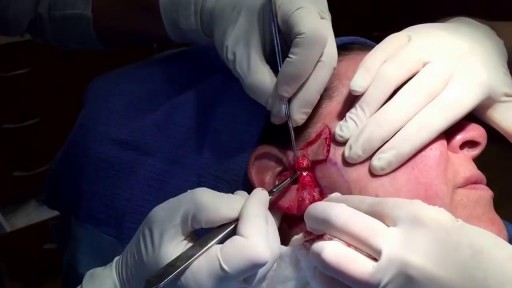
Mini Face Lift Surgery -- Short Scars -- No Anesthesia
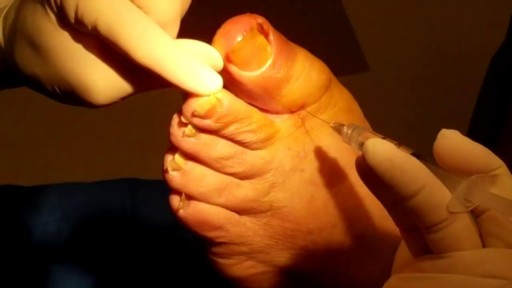
Ingrown toenails occur in both men and women. According to the National Health Services (NHS), ingrown toenails may be more common in people with sweaty feet, such as teenagers. Older people may also be at higher risk because toenails thicken with age. Many things can cause an ingrown toenail, including: cutting toenails incorrectly (Cut straight across, since angling the sides of the nail can encourage the nail to grow into the skin.) irregular, curved toenails footwear that places a lot of pressure on the big toes, such as socks and stockings that are too tight or shoes that are too tight, narrow, or flat for your feet toenail injury, including stubbing your toe, dropping something heavy on your foot, or kicking a ball repeatedly poor posture improper foot hygiene, such as not keeping your feet clean or dry genetic predisposition
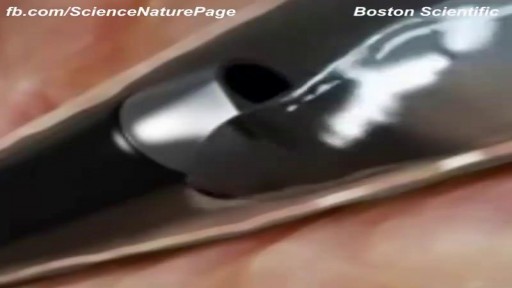
How surgeons remove kidney stones كيف يقوم الجراحون بإزالة حصى الكلى see more http://www.kidneymy.com/

wearable dialysis - and we expect to begin clinical trials in 2018 see more http://www.kidneymy.com/
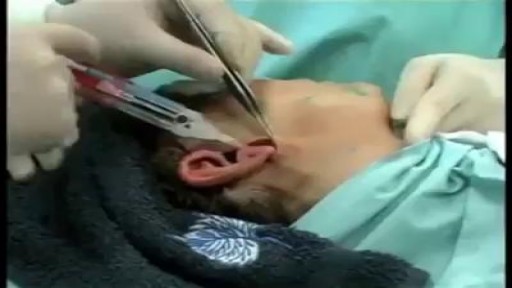
Cosmetic facial plastic surgery is surgery performed to enhance visual appearance of the facial structures and features. Common procedures include facelifts, eye lifts, rhinoplasty, chin and cheek implants, liposuction, and procedures to correct facial wrinkles.
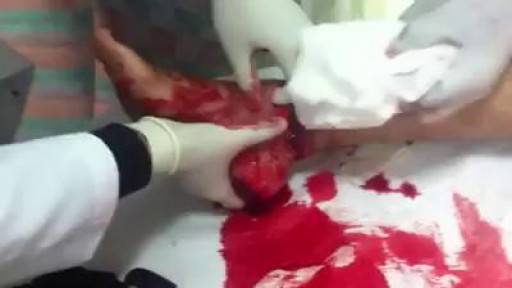
Broken or Dislocated Ankle Joint
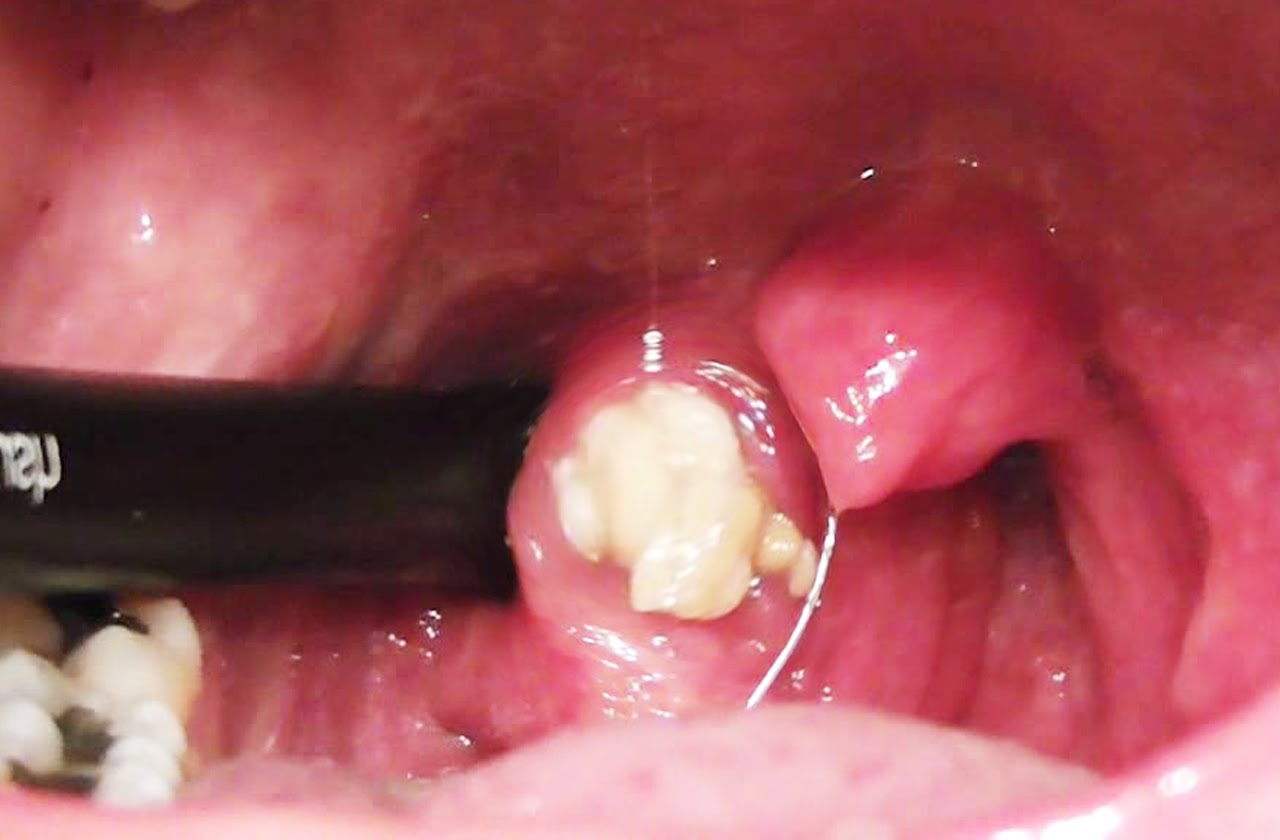
Watch that Extreme Tonsil Stone Removal Procedure
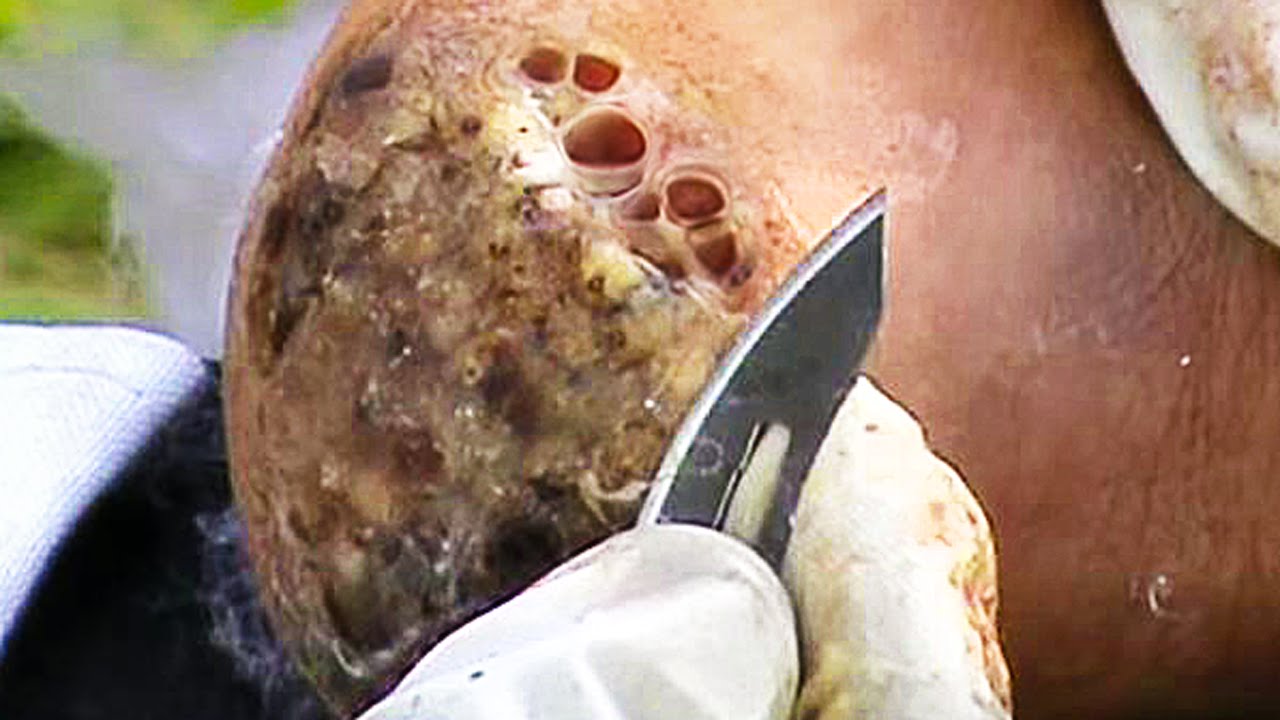
Watch that Skin Jiggers Removal Procedure
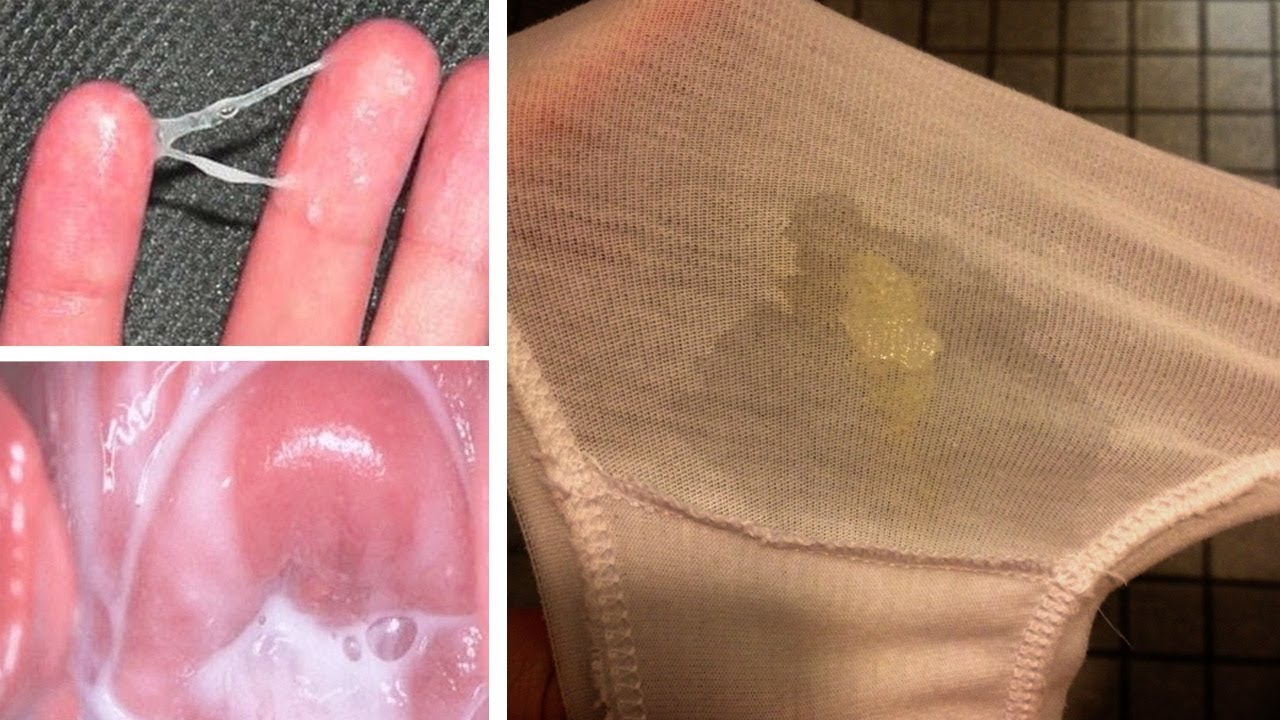
Watch that video to know What is Vaginal Discharge and how to Get Rid of it ?
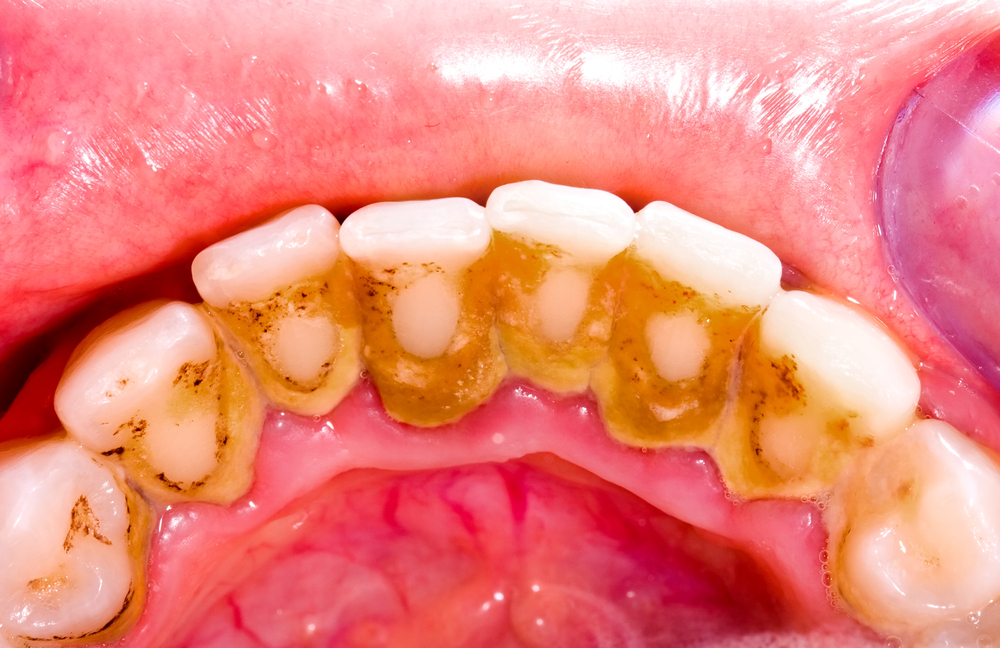
Watch that video to know How to Remove Teeth Plaque Naturally
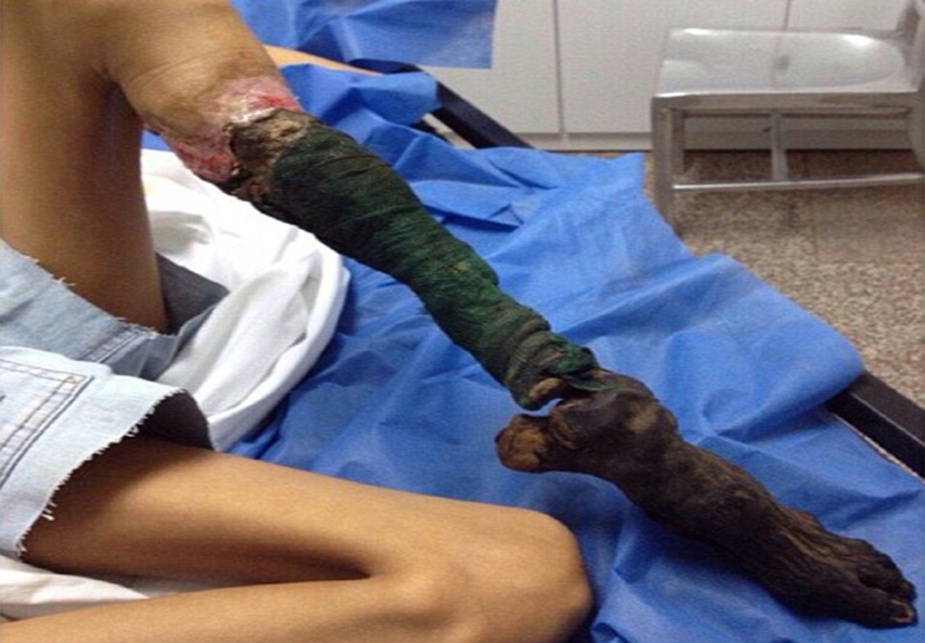
Watch that video of a Snake bite causes girl’s leg to rot away
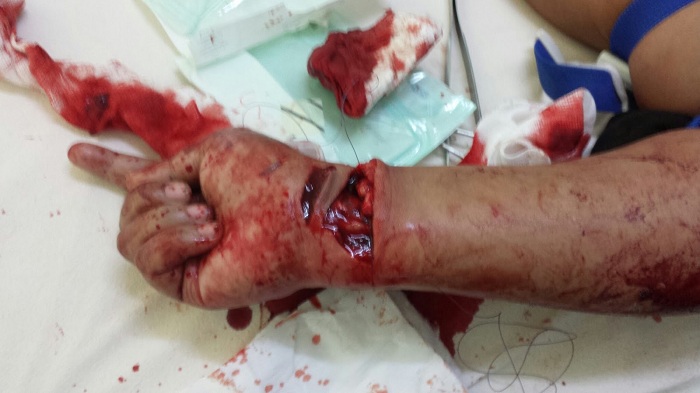
Watch that video to know How to Stop Arterial Bleeding

Body Restoration Physiotherapy has successfully been serving the area of St. Albert and Edmonton for over 23 years. They offer services such as; vestibular rehabilitation, physiotherapy, registered massage therapy, acupuncture, radial shockwave therapy, and IMS therapy. Many individuals come to Body Restoration when in need of any physical therapy services.
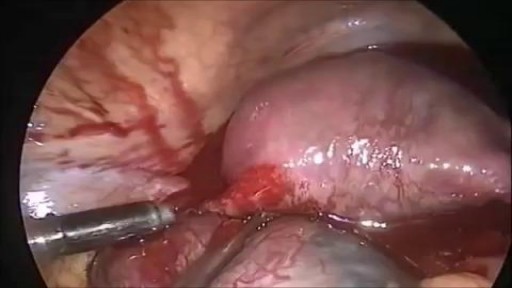
Watch that Ectopic Baby Medical Abortion Surgery
