
I migliori video
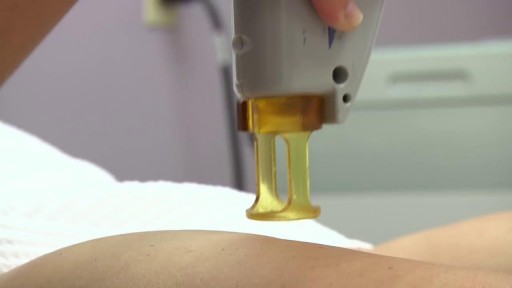

Laser Hair Removal for Dark Skin with YAG Laser
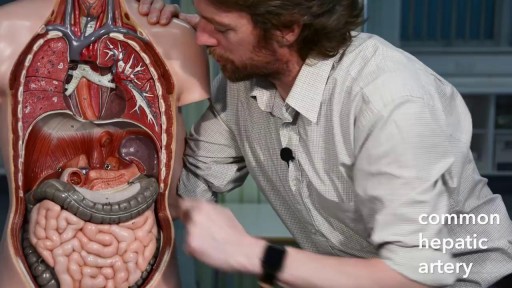
The primary functions of the liver are: Bile production and excretion. Excretion of bilirubin, cholesterol, hormones, and drugs. Metabolism of fats, proteins, and carbohydrates. Enzyme activation. Storage of glycogen, vitamins, and minerals. Synthesis of plasma proteins, such as albumin, and clotting factors.
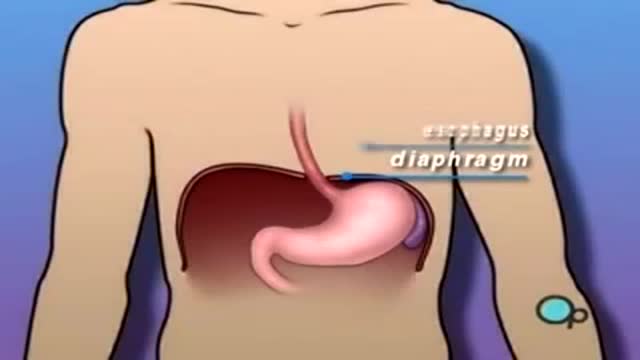
A hiatus hernia or hiatal hernia is the protrusion (or herniation) of the upper part of the stomach into the thorax through the esophageal hiatus because of a tear or weakness in the diaphragm. Hiatus hernias often result in heartburn but may also cause chest pain or pain with eating. The most common cause is obesity.

This podcast discusses the actions and goals of the Centers for Disease Control and Prevention, related to the current outbreak of H1N1 flu (swine flu).
Dr.Prof Abdelsalam AL Howni
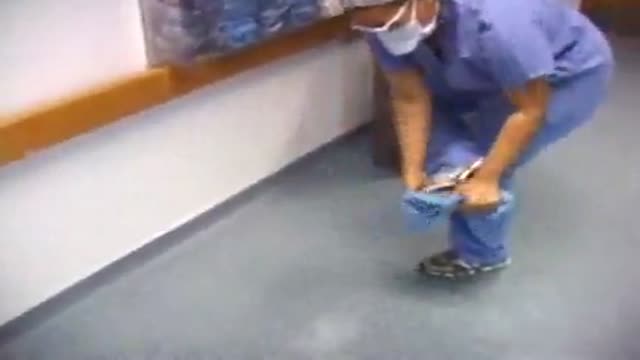
Shoe Covers How To
Axillary Cannulation: Antegrade Flow and Brain Protection
Tampa body sculpting is the specialty of Dr. Thomas Su of the Artistic Lipo Sculpting Center. Dr. Su’s dedication to body contouring has allowed him to finely hone his craft over the years, making him the most trusted Tampa lipo surgeon. To learn more about Tampa fat removal procedures, visit http://www.artlipo.com/liposuction/liposuction-body-areas/lipo-abdomen.html.
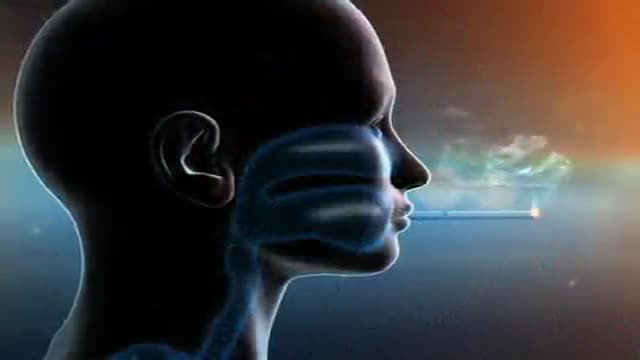
Smoking and Breast Feeding
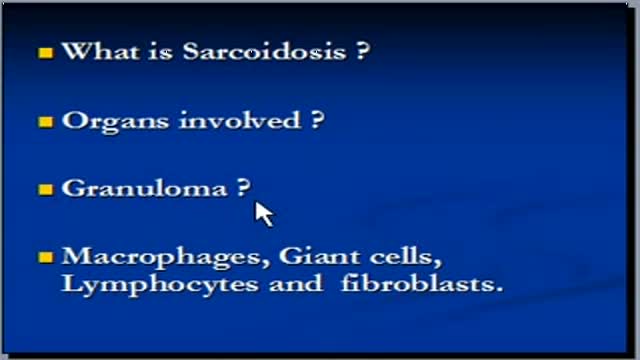
The video will describe what is sarcoidosis. Please see my website for disclaimer.
Watch that video of Mystery of Ice Frozen woman came back to life
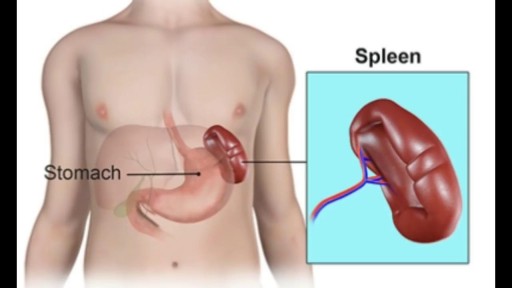
The spleen plays multiple supporting roles in the body. It acts as a filter for blood as part of the immune system. Old red blood cells are recycled in the spleen, and platelets and white blood cells are stored there. The spleen also helps fight certain kinds of bacteria that cause pneumonia and meningitis
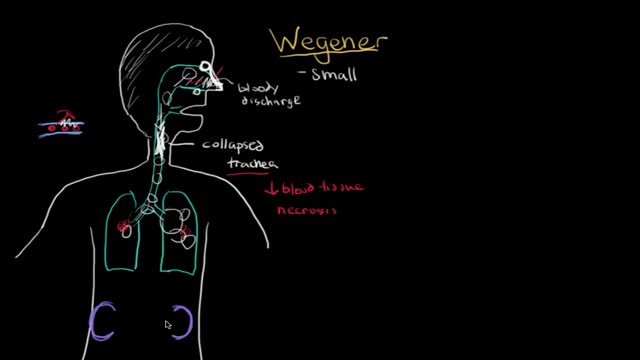
Microscopic polyangiitis (MPA) is vasculitis of small vessels. It was initially considered as a microscopic form of polyarteritis nodosa (PAN). In 1990, the American College of Rheumatology developed classification criteria for several types of systemic vasculitis but did not distinguish between polyarteritis nodosa and microscopic polyarteritis nodosa. [1] In 1994, a group of experts held an international consensus conference in Chapel Hill, North Carolina, to attempt to redefine the classification of small vessel vasculitides. [2, 3]
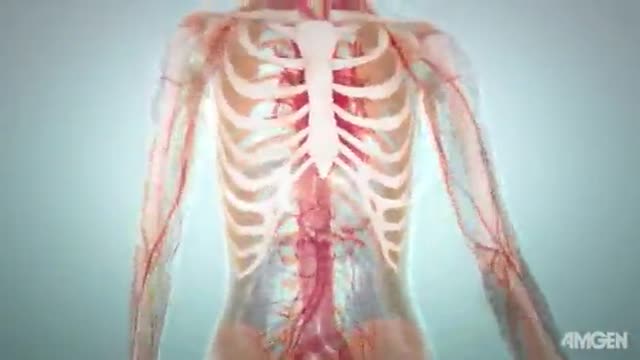
Bone Remodeling and Modeling
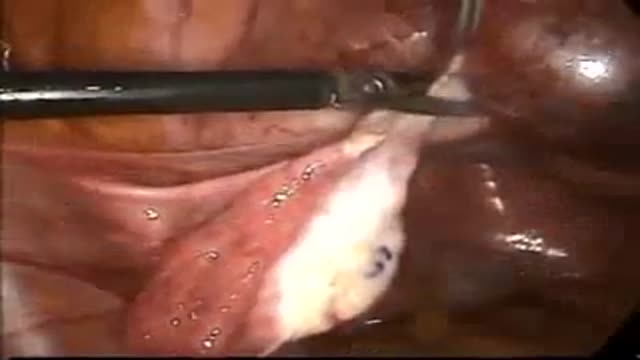
Ectopic Pregnancy in left Cornu Laparoscopic Surgery
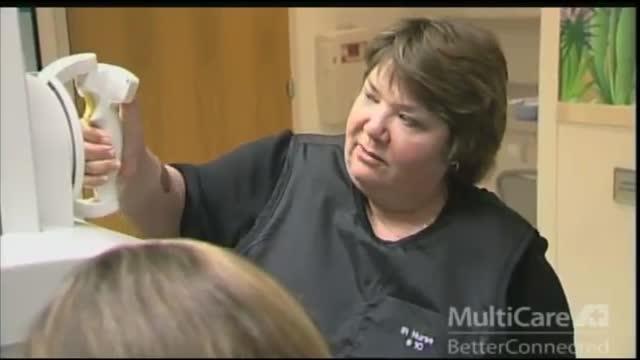
A VCUG (Voiding Cystourethrogram) is a test that looks at how well your child's kidneys, ureters and bladder are working. Your child's kidneys make urine. The urine flows from the kidneys through thin tubes (called ureters) into your child's bladder.
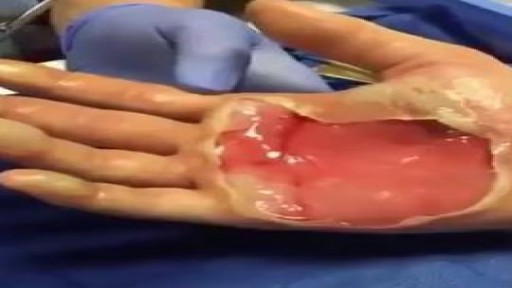
Second-degree burns (also known as partial thickness burns) involve the epidermis and part of the dermis layer of skin. The burn site appears red, blistered, and may be swollen and painful.

bad breath odor
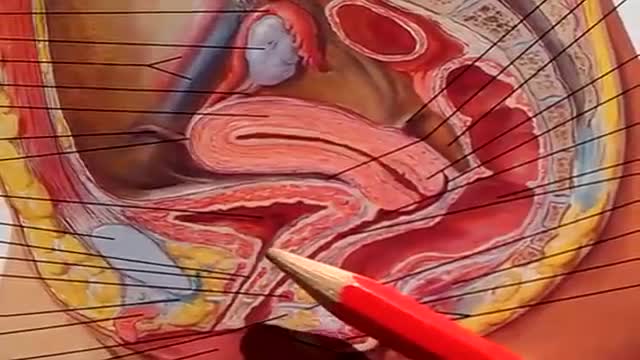
The urinary bladder is a hollow muscular organ that collects urine from the kidneys before disposal by urination. A hollow muscular, and distensible (or elastic) organ, the bladder sits on the pelvic floor. Urine enters the bladder via the ureters and exits via the urethra.
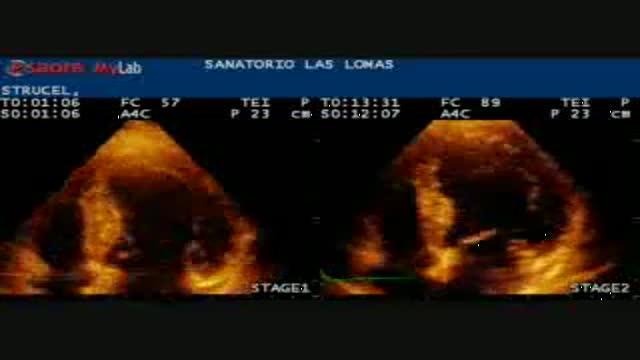
Non Invasive.
Most Accurate diagnosis in Coronary Disease
Guillermo Ortiz MD
Argentina
