
En iyi videolar


Acute intermittent porphyria (AIP) is a rare autosomal dominant metabolic disorder affecting the production of heme, the oxygen-binding prosthetic group of hemoglobin. It is characterized by a deficiency of the enzyme porphobilinogen deaminase.

Colorectal cancer (also known as colon cancer, rectal cancer or bowel cancer) is the development of cancer in the colon or rectum (parts of the large intestine). It is due to the abnormal growth of cells that have the ability to invade or spread to other parts of the body. People with HNPCC tend to develop colon cancer before age 50. Familial adenomatous polyposis (FAP). FAP is a rare disorder that causes you to develop thousands of polyps in the lining of your colon and rectum. People with untreated FAP have a greatly increased risk of developing colon cancer before age 40.

Psychotic Depression Information

DMC Orthopedic Specialist and Detroit Tigers team physician Dr. Stephen Lemos repairs a young patient's damaged shoulder using a minimally-invasive arthroscopic technique. ~ Detroit Medical Center
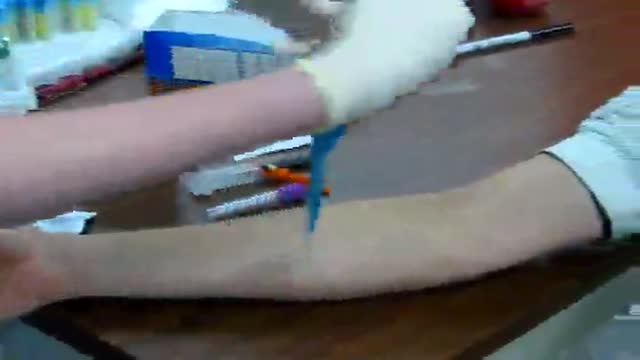
Drawing Blood Sample Venipuncture

Continuous Suture

Knee Replacement Surgery Video

an incision made on the back of the lower leg starting just above the heel bone. After the surgeon finds the two ends of the ruptured tendon, these ends are sewn together with sutures. The incision is then closed. Another repair method makes a small incision on the back of the lower leg at the site of the rupture.


USMLE Step 2 CS - Pediatric Diarrhea This is just preview video. To get full access please visit our website : www.usmletutoring.com

Wilson's disease is a rare inherited disorder that causes too much copper to accumulate in your liver, brain and other vital organs. Symptoms typically begin between the ages of 12 and 23. Copper plays a key role in the development of healthy nerves, bones, collagen and the skin pigment melanin. Normally, copper is absorbed from your food, and any excess is excreted through bile — a substance produced in your liver.
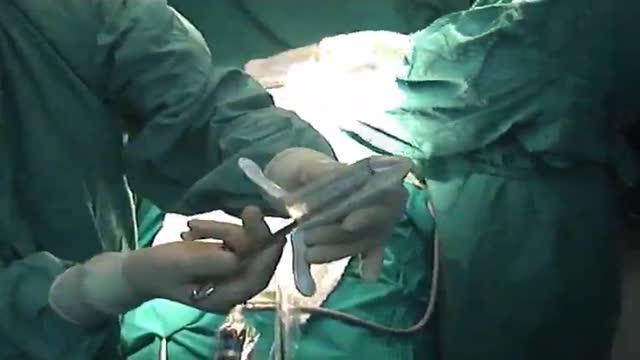
Special Anoscope for Easy Purse string Suture Application in Stapled Hemorrhoidopexy
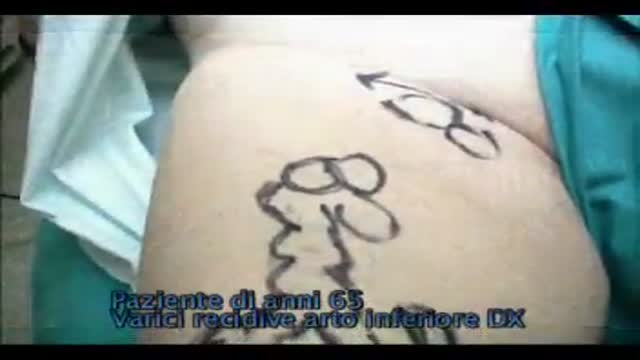
Recurrent varicose veins are a common problem. The patient in this video was operated for great saphenous vein insufficiency and a “neocrosse” occurred after few years. Surgical exploration revealed a “cavernoma” just over the nodes of the crural area, feeding varicose veins of thigh and leg.

The Heart How It Works

Diabetic neuropathy is a type of nerve damage that can occur if you have diabetes. High blood sugar (glucose) can injure nerve fibers throughout your body, but diabetic neuropathy most often damages nerves in your legs and feet. Depending on the affected nerves, symptoms of diabetic neuropathy can range from pain and numbness in your extremities to problems with your digestive system, urinary tract, blood vessels and heart. For some people, these symptoms are mild; for others, diabetic neuropathy can be painful, disabling and even fatal. Diabetic neuropathy is a common serious complication of diabetes. Yet you can often prevent diabetic neuropathy or slow its progress with tight blood sugar control and a healthy lifestyle.

Colonoscopy Showing Moving Parasites

HD Gynecomastia Surgery
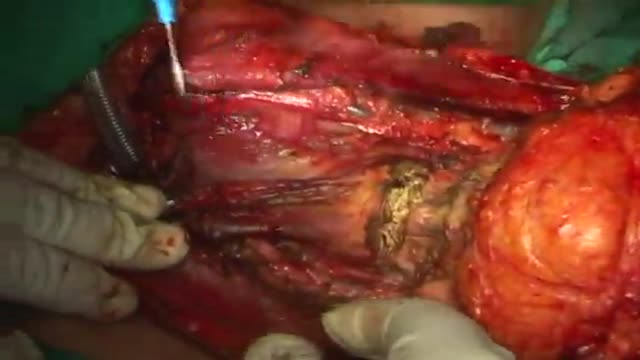
Laringectomia total ampliada en carcinoma laringeo avanzado T4a. Hospital Dr Sotero del Rio

During surgery to repair the hernia, the bulging tissue is pushed back in. Your abdominal wall is strengthened and supported with sutures (stitches), and sometimes mesh. This repair can be done with open or laparoscopic surgery. You and your surgeon can discuss which type of surgery is right for you.
Key facts
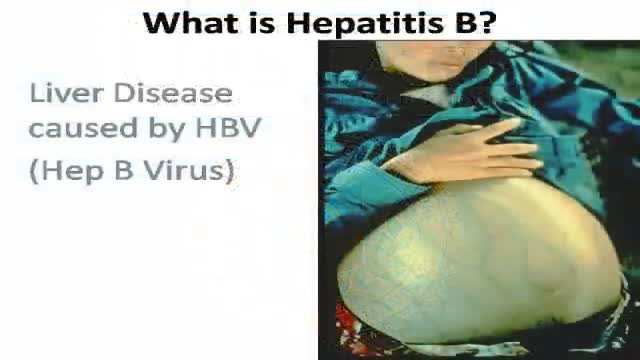
Hepatitis B is a viral infection that attacks the liver and can cause both acute and chronic disease.
The virus is transmitted through contact with the blood or other body fluids of an infected person - not through casual contact.
About 2 billion people worldwide have been infected with the virus and about 350 million live with chronic infection. An estimated 600 000 persons die each year due to the acute or chronic consequences of hepatitis B.
About 25% of adults who become chronically infected during childhood later die from liver cancer or cirrhosis (scarring of the liver) caused by the chronic infection.
The hepatitis B virus is 50 to 100 times more infectious than HIV.
Hepatitis B virus is an important occupational hazard for health workers.
Hepatitis B is preventable with a safe and effective vaccine.
-----------------------------------
Hepatitis B is a potentially life-threatening liver infection caused by the hepatitis B virus. It is a major global health problem and the most serious type of viral hepatitis. It can cause chronic liver disease and puts people at high risk of death from cirrhosis of the liver and liver cancer.
Worldwide, an estimated two billion people have been infected with the hepatitis B virus (HBV), and more than 350 million have chronic (long-term) liver infections.
A vaccine against hepatitis B has been available since 1982. Hepatitis B vaccine is 95% effective in preventing HBV infection and its chronic consequences, and is the first vaccine against a major human cancer.
