- Physical Examination
- Surgical Examination
- Ophthalmology
- Clinical Skills
- Orthopedics
- Surgery Videos
- Laparoscopy
- Pediatrics
- Funny Videos
- Cardiothoracic Surgery
- Nursing Videos
- Plastic Surgery
- Otorhinolaryngology
- Histology and Histopathology
- Neurosurgery
- Dermatology
- Pediatric Surgery
- Urology
- Dentistry
- Oncology and Cancers
- Anatomy Videos
- Health and Fitness
- Radiology
- Anaesthesia
- Physical Therapy
- Pharmacology
- Interventional Radiology
- Cardiology
- Endocrinology
- Gynecology
- Emergency Medicine
- Psychiatry and Psychology
- Childbirth Videos
- General Medical Videos
- Nephrology
- Physiology
- Diet and Food Health
- Diabetes Mellitus
- Neurology
- Women Health
- Osteoporosis
- Gastroenterology
- Pulmonology
- Hematology
- Rheumatology
- Toxicology
- Nuclear Medicine
- Infectious Diseases
- Vascular Disease
- Reproductive Health
- Burns and Wound Healing
- Other
Top videos


Breech Baby Position Exercise

Breech Baby Position Exercise!
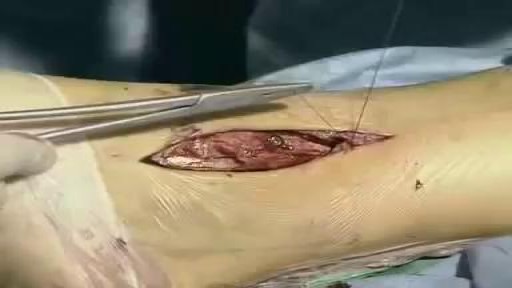
Unstable ankle joints after internal fixation of type B malleolar fractures exist. Residual instability most often occurs after trimalleolar fractures with initial joint dislocation. Treatment with an additional positioning screw generally produced a satisfactory result.

How to Use a Menstrual Cup Fold and hold. Always start by washing your hands. ... Insert and ensure. As with tampons, gently insert the folded cup into your vagina, tilting it back to the base of your spine. ... Use it up to twelve hours. ... Remove and empty. ... Re-insert.
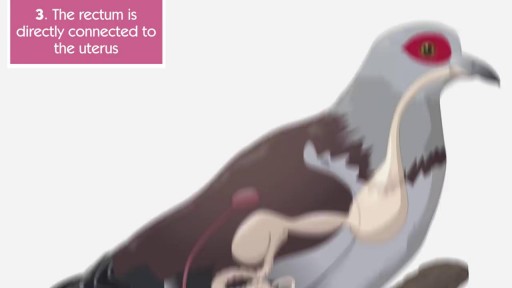
The anus is close to the vagina and sometimes it’s hard to say what’s going on inside the body. Is it possible to get pregnant from anal sex? The answer is yes and this video explains the circumstances. Please protect yourselves and stay curious.
Anytime you're having unprotected sex, there's always a chance that a woman can get pregnant. Pregnancy requires sperm and egg to meet up together so a woman needs to be during her most fertile time of the month, which is usually 6 days out of the month; 5 days leading up to ovulation and on the day of ovulation. For most women, ovulation happens 12-16 days before her period's going to start. So a woman is usually most fertile for a week to a week and a half after her period has ended generally speaking, if you don't want to count each and every single day. So if you have unprotected intercourse during this time, then there's a high probability that a woman can get pregnant. Now, you mentioned that your girlfriend is supposed to start her period in about five days or so. If you've had intercourse any time leading up to this, there's always a chance that she could get pregnant. But as for the mechanics of it all, in order to get pregnant, semen needs to be inserted inside the vaginal canal where the egg and sperm can then meet. So if that did not happen, then the chances of her getting pregnant are slim. But if that has happened, the chances of her getting pregnant are great. So it would be best for you and her to just wait until her period is supposed to start and if she's late, then take an over-the-counter pregnancy test and if it's positive, congratulations to both of you! If it's negative and she still doesn't start her period, then tell her to wait about 5-7 days. Take another test and then maybe at that point, it will be positive if she is indeed pregnant. If she continues to not have a period or she's concerned about anything, it would be best for her to follow up with her doctor and they can decide if further investigation or treatment is warranted. If you have any other questions for me, feel free to ask them on our Facebook page at facebook.com/intermountainmoms and recommend us to your friends and family, too.

There's a small area called the Grafenberg spot, or G-spot, inside the vagina. It's located about an inch or so inside the vaginal opening on the upper vaginal wall — closest to the bellybutton. The G-spot is sexually sensitive and swells slightly during arousal and feels raised or bumpy
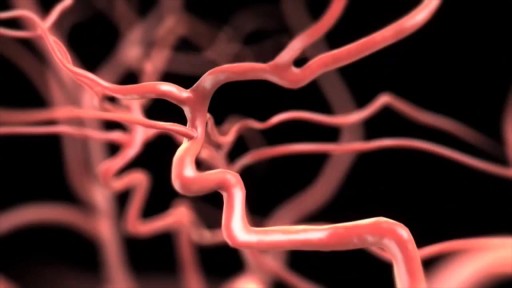
Narrated animation of stroke intervention. Video supplied by Covidien, showing the Solitaire mechanical thrombectomy device, which was the first FDA-approved device for such an indication.
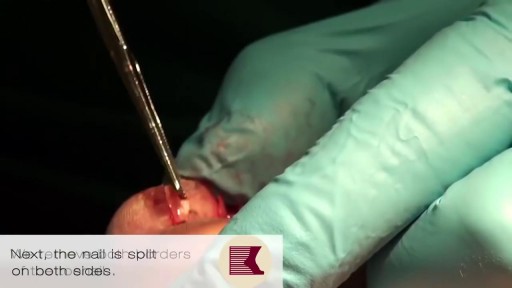
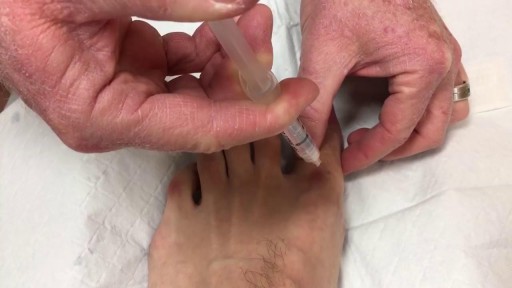
This video contains some graphic images of an ingrown toenail procedure. Ingrown toenails are a common and painful issue that many people experience. If you're suffering from chronic ingrown toenails that make it difficult to do the things you love

on bald hair loss man at 408-356-8600 by Dr. Diep with photos, of middle eastern man, Asian, Caucasian, Hispanic & Black, most advance hair treatment, treating male pattern baldness, bald head hair loss, receding hairline.

Few facts and information are summed up in this short video related to Mental Health, Psychiatry and Depression.
Skin cancer is the most common type of cancer. There are three major types of skin cancer — Basal Cell Carcinoma, Squamous Cell Carcinoma and melanoma. Out of these, Melanoma is the deadliest form of skin cancer. Melanoma appears on the skin as a new spot or growth or a change in an already existing mole. It is often fast growing and can spread to other parts of your body, including your bones, liver, and lungs to form a new cancer.

Lack of sunshine causes skin cancer, according to Andreas Moritz. In this video from 2009, he explains why being in the sun is actually good for you and your skin. Find out why your sunscreen is doing more harm than good. Also, you need vitamin D to prevent cancer, and sunscreen may interfere with your exposure to vitamin D from the sun.
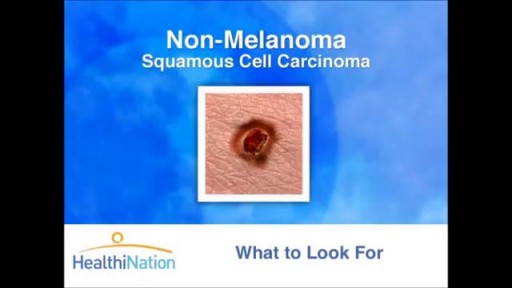
The Skin Cancer Foundation, founded in 1979 by dermatologist and Mohs surgeon Perry Robins, MD, is a global organization solely devoted to educating the public and medical community about skin cancer prevention, early detection, and treatment

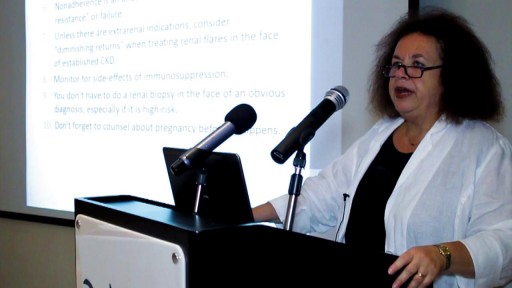


The first stage of labor is the longest and involves three phases: Early Labor Phase –The time of the onset of labor until the cervix is dilated to 3 cm. Active Labor Phase – Continues from 3 cm. until the cervix is dilated to 7 cm.