
- Physical Examination
- Surgical Examination
- Ophthalmology
- Clinical Skills
- Orthopedics
- Surgery Videos
- Laparoscopy
- Pediatrics
- Funny Videos
- Cardiothoracic Surgery
- Nursing Videos
- Plastic Surgery
- Otorhinolaryngology
- Histology and Histopathology
- Neurosurgery
- Dermatology
- Pediatric Surgery
- Urology
- Dentistry
- Oncology and Cancers
- Anatomy Videos
- Health and Fitness
- Radiology
- Anaesthesia
- Physical Therapy
- Pharmacology
- Interventional Radiology
- Cardiology
- Endocrinology
- Gynecology
- Emergency Medicine
- Psychiatry and Psychology
- Childbirth Videos
- General Medical Videos
- Nephrology
- Physiology
- Diet and Food Health
- Diabetes Mellitus
- Neurology
- Women Health
- Osteoporosis
- Gastroenterology
- Pulmonology
- Hematology
- Rheumatology
- Toxicology
- Nuclear Medicine
- Infectious Diseases
- Vascular Disease
- Reproductive Health
- Burns and Wound Healing
- Other
Top videos


Restrictive cardiomyopathy (RCM) is a rare form of heart muscle disease that is characterized by restrictive filling of the ventricles. In this disease the contractile function (squeeze) of the heart and wall thicknesses are usually normal, but the relaxation or filling phase of the heart is very abnormal.

A simple continuous stitch can be a useful technique for skin closure when speed is important, e.g. closing a scalp laceration on a screaming child. The simple running, or continuous suture, is begun in the same way as a simple interrupted suture.
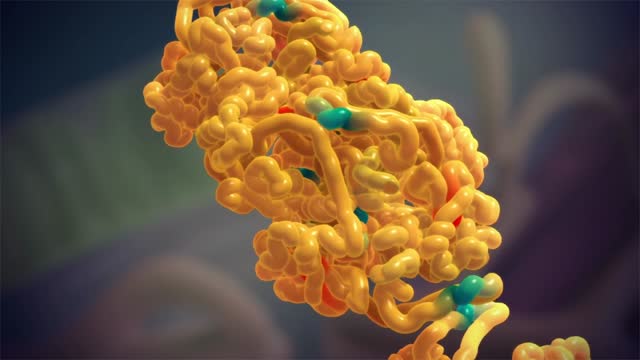
Amyloidosis (am-uh-loi-DO-sis) is a rare disease that occurs when a substance called amyloid builds up in your organs. Amyloid is an abnormal protein that is usually produced in your bone marrow and can be deposited in any tissue or organ. Amyloidosis can affect different organs in different people, and there are different types of amyloid. Amyloidosis frequently affects the heart, kidneys, liver, spleen, nervous system and digestive tract. Severe amyloidosis can lead to life-threatening organ failure.
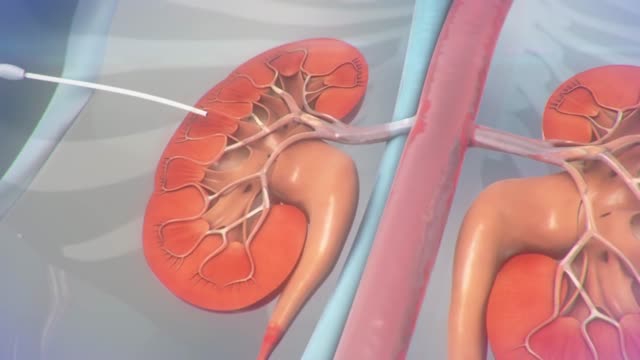
A ureteral stent is a thin, hollow tube that is placed in the ureter to help urine pass from the kidney into the bladder. Ureters are the tubes that connect the kidneys to the bladder. You may have a small amount of blood in your urine for 1 to 3 days after the procedure.

Things Every New Mother Needs to Know
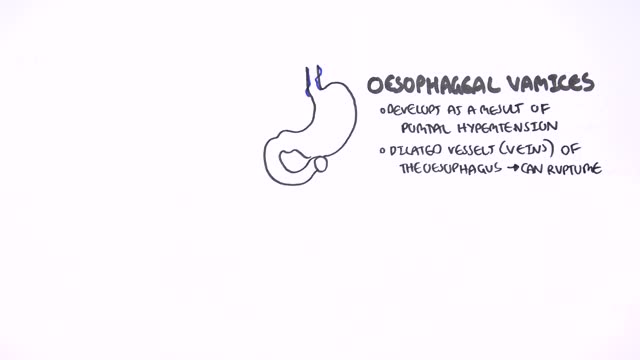
This could be caused by an infection, food poisoning, parasites, Crohn's disease, or reduced blood flow in the colon. Hemorrhoids are another common cause of GI or rectal bleeding. A hemorrhoid is an enlarged vein in your rectum or anus. These enlarged veins can rupture and bleed, causing rectal bleeding.

Hodgkin's lymphoma — formerly known as Hodgkin's disease — is a cancer of the lymphatic system, which is part of your immune system. In Hodgkin's lymphoma, cells in the lymphatic system grow abnormally and may spread beyond the lymphatic system. As Hodgkin's lymphoma progresses, it compromises your body's ability to fight infection. Hodgkin's lymphoma is one of two common types of cancers of the lymphatic system. The other type, non-Hodgkin's lymphoma, is far more common. Advances in diagnosis and treatment of Hodgkin's lymphoma have helped give people with this diagnosis the chance for a full recovery. The prognosis continues to improve for people with Hodgkin's lymphoma.
The cell membrane is selectively permeable to ions and organic molecules and controls the movement of substances in and out of cells. The basic function of the cell membrane is to protect the cell from its surroundings. It consists of the phospholipid bilayer with embedded proteins.

http://control-blood-sugar.good-info.co Low Blood Sugar Symptoms, Low Sugar Symptoms, Normal Sugar Range, Blood Sugar Levels Chart get rid of their high and uncontrollable blood sugar in as little as 3 weeks. No matter how old you are or the severity of your blood sugar condition. Even if your doctor has told you that your blood sugar condition is permanent and incurable (Which really isn’t true) Even if your blood sugar hasn’t changed a bit from past treatments and methods. You can now finally say goodbye to the countless trips to your doctor. You can now say good bye to the depression and tiredness that uncontrollable blood sugar brings to you. You can now completely dodge dangerous diabetes surgeries and weight loss treatments which not only make your condition worse,but can also kill you. Just imagine. The shock on your friends and families faces when they see a slimmer and fitter you. Imagine the shock on your doctor’s face when your blood sugar readings are normal at any time of the day. Imagine finally being able to do the physical activities you once couldn’t do because of your uncontrollable blood sugar. Imagine how much more happier you will be waking up in the morning and eager to begin your day. destroy your high blood sugar! click here. http://control-blood-sugar.good-info.co
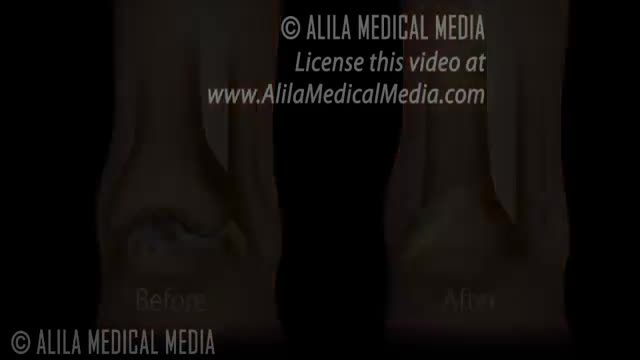
Ankle fusion (arthrodesis) This is a surgical procedure which joins together the main bones of the ankle joint (the tibia and the talus). However, depending on the technique your surgeon will use, occasionally the fibula will be included in this procedure. The two joint surfaces which generate the pain are removed.
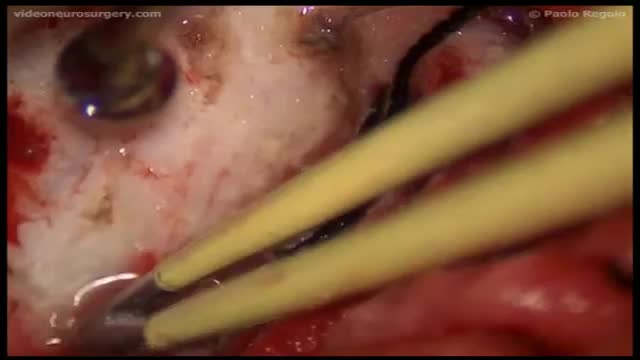
Chordoid meningioma, classified as atypical meningioma according to the World Health Organisation (WHO) classification, is a rare subtype, which represents only 0.5% of all meningiomas and is associated with a high incidence of recurrence. Multiple intracranial meningiomas are rare in non-neurofibromatosis patients. We present a female patient with both of these rare types of meningioma. The patient presented with two concurrent intracranial meningiomas, with one a meningotheliomatous subtype and the other a chordoid meningioma. Given the wide array of histological differential diagnoses in chordoid meningioma, immunohistochemistry has a significant role to play in differentiating them. Recurrence in chordoid meningioma can be generally predicted based on the extent of resection, the percentage of chordoid element, and proliferation indices.
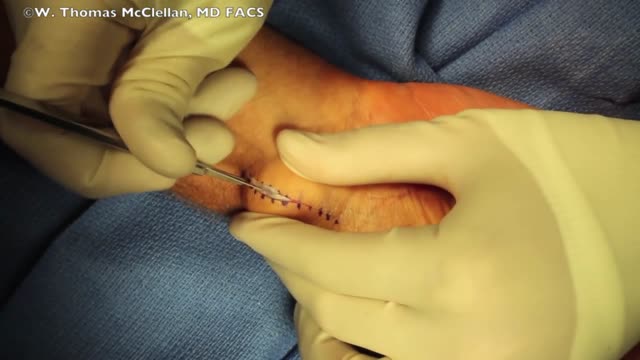
Ganglion cysts are the most common mass or lump in the hand. They are not cancerous and, in most cases, are harmless. They occur in various locations, but most frequently develop on the back of the wrist. These fluid-filled cysts can quickly appear, disappear, and change size.
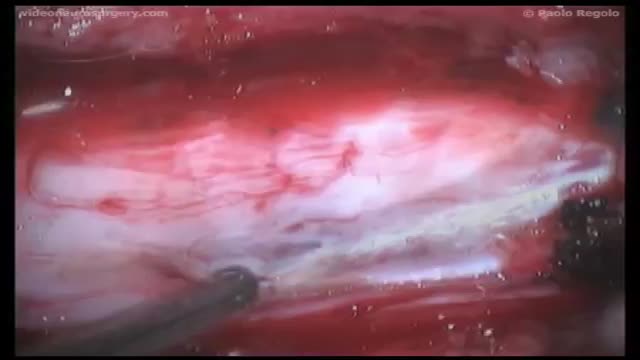
Syringomyelia is a cystic cavitation of the spinal cord associated with Chiari I malformation (70%) or basilar invagination (10%) or tumor. It may be a post-traumatic condition. There are 2 main forms: communicating with the central canal or subarachnoid spaces (Chiari I malformation); non communicating (trauma, tumors).

Mitra Nejad, MD
Associate Physician Diplomate
UCLA Stein Eye Institute, Cataract and Refractive Surgery Division

Is that knee pain just a sprain or a more serious ACL injury? Orthopedic surgeon Paul Fadale, M.D., offers tips on how to tell the difference. http://www.orthopedicsri.org/
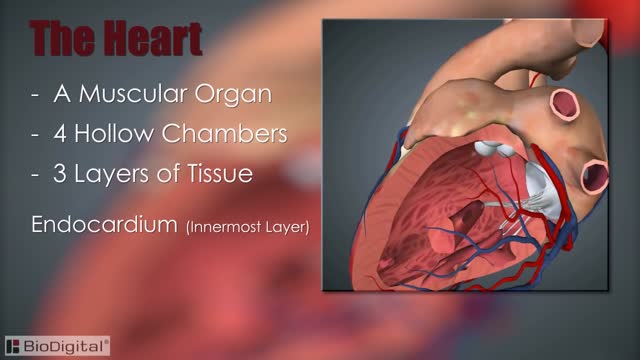
The heart, blood vessels, and blood are the parts that make up the circulatory system, which is defined as a closed system of blood vessels for the transport of gasses and nutrients. The heart is the key organ in the circulatory system. As a hollow, muscular pump, its main function is to propel blood throughout the body.
Heart Attack Angioplasty Procedure Animation Video
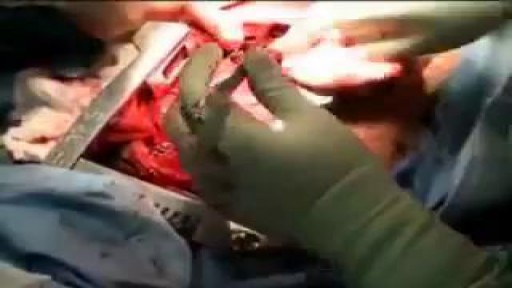
Watch that video of Knife Stabbed Inside Chest Removal Surgery

Life Before Birth - In the Womb
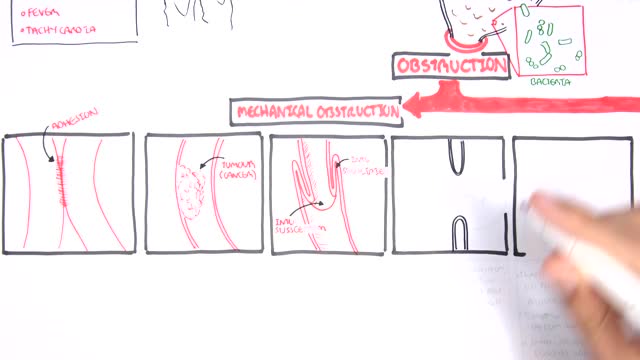
A small-bowel obstruction (SBO) is caused by a variety of pathologic processes. The leading cause of SBO in industrialized countries is postoperative adhesions (60%), followed by malignancy, Crohn disease, and hernias, although some studies have reported Crohn disease as a greater etiologic factor than neoplasia.
