
- Physical Examination
- Surgical Examination
- Ophthalmology
- Clinical Skills
- Orthopedics
- Surgery Videos
- Laparoscopy
- Pediatrics
- Funny Videos
- Cardiothoracic Surgery
- Nursing Videos
- Plastic Surgery
- Otorhinolaryngology
- Histology and Histopathology
- Neurosurgery
- Dermatology
- Pediatric Surgery
- Urology
- Dentistry
- Oncology and Cancers
- Anatomy Videos
- Health and Fitness
- Radiology
- Anaesthesia
- Physical Therapy
- Pharmacology
- Interventional Radiology
- Cardiology
- Endocrinology
- Gynecology
- Emergency Medicine
- Psychiatry and Psychology
- Childbirth Videos
- General Medical Videos
- Nephrology
- Physiology
- Diet and Food Health
- Diabetes Mellitus
- Neurology
- Women Health
- Osteoporosis
- Gastroenterology
- Pulmonology
- Hematology
- Rheumatology
- Toxicology
- Nuclear Medicine
- Infectious Diseases
- Vascular Disease
- Reproductive Health
- Burns and Wound Healing
- Other
Top videos


Watch that video of Unreal Mutations and Medical Conditions
Watch that video of Horrible Skin Jiggers Removal
Watch that video to know How to Treat Premature Ejaculation Naturally

Watch that video to know What is Female G Spot?
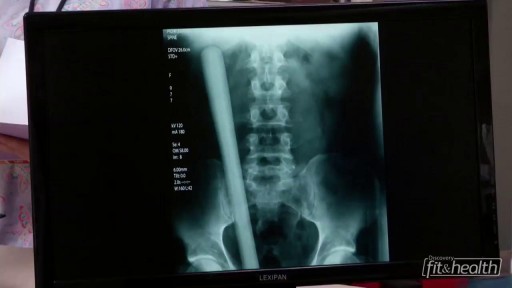
Watch that video of a Man Impaled by Shovel In His Butt Inside ER
Watch that video of Gross Teeth Full of Worms Removal

http://vitiligo-home-remedies.plus101.com ---- white spots on skin, small white spots on face, what causes white spots on skin, vitiligo. The Link Between Vitiligo and Auto Immune Disorders. If you suffer with Vitiligo, a condition that strips your skin of its natural pigment or coloring, the odds are good that you are also battling some sort of autoimmune disorder. It took years for doctors to connect the two disorders, but recent research shows that at least 20 percent of Vitiligo suffers also get autoimmune thyroid disease, and that's juts the beginning. Many more suffer a multitude of other disorders. Until recently, the link between the Vitiligo and autoimmune problems were not clear. Doctors seemed to see a link, but nothing substantial could be proven. Until now. In march 2013, The National Institute's of Health's National Institute of Arthritis and Musculoskeletal and Skin Diseases (NIAMS) announced an amazing discovery: a connection between a specific gene named NALP1, Vitiligo and a host of autoimmune diseases including thyroid disease, pernicious anemia, rheumatoid arthritis, lupus and Addison's Disease. According to lead researcher, Richard Spritz M.D., the discovery of this gene may make newer, more effective Vitiligo treatments possible within the next few years. But that's not all. It will also be able to help treat certain auto immune disorders. By finding ways to block the inflammatory response of the NALP1 gene, doctors may some day be able to cure certain autoimmune disorders. A long-term solution for vitiligo should address the internal causes of vitiligo by tackling all vitiligo contributing factors. Only by controlling the nutritional, hormonal, psychological and environmental triggers of vitiligo, using a multidimensional and holistic approach to healing you can reverse the "internal vitiligo environment"- the only, safe, natural and effective way you could ever achieve lasting vitiligo freedom. More Info: http://vitiligo-home-remedies.plus101.com
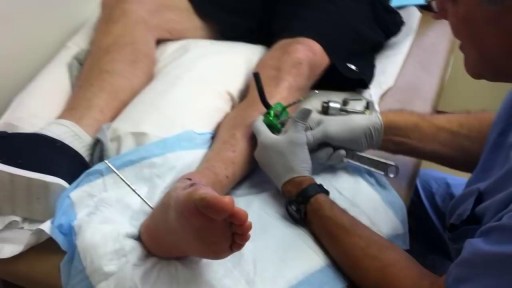
Pulling pins out of the leg
Home Remedies For Acid Reflux, Ginger For Acid Reflux, Heartburn After Gallbladder Removal --- http://heartburn-acid-reflux.info-pro.co --- Stop using Pepto Bismol until you read the following… There is BREAKING scientific news reporting that many of America’s most popular antacids – both the ones you buy at the drug store and the ones you need prescriptions for… Are linked to more than a dozen forms of potentially DEADLY cancers. Click this link now to get the full story and see if you’re at risk. You’ll find out about a “just discovered” alternative to antacids…. Something that can permanently cure even the worst cases of acid reflux in as little few days, and that doesn’t require any pills or medications. Click Here: http://heartburn-acid-reflux.info-pro.co
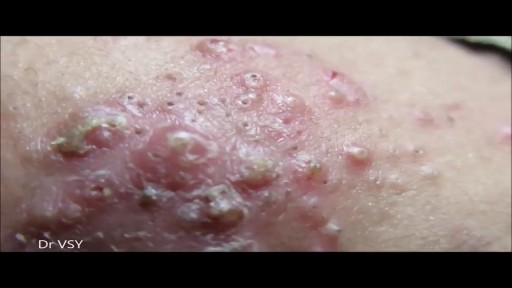
Watch that Grade III Acne Draining and Removals

Come Rimanere Incinta Velocemente, Per Restare Incinta, Rimanere Incinta A 45 Anni, In Gravidanza--- http://come-rimanere-incinta.info-pro.co -- Farti rimanere incinta rapidamente e allo stesso tempo invertire l'infertilità. E' un dato di fatto. Il 92% delle donne che usano trattamenti convenzionali per aumentare le loro probabilità di concepire non riescono a rimanere incinta e, a volte, la loro situazione peggiora anzichè migliorare. Ora tu puoi decidere di far parte del 8% delle donne che sono guarite dall'infertilità per sempre, imparando a lavorare sinergicamente con il tuo corpo. Contrariamente agli approcci convenzionali, lavorando con il tuo corpo, eliminando la causa principale e specifica della tua infertilità (come: cisti ovariche, fibromi uterini, endometriosi, livelli di follitropina alti, sindrome dell'ovaio policistico, ecc), migliorando contemporaneamente la tua mentalità, il tuo stato emotivo e biologico-riproduttivo, rimarrai velocemente incinta e darai alla luce un bimbo sano e forte, indipendentemente dalla tua età, dal numero di tentativi andati male o dalla gravità della tua situazione. Farti rimanere incinta olisticamente. E' un dato di fatto, non potrai mai rimanere incinta naturalmente e curare la tua infertilità affrontando solo uno dei tanti fattori responsabili dell'infertilità. Ad esempio, se hai già provato trattamenti come le pillole ormonali, posizioni sessuali o diete differenti, e non hai ottenuto nessun risultato probabilmente è perchè ti sei concentrata solo su un aspetto della tua condizione. Il mio sistema non ti insegnerà solo l'unico modo per rimanere incinta naturalmente, ma imparerai anche l'unico modo per invertire la tua infertilità per sempre, in modo olistico. Questo Rivoluzionario Sistema E' Talmente Unico ed Efficace che Ha il Potere di... Clicca sul link http://come-rimanere-incinta.info-pro.co
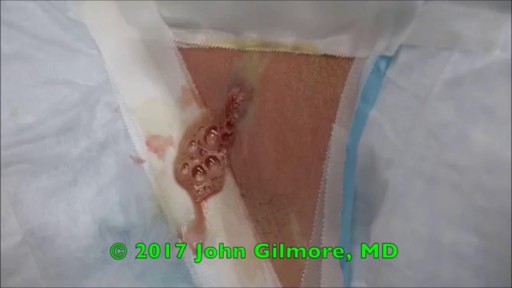
Watch that video of a Huge Cyst Infection Popping

Watch that video of Unbelievable Mutations and Medical Conditions

Aumentar Gluteos, Como Hacer Crecer Los Gluteos En Una Semana, Eliminar Celulitis Gluteos.--- http://aumente-gluteos.plus101.com/ --- Para conseguir aumentar tu cola sin ejercicio, debes utilizar algunas cremas naturales caseras, sencillas y fáciles de preparar en la zona de tus glúteos, estas cremas le darán a tu cola una buena forma, firmeza y además una piel libre de manchas, estrías y celulitis. 1. Crema Con Omega 3, Vitamina E y Vitamina C Esta crema es bastante fácil de realizar y sumamente efectiva, solo necesitas tres capsulas de omega 3, dos de vitamina E y dos de vitamina C, los resultados se harán notar en cuestión de días. Con una aguja saca en contenido de cada una de las capsulas y mézclalas en un recipiente, una vez que estén bien mezcladas aplícala sobre tu cola dando masajes circulares que abarquen todo el trasero. Para mejores resultados envuelve la zona de tus glúteos en plástico y déjala actuar durante 30 minutos, luego retira el plástico, colócate un bóxer levanta cola y duerme con esta crema casera, por la mañana la puedes retirar con agua tibia y repetir este proceso todas las noches hasta que consigas los resultados que deseas. 2. Crema Con Aceite De Almendras, Pepino y Avena Esta crema es maravillosa, le dará a tu cola una atractiva apariencia, solo necesitas 3 cucharadas de aceite de almendras, un pepino pequeño y tres cucharadas de avena en hojuelas. El procedimiento es bastante sencillo, debes triturar muy bien el pepino, agregar la avena y luego el aceite de almendras, mezcla hasta que los ingredientes se compacten y listo. Aplica esta crema con suavidad sobre tu cola dando masajes de abajo hacia arriba para vencer los efectos de la gravedad, déjala actuar durante 45 minutos y retírala con agua fría, esta crema casera cuidará muy bien tu piel y le dará a tus glúteos una gran firmeza. 3. Vitamina C, Ciruelas y Aceite De Girasol Una crema divina que te dará una cola perfecta en poco tiempo, ayuda a regenerar la piel de la zona de tus glúteos, tonificándolos y moldeándolos, solo necesitas 3 capsulas de vitamina C, 5 ciruelas grandes y 3 cucharadas de aceite de girasol. Cientos de mujeres en todo el mundo están aumentando el tamaño de sus glúteos gracias a los conocimientos secretos de esta guía, Ingresa ya a: http://aumente-gluteos.plus101.com/
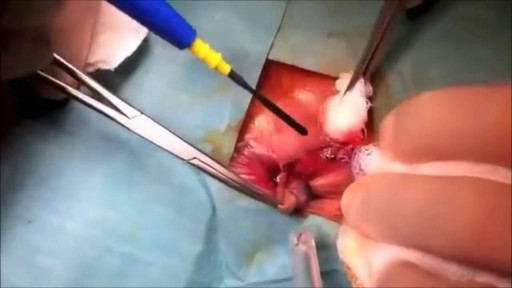
Watch that Hemorrhoid Medical Removal Surgery

Watch that video to know the Symptoms and Causes Of Female Genital Infections

Watch that video to know How to Increase Your Chances of Getting Pregnant?
Colon Irritable Tratamiento Natural, Tratamiento Sindrome Intestino Irritable, Colon Irritable Cura--- http://intestino-irritable-tratamiento.plus101.com --- Los Alimentos Desencadenantes De SCI, Esta dolencia gastrointestinal puede ser desencadenada por ciertos alimentos o grupos de alimentos, de los cuales podemos mencionar específicamente seis de ellos. Lo aconsejable es que evite su consumo si usted sufre o es propenso a sufrir SII. 1 - Los alimentos fritos, especialmente los fritos con aceites que contienen ácidos grasos trans hidrogenados. Dentro de este grupo encontramos las llamadas comidas rápidas. 2 - La carne y los productos lácteos: las carnes grasas, especialmente de las granjas industriales, carnes procesadas y la leche pasteurizada. Para reemplazar estos alimentos, se puede utilizar leche de soja o la llamada carne orgánica, proveniente de ganado alimentado a base de pasto, libre de químicos, antibióticos y hormonas de crecimiento. 3 - Los productos horneados procesados incluyendo panes envasados, pasteles y galletas. Contienen azúcar refinada y grasas malas, así como harina blanca refinada. A veces es posible que contengan jarabe de maíz alto en fructosa. Si usted sufre del SII, puede optar por la compra de productos de panadería directamente de una panadería de su confianza o hacer sus propios productos caseros con ingredientes enteros. Trigo germinado, los sustitutos del trigo, como el trigo sarraceno espelta, u otros granos utilizados en productos de panadería (sin aditivos perjudiciales) también pueden ser una opción que no va a afectar a su organismo. Lea atentamente las etiquetas de los productos que consume y ante cualquier duda, debe asesorarse. 4 - El café y el alcohol pueden crear respuestas ácidas del esfínter inferior del esófago y la válvula ileocecal, que es el esfínter entre los intestinos grueso y delgado que se abre brevemente y se cierre la mayor parte del tiempo para evitar que los fluidos intestinales se mezclen. La causa principal de muchos de los problemas del SII y de otras enfermedades digestivas más graves se da cuando la válvula ileocecal permanece abierta demasiado tiempo. Todas las demás recomendaciones relativas a los alimentos y los hábitos alimentarios son relevantes para evitar que esto ocurra. 5 - Los edulcorantes artificiales: El sorbitol puede no ser tan peligroso neurológicamente como el aspartamo y otros edulcorantes artificiales, pero estimula los síntomas del SII. Para obtener más consejos sobre alimentación sana que lo ayude a aliviar sus síntomas del SII, puede dirigirse al sitio http://intestino-irritable-tratamiento.plus101.com
Watch that video to know How To Firm And Lift Your Sagging Chest Naturally
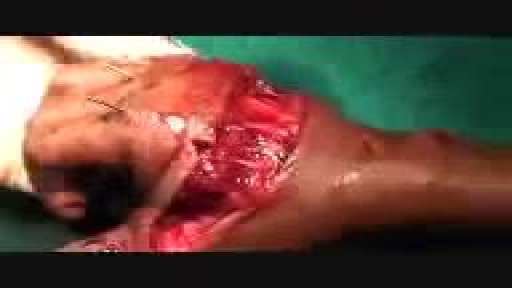
Watch that Mid Palm Amputated Hand Reattachment Medical Surgery
