
- Physical Examination
- Surgical Examination
- Ophthalmology
- Clinical Skills
- Orthopedics
- Surgery Videos
- Laparoscopy
- Pediatrics
- Funny Videos
- Cardiothoracic Surgery
- Nursing Videos
- Plastic Surgery
- Otorhinolaryngology
- Histology and Histopathology
- Neurosurgery
- Dermatology
- Pediatric Surgery
- Urology
- Dentistry
- Oncology and Cancers
- Anatomy Videos
- Health and Fitness
- Radiology
- Anaesthesia
- Physical Therapy
- Pharmacology
- Interventional Radiology
- Cardiology
- Endocrinology
- Gynecology
- Emergency Medicine
- Psychiatry and Psychology
- Childbirth Videos
- General Medical Videos
- Nephrology
- Physiology
- Diet and Food Health
- Diabetes Mellitus
- Neurology
- Women Health
- Osteoporosis
- Gastroenterology
- Pulmonology
- Hematology
- Rheumatology
- Toxicology
- Nuclear Medicine
- Infectious Diseases
- Vascular Disease
- Reproductive Health
- Burns and Wound Healing
- Kidney Zone Podcast
- Other
This video is being reviewed, please check back later.
















Unreal Mutations and Medical Conditions

Educational only: videos on MedicalVideos.com are for general information and are not medical advice. Always consult your own doctor about your health.
This compilation presents a range of unusual medical conditions and congenital differences, with brief context for each case shown. Presented for general medical education. Educational only — not medical advice.
This video in 30 seconds
A narrated documentary rundown of unusual medical conditions, presented as a list with still photographs. The narration describes each condition and its treatment in a few sentences, covering excessive hair growth, a genetic skin condition with tree-like growths, Paget's disease of bone, hydrocephalus, leprosy, a deep fungal skin infection, blue-skin conditions and progeria, and itself points out that one entry, a supposed serpent-like syndrome, is a hoax.
Key points
- Hypertrichosis is described as excessive hair growth over the body with no cure
- A genetic skin condition causing tree-like growths on the hands and feet is covered
- Paget's disease is described as a disorder of bone replacement that becomes more likely with age
- Leprosy is described as a chronic infection that is now curable, contrary to popular belief about its effects
- The narration identifies one listed syndrome as a made-up hoax
Chapters
- 0:08 — Hypertrichosis excessive hair growth
- 0:25 — Epidermodysplasia verruciformis skin condition
- 1:24 — Paget disease of bone
- 2:17 — Hydrocephalus fluid buildup
- 2:34 — Leprosy chronic infection
- 3:41 — Fibrodysplasia ossificans progressiva
- 4:51 — Blue skin conditions
- 5:25 — Progeria accelerated aging condition
Video Transcript
A narrated documentary rundown of unusual medical conditions, presented as a list with still photographs: hypertrichosis, epidermodysplasia verruciformis, scrotal lymphedema, Paget's disease of bone, leprosy, a deep fungal skin infection, argyria and progeria among them. The narration describes each condition and its treatment in a few sentences, and itself points out that one entry — a supposed 'serpentosis' syndrome — is a hoax.
Read the full transcript
Hypertrichosis is a condition that results in the excessive growth of hair all over the body. While there is no cure for hypertrichosis, it can be managed with medication, laser treatments, and electrology. Some people think it's where the legends of lycanthropy and werewolves come from.
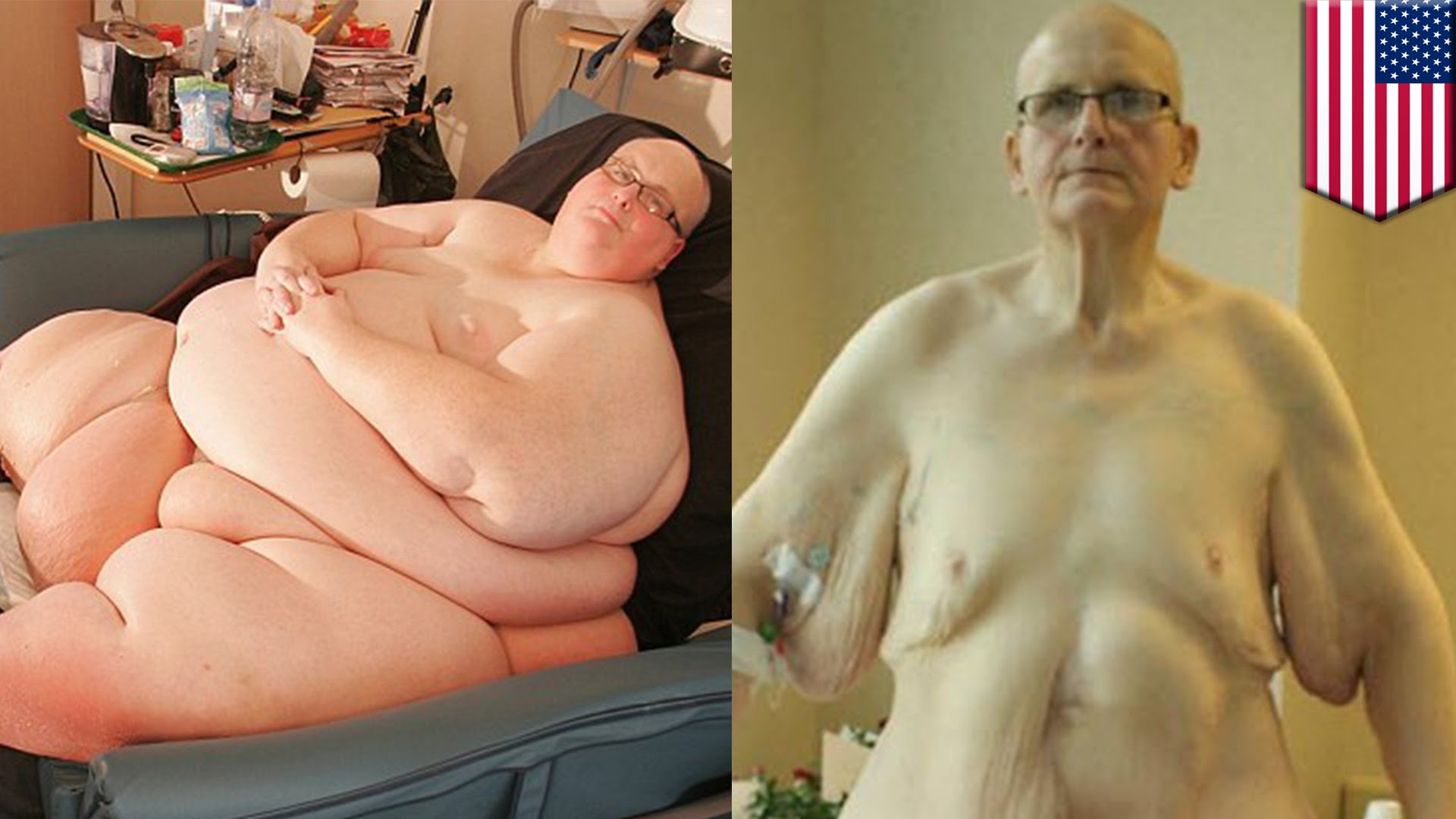
Epidemotus plasia vericiformis is a genetic skin condition characterized by the growth of tree-like scales on the hands and feet. The growths can turn cancerous and there is no effect of treatment for this disorder and while surgery can remove the growths, the warts will return in just a few weeks. Vessel blockage and the accumulation of fluid is the cause of the condition known as scrotolymphadema. It is painful and can lead to chronic infection, but it is treatable with radiation and surgery. In 2013, a man with an extreme case had a 132
pound scrotum that interfered with his mobility and it was successfully removed with surgery. Top half little girl, bottom half serpent. Serpentosis, melianorsis is a syndrome that causes the lower body to take a reptilian form. Luckily, this is a completely made-up syndrome and a hoax, most likely used to attract tourists and pilgrims to give money to the family you've afflicted in a form of a modern freak show. This leg does look like a deflated balloon, but it's misshapen from pageant's disease, a condition that disrupts the body's ability to replace new bone tissue and the risk of being affected by this disease increases
with age. About one million people in the United States have this disease and it is treatable with medication and surgery. In the article on pageant's disease, it's recommended that you take 1200 milligrams of calcium and 400 international units of vitamin D every day to keep your bones strong. These are pictures of people born as conjoined twins, also known as Siamese twins. The first documented case was drawn in a painting that dated back to 1493. There are many forms of this birth condition where twins are born physically attached to one another,
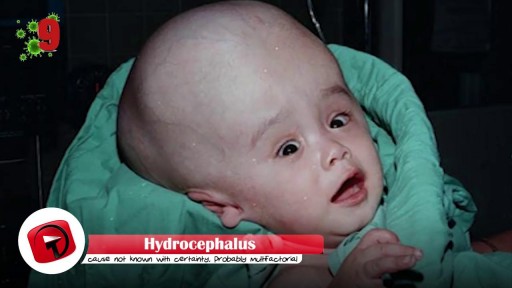
sometimes sharing some of the same organs such as the heart or digestive system. Depending on how severe the joining is, surgical separation may be possible. Hydrocephalus is a disorder where excessive fluids build up in the cavities of the brain. Infants have much softer bones and their skulls will grow as the cavities fill. Not much is known as to what causes hydrocephalus. Sometimes it's caused by head trauma, but it can be treated with surgery.
Leprosy is an infamous disease found in the Bible and other famous literature. It's also a chronic infection and now curable with a cocktail of modern antibiotics. Contrary to popular belief, leprosy does not cause body parts to fall off, but the infections can lead to fingers and tissue to be deformed and shortened. January 30th is World Leprosy Day. This poor guy suffers from a condition called subcutaneous phycomytosis. It's caused by a fungal infection of the deeper layers of the skin. It can be successfully treated by an anti-fungal medication.
The culprit organism lurks in rotting vegetation in tropical countries like the Republic of Mali.
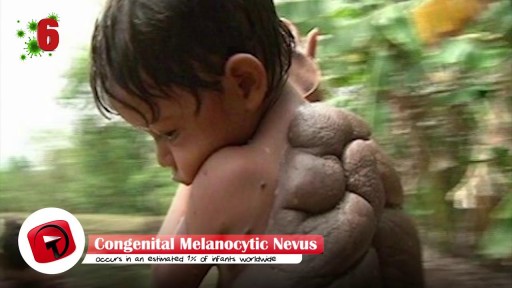
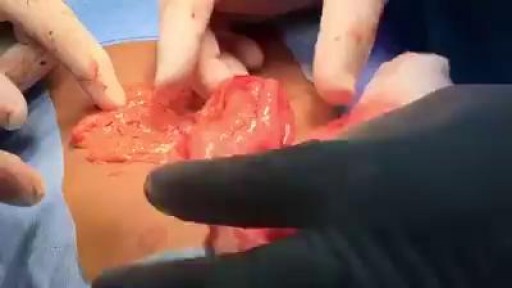
No, it's not a second brain in the back of this eight-year-old Colombian boy. It's a gigantic life-threatening mole and it made up a fifth of the boy's body weight. Diagnosed in 2011 with congenital melanonic nevus, doctors worried that this mole might become malignant and successfully removed it. The boy and his family now live in London and run a charity to support other children with this condition. What do you do when any time you get hurt, your body replaces the damaged muscle with bone? Fibro-Displasia ossificens progresifah is a real condition where the body does just that.
It's sometimes called stone man syndrome. It's diagnosed with genetic testing and it's extremely rare with one to two hundred cases being reported. There is no known effective way to treat or manage this condition. Those steroids can help with the flare-ups. Neurofibromatosis type one is a syndrome where your body is covered in bubble-like non-cancerous tumors. There is no known cure but there are treatments such as surgery, radiation or chemotherapy that can improve the sufferers quality of life. There are currently 100,000 people diagnosed with the condition living in the United States.
Granum fruman pedantitis is an inherited condition characterized by corn kernel-like lesions on the bottom of the feet. It looks extremely painful especially when wearing heels. While there is no known cure there is only one reported case and can be managed with steroids, corn kernel shuckers and pedicures. There isn't much information on this picture so please let it be a hoax. If you have blue skin and you're not the victim of a video colorist you will want to visit the doctor immediately. You may have a rare blood disorder called methema globinemia when an
usual amount of methema globin, a form of hemoglobin, is present in your blood. With this condition the hemoglobin that carries oxygen is unable to release it to the surrounding tissue. Turning the skin blue there are a couple of variations to this disorder and it is treatable and manageable. Blue skin may also be the result of silver poisoning which is still grounds to see a doctor quickly. This picture represents the heartbreaking truth of reality. Progeria is an extremely rare genetic disease with symptoms that resemble accelerated aging. Children with
progeria live between 13 to 20 years and eventually succumb to strokes and heart problems. There is no known cure for progeria.
Transcript auto-generated from the video’s audio for accessibility and study. Educational content only — not medical advice.
Video Overview
From our Health and Fitness collection: Exercise science, injury prevention, rehabilitation and healthy-living guidance from medical professionals. Browse all Health and Fitness videos →
Medical Videos
Free medical and surgery videos for patients, students and professionals — trusted since 2007.
Founded by Dr. Mohamed Ibrahim, MD, PhD — physician-scientist.
Follow us on Facebook · Instagram
SORT BY-
Top Comments
-
Latest comments