
سرفہرست ویڈیوز

A video from Harvard medical school showing Paracentesis
Like in any other sector of health, aging come with its myths. These myths can be hurtful to senior citizens and their caretakers if mistaken for truths. Here are some common myths about aging that caregivers should be aware of.
http://www.homecareassistancechandler.com/
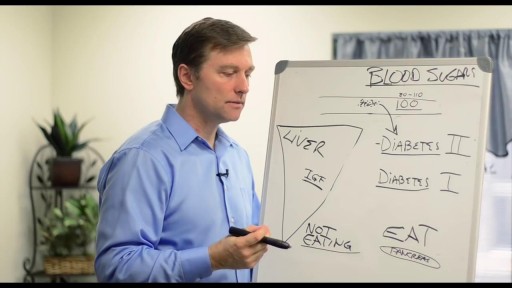

Wetness. Even the most absorbent diaper leaves some moisture on your child's skin. And when your child's urine mixes with bacteria from his stool, it breaks down into ammonia, which can be very harsh on the skin. That's why children with frequent bowel movements or diarrhea are more prone to diaper rash.
Your kidneys are two bean-shaped organs that lie just below your rib cage, on each side of your spine. They remove waste from your body, level out your blood pressure, and keep your bones strong. They also ensure that you have the right amount of chemicals, like potassium and sodium (salt), in your blood. Finally, they make the hormone that causes your body to create red blood cells.

Back Massage
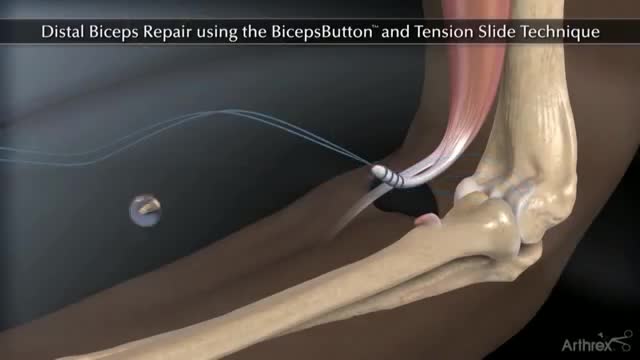
An example of a technique I use in my surgical practice

The "sunshine" vitamin is a hot topic. You may have recently found out that you are deficient or know someone who is. It's shocking for most people when they have never had a problem before and believe nothing has changed to make it a problem now. The truth is that a lot has changed, and vitamin D deficiency and insufficiency is now a global public-health problem affecting an estimated 1 billion people worldwide. The most well-known consequences to not having enough vitamin D are rickets in children and osteomalacia in adults. These are far from the only problems associated with a vitamin D deficiency.
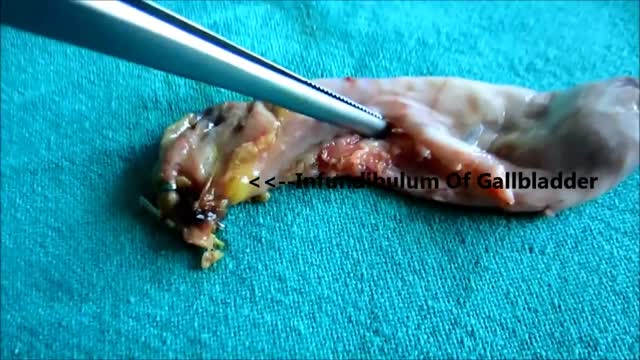
Watch Inside Of Gall bladder - Stone Removed
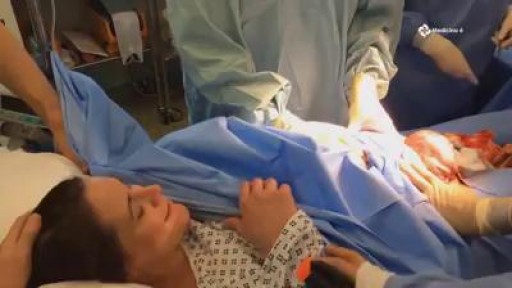
Most C-sections are done under regional anesthesia, which numbs only the lower part of your body — allowing you to remain awake during the procedure. A common choice is a spinal block, in which pain medication is injected directly into the sac surrounding your spinal cord
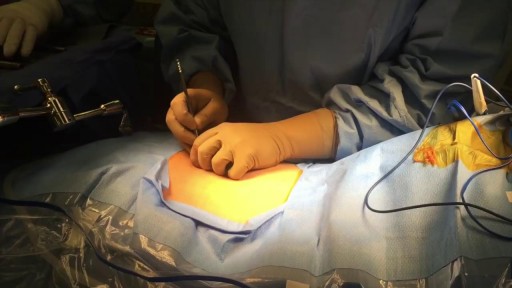
This video: Polycythemia vera (pol-e-sigh-THEE-me-uh VEER-uh) is a slow-growing type of blood cancer in which your bone marrow makes too many red blood cells. Polycythemia vera may also result in production of too many of the other types of blood cells — white blood cells and platelets. These excess cells thicken your blood and cause complications, such as such as a risk of blood clots or bleeding. Polycythemia vera isn't common. It usually develops slowly, and you may have it for years without noticing signs or symptoms. Often, polycythemia vera is found during a blood test done for some other reason. Without treatment, polycythemia vera can be life-threatening. However, with proper medical care, many people experience few problems related to this disease. Over time, there's a risk of progressing to more-serious blood cancers, such as myelofibrosis or acute leukemia.
![Female Foley Insertion (Urinary Catheter) [How to Insert Nursing Skills]](https://i.ytimg.com/vi/Mq4Yh0-iozY/maxresdefault.jpg)
Pass your tests and improve your grades with the below FREE resources:
1) A FREE 140 Must Know Meds book
Click here to get your FREE copy of the 140 Must Know Meds Book: https://bit.ly/41rxSt0
2) A FREE test-taking tips webinar
Join us for our free test-taking tips webinar to boost your exam scores: https://bit.ly/nursingtesttaking
You can now test your knowledge with a free lesson quiz on NURSING.com!
Click here to take a free quiz: https://bit.ly/3HwJr8t
FREE Nursing School Cheat Sheets at: http://www.NURSING.com
Get the full lesson on Female Foley Insertion here:
https://nursing.com/lesson/ski....lls-03-01-inserting-
Get the Male Foley Insertion lesson here:
https://nursing.com/lesson/ski....lls-03-02-inserting-
Get the Sterile glove application lesson here:
https://nursing.com/lesson/ski....lls-01-04-sterile-gl
Check out our new Nurse Care Plan Lessons here:
https://bit.ly/3BPRfPL
Get Access to Thousands of Lessons here:
https://nursing.com/courses/
Welcome to the NURSING Family, we call it the most supportive nursing cohort on the planet.
At NURSING.com, we want to help you remove the stress and overwhelm of nursing school so that you can focus on becoming an amazing nurse.
Check out our freebies and learn more at: (http://www.nursing.com)
Female Foley Insertion (Urinary Catheter)- Nursing Skills
In this video, we’re going to look at inserting a Foley catheter in a female. Of course make sure you’ve verified your order and told the patient what’s happening. You’ll also typically want to perform perineal care before you start. Then, you’ll want to assist the patient into the appropriate position. For females, that’s supine with their knees bent and feet close to their hips – allowing their knees to fall to the side. You may need a helper to help hold the patient in this position. We love you guys! Go out and be your best selves today! And, as always, happy nursing!
Bookmarks:
0.05 Female Foley insertion introduction
0.15 Patient positioning
0.27 Opening the sterile kit
1.41 Setting up the sterile field
2.25 Prepping the remaining Foley kit items
2.34 Catheter lubrication
3.00 Saline syringe attachment
3.10 Iodine, swabs and cleansing the area
3.52 Catheter insertion (into urethra)
4.06 Balloon inflation
4.25 Final catheter setting
4.31 Securing the catheter and bag
4.48 Discarding your supplies
5.00 Documentation
5.08 Foley insertion outro
Visit us at https://nursing.com/medical-disclaimer/ for disclaimer information.
NCLEX®, NCLEX-RN® are registered trademarks of the National Council of State Boards of Nursing, INC. and hold no affiliation with NURSING.com.
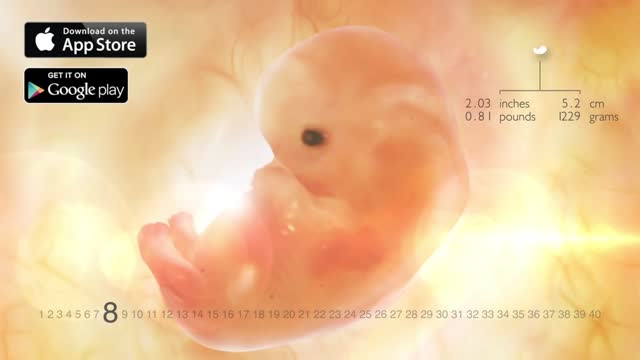
Looking for a week-by-week guide to pregnancy? You're in luck! We've got loads of expert-approved info about each week and trimester, including what's up with your growing baby and what changes to expect for yourself. You'll find stunning fetal development videos, thousands of articles, and helpful tools like our Due Date Calculator and Baby Names Finder. Meet other parents-to-be in our online community, and get all of this and more in our free pregnancy app. Dive in, and congratulations!
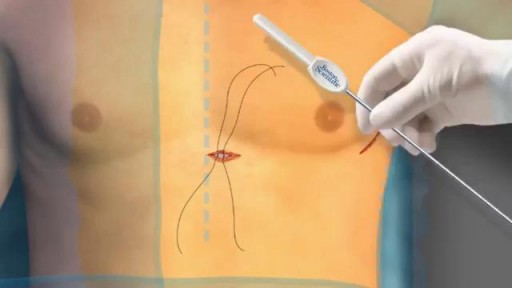
S-ICD leaves the heart and vasculature untouched. It may be implanted using only anatomical landmarks, thereby eliminating the need for fluoroscopy during implant and therefore reducing radiation exposure for both patients and physicians and eliminating the need for lead apron during implant.
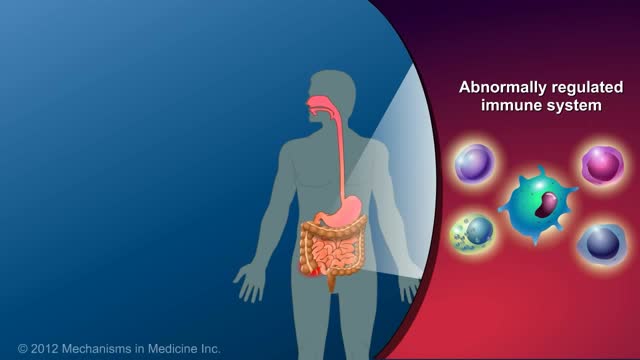
Crohn's disease is an inflammatory bowel disease (IBD). It causes inflammation of the lining of your digestive tract, which can lead to abdominal pain, severe diarrhea, fatigue, weight loss and malnutrition. Inflammation caused by Crohn's disease can involve different areas of the digestive tract in different people. The inflammation caused by Crohn's disease often spreads deep into the layers of affected bowel tissue. Crohn's disease can be both painful and debilitating, and sometimes may lead to life-threatening complications. While there's no known cure for Crohn's disease, therapies can greatly reduce its signs and symptoms and even bring about long-term remission. With treatment, many people with Crohn's disease are able to function well.
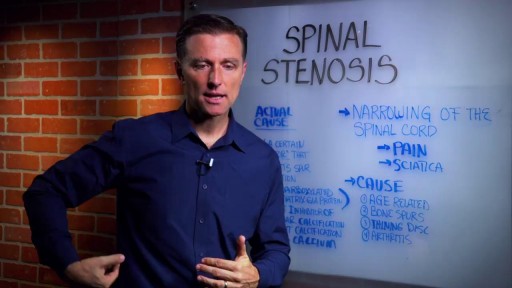
Spinal stenosis can put pressure on the spinal cord and the nerves within the spine. It commonly occurs in the neck and lower back. The condition is often caused by age-related wear and tear. Symptoms, if they occur, include pain, numbness, muscle weakness, and impaired bladder or bowel control. Treatment includes medication, physical therapy, and possibly surgery

Capsaicin binds to pain receptors on our nerves called TRPV1. Normally, it reacts to heat by sending warning signals to the brain. Capsaicin causes TRPV1 to send those same signals. So, you react as if there's something hot in your mouth
