
Najbolji videi
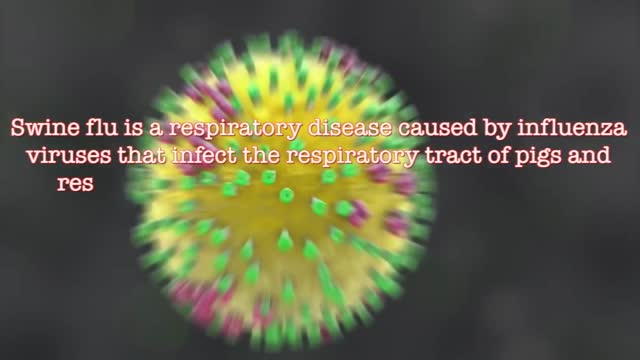

Animation about Swine Flue: Facts, Symptoms, Prevention
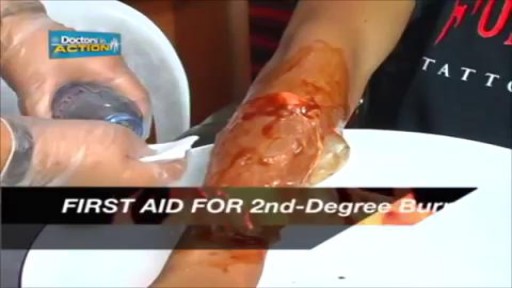
Clinical Review First aid and treatment of minor burns BMJ 2004; 328 doi: https://doi.org/10.1136/bmj.328.7454.1487 (Published 17 June 2004) Cite this as: BMJ 2004;328:1487 Article Related content Metrics Responses Jackie Hudspith, clinical nurse lead, Sukh Rayatt, specialist registrar, plastic and reconstructive surgery Author affiliations Introduction Some 250 000 burns occur annually in the United Kingdom. About 90% of these are minor and can be safely managed in primary care. Most of these will heal regardless of treatment, but the initial care can have a considerable influence on the cosmetic outcome. All burns should be assessed by taking an adequate history and examination.
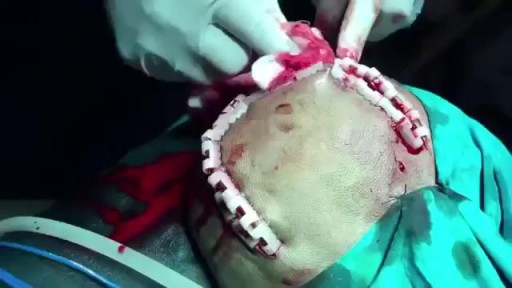
Epidural hematoma (EDH) is a traumatic accumulation of blood between the inner table of the skull and the stripped-off dural membrane. EDH results from traumatic head injury, usually with an associated skull fracture and arterial laceration.The inciting event often is a focused blow to the head, such as that produced by a hammer or baseball bat. In 85-95% of patients, this type of trauma results in an overlying fracture of the skull. Blood vessels in close proximity to the fracture are the sources of the hemorrhage in the formation of an epidural hematoma. Because the underlying brain has usually been minimally injured, prognosis is excellent if treated aggressively. Outcome from surgical decompression and repair is related directly to patient's preoperative neurologic condition. [1]
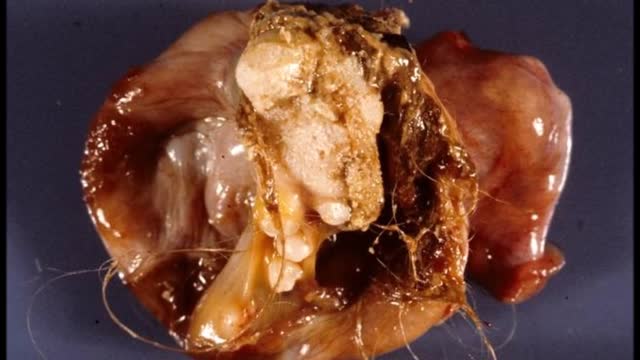
The term dermoid cyst does not appear to be restricted to a single kind of lesion nor is it used in only a single medical discipline. The term dermoid cyst can be found in the vocabulary of dermatologists, dermatopathologists, general pathologists, gynecologists, neurosurgeons, or pediatricians. If asked, all of these clinicians would most probably define and describe dermoid cysts differently. For example, gynecologists and general pathologists might say that a dermoid cyst is a cystic tumor of the ovary. In contrast, neurosurgeons tend to view a dermoid cyst is associated with a congenital cyst of the spine or an intracranial congenital cyst. For pediatricians and dermatologists, dermoid cyst means subcutaneous cysts, which are usually congenital.[1]

Alcoholic hepatitis is inflammation of the liver caused by drinking alcohol. Alcoholic hepatitis is most likely to occur in people who drink heavily over many years. However, the relationship between drinking and alcoholic hepatitis is complex. Not all heavy drinkers develop alcoholic hepatitis, and the disease can occur in people who drink only moderately. If you're diagnosed with alcoholic hepatitis, you must stop drinking alcohol. People who continue to drink alcohol face a high risk of serious liver damage and death.

Absence of a woman's monthly menstrual period is called amenorrhea. Secondary amenorrhea is when a woman who has been having normal menstrual cycles stops getting her periods for 6 months or longer. Causes Secondary amenorrhea can occur due to natural changes in the body. For example, the most common cause of secondary amenorrhea is pregnancy. Breastfeeding and menopause are also common, but natural, causes. Women who take birth control pills or who receive hormone shots such as Depo-Provera may not have any monthly bleeding. When they stop taking these hormones, their periods may not return for more than 6 months. You are more likely to have absent periods if you: Are obese Exercise too much and for long periods of time Have very low body fat (less than 15 to 17%) Have severe anxiety or emotional distress Lose a lot of weight suddenly (for example, from strict or extreme diets or after gastric bypass surgery) Other causes include: Brain (pituitary) tumors Drugs for cancer treatment Drugs to treat schizophrenia or psychosis Overactive thyroid gland Polycystic ovarian syndrome Reduced function of the ovaries
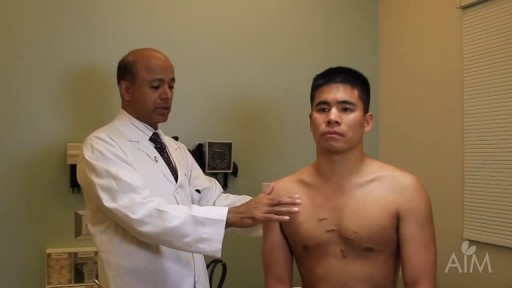
Chronic obstructive pulmonary disease (COPD) is defined as progressive, chronic airflow obstruction due to chronic bronchitis, emphysema, or both. The majority of patients have components of both, although one of these entities will frequently dominate the clinical picture. Emphysema�airspace enlargement distal to the terminal bronchioles due to destruction of alveolar septa. Chronic bronchitis�chronic airway inflammation and bronchospasm. Clinically defined as productive cough lasting for at least 3 mo over 2 consecutive years. Although COPD is irreversible, patients with acute exacerbations do have reversible bronchospastic and inflammatory components.

How to treat a burn - How to treat burns at home
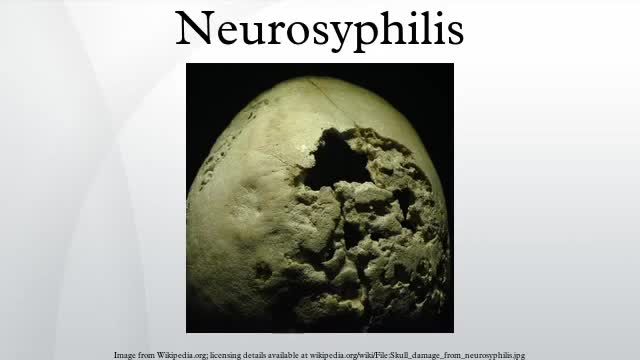
Neurosyphilis is an infection of the brain or spinal cord caused by the spirochete Treponema pallidum. It usually occurs in people who have had chronic, untreated syphilis, usually about 10 to 20 years after first infection and develops in about 25%–40% of persons who are not treated. The United States' Centers for Disease Control and Prevention (CDC) advises that neurosyphilis can occur at any stage of a syphilis infection.
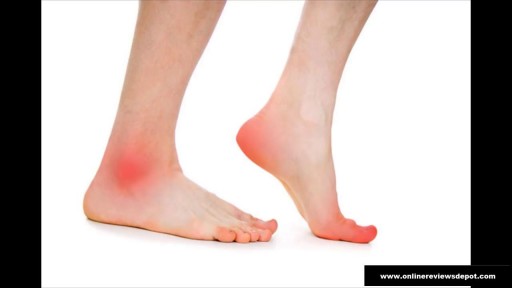

Can Marijuana Treat Alzheimer's Disease?
http://trypnauralmeditation.plus101.com
---Join-Now Trypnaural Meditation System. Trypnaural meditation is a breakthrough meditation technology designed to stimulate your natural production of tryptamines; serotonin, melatonin and D.M.T so you can benefit from deeper sleep, improved mood, increased mind power, better health, creativity and intuition.
Join, Now, Trypnaural, Meditation, System, brainwave, entrainment, theta, alpha, mind, lucid,dreams, relaxation, creativity, awaken, kaleidoscope, mandala, healing, brainsync, deepmeditation, holosync, dmt, serotonin, melatonin, deep sleep, insomnia, depression, pineal gland, third eye, psychedelic, terence, mckenna, mushrooms, ayahuasca
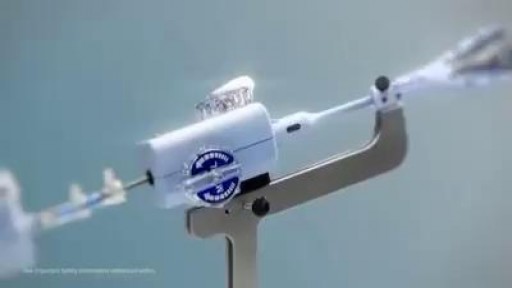
New MitraClip procedureMitral valve regurgitation, known as leaky heart valve, can be treated with the MitraClip procedure,
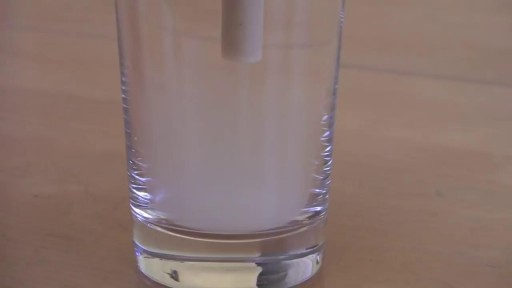
We are aware that the "official" way to use an ear candle is small end down into the ear, but for this video, we have elected to use it the way most "lay" public would (small end up). Ear candling is an alternative medicine practice that is thought to remove earwax. However, this video illustrates how ineffective this practice is in removing earwax... and can potentially be even harmful. And yes... It is still frequently practiced.
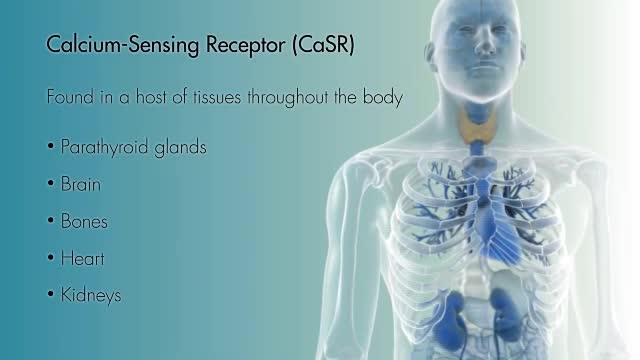
Hypoparathyroidism is an uncommon condition in which your body secretes abnormally low levels of parathyroid hormone (PTH). PTH plays a key role in regulating and maintaining a balance of your body's levels of two minerals — calcium and phosphorus. The low production of PTH in hypoparathyroidism leads to abnormally low ionized calcium levels in your blood and bones and to an increase of serum phosphorus. Treatment for hypoparathyroidism consists of taking supplements to normalize your calcium and phosphorus levels. Depending on the cause of your hypoparathyroidism, you'll likely need to take supplements for life.
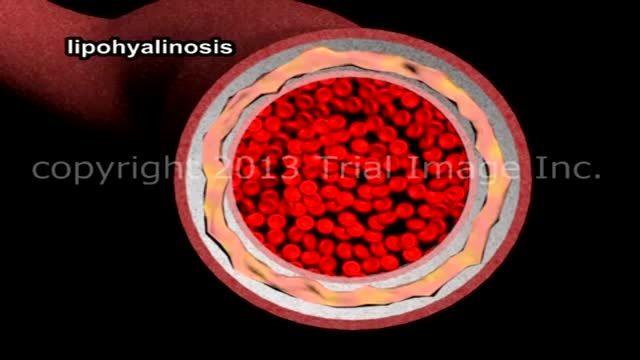
A stroke is a "brain attack". It can happen to anyone at any time. It occurs when blood flow to an area of brain is cut off. When this happens, brain cells are deprived of oxygen and begin to die. When brain cells die during a stroke, abilities controlled by that area of the brain such as memory and muscle control are lost. How a person is affected by their stroke depends on where the stroke occurs in the brain and how much the brain is damaged. For example, someone who had a small stroke may only have minor problems such as temporary weakness of an arm or leg. People who have larger strokes may be permanently paralyzed on one side of their body or lose their ability to speak. Some people recover completely from strokes, but more than 2/3 of survivors will have some type of disability.
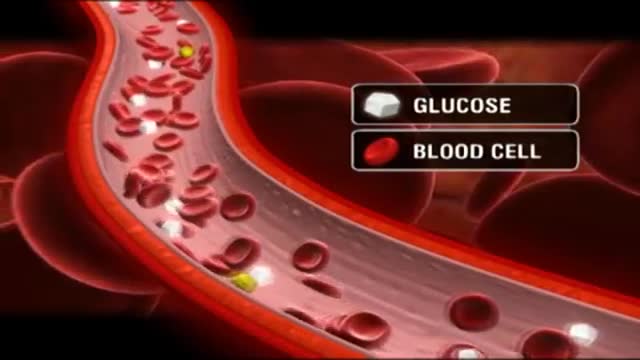
Diabetes, describes a group of metabolic diseases in which the person has high blood glucose (blood sugar), either because insulin production is inadequate, or because the body's cells do not respond properly to insulin, or both. Patients with high blood sugar will typically experience polyuria (frequent urination), they will become increasingly thirsty (polydipsia) and hungry (polyphagia).
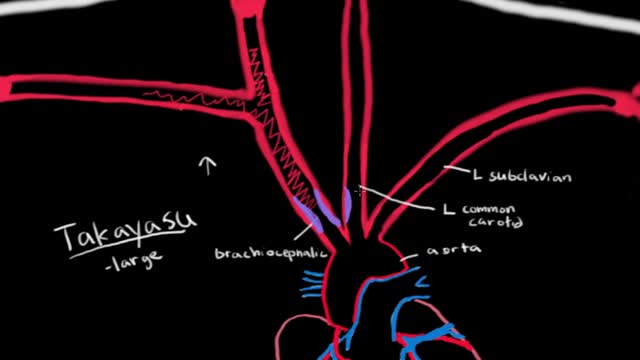
Takayasu's arteritis (tah-kah-YAH-sooz ahr-tuh-RIE-tis) is a rare type of vasculitis, a group of disorders that cause blood vessel inflammation. In Takayasu's arteritis, the inflammation damages the aorta — the large artery that carries blood from your heart to the rest of your body — and its main branches. The disease can lead to blockages or narrowed arteries (stenosis) or abnormally dilated arteries (aneurysms). Takayasu's arteritis can also lead to arm or chest pain and high blood pressure and eventually to heart failure or stroke. If you don't have symptoms, you may not need treatment. Or you may need medications to control the inflammation in the arteries and prevent complications. But even with treatment, relapses are common.
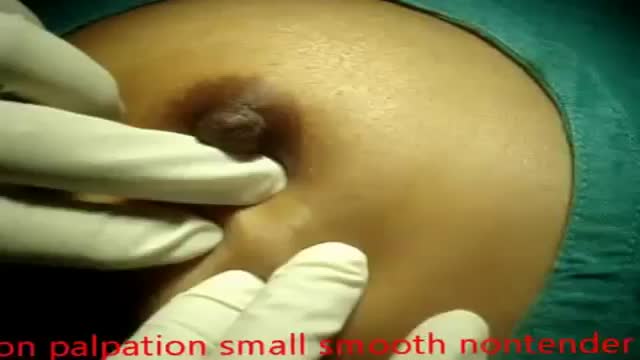
Fibroadenomas (fy-broe-ad-uh-NO-muhz) are solid, noncancerous breast tumors that occur most often in adolescent girls and women under the age of 30. You might describe a fibroadenoma as firm, smooth, rubbery or hard with a well-defined shape. Usually painless, a fibroadenoma might feel like a marble in your breast, moving easily under your skin when touched. Fibroadenomas vary in size, and they can get bigger or even shrink on their own. Fibroadenomas are among the most common breast lumps in young women. Treatment may include monitoring to detect changes in the size or feel of the fibroadenoma, a biopsy to evaluate the lump, or surgery to remove it.

Comment Avoir Un Ventre Plat, Rajeuni, Rajeunir De 10 Ans En 3 Mois, Bruleur De Graisse Musculation
http://rajeunir-de-10-ans.info-pro.co
5 Raisons pourquoi le Cardio Long-Lent n’est PAS bon.
En passant à travers les e-mails de clients au cours des derniers jours, j'ai remarqué que beaucoup de gens font encore du cardio longue durée, à faible intensité, beurk!
Voici l'affaire: si vous cherchez à obtenir un bénéfice maximal du temps que vous mettez dans vos séances d'entraînement, le cardio de longue durée à faible intensité n'est pas la voie à suivre, et pour de nombreuses raisons.
En fait, je n’ai le temps pour faire que quelques heures d'exercice par semaine, et vous savez quoi? C'est tout ce dont vous avez besoin. En fait, la recherche a montré que plus de 90 minutes par semaine peuvent être nuisibles! (Plus d'infos ici)
Ces 5 étapes Révèlent Les Choses Que Vous Devez ABSOLUMENT ÉVITER Si Vous Voulez Ralentir Le Processus De Vieillissement, Récupérer Votre Santé Et Atteindre Un Corps Idéal.
Cliquez Ici: http://rajeunir-de-10-ans.info-pro.co
Cliquez Sur Le Lien Ci-dessous Pour Vérifier
http://rajeunir-de-10-ans.info-pro.co
Abonnez-vous à Notre Chaîne
https://www.youtube.com/user/AideADomicile11
https://www.youtube.com/watch?v=ja2ygliMwjA
Comment Avoir Un Ventre Plat, Rajeuni, Rajeunir De 10 Ans En 3 Mois, Bruleur De Graisse Musculation,
comment brûler les graisses abdominales,
programme perdre du poids,
ventre plat homme,
brules graisse,
qui brûle,
des conseils pour perdre du poids,
bruleur de graisse naturelle,
bruler les graisse du ventre,
programme brule graisse,
programme alimentaire pour perdre du poids,
regime alimentaire perdre du poids,
brulle graisse,
juvamine brule graisse
