
- Physical Examination
- Surgical Examination
- Ophthalmology
- Clinical Skills
- Orthopedics
- Surgery Videos
- Laparoscopy
- Pediatrics
- Funny Videos
- Cardiothoracic Surgery
- Nursing Videos
- Plastic Surgery
- Otorhinolaryngology
- Histology and Histopathology
- Neurosurgery
- Dermatology
- Pediatric Surgery
- Urology
- Dentistry
- Oncology and Cancers
- Anatomy Videos
- Health and Fitness
- Radiology
- Anaesthesia
- Physical Therapy
- Pharmacology
- Interventional Radiology
- Cardiology
- Endocrinology
- Gynecology
- Emergency Medicine
- Psychiatry and Psychology
- Childbirth Videos
- General Medical Videos
- Nephrology
- Physiology
- Diet and Food Health
- Diabetes Mellitus
- Neurology
- Women Health
- Osteoporosis
- Gastroenterology
- Pulmonology
- Hematology
- Rheumatology
- Toxicology
- Nuclear Medicine
- Infectious Diseases
- Vascular Disease
- Reproductive Health
- Burns and Wound Healing
- Other
Top videos

http://www.handalplasticsurgery.com/ 561-912-9888
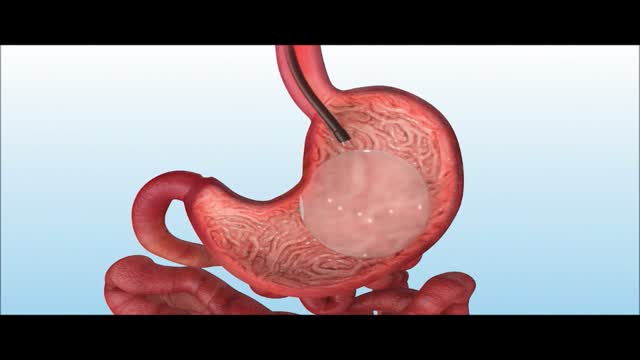
Orbera intragastric balloon for weight loss

Hydrocephalus can be fatal if left untreated. The damage to the brain can cause headaches, vomiting, blurred vision, cognitive problems, and walking difficulties. The term water on the brain is incorrect, because the brain is surrounded by CSF (cerebrospinal fluid), and not water.Oct 8, 2015
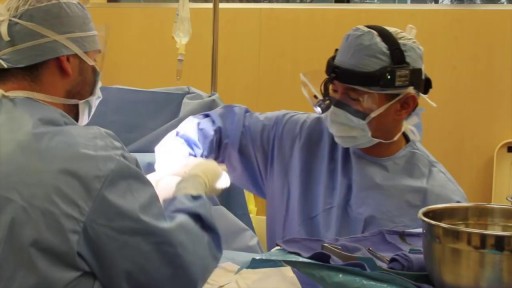
mammoplasty, is a surgical enhancement procedure to accentuate the size and shape of a woman’s breasts. While breast augmentation will make the breasts larger, the surgery will not move the breasts closer together or lift sagging breasts. Breast augmentation is tremendous help to patients who desire a fuller profile, who have lost breast volume due to pregnancy or nursing, or who have undergone breast reconstruction and want to gain a more natural look again.

The term chronic inflammatory demyelinating polyradiculoneuropathy (CIDP) has been used to identify patients with a chronically progressive or relapsing symmetric sensorimotor disorder with cytoalbuminologic dissociation and interstitial and perivascular endoneurial infiltration by lymphocytes and macrophages. It can be considered the chronic equivalent of acute inflammatory demyelinating polyradiculoneuropathy, the most common form of Guillain-Barré syndrome. Signs and symptoms CIDP typically starts insidiously and evolves slowly, in either a slowly progressive or a relapsing manner, with partial or complete recovery between recurrences; periods of worsening and improvement usually last weeks or months. Most experts consider the necessary duration of symptoms to be greater than 8 weeks for the diagnosis of CIDP to be made. Symptoms reported include the following: Preceding infection (infrequent) Initial limb weakness, both proximal and distal Sensory symptoms (eg, tingling and numbness of hands and feet) Motor symptoms (usually predominant) In about 16% of patients, a relatively acute or subacute onset of symptoms In children, usually a more precipitous onset of symptoms Symptoms of autonomic system dysfunction (eg, orthostatic dizziness) Pertinent physical findings are limited to the nervous system, except when the condition is associated with other diseases. Such findings may include the following. Signs of cranial nerve (CN) involvement (eg, facial muscle paralysis or diplopia) Gait abnormalities Motor deficits (eg, symmetric weakness of both proximal and distal muscles in upper and lower extremities) Diminished or absent deep tendon reflexes Sensory deficits (typically in stocking-glove distribution) Impaired coordination See Clinical Presentation for more detail. Diagnosis Laboratory studies that may be helpful include the following: Cerebrospinal fluid analysis: Elevated protein levels are common (80% of patients); 10% of patients also have mild lymphocytic pleocytosis and increased gamma globulin Complete blood count (CBC), erythrocyte sedimentation rate (ESR), antinuclear antibody (ANA) level, biochemistry profile, and serum and urine immunoelectrophoresis (to exclude associated systemic disorders) In certain instances, genetic testing Other tests and procedures that may be warranted are as follows: MRI of the spine with gadolinium enhancement Electromyography (EMG) is a critical test to determine whether the disorder is truly a peripheral neuropathy and whether the neuropathy is demyelinating Peripheral (sural) nerve biopsy (see the image below): This is considered when the diagnosis is not completely clear, when other causes cannot be excluded, or when profound axonal involvement is observed on EMG; biopsy was once commonly recommended for most patients before immunosuppressive therapy, but current guidelines no longer recommend it
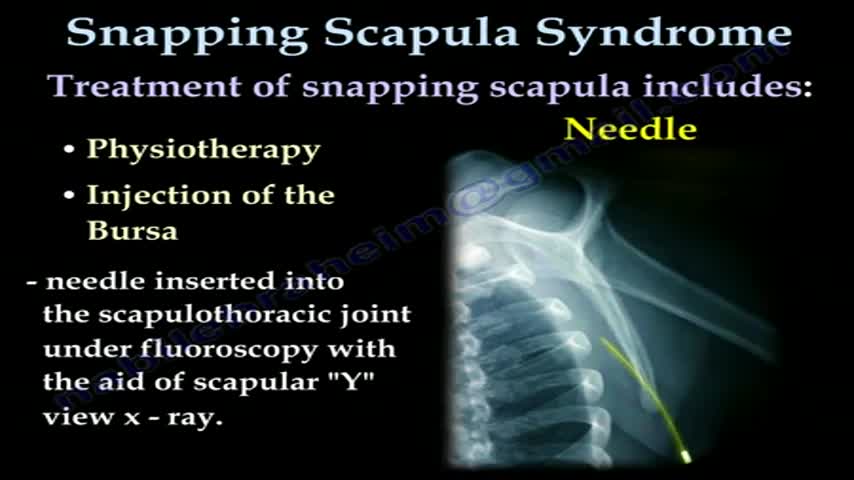
... Orthopedics & Sports Medicine Our Services Where Does it Hurt? SNAPPING SCAPULA SYNDROME PDF Icon PRINTABLE BOOKLET A PATIENT'S GUIDE TO SNAPPING SCAPULA SYNDROME INTRODUCTION The scapulothoracic joint is located where the shoulder blade (also called the scapula) glides along the chest wall (the thorax). When movement of this joint causes feelings or sounds of grating, grinding, popping, or thumping, doctors call it snapping scapula syndrome. Snapping scapula syndrome is fairly rare. When it happens, the soft tissues between the scapula and the chest wall are thick, irritated, or inflamed. Snapping scapula syndrome can also happen if the bones of the shoulder blade or rib cage grate over one another. This guide will help you understand what causes snapping scapula syndrome how doctors treat this condition ANATOMY What parts of the body are involved in this condition? The shoulder is made up of three bones: the humerus (upper arm bone), the clavicle (collarbone), and the scapula(shoulder blade). Two large muscles attach to the front part of the scapula where it rests against the chest wall. One of them, called the subscapularis muscle, attaches over the front of the scapula where it faces the chest wall. The serratus anterior muscle attaches along the edge of the scapula nearest the spine. It passes in front of the scapula, wraps around the chest wall, and connects to the ribs on the front part of the chest. A bursa is a fluid-filled sac that cushions body tissues from friction. A bursa sits between the two muscles of the scapula. There is also a bursa in the space between the serratus anterior muscle and the chest wall. When bursa sacs become inflamed, the condition is called bursitis. Scapulothoracic bursitis refers to inflammation in the bursa under the shoulder blade. This type of bursitis is most common in the upper corner of the scapula nearest the spine. It also occurs under the lower tip of the scapula. In either case, it can cause the sounds and sensations of snapping scapula syndrome. A person can have bursitis in the joint without any grinding or popping. Related Document: A Patient's Guide to Shoulder Anatomy CAUSES What causes this condition? Snapping scapula is caused by problems in the soft tissues or bones of the scapula and chest wall. It can start when the tissues between the scapula and shoulder blade thicken from inflammation. The inflammation is usually caused by repetitive movements. Certain motions of the shoulder done over and over again, such as the movements of pitching baseballs or hanging wallpaper, can cause the tissues of the joint to become inflamed. In other cases, the muscles under the scapula have shrunk (atrophied) from weakness or inactivity. The scapula bone then rides more closely to the rib cage. This means the scapula bumps or rubs on the rib bones during movement. Changes in the alignment or contour of the bones of the scapulothoracic joint can also cause snapping scapula. When a fractured rib or scapula isn't lined up just right, it can cause a bumpy ridge that produces the characteristic grind or snap as the scapula moves over the chest wall.
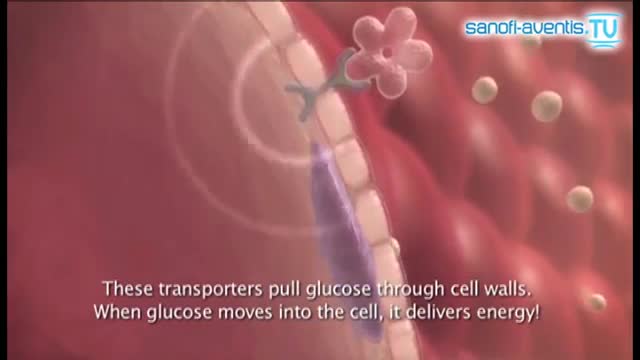
Insulin is a hormone made naturally in the pancreas that helps move sugar into the cells of your body. Your cells use the sugar as fuel to make energy. Without enough insulin, sugar stays in your bloodstream, raising your blood sugar. High blood sugar, or hyperglycemia, can lead to the signs and symptoms of diabetes:
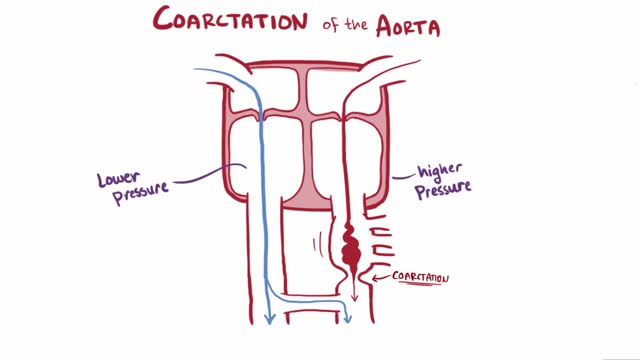
Coarctation of the aorta (CoA[1][2] or CoAo), also called aortic narrowing, is a congenital condition whereby the aorta is narrow, usually in the area where the ductus arteriosus (ligamentum arteriosum after regression) inserts. The word “coarctation” means narrowing. Coarctations are most common in the aortic arch. The arch may be small in babies with coarctations. Other heart defects may also occur when coarctation is present, typically occurring on the left side of the heart. When a patient has a coarctation, the left ventricle has to work harder. Since the aorta is narrowed, the left ventricle must generate a much higher pressure than normal in order to force enough blood through the aorta to deliver blood to the lower part of the body. If the narrowing is severe enough, the left ventricle may not be strong enough to push blood through the coarctation, thus resulting in lack of blood to the lower half of the body. Physiologically its complete form is manifested as interrupted aortic arch
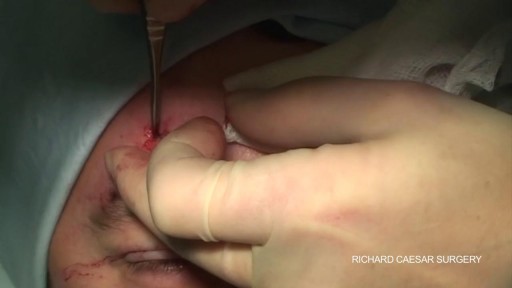
Silicone Brow Suspension of Eye Lid

http://sin-celulitis.good-info.co/ Como Eliminar La Celulitis, Celulitis Infecciosa Tratamiento, Celulitis Tratamiento,quitar Celulitis. Yo se muy bien lo devastadora que puede llegar a ser la tan odiada piel de naranja para ti. No hay nada peor que la vergüenza que causa en la piel femenina. Esta puede perfectamente aplastar el autoestima de cualquier mujer. Pero sabes muy bien que eso no es todo, a causa de la celulitis también te suceden cosas como estas: Sientes tremenda vergüenza de que vean tus piernas y glúteos con hoyuelos. Tu pareja te ha hecho comentarios que te incomodan sobre tus piernas (o sabes que lo piensa) No puedes usar ropa ajustada ni blanca por temor de que se note el “alto relieve” de tu piel. Te deprimes cada vez que te miras al espejo. Ir a la playa se ha convertido en una tortura cuando tus amigas usan traje de baño y tu tratas de cubrirte lo más posible. Has gastado muchísimo dinero en tratamientos para eliminar la celulitis que nunca funcionaron. No puedes acariciar tu piel sin sentir la desagradable piel de naranja. Aviso: Los Secretos Tras Una Piel Libre De Celulitis Al Descubierto. Haga Clic Aqui. http://sin-celulitis.good-info.co
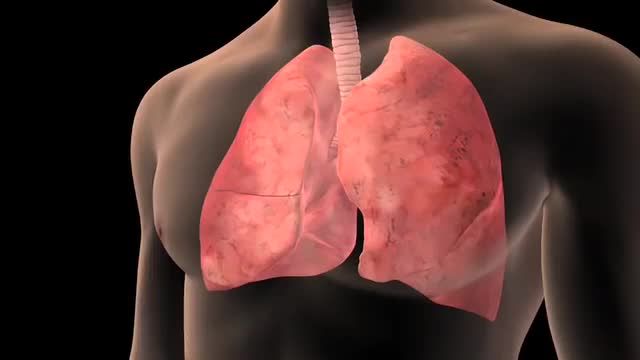
Lung cancer is a type of cancer that begins in the lungs. Your lungs are two spongy organs in your chest that take in oxygen when you inhale and release carbon dioxide when you exhale. Lung cancer is the leading cause of cancer deaths in the United States, among both men and women. Lung cancer claims more lives each year than do colon, prostate, ovarian and breast cancers combined. People who smoke have the greatest risk of lung cancer. The risk of lung cancer increases with the length of time and number of cigarettes you've smoked. If you quit smoking, even after smoking for many years, you can significantly reduce your chances of developing lung cancer.
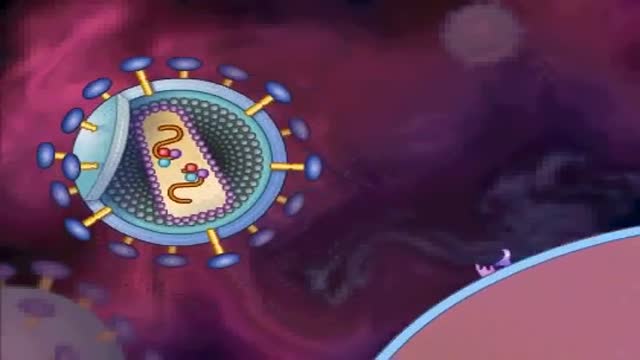
HIV stands for human immunodeficiency virus. If left untreated, HIV can lead to the disease AIDS (acquired immunodeficiency syndrome). Unlike some other viruses, the human body can’t get rid of HIV completely. So once you have HIV, you have it for life. HIV attacks the body’s immune system, specifically the CD4 cells (T cells), which help the immune system fight off infections. If left untreated, HIV reduces the number of CD4 cells (T cells) in the body, making the person more likely to get infections or infection-related cancers. Over time, HIV can destroy so many of these cells that the body can’t fight off infections and disease. These opportunistic infections or cancers take advantage of a very weak immune system and signal that the person has AIDS, the last state of HIV infection. No effective cure for HIV currently exists, but with proper treatment and medical care, HIV can be controlled. The medicine used to treat HIV is called antiretroviral therapy or ART. If taken the right way, every day, this medicine can dramatically prolong the lives of many people with HIV, keep them healthy, and greatly lower their chance of transmitting the virus to others. Today, a person who is diagnosed with HIV, treated before the disease is far advanced, and stays on treatment can live a nearly as long as someone who does not have HIV.

Cardiac arrest is the abrupt loss of heart function in a person who may or may not have diagnosed heart disease. The time and mode of death are unexpected. It occurs instantly or shortly after symptoms appear. Each year, more than 350,000 emergency medical services-assessed out-of-hospital cardiac arrests occur in the United States
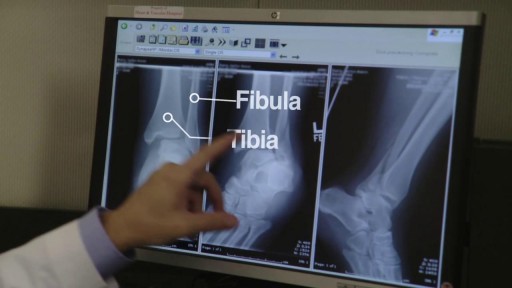
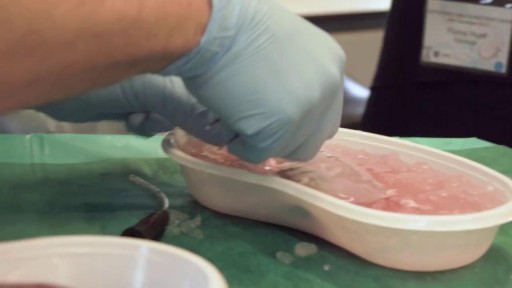

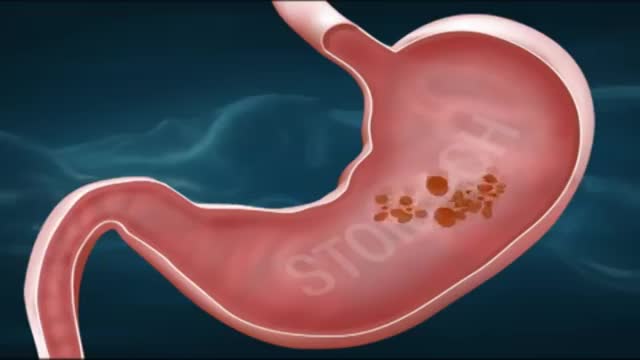
Diabetes, often referred to by doctors as diabetes mellitus, describes a group of metabolic diseases in which the person has high blood glucose (blood sugar), either because insulin production is inadequate, or because the body's cells do not respond properly to insulin, or both. Patients with high blood sugar will typically experience polyuria (frequent urination), they will become increasingly thirsty (polydipsia) and hungry (polyphagia).
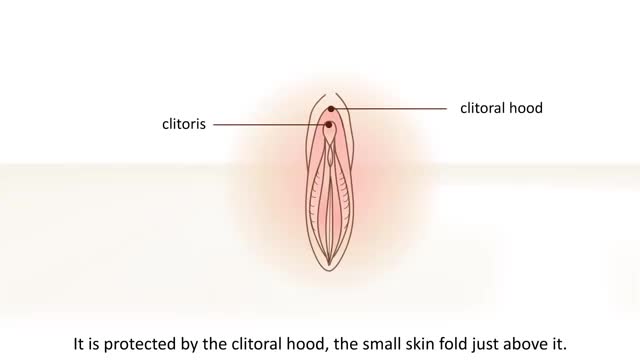
Although most women have had enough experience to know how to pleasure a man in the bedroom, but you can be sure that are several girls who would be virgins when you first take them to bed. Though most Indian men actually prefer to make love with a virgin. There are also numerous men who dislike the idea due to the pressure of making love to someone with no experience. So if you happen to be dating a virgin then there are a few important things that you should always keep in mind when you take her to bed. Though you have made love to different women before, you need to understand that this one being a virgin will know little or nothing about what is expected of her in bed. Because she will be anxious and nervous, you have to be all the more careful to ensure that she gets to enjoy her first time with you. Kiss her Whether you are doing it with a virgin or someone with a record that would put Pam Anderson to shame, you should take your time to make love to her just with your lips. Use your lips with passion, and kiss her parts that other guys tend to ignore. Kiss her lips, her hips, her shoulders, her hands, nuzzle her ears - parts which aren’t necessary sexual. Give your girl a hand Okay this one may look straight out of a B-grade south Indian movie, but starting off with a sensual full body massage is an excellent way of warming her up. So use some nice aromatic oils like lavender or Yang-Yang to massage her body. If you are more experienced, you would be aware the various erogenous zones of a woman’s body. Start with the nape of her neck and slowly work your way down to her back, gently knead her breasts and play with her nipples, gently flick at them and manipulate them to erection. Get her to lie on her stomach and massage her inner thighs. Lovingly caress her buttocks and move your hands close to her valley of pleasure. She might be too shy to tell you, but her ultimate pleasure point would be dying for your attention. Gently, stroke her outer lips or the labia. Whatever, apprehensions or fears she may have had about sex will all disappear once your finger start creating magic in her nether regions. Never criticise her Remember, she has never felt a man’s body before, which essentially means that when she tries to explore your body you may not necessarily enjoy it. So let her hold your penis and fondle it, let her lick and nibble you and tickle you body. You may not find her amateurish attentions very arousing but don’t make her feel like an amateur in bed. If she does something right let her know how much you are enjoying it. Guide her fingers to your pleasure points and tell her what you would like a girl to do in bed. Being the more experienced partner you should be like her loving mentor, and teach her the intricacies of pleasuring a man. Make her touch herself While she may or may not have masturbated before, by getting her to touch herself you would be able to make her feel the unknown. Tell her how badly you want to see her masturbate. The idea is open her to own sexuality. Its time to penetrate When you think that she is finally ready to be penetrated, enter her as gently as possible. Also make sure that she is producing enough lubrication to facilitate the act. Keep your strokes slow and shallow and avoid pushing too deep during your first few strokes. If you are able to make her feel comfortable and safe, any pain that she may experience in the beginning will soon disappear, and be replaced by moans of ecstasy. The first time can be nerve racking for most men. Just remember how nervous you were when you had sex for the first time. So when your take your virginal girlfriend to bed for first time makes the experience as pleasurable for her as possible.

Verrugas Genitales, Verrugas Del Papiloma Humano, Verrugas En El Cuerpo, Como Eliminar Lunares -- http://sinverrugasylunares.plus101.com --- El Nitrógeno Liquido Es Seguro Para Eliminas Tus Verrugas? Dentro de los tratamientos para las verrugas que la medicina convencional ofrece existe la crioterapia el cual se utiliza nitrógeno líquido. Este tratamiento es de los más comunes que se utilizan para remover las verrugas, este tratamiento debe ser administrado por un profesional especializado. Ya que si se hace sin la supervisión adecuada puede provocar severos daños en la piel. El tratamiento se aplica de la forma siguiente: Se aplica sobre la verruga un poco de nitrógeno líquido ya sea en aerosol o con un algodón, teniendo cuidado de no aplicar a áreas sanas de la piel, esto debido a que el nitrógeno líquido puede afectar severamente a la piel sana, es por eso que debe ser aplicado por un profesional. Para eliminar la verruga serán necesarias varias aplicaciones, al cabo de 2 a 3 semanas la verruga se caerá dejando una costra sobre la piel. Las molestias sobre este tratamiento depende mucho del especialista que lo aplique, existen casos en que a sido doloroso porque el médico a rociado nitrógeno líquido en las partes alrededor de la verruga, lo cual produce un severo daño a la piel, eso sin contar la costra que se forma en la parte donde estuvo la verruga después de que esta se cayera. Generalmente el dolor es mínimo pero también se tiene la opción de aplicar anestesia local sobre la parte afectada. Tu sistema inmunológico es un arma poderosa contra todas las infecciones que existen, pero lamentablemente no le damos el debido mantenimiento q ue necesita para poder luchar contra las infecciones virales. Te invito a conocer esta guía aquí: http://sinverrugasylunares.plus101.com

The impacts of infertility from the bedroom to the bank account – options to support the journey to parenthood.
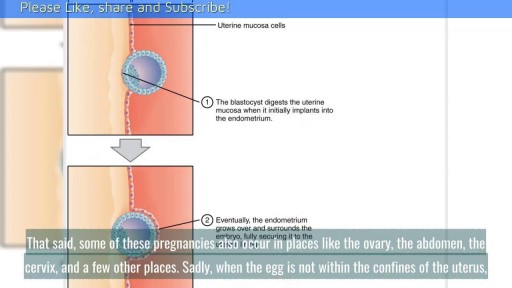
When Does Implantation Occur in Pregnancy? || Common gynaecological problems in women There are a lot of things going on in early pregnancy. The first thing that you need to understand is the menstrual cycle. A good understanding of this can help you understand how the other parts play into the process. A huge part of the menstrual cycle that is the basis of pregnancy is ovulation. Ovulation typically occurs fourteen days prior to the beginning of menstruation, the point when the uterine lining is sloughed off if no pregnancy has occurred.
