
أهم مقاطع الفيديو

https://www.youtube.com/watch?v=0N7Yy1UYEWk
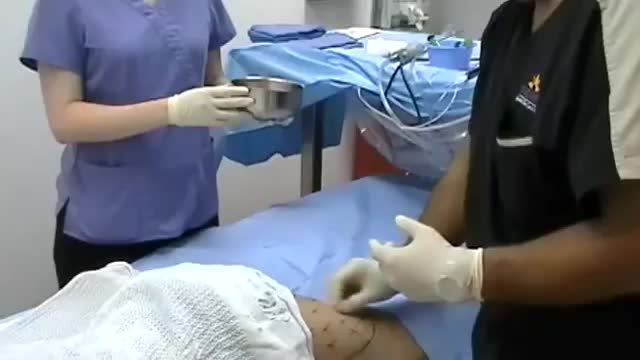
Liposuction SmartLipo Ultra Procedure with Dr David Salvador Documentary

Best facial cosmetic surgeons Best facial plastic surgeon Browlift Charlotte endoscopic brow lift Charlotte’s top facial plastic surgeon Facial plastic surgeons Facial plastic surgery Face lifts Facial mini-tuck Lip enhancement Lip augmentation Nose j

Charlotte NC
Best facial cosmetic surgeons Best facial plastic surgeon Browlift Charlotte endoscopic brow lift Charlotte’s top facial plastic surgeon Facial plastic surgeons Facial plastic surgery Face lifts Facial mini-tuck Lip enhancement Lip augmentation Nose job Nose job cost Nose surgery Rhinoplasty Rhinoplasty Expert Rhinoplasty and teens Revision rhinoplasty Teen Rhinoplasty, Charlotte Teen Rhinoplasty, North Carolina Teen Rhinoplasty Expert Top rhinoplasty surgeons Best Charlotte rhinoplasty surgeons: C local listings,#8, 9 organic listings Most experienced rhinoplasty surgeons

Best and 100% Successful Hymen Repair Surgery in Delhi with Latest Ultrafine Hymen repair Technology. 100% successful , Secure and Private. for more information visit: http://www.olmeccosmeticsurgery.com/best-hymenoplasty-surgery-india-delhi/
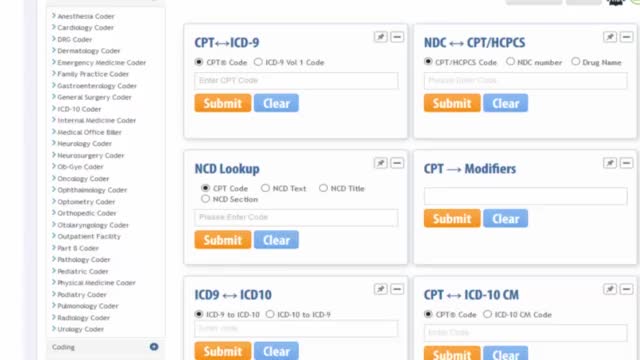
Check out how Physician Coder – an online specialty solution – can help you meet your practice’s goals for error-free coding. From helping you meet all your ICD-10 coding needs from one place with code lookup, crosswalk, superbill converter, scrubber, and monthly specialty articles to helping you review CPT® 2016 changes with expert analysis for your specialty, we have you covered. Plus, you’ll also learn how to stay up-to-date on 2016 fee schedule details like RVUs, global days, and MUEs; check the latest CCI edits and view LCD policy details.

Skin Cysts Cysts are noncancerous, closed pockets of tissue that can be filled with fluid, pus, or other material. Cysts are common on the skin and can appear anywhere. They feel like large peas under the surface of the skin. Cysts can develop as a result of infection, clogging of sebaceous glands (oil glands), or around foreign bodies, such as earrings.

Autonomous Tumor Localization and Extraction: Palpation, Incision, Debridement and Adhesive Closure with the da Vinci Research Kit. This video demonstrates a successful trial of the entire five-step procedure where human input is required only at four points to change tools. We also show failure modes of the current autonomous system and we are working on experiments to characterize the reliability of each step and on incorporating computer vision and new probing algorithms to improve robustness.

This is the incredible moment a new-born baby arrived still inside its amniotic sac, completely intact. The tiny infant can be seen moving and stretching still inside the sac, as medics prepare to snip the new born free. The amniotic sac is a thin but durable membrane filled with fluid which helps keep a baby warm and safe from bumps during pregnancy. When it breaks, this is typically referred to as a woman's 'waters breaking' shortly before she gives birth. But in rare cases, less than 1-in-80,000 births, the baby is delivered with the membranes still intact and this is known as a 'caul birth'. Some babies are born with part of the membrane still attached to them, but to be born completely encased in the intact membrane is incredibly rare. Many people still believe the phenomenon to be a good omen for the child's infancy and it is has even been suggested, but not proven, that caul babies will always have a natural affinity for water. The video was taken in Spain on Saturday and captures the rare moment the baby was born with the membrane covering its entire body, just minutes after its twin was delivered normally.

Como Engravidar De Menino, Engravidar De Uma Menina, Como Faço Para Engravidar De Menina. Revelado: Maneira Incomum para Engravidar de uma MENINA! Fiquei impressionada pela grande quantidade de mulheres que possuem uma preferência para o sexo do seu bebê, e portanto vou falar hoje de como aumentar as suas chances de conceber uma menininha! Para aumentar as chances de engravidar de uma menina, devem-se considerar as características dos espermatozoides que carregam o gene X (que irá gerar uma menina) e dos que carregam o gene Y (que gerará um menino). Os espermatozoides femininos são mais lentos, porém mais resistentes que os espermatozoides masculinos. E como mencionei lá em cima a duração é diferente: os espermatozoides que carregam o gene X duram, em média, 72 horas, já os que carregam o gene Y duram menos, cerca de 24 horas. Com essas informações, a dica é ter relações sexuais dois ou três dias antes do período fértil, visto que os espermatozoides femininos são mais resistentes e conseguem “sobreviver” no corpo da mulher até que ela esteja ovulando. Para calcular o período fértil, deve-se considerar o dia da ovulação (em média, 14 dias após o primeiro dia da menstruação) e deixar uma margem de três dias antes e três dias depois da ovulação. Para saber o dia da ovulação, existem testes vendidos em farmácias, que funcionam como os testes de gravidez. Outra dica é observar o muco cervical, que fica com aspecto de clara de ovo no período fértil. Outra recomendação é adotar posições em que a penetração não seja tão profunda. É importante ainda que a mulher tenha orgasmo depois do homem, porque a secreção que ela libera quando atinge o clímax deixa a vagina menos ácida, facilitando a movimentação dos espermatozoides que carregam o gene Y (que irá gerar um menino). No caso da alimentação deve alterar o cardápio algumas semanas antes da ovulação, dando preferência para alimentos com muito cálcio e em magnésio como leite e derivados, frutas, verduras verde-escuras, como espinafre, couve e rúcula. Além disso, é necessário evitar comidas com muito sódio e potássio e reduzir o consumo de carne. Para mais dicas de como engravidar e uma menina acesse o link abaixo Dicas de como engravidar de uma MENINA Vídeo + Informações http://escolher-sexo-bebe.info-pro.co

Retropharyngeal abscess (RPA) produces the symptoms of sore throat, fever, neck stiffness, and stridor. RPA occurs less commonly today than in the past because of the widespread use of antibiotics for suppurative upper respiratory infections. The incidence of RPA in the United States is rising, however. Once almost exclusively a disease of children, RPA is observed with increasing frequency in adults. It poses a diagnostic challenge for the emergency physician because of its infrequent occurrence and variable presentation.

An intracranial hematoma occurs when a blood vessel ruptures within your brain or between your skull and your brain. The collection of blood (hematoma) compresses your brain tissue. An intracranial hematoma may occur because the fluid that surrounds your brain can't absorb the force of a sudden blow or a quick stop. Then your brain may slide forcefully against the inner wall of your skull and become bruised. Although some head injuries — such as one that causes only a brief lapse of consciousness (concussion) — can be minor, an intracranial hematoma is potentially life-threatening and often requires immediate treatment. An intracranial hematoma often, but not always, requires surgery to remove the blood.
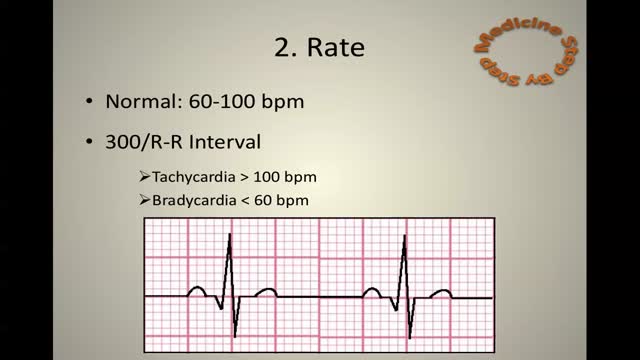
ECG Learn it

Juvenile rheumatoid arthritis, also known as juvenile idiopathic arthritis, is the most common type of arthritis in children under the age of 17. Juvenile rheumatoid arthritis causes persistent joint pain, swelling and stiffness. Some children may experience symptoms for only a few months, while others have symptoms for the rest of their lives. Some types of juvenile rheumatoid arthritis can cause serious complications, such as growth problems and eye inflammation. Treatment of juvenile rheumatoid arthritis focuses on controlling pain, improving function and preventing joint damage.

Pulmonary hypertension is a type of high blood pressure that affects the arteries in your lungs and the right side of your heart. In one form of pulmonary hypertension, tiny arteries in your lungs, called pulmonary arterioles, and capillaries become narrowed, blocked or destroyed. This makes it harder for blood to flow through your lungs, and raises pressure within your lungs' arteries. As the pressure builds, your heart's lower right chamber (right ventricle) must work harder to pump blood through your lungs, eventually causing your heart muscle to weaken and fail. Some forms of pulmonary hypertension are serious conditions that become progressively worse and are sometimes fatal. Although some forms of pulmonary hypertension aren't curable, treatment can help lessen symptoms and improve your quality of life. Pulmonary hypertension care at Mayo Clinic
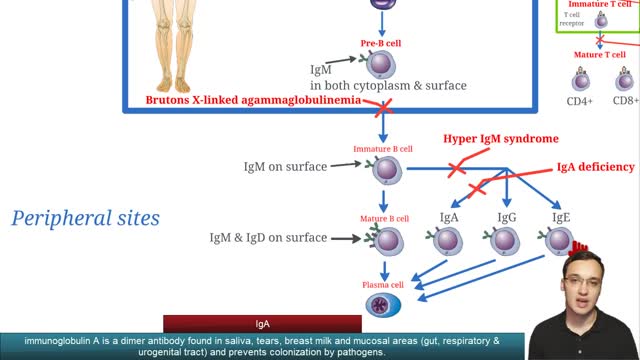
Selective immunoglobulin A deficiency (SIgAD) is a primary immunodeficiency disease and is the most common of the primary antibody deficiencies.[1] Total immunoglobulin A deficiency (IgAD) is defined as an undetectable serum immunoglobulin A (IgA) level at a value < 5 mg/dL (0.05 g/L) in humans. Partial IgAD refers to detectable but decreased IgA levels that are more than 2 standard deviations below normal age-adjusted means.[2, 3] IgAD is commonly associated with normal B lymphocytes in peripheral blood, normal CD4+ and CD8+ T cells, and, usually, normal neutrophil and lymphocyte counts. Anti-IgA autoantibodies of the IgG and/or IgE isotype may be present. Peripheral blood may also be affected by autoimmune cytopenias, eg, autoimmune thrombocytopenia,[4, 5] and patients may have other autoimmune phenomena. IgA was first identified by Graber and Williams in 1952; ten years later, the first patients with IgAD were described. IgAD is a heterogeneous disorder, and the results of intensive study are beginning to elucidate genetic loci and molecular pathogenesis that contribute to various subtypes of this disorder. Several lines of evidence suggest that, in many cases, IgAD and common variable immunodeficiency (CVID) have a common pathogenesis, which is discussed further in Pathophysiology. Other data indicate different genetic risk factors. Family studies show variable inheritance patterns. Familial inheritance of IgAD occurs in approximately 20% of cases,[6] and, within families, IgAD and CVID are associated.[7, 8] Many IgAD patients are asymptomatic (ie, "normal" blood donors) and are identified by finding a laboratory abnormality, without any apparent associated clinical disease. Some patients with IgAD may have the following associated conditions: (1) deficits in one or more immunoglobulin G (IgG) subclasses (this accounts for 20-30% of IgA-deficient patients, many of whom may have total IgG levels within the normal range) or (2) a deficient antibody response to pneumococcal immunization (specific polysaccharide antibody deficiency [SPAD]). Some patients with IgAD later develop CVID, and family members of patients with CVID may have only selective IgAD. Characterization of the receptor for the transmembrane activator and calcium-modulator and cyclophilin ligand interactor (TACI), encoded by the gene TNFRSF13B ( tumor necrosis factor receptor superfamily member 13B), suggests that people with the C104, A181E, and ins204A variants may be at risk for IgAD that progresses to CVID.[9] Primary IgAD is permanent, and below-normal levels have been noted to remain static and persist after 20 years of observation.[10] A recent report documents a rare case of reversion.[11] Environmental factors such as drugs or infections can cause IgAD, but this form is reversible in more than half the cases (see Causes). Although individuals with IgAD have largely been considered healthy, recent studies indicate a higher rate of symptoms. A 20-year follow-up study that compared 204 healthy blood donors with incidentally identified IgAD to 237 healthy subjects with normal IgA levels demonstrated that 80% of IgAD donors and 50% of control subjects had episodes of infections, drug allergy, or autoimmune or atopic disease. Severe respiratory tract infections occurred in 26% of IgAD subjects, in 24% of subjects with decreased IgA levels, and in 8% of control subjects; however, the incidence of life-threatening infections was not increased. IgAD is more common in adult patients with chronic lung disease than in healthy age-matched control subjects.[12] Patients with IgAD are at some increased risk of developing severe reactions after receiving blood products.[13, 14, 15] IgG anti-IgA antibodies may cause severe transfusion reactions if patients with IgAD are given whole blood; therefore, IgA-poor blood or washed red cells are preferred for those patients. IgA-deficient patients with immunoglobulin E (IgE)–class anti-IgA antibodies are at risk for anaphylaxis if they receive blood or intravenous immunoglobulin, but this situation is extremely rare. Individuals with such an unusual profile should receive only low IgA intravenous immunoglobulin preparations. However, caution must be used when administering IGIV to patients with IgAD if their anti-IgA status is unknown. A history devoid of previous blood product administration does not exclude the possibility of anti-IgA antibodies or adverse reactions. Fortunately, appropriate precautions can significantly reduce morbidity (see Treatment). Blood banks can use a simple ELISA screening approach to establish an IgAD blood donor poo
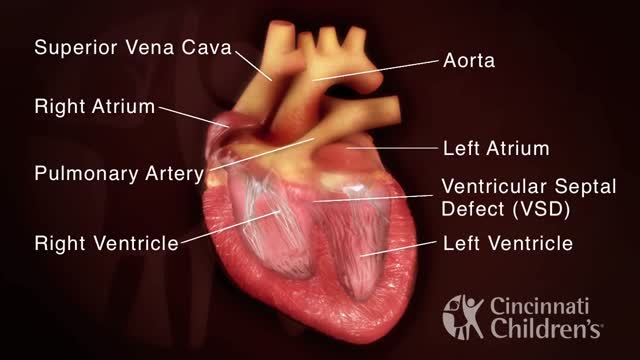
Tetralogy of Fallot (teh-TRAL-uh-jee of fuh-LOW) is a rare condition caused by a combination of four heart defects that are present at birth. These defects, which affect the structure of the heart, cause oxygen-poor blood to flow out of the heart and to the rest of the body. Infants and children with tetralogy of Fallot usually have blue-tinged skin because their blood doesn't carry enough oxygen. Tetralogy of Fallot is often diagnosed during infancy or soon after. However, tetralogy of Fallot might not be detected until later in life, depending on the severity of the defects and symptoms. With early diagnosis followed by appropriate surgical treatment, most children who have tetralogy of Fallot live relatively normal lives, though they'll need regular medical care and might have restrictions on exercise.
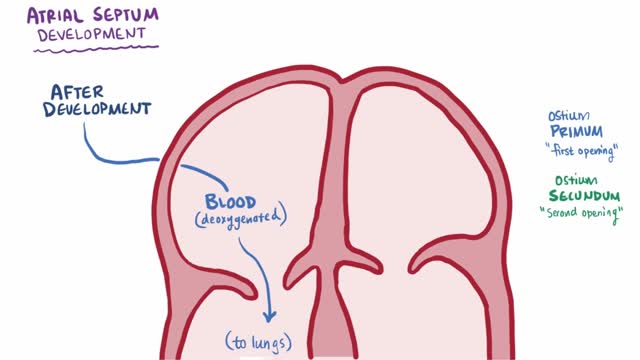
An atrial septal defect (ASD) is a hole in the wall between the two upper chambers of your heart (atria). The condition is present from birth (congenital). Small atrial septal defects may close on their own during infancy or early childhood. Large and long-standing atrial septal defects can damage your heart and lungs. Small defects may never cause a problem and may be found incidentally. An adult who has had an undetected atrial septal defect for decades may have a shortened life span from heart failure or high blood pressure that affects the arteries in the lungs (pulmonary hypertension). Surgery may be necessary to repair atrial septal defects to prevent complications.
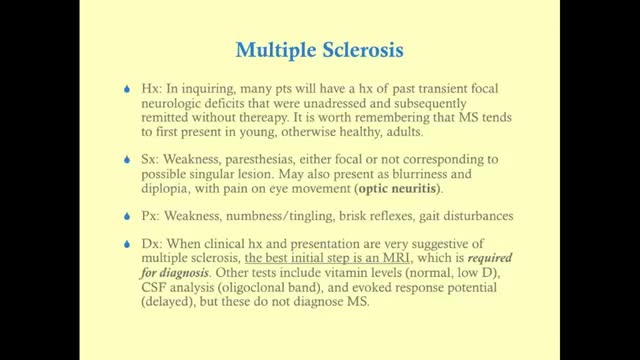
Multiple sclerosis (MS) affects the brain and spinal cord. Early MS symptoms include weakness, tingling, numbness, and blurred vision. Other signs are muscle stiffness, thinking problems, and urinary problems. Treatment can relieve MS symptoms and delay disease progression.

Beta blockers, also known as beta-adrenergic blocking agents, are medications that reduce your blood pressure. Beta blockers work by blocking the effects of the hormone epinephrine, also known as adrenaline. When you take beta blockers, your heart beats more slowly and with less force, thereby reducing blood pressure. Beta blockers also help blood vessels open up to improve blood flow. Examples of beta blockers Some beta blockers mainly affect your heart, while others affect both your heart and your blood vessels. Which one is best for you depends on your health and the condition being treated. Examples of oral beta blockers include: Acebutolol (Sectral) Atenolol (Tenormin) Bisoprolol (Zebeta) Metoprolol (Lopressor, Toprol-XL) Nadolol (Corgard) Nebivolol (Bystolic) Propranolol (Inderal LA, InnoPran XL)
