
- Physical Examination
- Surgical Examination
- Ophthalmology
- Clinical Skills
- Orthopedics
- Surgery Videos
- Laparoscopy
- Pediatrics
- Funny Videos
- Cardiothoracic Surgery
- Nursing Videos
- Plastic Surgery
- Otorhinolaryngology
- Histology and Histopathology
- Neurosurgery
- Dermatology
- Pediatric Surgery
- Urology
- Dentistry
- Oncology and Cancers
- Anatomy Videos
- Health and Fitness
- Radiology
- Anaesthesia
- Physical Therapy
- Pharmacology
- Interventional Radiology
- Cardiology
- Endocrinology
- Gynecology
- Emergency Medicine
- Psychiatry and Psychology
- Childbirth Videos
- General Medical Videos
- Nephrology
- Physiology
- Diet and Food Health
- Diabetes Mellitus
- Neurology
- Women Health
- Osteoporosis
- Gastroenterology
- Pulmonology
- Hematology
- Rheumatology
- Toxicology
- Nuclear Medicine
- Infectious Diseases
- Vascular Disease
- Reproductive Health
- Burns and Wound Healing
- Other
Top videos
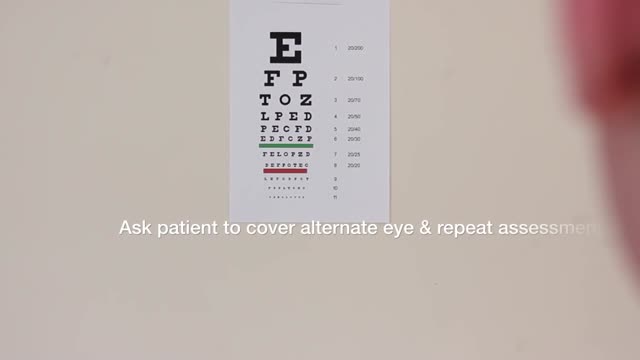

Examination of the Eyes and Vision
Future Technologies and Medical Advances That Will Change The World
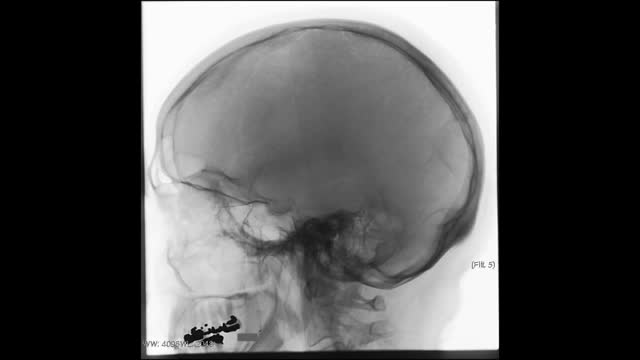
The management of acute ischemic stroke has advanced greatly over the past 2 decades. New interventions, including intravenous and endovascular treatment strategies, have evolved to recanalize arteries and salvage the ischemic brain. The evolution of interventional approaches to the treatment of acute stroke has been prompted by the limitations of intravenous therapy and intended to extend the treatment window, improve recanalization rates, and subsequently long-term clinical outcomes. The major techniques that have defined the current field of interventional acute stroke management and the relevant past and current data, and ongoing clinical trials on interventional stroke therapy will be reviewed. New issues, such as futile recanalization, and time to microcatheter, will also be discussed.
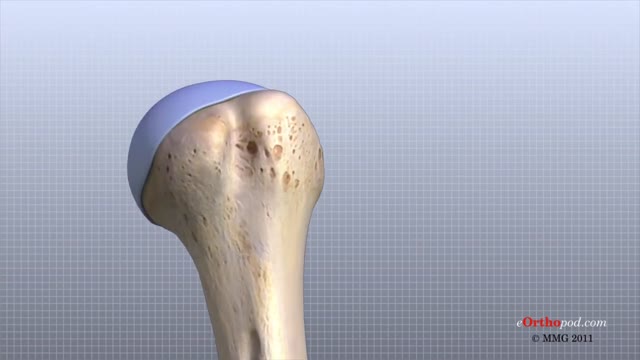
The shoulder joint is formed where the humerus (upper arm bone) fits into the scapula (shoulder blade), like a ball and socket. Other important bones in the shoulder include: The acromion is a bony projection off the scapula. The clavicle (collarbone) meets the acromion in the acromioclavicular joint.
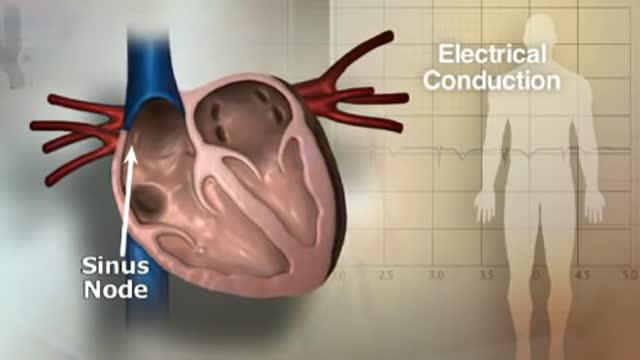
If you or someone you love has atrial fibrillation, learn more about what AFib is, why treatment can save lives, and what you can do to reach your goals, lower your risks and live a healthy life.
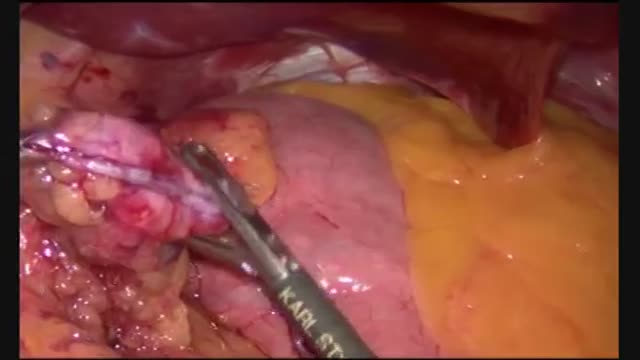
Gastric Bypass Surgery - Maagverkleining - Weight Loss Surgery - WLS
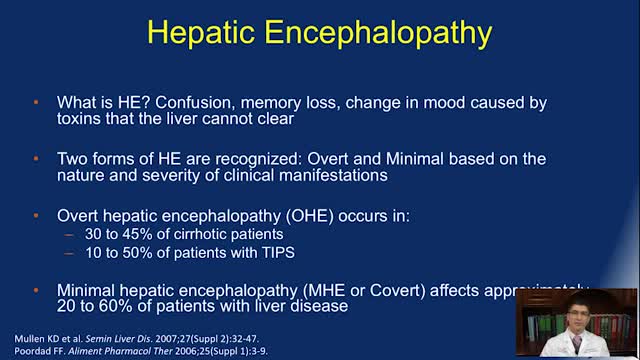
Symptoms of hepatic encephalopathy differ depending on the underlying cause of the liver damage. Symptoms and signs of hepatic encephalopathy may include: difficulty thinking. personality changes. poor concentration. problems with handwriting or loss of other small-hand movements. confusion. forgetfulness. poor judgment.
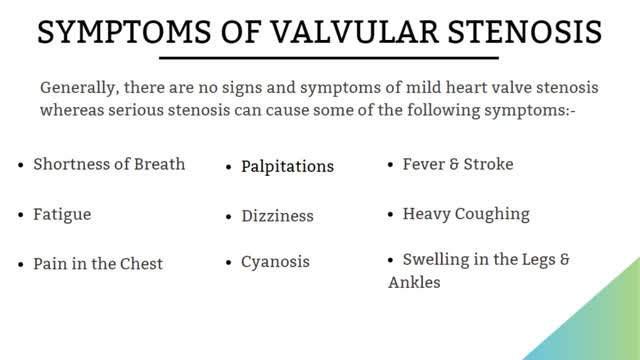
Valvular stenosis occurs when one or more heart valves are narrowed, stiffened, thickened or blocked. A variety of treatment options are available for this disorder. Learn more about the treatments on: bit.ly/2g6Mh8f
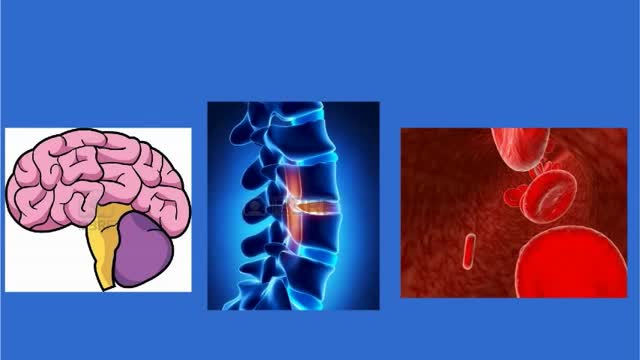
There are currently 2 types of pneumococcal vaccines: pneumococcal conjugate vaccine (PCV13 or Prevnar 13®) and pneumococcal polysaccharide vaccine (PPSV23 or Pneumovax®). PCV13 is recommended for all children younger than 5 years old, all adults 65 years or older, and people 6 years or older with certain risk factors.

Odor is a topic that’s not only embarrassing to discuss for many, but it’s simply embarrassing to live with for anyone who may be experiencing it. Oftentimes, it’s the result of a vaginal yeast infection, but that’s not always the case — which is why it’s important to find the root cause. Having a healthy vagina is extremely important to overall health, healthy births and healthy marriages, and vaginal odor can be a signal that there might be a health issue at play. How this affects a woman’s self-esteem is another side effect, not to mention how it can affect her relationship with her significant other due to the impact it may have on their sex life. While there are many causes, most of the time it can be resolved through natural remedies. But where does this incredibly uncomfortable vaginal odor come from, and what is it in the first place? Vaginal odor is defined as any odor that originates from the vagina. It’s normal for your vagina to have a slight odor given it’s an opening to the interior of the body, but a strong vaginal smell, such as a fishy vaginal odor, could indicate a bigger problem and should be checked out with your physician.
Diabetes Complications and Kidney Disease
During in vitro fertilization (IVF), eggs and sperm are brought together in a laboratory glass dish to allow the sperm to fertilize an egg. With IVF, you can use any combination of your own eggs and sperm and donor eggs and sperm. After IVF, one or more fertilized eggs are placed in the uterus .
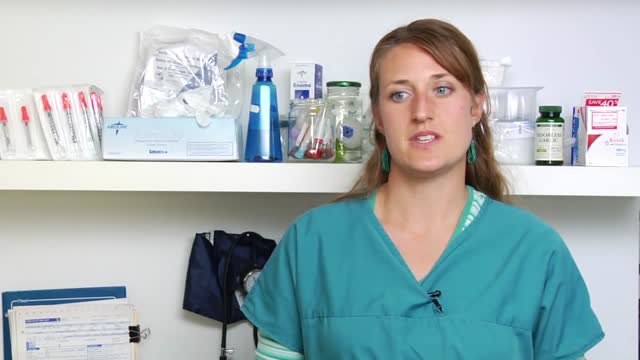
Pregnancy Tips : How Early Can You Take a Blood Test for Pregnancy?
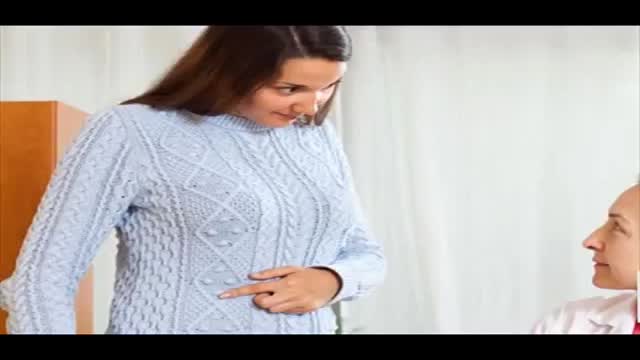
The physical signs of pregnancy are easy to recognize -- nausea, fatigue, that swollen belly and (often) a healthy glow. But what if you had these telltale pregnancy symptoms -- and weren't actually pregnant? As crazy as it sounds, it does happen. False pregnancy, or pseudocyesis, is a condition in which a woman believes that she's pregnant, yet conception hasn't taken place and no baby is forming inside. Common, and often lasting, pregnancy symptoms help to reinforce this idea, which can lead a woman to be absolutely certain she's expecting, for months or even years!
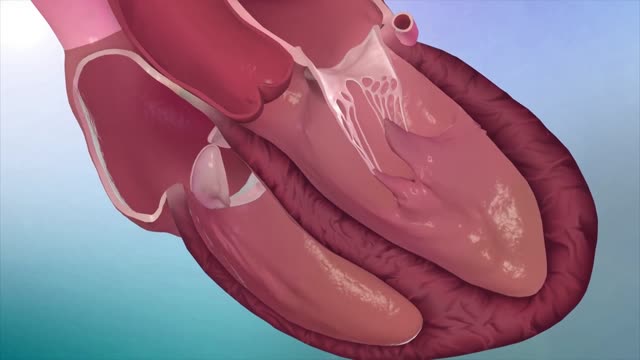
Hypertrophic cardiomyopathy (HCM) is very common and can affect people of any age. It affects men and women equally. It is a common cause of sudden cardiac arrest in young people, including young athletes. Hypertrophic cardiomyopathy occurs if heart muscle cells enlarge and cause the walls of the ventricles (usually the left ventricle) to thicken. The ventricle size often remains normal, but the thickening may block blood flow out of the ventricle. If this happens, the condition is called obstructive hypertrophic cardiomyopathy. Sometimes the septum, the wall that divides the left and right sides of the heart, thickens and bulges into the left ventricle. This can block blood flow out of the left ventricle. Then the ventricle must work hard to pump blood. Symptoms can include chest pain, dizziness, shortness of breath, or fainting. Hypertrophic cardiomyopathy also can affect the heart's mitral valve, causing blood to leak backward through the valve. Sometimes, the thickened heart muscle doesn't block blood flow out of the left ventricle. This is referred to as non-obstructive hypertrophic cardiomyopathy. The entire ventricle may thicken, or the thickening may happen only at the bottom of the heart. The right ventricle also may be affected. In both obstructive and non-obstructive HCM, the thickened muscle makes the inside of the left ventricle smaller, so it holds less blood. The walls of the ventricle may stiffen, and as a result, the ventricle is less able to relax and fill with blood.
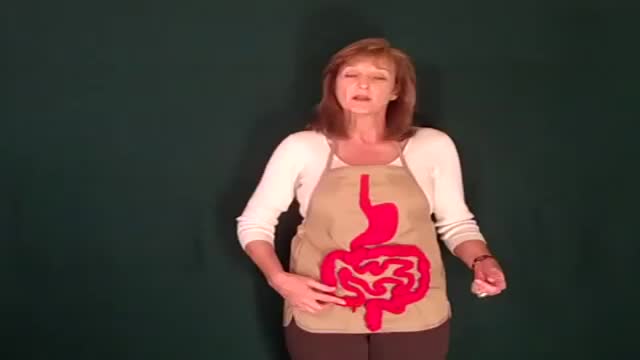
A colostomy is an operation that creates an opening for the colon, or large intestine, through the abdomen. A colostomy may be temporary or permanent. It is usually done after bowel surgery or injury.
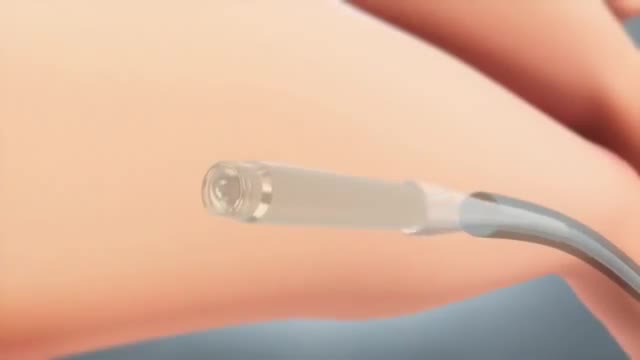
This tiny wireless pacemaker can be inserted into the body via a catheter instead of invasive surgery.
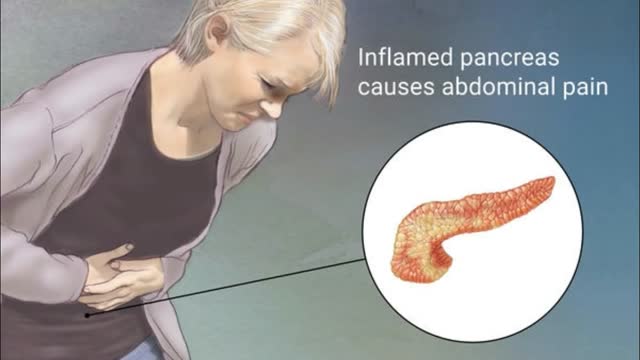
Pancreatitis is inflammation of the pancreas. The pancreas is a large gland behind the stomach and close to the duodenum—the first part of the small intestine. The pancreas secretes digestive juices, or enzymes, into the duodenum through a tube called the pancreatic duct. Pancreatic enzymes join with bile—a liquid produced in the liver and stored in the gallbladder—to digest food. The pancreas also releases the hormones insulin and glucagon into the bloodstream. These hormones help the body regulate the glucose it takes from food for energy. Normally, digestive enzymes secreted by the pancreas do not become active until they reach the small intestine. But when the pancreas is inflamed, the enzymes inside it attack and damage the tissues that produce them. Pancreatitis can be acute or chronic. Either form is serious and can lead to complications. In severe cases, bleeding, infection, and permanent tissue damage may occur.
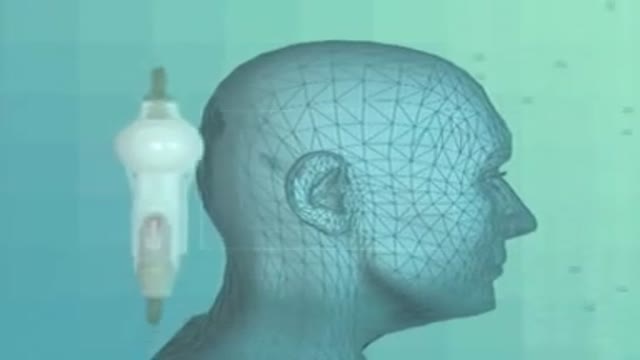
Good abdominal wall closure is one of the basic surgical skills and is a common feature of almost all modern-day CSF shunt operations. The fact that some patients require multiple abdominal operations highlights the need for a simple and effective technique for peritoneal catheter insertion through the abdominal wall and abdominal wall closure. Although technically simple, abdominal wall closure becomes more complex when combined with the requirement to maintain CSF shunt function in cases in which the shunt catheter passes through the abdominal wall into the peritoneal cavity. In this report, the authors describe a simple technique for passing the peritoneal catheter of a ventriculoperitoneal shunt through the abdominal wall on a pathway separate from the fascial opening. This technique minimizes the risk of abdominal wall-related complications and is especially important in high-risk patients such as those with obesity and/or diabetes and in children.
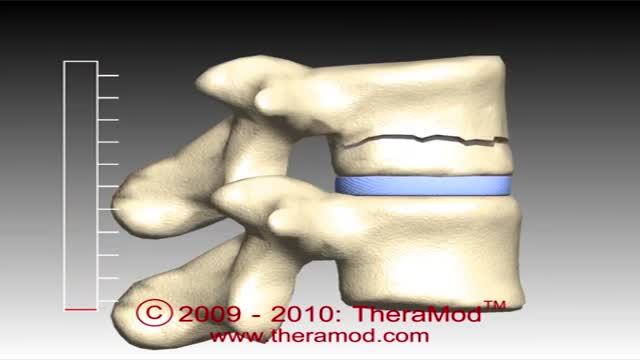
The vertebrae are the bony building blocks of the spine. Between each of the largest parts (bodies) of the vertebrae are the discs. Ligaments are situated around the spine and discs. The spine has seven vertebrae in the neck (cervical vertebrae), 12 vertebrae in the mid-back (thoracic vertebrae), and five vertebrae in the low back (lumbar vertebrae). In addition, in the mid-buttock, beneath the fifth lumbar vertebra, is the sacrum, followed by the tailbone (coccyx).
