
- Physical Examination
- Surgical Examination
- Ophthalmology
- Clinical Skills
- Orthopedics
- Surgery Videos
- Laparoscopy
- Pediatrics
- Funny Videos
- Cardiothoracic Surgery
- Nursing Videos
- Plastic Surgery
- Otorhinolaryngology
- Histology and Histopathology
- Neurosurgery
- Dermatology
- Pediatric Surgery
- Urology
- Dentistry
- Oncology and Cancers
- Anatomy Videos
- Health and Fitness
- Radiology
- Anaesthesia
- Physical Therapy
- Pharmacology
- Interventional Radiology
- Cardiology
- Endocrinology
- Gynecology
- Emergency Medicine
- Psychiatry and Psychology
- Childbirth Videos
- General Medical Videos
- Nephrology
- Physiology
- Diet and Food Health
- Diabetes Mellitus
- Neurology
- Women Health
- Osteoporosis
- Gastroenterology
- Pulmonology
- Hematology
- Rheumatology
- Toxicology
- Nuclear Medicine
- Infectious Diseases
- Vascular Disease
- Reproductive Health
- Burns and Wound Healing
- Other
Top videos
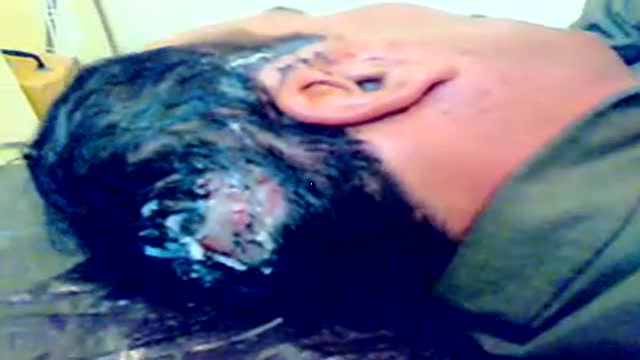

simple surgery can make basilar migraine patients free of his migraine headache and all accompanied symptoms.
www.alisultaneh.8m.com
www.migrainesurgery.4t.com
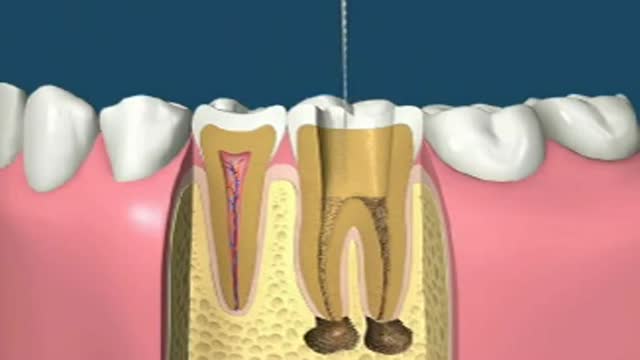
Filling Tooth Decay and Cap Animation
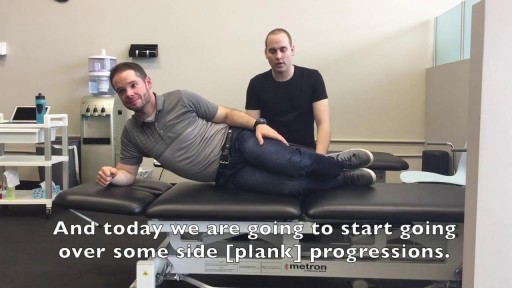
Wouldn’t it be great if there was an exercise that would work multiple muscles all at once? Well, today is your day! Mike and Tyler take you through the progressions of an exercise that targets not only your abs but your entire core (back muscles, transverses abdomens, rectus abdomens, obliques) AND your glute muscles. Get ready for the side plank and stay tuned for those progressions! Check us out on Social Media! Facebook: https://www.facebook.com/striveptandperformance/ Instagram: https://www.instagram.com/striveptandperf/ Twitter: https://twitter.com/StrivePTandPerf Blog: http://www.strivept.ca/blog

Examination of the shoulder

http://skin-whitening.good-info.co ---- Skin Whitening Pills, Best Skin Whitening Pills, Best Skin Whitening Products For Asians, Whitening. How to Take Care of Your Skin after a Skin Whitening Treatment No matter if you go for laser skin whitening treatment or you choose to use a bleaching cream in the comfort of your home, your skin needs to be well taken care of before, during and after the skin whitening treatment. You do not want to further damage your skin instead of making it look better, do you? This is why it is absolutely necessary to understand which are the things which should be done and what are the things which are totally prohibited once you have done a skin whitening treatment. The first thing on the list is by far avoiding exposure to sun. No matter what type of skin whitening treatment you choose, the skin will be more sensitive to the solar rays and the prolonged exposure to sun can provoke sunburns or even further skin darkening. If you must go out of the house when the sun is up, choose a good sunscreen lotion and wear a hat on your head to prevent the sunrays to reach your skin. As important as avoiding sun exposure is maintaining your skin moisturized. This can be done by two ways: drinking plenty of water all day long and using special products such as moisturizing creams and lotions that will further increase the moisture and help your skin heal faster and look much better in a shorter period of time. Here you will find out everything you need to know about skin color as well as some natural recipes for homemade products that will remove your spots in a matter of weeks! Click Here. http://skin-whitening.good-info.co

Homemade Body Wraps For Weight Loss, Cheap Body Wraps That Work, Body Wraps To Lose Weight ---- http://do-body-wraps-work.plus101.com -- Cellulite and loose and flabby skin can often drain your confidence. You have maybe considered plastic surgery, but the risks and costs are just not reasonable. Fortunately, there are body wraps, which can offer alternative to plastic surgery. Getting a body wrap at a salon can be very expensive - multiple sessions can cost hundreds of dollars. The WrapYourselfSlim ebook shows readers how to get rid of their flabby stomaches and cellulite through the recipes made in the home kitchen. Which recipe is the best when wanting to seek drastic results? What Is The Best Body Wrap Recipe? One of the best body wrap recipes contains the ingredients of olive oil, green clay, water, herbs sea salt, and essential oils. You can select the oils and herbs such as lemongrass, sage, rosemary, rose petal powder, neem powder, lavender, ground basil, grapefruit, ginger root powder, alfalfa leaf powder, and rosehip powder. Measure out two tablespoons of olive oil, 1 cup of green clay, 2 cups of water, and a 1/2 cup of sea salt. Boil the water, then thoroughly stir inside of the sea salt until it has dissolved. Add your selected herbs, olive oil, and green clay, then stir til a paste has formed for you to set this mixture aside for cooling. Once the paste has cooled enough for your skin to handle, rub it on to your body, then cover it with sheets or towels cut into strips. Keep it on for one full hour before removing. A great tip that you should keep in mind when wanting to see the best results is to detoxify your body a couple days before applying the wrap on to yourself. Drink plenty of water before you apply the wrap on to yourself so you can see the highest results possible. You will definitely see significant results right after taking the wrap off, as the skin will instantly absorb the nutrients of the ingredients. This is better than the typical weight loss cream that you find today. Use this easy-to-prepare affordable formula to help contour your abs, thighs, hips buttocks, etc ... in less than two weeks! Stop procrastinating! Click Here for instant access to my recipes & start losing inches, detoxifying your body, and improving your skin right away! http://do-body-wraps-work.plus101.com

Daca esti solist de muzica etno, populara sau usoara si ai un videoclip pe care vrei sa-l difuzezi pe Televiziunea Favorit, suna la 0722.410.597 Eugen Ungureanu. Pentru alte detalii urmareste emisiunea Ora Veseliei in fiecare vineri de la ora 18.00, sau viziteaza pagina de internet http://www.tvbucuresti.com

http://tratamiento-autismo.plus101.com
---Sintomas Del Autismo Cura Autismo. Más de la mitad de los niños del país que padecen autismo tienen sobrepeso, lo que los pone además en riesgo de sufrir diabetes, enfermedades cardiovasculares y problemas en los huesos y articulaciones. Esta estadística alarmante motivó a la experta en fitness Suzanne M. Gray a desarrollar una rutina de ejercicios que los padres pueden hacer con los pequeños con autismo. Gray ha pasado alrededor de 30 años desarrollando diferentes programas de acondicionamiento físico para niños con necesidades especiales y nos ofrece algunos valiosos consejos.
http://www.youtube.com/watch?v=RprDE2jxLeE
Sintomas Del Autismo Cura Autismo
http://www.youtube.com/user/ParaNinosAutistas
http://www.youtube.com/user/TerapiaParaAutismo
http://www.youtube.com/user/NinosConAutismo
http://www.youtube.com/user/AyudarUnNinoAutista
Sintomas Del Autismo Cura Autismo
Sintomas Del Autismo Autismo Cura
Sintomas Del Cura Autismo Autismo
Sintomas Del Cura Autismo Autismo
Sintomas Del Autismo Autismo Cura
Sintomas Del Autismo Cura Autismo
metodo aba autismo,
metodo aba para autistas,
metodo pecs autismo,
metodo teacch autismo,
metodo teacch para niños autistas,
mi hermano tiene autismo,
mi hijo autista,
mi hijo es autista,
mi hijo tiene autismo,
mms autismo,
musica para niños autistas,
musicoterapia autismo,
musicoterapia en el tratamiento del autismo,
musicoterapia y autismo,
nino autista,
nino con autismo,
ninos autista,
ninos autistas,
ninos con autismo,
ninos con hiperactividad,
niveles de autismo infantil
Structure of the Cannula and Cannulation
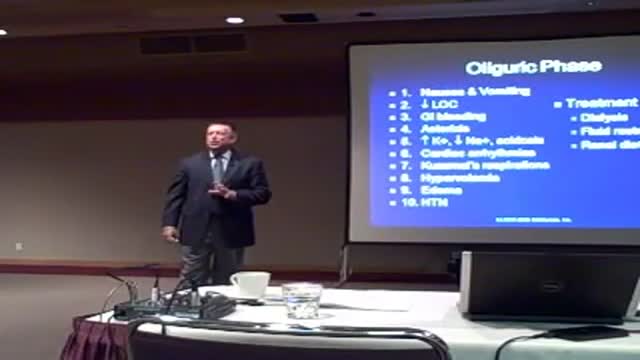
Acute Renal Failure for Nursing

The goal of McKesson's Better Health 2020™ campaign is to look toward the future that positions you to use healthcare IT in a more strategic way to improve business practice, overall care, and connectivity.iew this video to see what current McKesson customers have to say about the future of healthcare and healthcare information technology, including their hopes, fears, expectations and excitement about the future.

Overhand Throw Knot
