
- Physical Examination
- Surgical Examination
- Ophthalmology
- Clinical Skills
- Orthopedics
- Surgery Videos
- Laparoscopy
- Pediatrics
- Funny Videos
- Cardiothoracic Surgery
- Nursing Videos
- Plastic Surgery
- Otorhinolaryngology
- Histology and Histopathology
- Neurosurgery
- Dermatology
- Pediatric Surgery
- Urology
- Dentistry
- Oncology and Cancers
- Anatomy Videos
- Health and Fitness
- Radiology
- Anaesthesia
- Physical Therapy
- Pharmacology
- Interventional Radiology
- Cardiology
- Endocrinology
- Gynecology
- Emergency Medicine
- Psychiatry and Psychology
- Childbirth Videos
- General Medical Videos
- Nephrology
- Physiology
- Diet and Food Health
- Diabetes Mellitus
- Neurology
- Women Health
- Osteoporosis
- Gastroenterology
- Pulmonology
- Hematology
- Rheumatology
- Toxicology
- Nuclear Medicine
- Infectious Diseases
- Vascular Disease
- Reproductive Health
- Burns and Wound Healing
- Other
Top videos
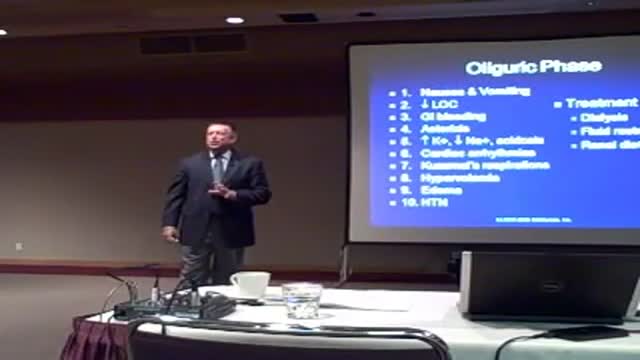

Acute Renal Failure for Nursing
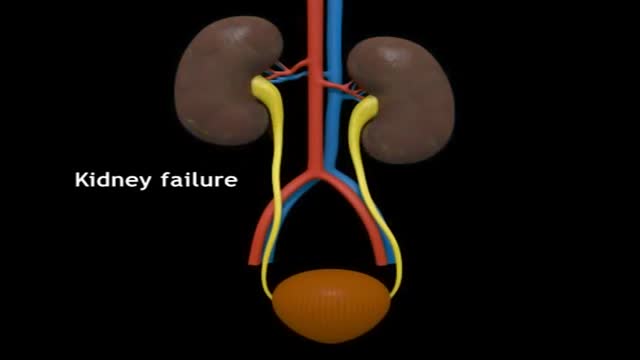
Renal transplantation is the treatment of choice for a minority of patients with end-stage renal disease (ESRD). Most adult patients with ESRD are never referred for evaluation for transplantation, and have a 70% 5-year mortality on dialysis. Marked improvements in early graft survival and long-term graft function have made kidney transplantation a more cost-effective alternative to dialysis. In the United States, over 375,000 kidney transplants have been performed, and in 2012, 191,400 patients were alive and with a functioning transplanted kidney; currently, more than 101,000 patients are waiting for kidney transplants.[1, 2] Before the advent of immunosuppression, renal transplantation was limited to identical twins and was not applicable to the vast majority of patients with ESRD. The introduction of combined azathioprine-steroid therapy in 1963 produced encouraging results and became the mainstay of immunosuppression. Although this therapy improved the results of transplantation, acute rejection and complications associated with steroid therapy persisted. The introduction of cyclosporine in 1983 significantly improved the outcomes of all solid-organ transplants by reducing the risk of rejection. Further innovations, including anti–T cell antibodies (both monoclonal and polyclonal preparations), as well as other maintenance immunosuppressants (eg, tacrolimus, mycophenolate, sirolimus), have made a significant impact on both patient and graft survival. Currently, 1-year patient and graft survival rates exceed 90% in most transplant centers. For patient education information, see Kidney Transplant and the Mayo Clinic's kidney transplant information Web page.
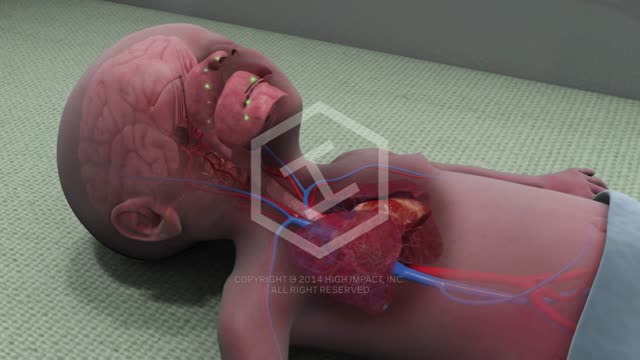
Pulmonary surfactant is a mixture of lipids and proteins that is produced by alveolar type II epithelial cells (AEC2) and secreted into the airspaces. Phospholipids are the major component of surfactant by weight, and are essential for lowering surface tension at the air-liquid interface, which prevents alveolar collapse at end-expiration. Four proteins highly expressed in the lung and found in surfactant are designated surfactant proteins (SP) A, B, C, and D. Additional proteins including ABCA3 and NKX2.1 are also important for the production of functional surfactant. The surfactant proteins are developmentally regulated, such that their expression increases in later gestation

Bronchiolitis is a common lung infection in young children and infants. It causes inflammation and congestion in the small airways (bronchioles) of the lung. Bronchiolitis is almost always caused by a virus. Typically, the peak time for bronchiolitis is during the winter months. Bronchiolitis starts out with symptoms similar to those of a common cold but then progresses to coughing, wheezing and sometimes difficulty breathing. Symptoms of bronchiolitis can last for several days to weeks, even a month.
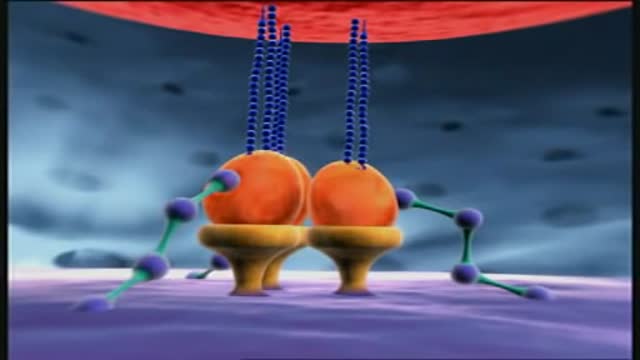
HIV gradually destroys the immune system by attacking and killing a type of white blood cell called a CD4 cell. CD4 cells play a major role in protecting the body from infection. HIV uses the machinery of the CD4 cells to multiply (make copies of itself) and spread throughout the body. This process, which is carried out in seven steps or stages, is called the HIV life cycle. HIV medicines protect the immune system by blocking HIV at different stages of the HIV life cycle. Antiretroviral therapy or ART is the use of HIV medicines to treat HIV infection. People on ART take a combination of HIV medicines from at least two different HIV drug classes every day. Because each class of drugs is designed to target a specific step in the HIV life cycle, ART is very effective at preventing HIV from multiplying. ART also reduces the risk of HIV drug resistance. ART can’t cure HIV, but HIV medicines help people with HIV live longer, healthier lives. ART also reduces the risk of HIV transmission (the spread of HIV to others).
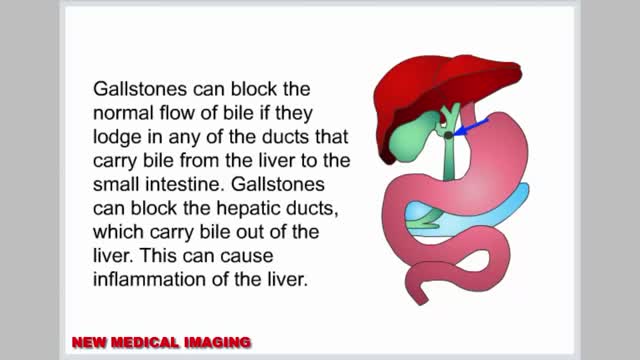
Gallstones are hardened deposits of digestive fluid that can form in your gallbladder. Your gallbladder is a small, pear-shaped organ on the right side of your abdomen, just beneath your liver. The gallbladder holds a digestive fluid called bile that's released into your small intestine. Gallstones range in size from as small as a grain of sand to as large as a golf ball. Some people develop just one gallstone, while others develop many gallstones at the same time. Gallstones are common in the United States. People who experience symptoms from their gallstones usually require gallbladder removal surgery. Gallstones that don't cause any signs and symptoms typically don't need treatment.

Toxoplasmosis (tok-so-plaz-MOE-sis) is a disease that results from infection with the Toxoplasma gondii parasite, one of the world's most common parasites. Toxoplasmosis may cause flu-like symptoms in some people, but most people affected never develop signs and symptoms. For infants born to infected mothers and for people with weakened immune systems, toxoplasmosis can cause extremely serious complications. If you're generally healthy, you probably won't need any treatment for toxoplasmosis. If you are pregnant or have lowered immunity, certain medications can help reduce the infection's severity. The best approach, though, is prevention.

In a normal hip, the ball at the upper end of the thighbone (femur) fits firmly into the socket, which is part of the large pelvis bone. In babies and children with developmental dysplasia (dislocation) of the hip (DDH), the hip joint has not formed normally.
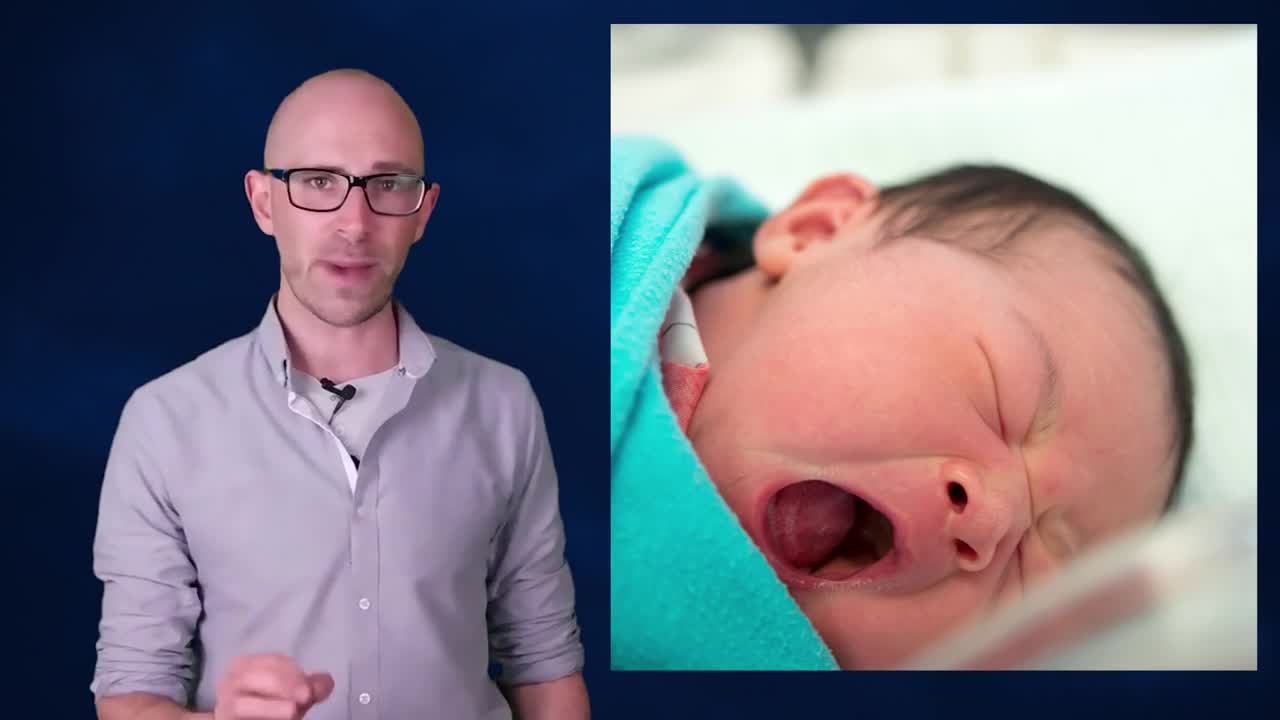
People with lactose intolerance are unable to fully digest the sugar (lactose) in milk. As a result, they have diarrhea, gas and bloating after eating or drinking dairy products. The condition, which is also called lactose malabsorption, is usually harmless, but its symptoms can be uncomfortable. A deficiency of lactase — an enzyme produced in your small intestine — is usually responsible for lactose intolerance. Many people have low levels of lactase but are able to digest milk products without problems. If you're actually lactose intolerant, though, your lactase deficiency leads to symptoms after you eat dairy foods.
http://tipps-gegen-cellulite.good-info.co --- Hausmittel Gegen Cellulite, Was Tun Gegen Cellulite Am Po Und Oberschenkel, Cellulite Po. Kann Man Cellulite Beseitigen? Aus offensichtlichen Gründen wollen alle Frauen Cellulite reduzieren. Neben dem unschönen Aussehen verschlechtert Cellulite deutlich die Sicherheit und das Selbstwertgefühl von Frauen. Fast alle Frauen leiden, gelitten haben oder werden die "Orangenhaut" an irgendeinem Punkt in ihrem Leben leiden. Die Suche nach einer Lösung für dieses Problem ist immer in den Köpfen der Frauen gewesen. Um diese Suche zu erfüllen wurden verschiedene Produkte und Cremen entwickelt. Leider sind alle diese Produkte eine Lüge, weil sie nicht wirklich Cellulite reduzieren, sie sind abe reine vorübergehende Lösung, die unsere Haut entzündet und die Cellulite für eine bestimmte Zeit versteckt. Diese partielle Lösungen machen uns Sklaven dieser Produkte, die uns dazu zwingen, um sie lebenslang zu konsumieren. Abgesehen von das, was die Websites oder Informationen Quellen sagen, ist Cellulite nicht eine andere Art von Fett und es ist auch nicht durch eine schlechte Durchblutung oder Flüssigkeitsretention verursacht. Cellulite ist nicht anders als gewöhnliche Fett, das aus dem Gewebe herausragt, und das ist der Grund, warum es diesen Aussehen von "Brunnen" haben. Wenn alle Produkte nicht funktionieren? Wie beseitige ich meine Cellulite? Nun, um Ihre Cellulite zu reduzieren, ist es sehr wichtig die ursächlichen Faktoren zu behandeln. Wie oben erwähnt, ist die Hauptursache hormonellen Ungleichgewichten, die die Kollagenfasern der Haut abbauen und die Fettspeicherung im Körper erhöhen. Um die Situation zu kontrollieren, müssen Sie einige Änderungen in Ihrem täglichen Leben und täglichen Ernährung machen. Es ist ganz einfach: wenn Sie eine richtige Ernährung führen und Sie kombiniert es mit der richtige Art von Übungen, wird Ihre Cellulite verschwinden. Sie sollen langsame kardiovaskulären Übungen in Zusammenhang mit Widerstand Übungen machen. Wenn Sie diese Aktivitäten in Ihrem täglichen Leben zusammen mit einer gesunden Ernährung kombiniert können, dann können Sie Ihr hormonelle Veränderungen unter Kontrolle haben. Klicken Sie hier, um mehr zu erfahren http://tipps-gegen-cellulite.good-info.co
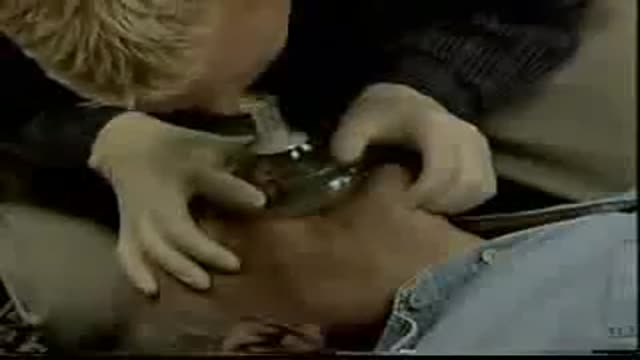
this video is showing the barrier devices

Ileocolectomy for Crohn's Disease

This new blood test can help detect and locate cancer
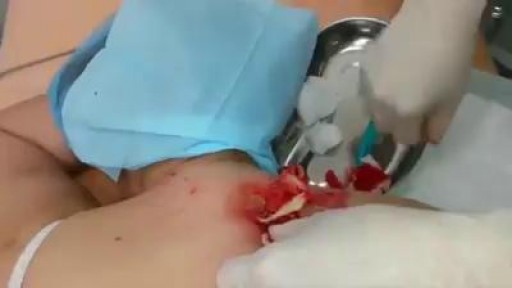
Treatment of inflamed atheroma
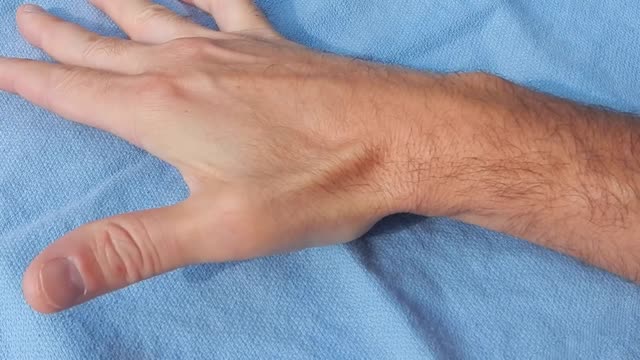
Tenosynovitis is inflammation of the lining of the sheath that surrounds a tendon (the cord that joins muscle to bone).
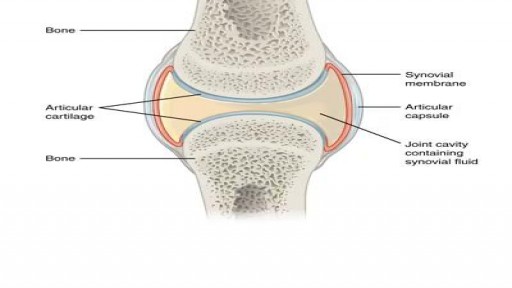
What happens when you crack your joints?
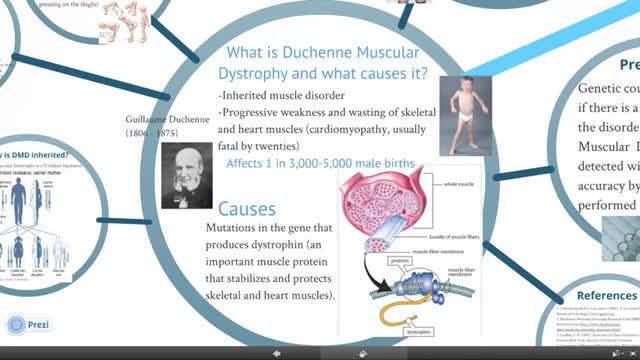
This patient's age, speech delay, bilateral lower-extremity weakness, apparent increase in calf diameter, and history of a wheelchair-bound uncle are typical of Duchenne muscular dystrophy (DMD). DMD is the most common muscular dystrophy of childhood that affects boys who have inherited a defective dystrophin gene on X-chromosome p21. Weakness begins in the proximal lower-extremity muscles and manifests as difficulty walking, running, jumping, and climbing stairs. Boys may push their arms on their thighs (Gower sign) to transition from sitting to standing.
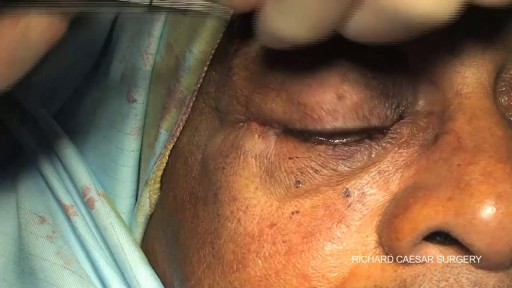
Entropion and Ectropion: KZ Procedure
