
- Physical Examination
- Surgical Examination
- Ophthalmology
- Clinical Skills
- Orthopedics
- Surgery Videos
- Laparoscopy
- Pediatrics
- Funny Videos
- Cardiothoracic Surgery
- Nursing Videos
- Plastic Surgery
- Otorhinolaryngology
- Histology and Histopathology
- Neurosurgery
- Dermatology
- Pediatric Surgery
- Urology
- Dentistry
- Oncology and Cancers
- Anatomy Videos
- Health and Fitness
- Radiology
- Anaesthesia
- Physical Therapy
- Pharmacology
- Interventional Radiology
- Cardiology
- Endocrinology
- Gynecology
- Emergency Medicine
- Psychiatry and Psychology
- Childbirth Videos
- General Medical Videos
- Nephrology
- Physiology
- Diet and Food Health
- Diabetes Mellitus
- Neurology
- Women Health
- Osteoporosis
- Gastroenterology
- Pulmonology
- Hematology
- Rheumatology
- Toxicology
- Nuclear Medicine
- Infectious Diseases
- Vascular Disease
- Reproductive Health
- Burns and Wound Healing
- Other
Top videos

TV interview with Adina Nack, Ph.D. about her own cervical HPV experiences, STD research, her new book (Damaged Goods? Women Living with Incurable Sexually Transmitted Diseases), and women's lives after genital warts, HPV and herpes infections. More info is available on STDdatings.com, which is the official STD dating & support site.

Conduct disorder (CD) is a mental disorder diagnosed in childhood or adolescence that presents itself through a repetitive and persistent pattern of behavior in which the basic rights of others or major age-appropriate norms are violated. These behaviors are often referred to as "antisocial behaviors."

Systemic Lupus Erythematosus Animation 3d
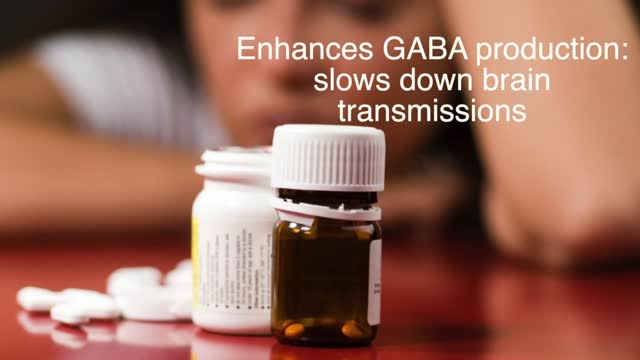
Benzodiazepines are a class of agents that work on the central nervous system, acting selectively on gamma-aminobutyric acid-A (GABA-A) receptors in the brain. GABA is a neurotransmitter that inhibits or reduces the activity of nerve cells (neurons) within the brain. Benzodiazepines open GABA-activated chloride channels, and allow chloride ions to enter the neuron. This makes the neuron negatively charged and resistant to excitation.
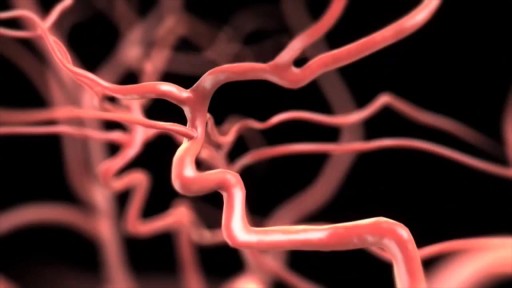
Narrated animation of stroke intervention. Video supplied by Covidien, showing the Solitaire mechanical thrombectomy device, which was the first FDA-approved device for such an indication.

Red blood cells, most white blood cells, and platelets are produced in the bone marrow, the soft fatty tissue inside bone cavities. Two types of white blood cells, T and B cells (lymphocytes), are also produced in the lymph nodes and spleen, and T cells are produced and mature in the thymus gland.

The E.coli bacteria has claimed 14 lives and infected more than 300 hundred in the country. It has now spread to other European states.
Facing an increasing number of cases, German health authorities warned people to avoid eating raw cucumber, tomatoes and lettuce.
Reinhard Burger, President of Robert Koch Institute, said, "As for the present situation there is no reason to give the all-clear yet and it is possible the original source of the infection is still active and could lead to further infections."
The first cases of the EHEC outbreak were noticed in Northern Germany, but infections are now spreading across the country.
Cases haves spiked compared to other years, and are still rising.
Daniel Bahr, German Health Minister, said, "The result is that we unfortunately still have to prepare for a rising number of cases. Exercising caution is still recommended and we ask our citizens to be particularly careful. "
But, the German government says it's working around the clock to stop the outbreak and clarify how it arose.
Ilse Aigner, German Agriculture Minister, said, "Together, we face a big challenge to piece together hundreds or thousands of mosaic pieces from Germany and abroad into an overall picture that gives us a clear answer on how this terrible infection arose. "
In the meantime, experts are advising not to eat pre-packaged or prepared salad, which may contain the bacteria.


Brushing flossing and rinsing -the winning combination for preventing gingivitis

In this video I discuss sexual function for people with a spinal cord injury. The amount of feeling and function can vary drastically depending on the level and severity of the injury to the spinal cord.
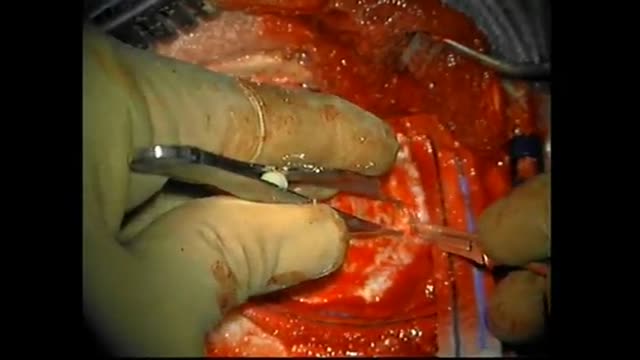
Arachnoid Cyst Brain Surgery HD

Brain Worm Infection
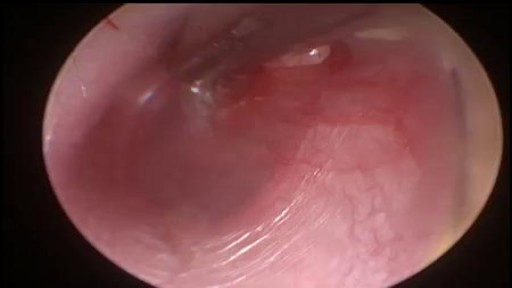
A myringotomy is a procedure in which your doctor creates a small hole in the eardrum so fluids such as water, blood, or pus can drain out. In many cases, your doctor will put in a tube so it won't get backed up again. The tube, which will usually fall out on its own in about six to 18 months, lets air flow through and keeps the middle ear dry. Tubes also: Reduce pain Improve hearing Cut down on the number of infections your child may have
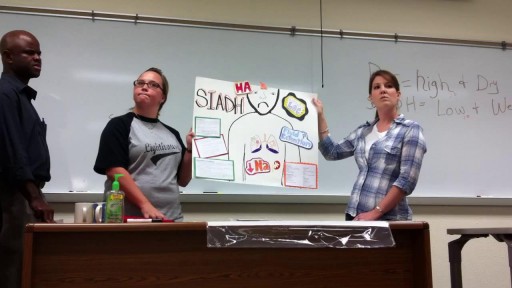
In this condition, the body retains water instead of excreting it normally in urine. This process upsets the body's balance of minerals called electrolytes, especially sodium. Symptoms can vary depending on how rapidly the condition develops. In some cases, nausea and vomiting, headache, confusion, weakness, and fatigue may be experienced. Treatments include fluid restriction and, possibly, medications to adjust electrolyte balance. Underlying conditions also need treatment.
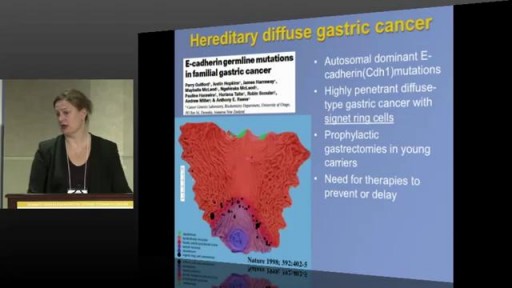
Stomach cancer usually begins in the mucus-producing cells that line the stomach. This type of cancer is called adenocarcinoma. For the past several decades, rates of cancer in the main part of the stomach (stomach body) have been falling worldwide. During the same period, cancer in the area where the top part of the stomach (cardia) meets the lower end of the swallowing tube (esophagus) has become much more common. This area of the stomach is called the gastroesophageal junction.
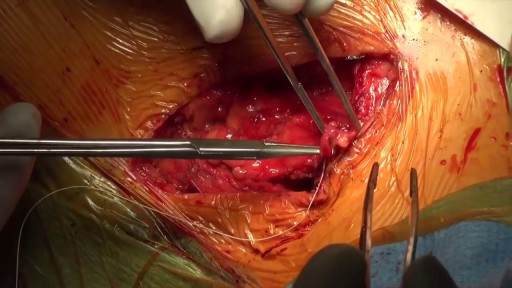
Thoracic outlet syndrome affects the space between the collarbone and first rib (thoracic outlet). Common causes include trauma, repetitive injuries, pregnancy, and anatomical defects, such as having an extra rib. Symptoms include pain in the shoulders and neck and numbness, weakness, and coldness in the fingers. Treatment involves physical therapy and pain relief. In rare cases, surgery may be needed to relieve the compression.

G-Shot (G-Spot Amplification)
Antisocial personality disorder (ASPD) is defined by the American Psychiatric Association's Axis II (personality disorders) of the Diagnostic and Statistical Manual (DSM-IV-TR) as "a pervasive pattern of disregard for, and violation of, the rights of others that begins in childhood or early adolescence and continues into adulthood." Antisocial personality disorder is sometimes wrongly referred to as psychopathy or sociopathy. Currently, neither psychopathy nor sociopathy are valid diagnoses described in the Diagnostic and Statistical Manual of Mental Disorders, and the ICD-10 of the World Health Organization also lacks psychopathy as a diagnostic disorder. Psychopathy is normally seen as a subset of the antisocial personality disorder, but Blair believes that the antisocial personality disorder and psychopathy may be separate conditions altogether.
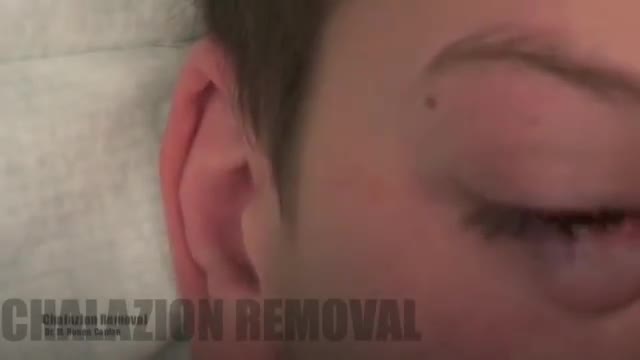
Chalazions are extremely common, and having a sound surgical technique to drain a chalazion is a fundamental in general ophthalmology and oculoplastic surgery. I believe one of the biggest downfalls in treating chalazions is inadequate local anesthetic. Please that both the outer and inner surface to the eyelid need to receive local anesthesia to make the patient totally comfortable. It is important to be careful in delivering the local anesthetic and making sure you have control of the head position, and the position of your needle is bent to minimize any possibility of contact with the globe.

The condition is caused by a blockage in the lymphatic system, part of the immune and circulatory systems. Lymphedema is most commonly caused by lymph node removal or damage due to cancer treatment. The main symptom is swelling in an arm or leg that may be accompanied by pain or discomfort. Exercise, wrapping, massage, and compression can help.
