
- Physical Examination
- Surgical Examination
- Ophthalmology
- Clinical Skills
- Orthopedics
- Surgery Videos
- Laparoscopy
- Pediatrics
- Funny Videos
- Cardiothoracic Surgery
- Nursing Videos
- Plastic Surgery
- Otorhinolaryngology
- Histology and Histopathology
- Neurosurgery
- Dermatology
- Pediatric Surgery
- Urology
- Dentistry
- Oncology and Cancers
- Anatomy Videos
- Health and Fitness
- Radiology
- Anaesthesia
- Physical Therapy
- Pharmacology
- Interventional Radiology
- Cardiology
- Endocrinology
- Gynecology
- Emergency Medicine
- Psychiatry and Psychology
- Childbirth Videos
- General Medical Videos
- Nephrology
- Physiology
- Diet and Food Health
- Diabetes Mellitus
- Neurology
- Women Health
- Osteoporosis
- Gastroenterology
- Pulmonology
- Hematology
- Rheumatology
- Toxicology
- Nuclear Medicine
- Infectious Diseases
- Vascular Disease
- Reproductive Health
- Burns and Wound Healing
- Other
Top videos
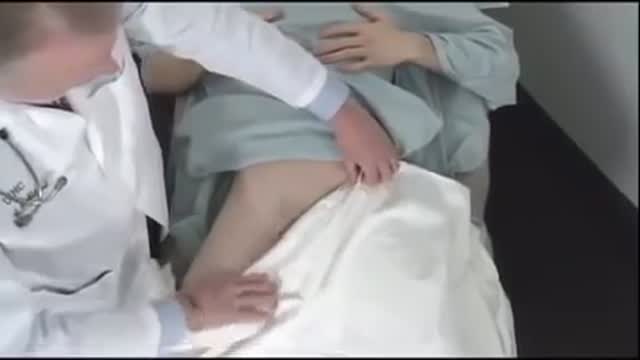

The examination of the groin, hernial orifices and male external genitalia are clinical examinations which undergraduate medical students are commonly less confident about performing competently, due to the lack of clinical exposure.
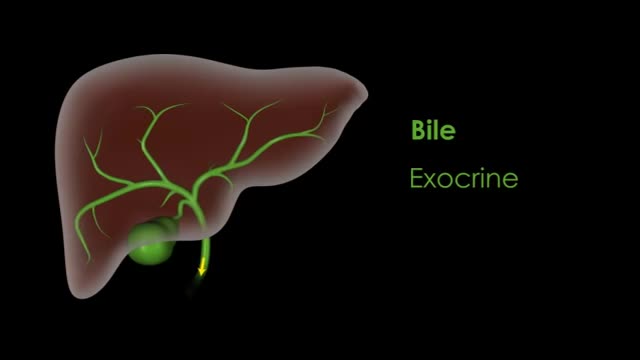
The liver also detoxifies chemicals and metabolizes drugs. As it does so, the liver secretes bile that ends up back in the intestines. The liver also makes proteins important for blood clotting and other functions. First, for those impatient, short answers to the mini-questions (if you're reading this in the news feed, you may want to click through for the question details): No one knows why we evolved 2 kidneys and one liver.
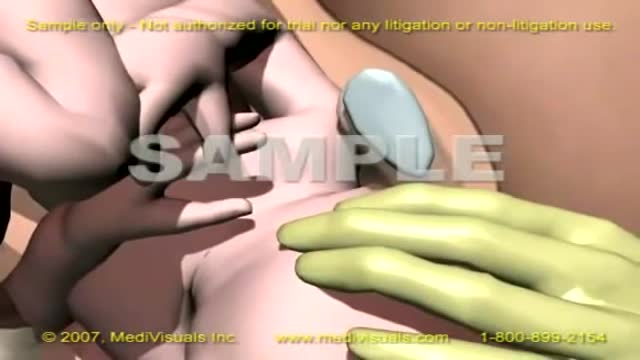
Shoulder dystocia is a rare emergency that can happen during the end of the second stage of labour. It's all to do with how your baby moves down through your vagina and out into the world. Shoulder dystocia happens when your baby's head has been born, but one of her shoulders becomes stuck.
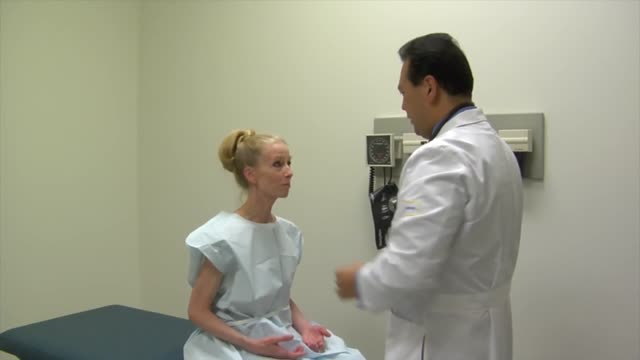
Comprehensive physical examination
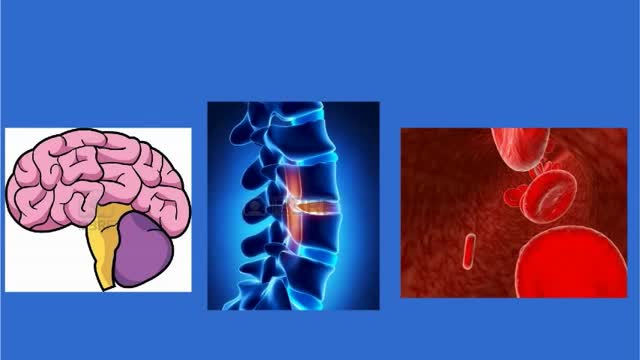
There are currently 2 types of pneumococcal vaccines: pneumococcal conjugate vaccine (PCV13 or Prevnar 13®) and pneumococcal polysaccharide vaccine (PPSV23 or Pneumovax®). PCV13 is recommended for all children younger than 5 years old, all adults 65 years or older, and people 6 years or older with certain risk factors.
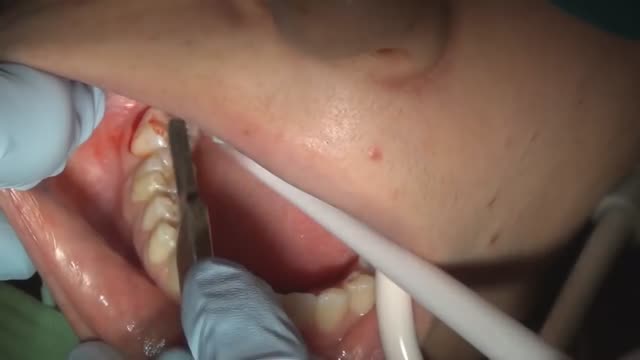
How to pull a wisdom tooth fully impacted
Genital warts are growths on the skin of the genital area and around the anus. They are caused by certain types of the human papilloma virus (HPV). There are more than 100 types of HPV. Some types of HPV produce warts on different parts of the body, like plantar warts on the feet and common hand warts. There is no specific treatment for HPV, but there are treatments for health problems caused by HPV. Genital warts can be treated by your healthcare provider, or with prescription medication. HPV-related cancers are more treatable when diagnosed and treated promptly. For more information, visit www.cancer.org.
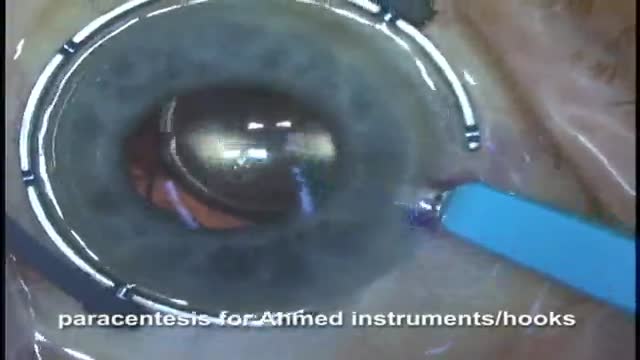
Here Drs Oetting and Shriver of the University of Iowa demonstrate the McCannel technique of fixing an IOL to the iris. In this video both the standard McCannel suture retrieval technique and the Siepser/Chang modifed technique are demonstrated. A 10-O prolene with a long curved ctc-6 needle is u...sed to place a suture through the iris and under an 3 piece IOL haptic. Using the standard technique the two ends of the suture are retrieved through a common paracentesis near the fixation site and tied externally. The other haptic is tied using the Siepser sliding knot technique as described by Chang for this indication with an internal knot. The standard technique is a bit easier but does not allow as thight a knot for fixation of the iris to the haptic.

Teeth Whitening
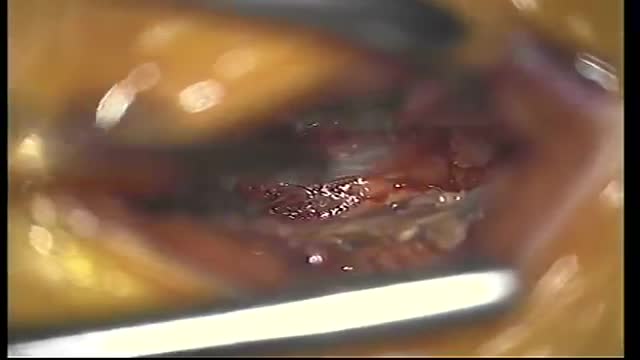
An epidural abscess is a collection of pus (infected material) between the outer covering of the brain and spinal cord and the bones of the skull or spine. The abscess causes swelling in the area. Spinal cord abscess (SCA) is a rare condition capable of causing permanent damage to the spinal cord. Abscesses are caused when injured tissue becomes infected. The body's immune system sends white blood cells to help fight off the infection. They begin to fill the damaged tissue, causing pus to build up.

Most people with TS are not significantly impaired by their symptoms and therefore do not require treatment with medication. However, several medications are available to control TS symptoms that interfere with functioning. Except in more severe cases when tics are sometimes painful, the main reasons for medication are to improve appearance and lessen embarrassing social interactions. As with all medications, there are possible side effects that should be monitored carefully by the physician. Patients should always be included in the decision to take medication, as they are the best judge of how disruptive the symptoms are to them. Early diagnosis and treatment are crucial to help the person with TS cope with his or her condition. Often, people make fun of a person with TS. Parents of children with TS also may find it difficult to cope with their child's behavior. When people with TS are diagnosed correctly and treated for the condition early, they can learn to cope with their disorder and accept that they are ok and normal.

The pituitary is a small gland found inside the skull just below the brain and above the nasal passages, which are above the fleshy back part of the roof of the mouth (known as the soft palate). The pituitary sits in a tiny bony space called the sella turcica. The nerves that connect the eyes to the brain, called the optic nerves, pass close by it.
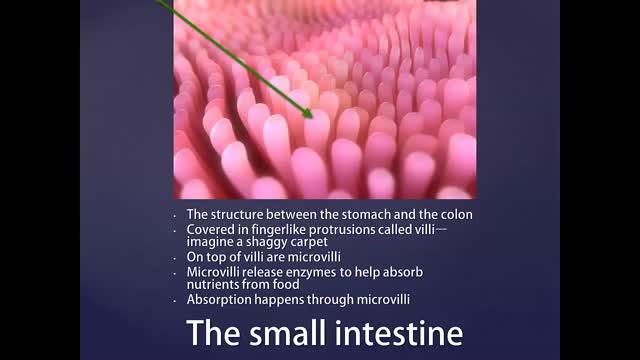
The symptoms of bacterial overgrowth include nausea, flatus, constipation, bloating, abdominal distension, abdominal pain or discomfort, diarrhea, fatigue, and weakness. SIBO also causes an increased permeability of the small intestine. Some patients may lose weight.
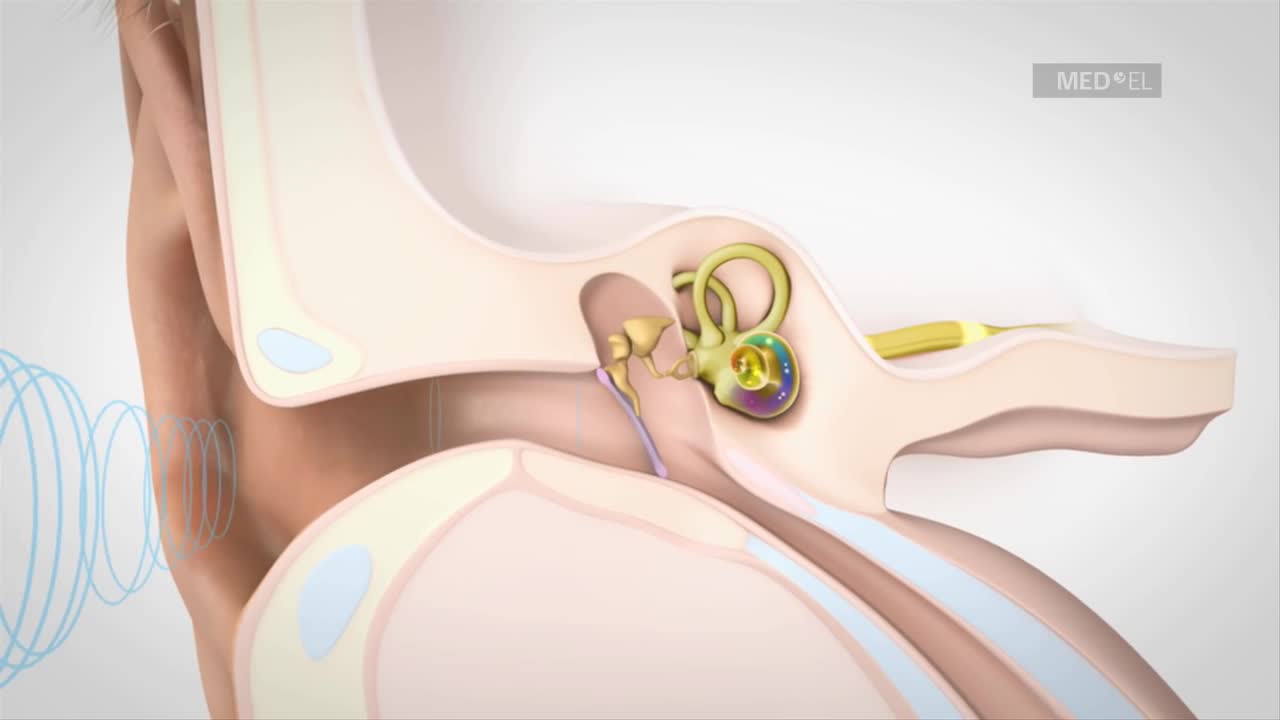
Video to help understand hearing loss and hearing impairment by explaining how hearing works. Cochlear implants can help children and adults with hearing loss
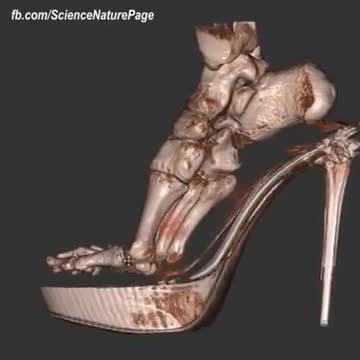
What happens when you wear High Heels. SHOW MORE
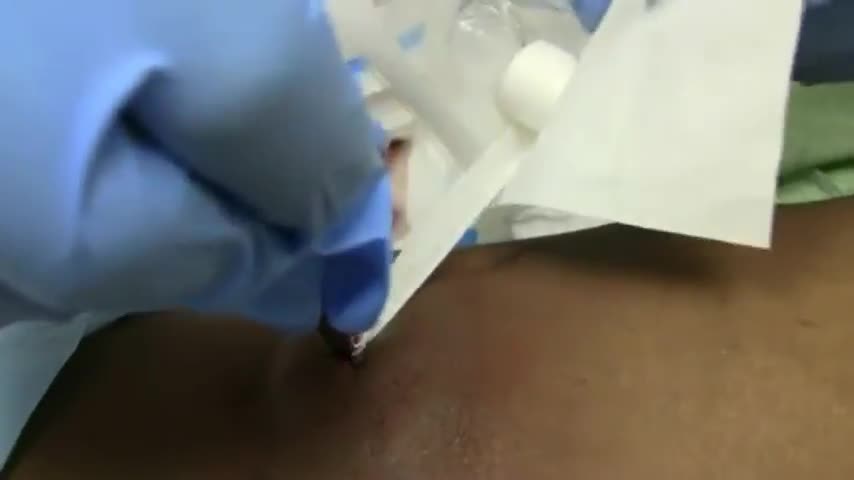
An abscess is an infectious process characterized by a collection of pus surrounded by inflamed tissue. [1, 2] Abscesses can form anywhere in the body, from a superficial skin (subcutaneous) abscess to deep abscesses in muscle, organs, or body cavities. Patients with subcutaneous skin abscesses present clinically as a firm, localized, painful, erythematous swelling that becomes fluctuant (see the image below).
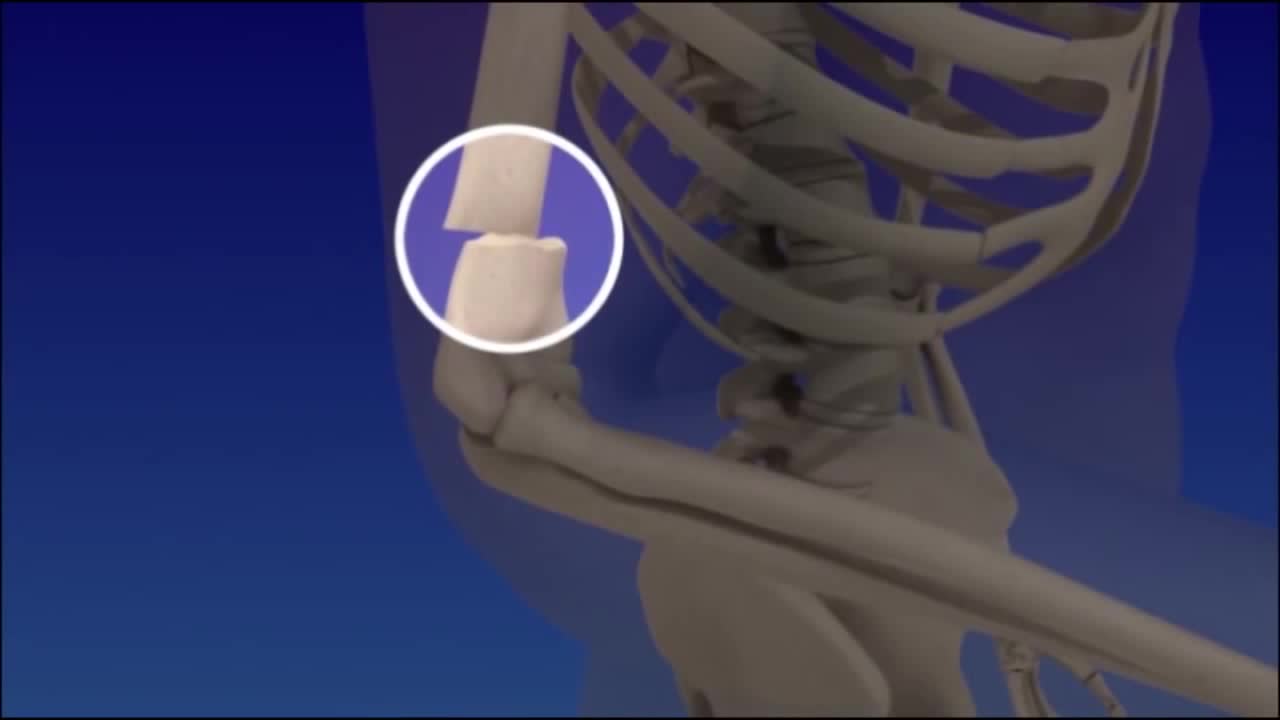
Distal Humerus Fractures of the Elbow. A distal humerus fracture is a break in the lower end of the upper arm bone (humerus), one of the three bones that come together to form the elbow joint. A fracture in this area can be very painful and make elbow motion difficult or impossible.
Inner Workings tells the story of the ceaseless pull of the human heart — even as it works against the very stoic realism of the brain.

Traumatic penile injury can be due to multiple factors. Penile fracture, penile amputation, penetrating penile injuries, and penile soft tissue injuries are considered urologic emergencies and typically require surgical intervention. The goals of treatment for penile trauma are universal: preservation of penile length, erectile function, and maintenance of the ability to void while standing. Traumatic injury to the penis may concomitantly involve the urethra.[1, 2] Urethral injury and repair is beyond the scope of this article but details can be found in Urethral Trauma. Penile fracture Penile fracture is the traumatic rupture of the corpus cavernosum. Traumatic rupture of the penis is relatively uncommon and is considered a urologic emergency.[3] Sudden blunt trauma or abrupt lateral bending of the penis in an erect state can break the markedly thinned and stiff tunica albuginea, resulting in a fractured penis. One or both corpora may be involved, and concomitant injury to the penile urethra may occur. Urethral trauma is more common when both corpora cavernosa are injured.[4] Penile rupture can usually be diagnosed based solely on history and physical examination findings; however, in equivocal cases, diagnostic cavernosography or MRI should be performed. Concomitant urethral injury must be considered; therefore, preoperative retrograde urethrographic studies should generally be performed. See the images below.
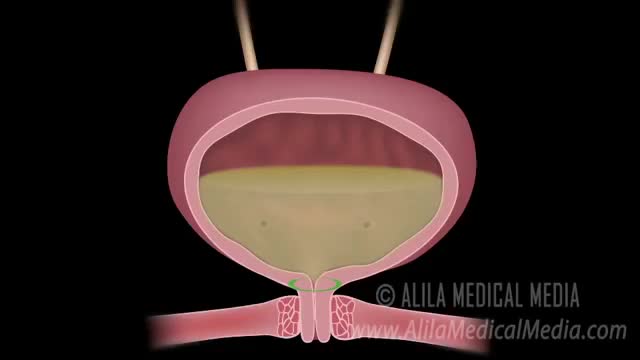
Urinary incontinence is the unintentional loss of urine. Stress incontinence happens when physical movement or activity — such as coughing, sneezing, running or heavy lifting — puts pressure (stress) on your bladder. Stress incontinence is not related to psychological stress. Stress incontinence differs from urge incontinence, which is the unintentional loss of urine caused by the bladder muscle contracting, usually associated with a sense of urgency. Stress incontinence is much more common in women than men. If you have stress incontinence, you may feel embarrassed, isolate yourself, or limit your work and social life, especially exercise and leisure activities. With treatment, you'll likely be able to manage stress incontinence and improve your overall well-being.
