
- Physical Examination
- Surgical Examination
- Ophthalmology
- Clinical Skills
- Orthopedics
- Surgery Videos
- Laparoscopy
- Pediatrics
- Funny Videos
- Cardiothoracic Surgery
- Nursing Videos
- Plastic Surgery
- Otorhinolaryngology
- Histology and Histopathology
- Neurosurgery
- Dermatology
- Pediatric Surgery
- Urology
- Dentistry
- Oncology and Cancers
- Anatomy Videos
- Health and Fitness
- Radiology
- Anaesthesia
- Physical Therapy
- Pharmacology
- Interventional Radiology
- Cardiology
- Endocrinology
- Gynecology
- Emergency Medicine
- Psychiatry and Psychology
- Childbirth Videos
- General Medical Videos
- Nephrology
- Physiology
- Diet and Food Health
- Diabetes Mellitus
- Neurology
- Women Health
- Osteoporosis
- Gastroenterology
- Pulmonology
- Hematology
- Rheumatology
- Toxicology
- Nuclear Medicine
- Infectious Diseases
- Vascular Disease
- Reproductive Health
- Burns and Wound Healing
- Other
Top videos
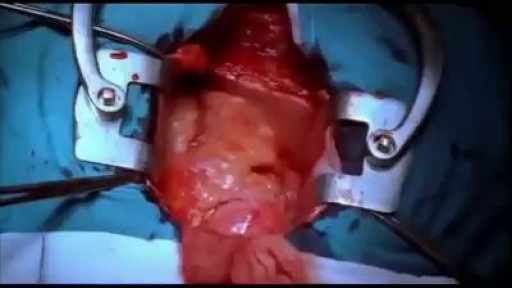

Beating Heart during surgery
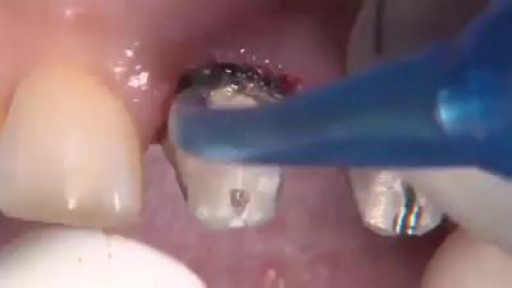
Replacing PFM Crowns on Teeth 8 & 9 with BruxZir Solid Zirconia Crowns

Cancer, also called malignancy, is an abnormal growth of cells. There are more than 100 types of cancer, including breast cancer, skin cancer, lung cancer, colon cancer, prostate cancer, and lymphoma. Symptoms vary depending on the type. Cancer treatment may include chemotherapy, radiation, and/or surgery.
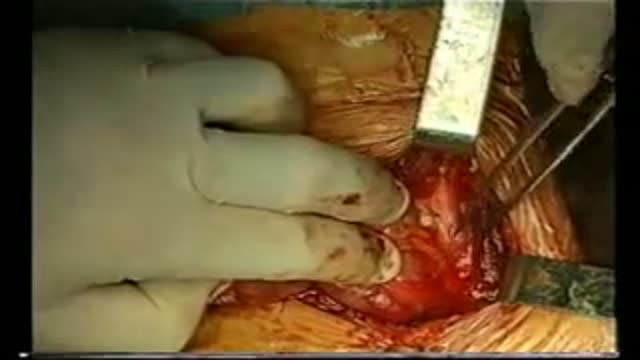
A video showing the total thyroidectomy operation
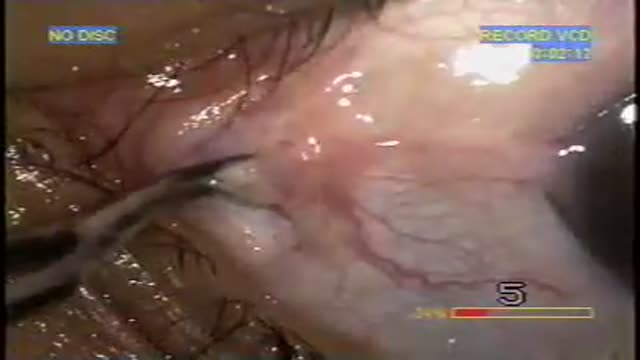
Bloodless accurate atraumatic and efficient strengthening of a medial rectus.Non magnetic steel sutures used.All cutting is done by Fugo blade.Postoperative reaction is nil.The child goes to school 2 days after surgery.
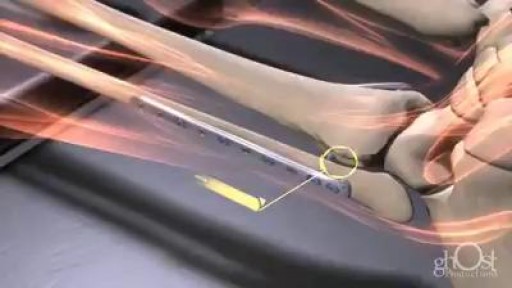
How Bone Fractures Are Repaired
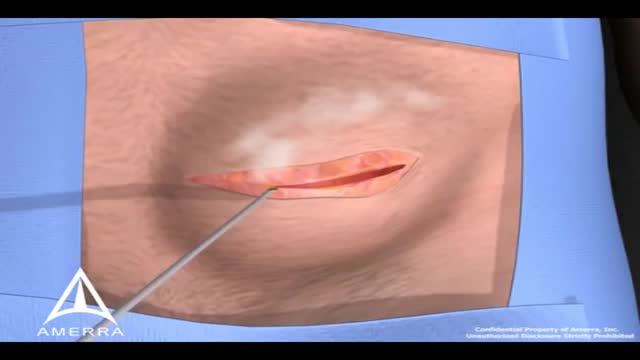
During surgery to repair the hernia, the bulging tissue is pushed back in. Your abdominal wall is strengthened and supported with sutures (stitches), and sometimes mesh. This repair can be done with open or laparoscopic surgery. You and your surgeon can discuss which type of surgery is right for you.

View more before and afters, videos and get detailed information at http://www.torontoplacticsurgeryclini..., and find out what Botox and Restylane can do for you. In this very informative video renowned board certified plastic surgeon Dr. Michael Weinberg, founder of Mississauga Cosmetic Surgery and Laser Clinic, and The Toronto Plastic Surgery Clinic, and Chief of Plastic Surgery at trillium Health Centre, demonstrates extensive injections with Restylane. This is an example of a "non-surgical Facelift" achieved with Hyaluronic Acid filler. The results are immediateand will last 6 months to a year or longer.

Five percent of pregnant women have gestational diabetes, so if you're expecting, understanding the basics of this common condition is vital

Check out the remarkable bond between the mother and her baby.
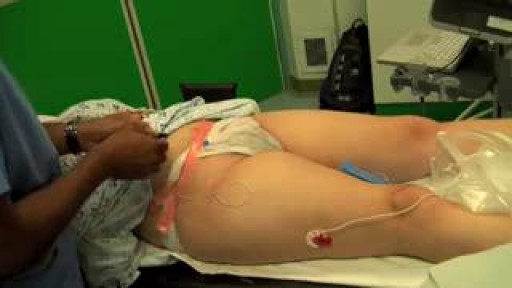
Ultrasound guided Femoral Nerve stimulating Catheter
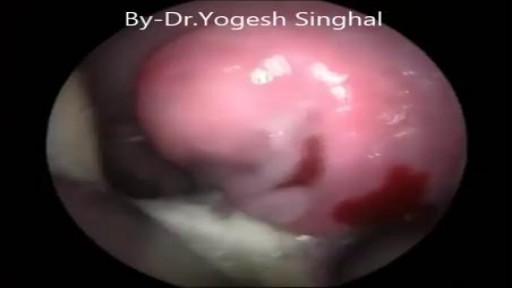
A peritonsillar abscess forms in the tissues of the throat next to one of the tonsils. An abscess is a collection of pus that forms near an area of infected skin or other soft tissue. The abscess can cause pain, swelling, and, if severe, blockage of the throat. If the throat is blocked, swallowing, speaking, and even breathing become difficult. When an infection of the tonsils (known as tonsillitis) spreads and causes infection in the soft tissues, a peritonsillar abscess may result. Peritonsillar abscesses are generally uncommon. When they do occur they are more likely among young adults, adolescents, and older children.

Clean hands can help prevent the spread of infectious diseases, such as flu. This podcast explains the proper way to wash your hands.
Swine Flu Avoid
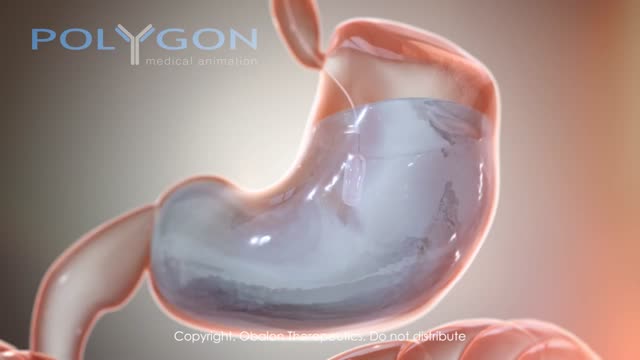
The gastric balloon procedure (endoscopic intragastric balloon) leaves an inflated silicon balloon in the stomach for 6 months, making less room for food. As a result, patients: Feel full sooner while eating and therefore eat less. Lose about 30% of their excess weight in 6 months.

Amniocentesis,before the actual procedure, a local anesthetic is sometimes given to relieve the pain when inserting the needle used to withdraw the fluid. A needle is usually inserted through the mother's abdominal wall or at the end of the vagina, and through the wall of the uterus into the amniotic sac. With assistance from ultrasound, a physician aims towards an area of the sac that is away from the fetus and extracts a small amount of amniotic fluid for testing. The puncture heals, and the amniotic sac replenishes the liquid over a day or so. After the amniotic fluid is extracted, the fetal cells are separated from it using a centrifuge, and the fetal chromosomes are examined for abnormalities. Various genetic testing may be performed, but the three most common abnormalities tested for are Down's syndrome, Trisomy 18 and spina bifida. Amniocentesis can be performed as soon as sufficient amniotic fluid surrounds the fetus to allow a sample to be recovered relatively safely, usually no earlier than the 14th week of pregnancy. Often, genetic counseling is offered in conjunction with amniocentesis.

An Echocardiography showing an Acute Pulmonary Embolism
Pediatric Abdomen - Radiology & Imaging Powerpoint Video Lecture presentation with interesting case collection
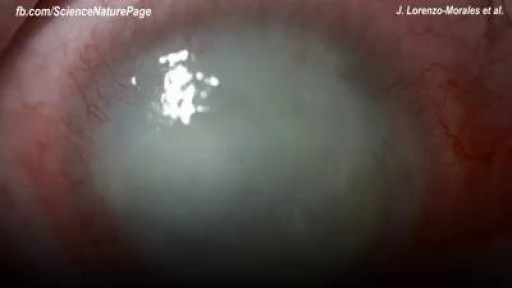
Don't cleanse your contact lenses with tap water.
