
- Physical Examination
- Surgical Examination
- Ophthalmology
- Clinical Skills
- Orthopedics
- Surgery Videos
- Laparoscopy
- Pediatrics
- Funny Videos
- Cardiothoracic Surgery
- Nursing Videos
- Plastic Surgery
- Otorhinolaryngology
- Histology and Histopathology
- Neurosurgery
- Dermatology
- Pediatric Surgery
- Urology
- Dentistry
- Oncology and Cancers
- Anatomy Videos
- Health and Fitness
- Radiology
- Anaesthesia
- Physical Therapy
- Pharmacology
- Interventional Radiology
- Cardiology
- Endocrinology
- Gynecology
- Emergency Medicine
- Psychiatry and Psychology
- Childbirth Videos
- General Medical Videos
- Nephrology
- Physiology
- Diet and Food Health
- Diabetes Mellitus
- Neurology
- Women Health
- Osteoporosis
- Gastroenterology
- Pulmonology
- Hematology
- Rheumatology
- Toxicology
- Nuclear Medicine
- Infectious Diseases
- Vascular Disease
- Reproductive Health
- Burns and Wound Healing
- Other
Top videos


Ligation of Aneurysm in ArterioVenous Malformation

Eye Lid Partial Tarsectomy Surgery

Acromegaly is usually caused by a noncancerous tumor. Middle-aged adults are most commonly affected. Symptoms include enlargement of the face, hands, and feet. Prompt treatment is needed to avoid serious illness. Drugs can reduce the effects of growth hormone. If needed, surgery and radiation may be used to remove tumor cells.

Eye Phacoemulsification
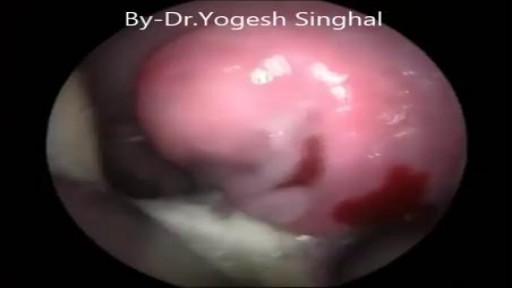
A peritonsillar abscess forms in the tissues of the throat next to one of the tonsils. An abscess is a collection of pus that forms near an area of infected skin or other soft tissue. The abscess can cause pain, swelling, and, if severe, blockage of the throat. If the throat is blocked, swallowing, speaking, and even breathing become difficult. When an infection of the tonsils (known as tonsillitis) spreads and causes infection in the soft tissues, a peritonsillar abscess may result. Peritonsillar abscesses are generally uncommon. When they do occur they are more likely among young adults, adolescents, and older children.
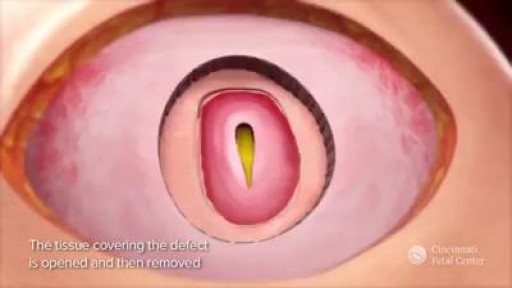
Repairing a myelomeningocele in utero, rather than after birth, reduces the risk for fetal or neonatal death and the need for shunting by age 1 and substantially improves neurologic and motor outcomes. However, it is not without maternal and fetal risks. These are the findings, in a nutshell, of the long-awaited Management of Myelomeningocele Study (MOMS), which were published online February 9 in The New England Journal of Medicine.

MRI of Fetal Brain Development

Alzheimer Disease Effects

Traumatic Brain Injury (TBI) TBI is defined as an alteration in brain function, or other evidence of brain pathology, caused by an external force. Adopted by the Brain Injury Association Board of Directors in 2011. This definition is not intended as an exclusive statement of the population served by the Brain Injury Association of America. Acquired Brain Injury An acquired brain injury is an injury to the brain, which is not hereditary, congenital, degenerative, or induced by birth trauma. An acquired brain injury is an injury to the brain that has occurred after birth. There is sometimes confusion about what is considered an acquired brain injury. By definition, any traumatic brain injury (e.g. from a motor vehicle accident or assault) could be considered an acquired brain injury. In the field of brain injury, acquired brain injuries are typically considered any injury that is non traumatic. Examples of acquired brain injury include stroke, near drowning, hypoxic or anoxic brain injury, tumor, neurotoxins, electric shock or lightning strike.

Breast cancer usually starts off in the inner lining of milk ducts or the lobules that supply them with milk. A malignant tumor can spread to other parts of the body. A breast cancer that started off in the lobules is known as lobular carcinoma, while one that developed from the ducts is called ductal carcinoma. The vast majority of breast cancer cases occur in females. This article focuses on breast cancer in women. We also have an article about male breast cancer. Breast cancer is the most common invasive cancer in females worldwide. It accounts for 16% of all female cancers and 22.9% of invasive cancers in women. 18.2% of all cancer deaths worldwide, including both males and females, are from breast cancer. Breast cancer rates are much higher in developed nations compared to developing ones. There are several reasons for this, with possibly life-expectancy being one of the key factors - breast cancer is more common in elderly women; women in the richest countries live much longer than those in the poorest nations. The different lifestyles and eating habits of females in rich and poor countries are also contributory factors, experts believe. According to the National Cancer Institute, 232,340 female breast cancers and 2,240 male breast cancers are reported in the USA each year, as well as about 39,620 deaths caused by the disease.
http://endyourdepression.plus101.com ---Depression Alternative Medicine Remedies. Learn more about your own, unique depression symptoms and pin-point exactly which type of depression you are suffering from. Accurately discover what is causing your depression... and why it keeps coming back no matter which drugs you take or which treatments you try. Uncover the simple methods that allow you to switch your mind away from depression and towards real happiness. Gain real insight into why most depression treatments only make your symptoms worse. Depression Alternative Medicine Remedies depressive major disorder symptoms signs medication treatment clinical causes anxiety teen help hurts self test medicine antidepression types anxiety severe
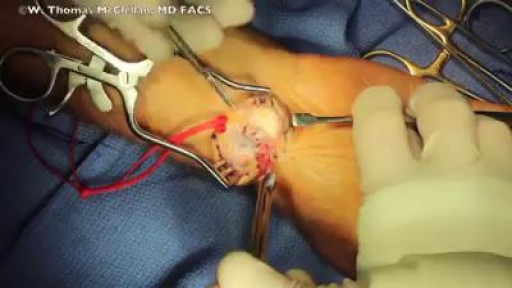
Surgery involves removing the cyst as well as part of the involved joint capsule or tendon sheath, which is considered the root of the ganglion. Even after excision, there is a small chance the ganglion will return. A ganglion cyst at the wrist is removed during a surgical procedure called excision.

www.diabetes.org > Living With Diabetes > Treatment and Care > Medication > Insulin & Other Injectables Share: Print PageText Size:A A A Listen How Do Insulin Pumps Work? If you have been diagnosed with diabetes, you may feel overwhelmed by all the new information you have learned and will continue to learn about managing your diabetes. You already know your main goal should be to get your blood glucose (sugar) levels under control in order to increase your chances of a complication-free life. Many people know this, but need to know how to achieve good diabetes management, while balancing the day-to-day demands of diabetes with other life demands. An insulin pump can help you manage your diabetes. By using an insulin pump, you can match your insulin to your lifestyle, rather than getting an insulin injection and matching your life to how the insulin is working. When you work closely with your diabetes care team, insulin pumps can help you keep your blood glucose levels within your target ranges. People of all ages with type 1 diabetes use insulin pumps and people with type 2 diabetes have started to use them as well. - See more at: http://www.diabetes.org/living-with-diabetes/treatment-and-care/medication/insulin/how-do-insulin-pumps-work.html?referrer=https://www.google.com/#sthash.XD56v351.dpuf

Baby Mucus Removal - Is This Right Way???
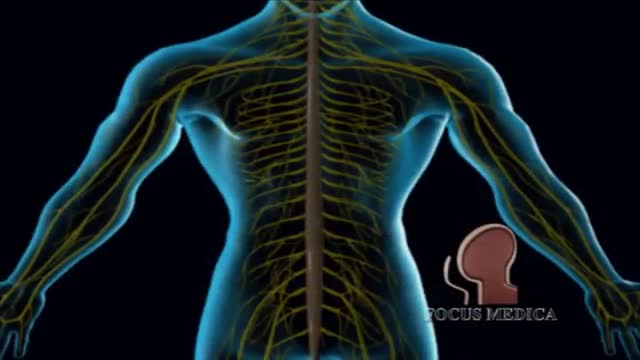
Type 2 Diabetes Animation 3D

How to Know If You Have Diabetes
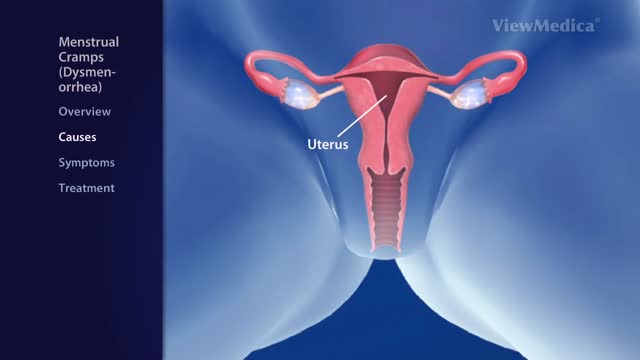
Dysmenorrhea is the medical term for pain with menstruation. There are two types of dysmenorrhea: "primary" and "secondary". Primary dysmenorrhea is common menstrual cramps that are recurrent (come back) and are not due to other diseases. Pain usually begins 1 or 2 days before, or when menstrual bleeding starts, and is felt in the lower abdomen, back, or thighs. Pain can range from mild to severe, can typically last 12 to 72 hours, and can be accompanied by nausea, vomiting, fatigue, and even diarrhea. Common menstrual cramps usually become less painful as a woman ages and may stop entirely if the woman has a baby. Secondary dysmenorrhea is pain that is caused by a disorder in the woman's reproductive organs, such as endometriosis, adenomyosis, uterine fibroids, or infection. Pain from secondary dysmenorrhea usually begins earlier in the menstrual cycle and lasts longer than common menstrual cramps. The pain is not typically accompanied by nausea, vomiting, fatigue, or diarrhea.
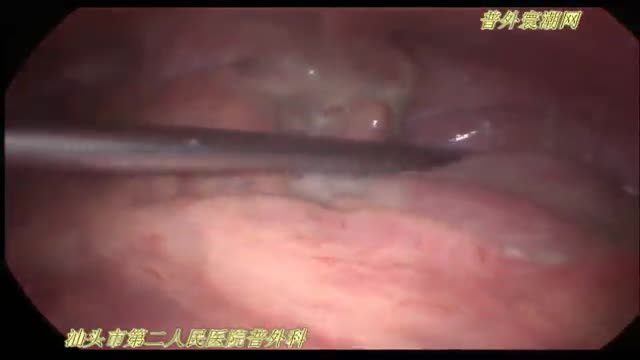
急性坏疽性阑尾炎并穿孔de 腹腔镜手术治疗
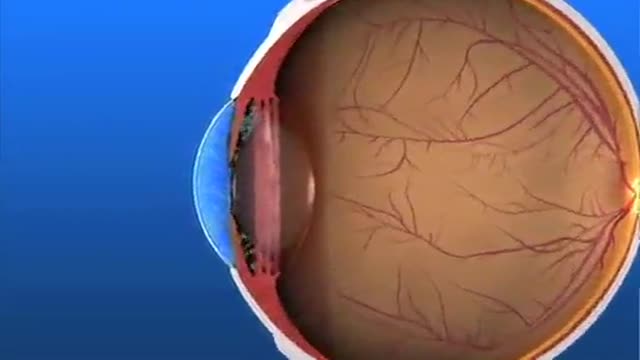
Glaucoma Pathogenesis Simplified
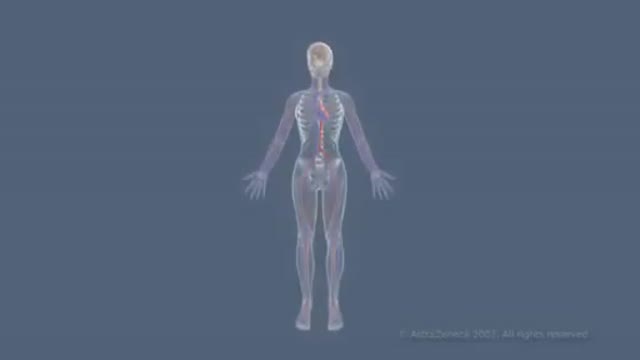
Providing information on the Atherosclerosis and its complex biological process: it is the idea of this medical video dedicated to the prevention of the cardiovascular risks of diseases.
