
- Procedures & Tests
- Symptoms A-Z
- Symptom Checker
- Kidney Diet
- First Aid
- Anatomy Atlas
- Ask MedicalVideos
- Drug Guide
- Lab Values
- Vital Signs
- Muscles A–Z
- Clinical Signs
- Medical Abbreviations
- Medical Terminology
- Physical Examination
- Surgical Examination
- Ophthalmology
- Clinical Skills
- Orthopedics
- Surgery Videos
- Laparoscopy
- Pediatrics
- Medical Humor
- Cardiothoracic Surgery
- Nursing Videos
- Plastic Surgery
- Otorhinolaryngology
- Histology and Histopathology
- Neurosurgery
- Dermatology
- Pediatric Surgery
- Urology
- Dentistry
- Oncology and Cancers
- Anatomy Videos
- Health and Fitness
- Radiology
- Anaesthesia
- Physical Therapy
- Pharmacology
- Interventional Radiology
- Cardiology
- Endocrinology
- Gynecology
- Emergency Medicine
- Psychiatry and Psychology
- Childbirth Videos
- General Medical Videos
- Nephrology
- Physiology
- Diet and Food Health
- Diabetes Mellitus
- Neurology
- Women Health
- Osteoporosis
- Gastroenterology
- Pulmonology
- Hematology
- Rheumatology
- Toxicology
- Nuclear Medicine
- Infectious Diseases
- Vascular Disease
- Reproductive Health
- Burns and Wound Healing
- Kidney Zone Podcast
- Other







Medical Videos - Recto vaginal Exam
hooda. Medical Videos - Recto vaginal Exam [video]. MedicalVideos.com; 2024 Jan 17 [cited 2026 Nov 26]. Available from: https://www.medicalvideos.com/watch/medical-videos-recto-vaginal-exam_add4f17b85c426b019a0.html
hooda (2024, January 17). Medical Videos - Recto vaginal Exam [Video]. MedicalVideos.com. https://www.medicalvideos.com/watch/medical-videos-recto-vaginal-exam_add4f17b85c426b019a0.html
hooda. “Medical Videos - Recto vaginal Exam.” MedicalVideos.com, 17 Jan. 2024, https://www.medicalvideos.com/watch/medical-videos-recto-vaginal-exam_add4f17b85c426b019a0.html. Accessed 26 Nov. 2026.
@misc{medicalvideos2024_add4f17b85c426b019a0,
  author = {hooda},
  title = {Medical Videos - Recto vaginal Exam},
  publisher = {MedicalVideos.com},
  year = {2024},
  month = {1},
  url = {https://www.medicalvideos.com/watch/medical-videos-recto-vaginal-exam_add4f17b85c426b019a0.html},
  note = {Video},
  urldate = {2026-11-26}
}Vancouver (NLM) is the manuscript standard for medical journals. RIS imports into EndNote, Zotero and Mendeley.

Educational only: videos on MedicalVideos.com are for general information and are not medical advice. Always consult your own doctor about your health.
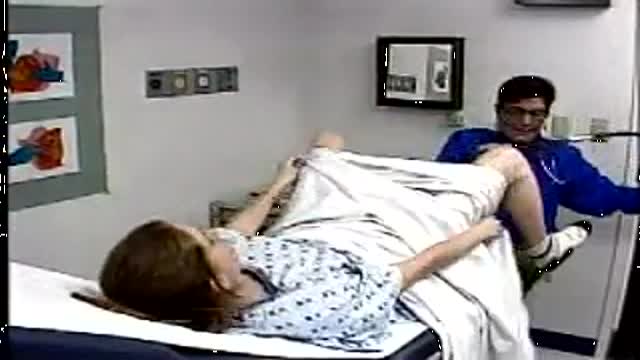
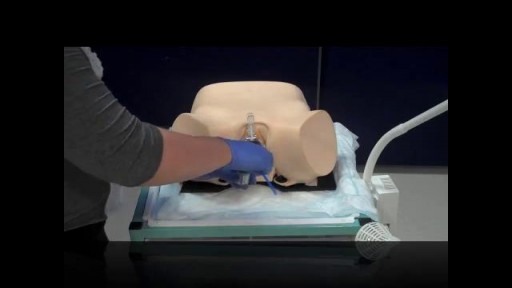
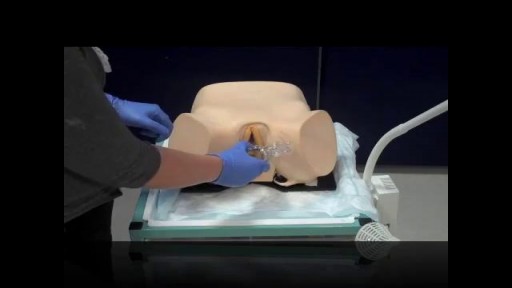
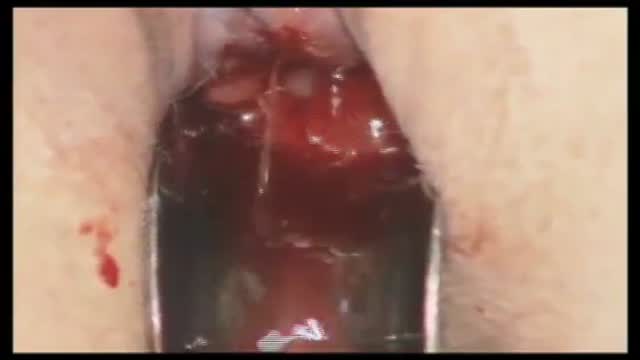
This gynecology video demonstrates the rectovaginal examination, a clinical assessment used to evaluate the pelvic structures. The recording shows how the examination is performed as part of a complete pelvic assessment in a medical setting. It is a standard component of specialist gynecological assessment.
This video in 30 seconds
An OSCE-style teaching narration for the pelvic examination station. The commentary walks through introduction and consent, inspection, bimanual examination, speculum insertion, taking a cervical smear and swabs, and removing the speculum safely.
Key points
- Introduction, consent and preparation for the station are covered
- Inspection of the external area is described
- Bimanual examination technique is walked through
- Speculum insertion and examination are demonstrated in the narration
- Cervical smear and vaginal and endocervical swabs are described
Chapters
- 1:50 — Introduction consent and preparation
- 2:40 — Inspection of external area
- 3:28 — Bimanual examination technique
- 4:58 — Speculum examination
- 5:39 — Cervical smear technique
- 6:16 — Vaginal and endocervical swabs
- 7:08 — Speculum removal and closing
Ask this video
Ask about a step, a term, or a moment in this video. The answer is quoted from the video's own transcript — tap a timestamp to jump the player there.
Quoted from the auto-generated transcript, so an occasional word may be the transcript's own error. Educational only — not medical advice and not a diagnosis.
Video Transcript
An OSCE-style teaching narration for the pelvic examination station, closely related to the rectovaginal examination video elsewhere in the catalogue. The commentary walks through introduction and consent, inspection, bimanual examination, speculum insertion, taking a cervical smear and vaginal and endocervical swabs, and removing the speculum safely. The metadata language tag is Welsh and parts of the automatic transcript are garbled, but the spoken narration is English.
Read the full transcript
Ymgylchedd gyda'i cymryd yma yma, a gafodd gyda'u cyfryd yma, oedd y byddai'r ysgrifennu a'i cymryd. Erbyn du'r ysgrifennu a gyfryd i'r byddai gyda'u cymryd. Felly, mae'n mynd i'r cyfan hynny o'r cymryd o'r cymryd. Mae'n gweithio y dyfodol sydd hynny oedd ymgylchedd gyda'u cymryd, oherwydd mae'r cyfryd yma wedi'n gweithio'r cymryd, ond they don't know how to handle a speculum or the relevant swabs. There are many reasons why women may have to undergo a pelvic examination. Firstly, to take a cervical smear as part of the National Screening Programme.
Secondly, in cases of suspected genital tract infection either by a general practitioner or an genitunio medicine clinic. To assess pelvic pain or dysparunio. To assess menstrual disorders. ydych chi'n gwaith y ffordd. Dych chi'n gwybod y ffordd y pryd yn cael ei gweithio, a'r ffordd y parfwyr. Rydych chi'n golygu yn gweithio y gwain o'siysgol yn ymgheithu Alcagell, Lonstreol Gwglu'r bwysig, a'l sylfaen, yn gweithio'r plastic, a'r mheithwyd. Y bwysig yn gweithio'r model. Ysgolwch, a'r wneud o'r wneud o'r gweithio, neu'r bwysig o'r cwestiynau a lythas anon. You're introduction is the key to a good start to the station.
Wash your hands and introduce yourself to the stimulated patient using your full name and as a medical student of the appropriate year. Confirm you have the correct patient and explain what you'd like to do. Ask the patient to undress completely from the waist down and provide them with something to cover themselves with. It is good practice to ensure that the patient has emptied their bladder as this will make the examination less uncomfortable for them. Start your inspection from the end of the bed, looking for signs or sequelae of menstrual problems
or other gynaecological disorders. Hershey scissum, acne and raised BMI may be signs of polycystic aberanian syndrome. For normal development of secondary sexual characteristics, namely breast development and pubic hair, I'm looking in the eyes to check for parlor as severe Eric Sefer- breaker maid cause iron deficiency anemia. Moving on to the perineal area. Look specifically for swellings, scars, a previous gynaicological surgery, or previous childbirth.
Visible discharge, signs of sexually transmitted infections, such as warts, herpes, etc.
Visible prolapse. If a prolapse is not visible and the patient has complained of prolapse symptoms, USBcrowd can ask the patient to strain down to see if this makes something more visible to you. You could also assess at this point for signs of stress incontinence, however if you've just asked the patient to empty their bladder, then you will not be able to elicit this sign. It is good practice to perform an abdominal examination before performing a vaginal examination Usually in oski stations there will not be time for this.
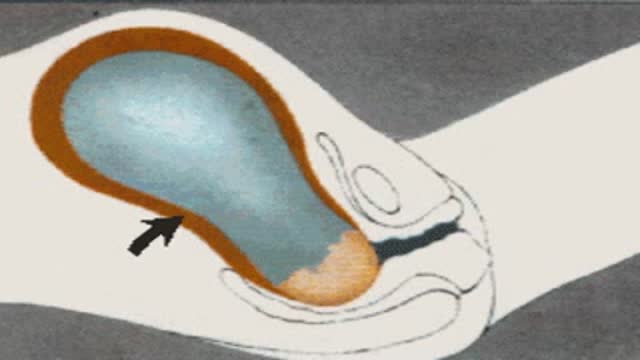
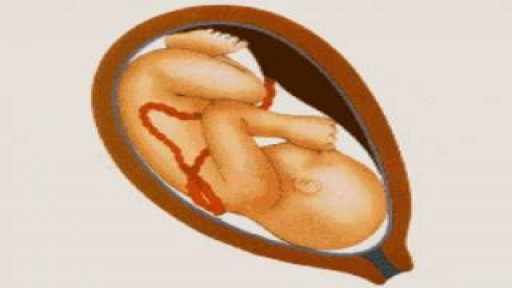
To move on to the vaginal examination. In real life you would use KY jelly to lubricate your fingers but silicon gel has been developed especially for the models Regatwch ddechrau'r gynlluniaeth o dechrau, neu yna i ddiwrnodd gyfroedd gyda'i bach? Rhywbeth ychydig, mawr oes, eich teithiau a rhyddlu'u sydd amserau. Rhywbeth be'i gennyddiaeth i ddechrau'n gweithiau. Rhywbeth ychydig nawr fel yma yng nghwyliaeth ar gyfer yng Nghyru. Y dechrau should be mobile and non-tender and easy to lift out of the pelvis. In most women the dechrau is anti-verted, i.e. it lies forwards towards the bladder,
but in 15% of the population the dechrau may be retroverted. You'd be able to tell this because the cervix would lie more posterior to your examining fingers and it may be difficult to lift out of the pelvis. Then palpating the abnexi for any abnexial masses. It may be possible to palpate normal ovaries in slim patients, particularly under general anaesthetic, but it is also normal to be able to feel nothing in the abnexi. If you do feel an abnexial mass, describe it in terms of size, fixation and tenderness.
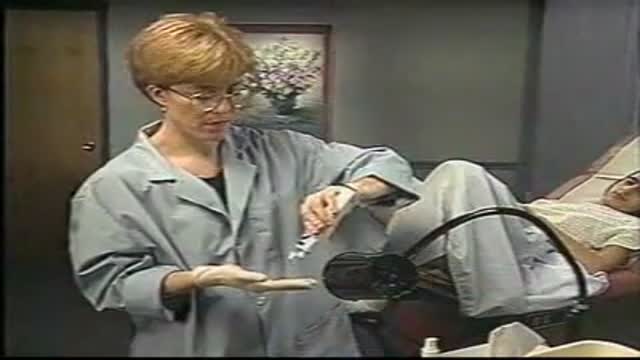
To move on to the speculum examination. First lubricate the speculum. Warm water may be useful for metal specular which may be cold. If you are taking a smear you must not use oil based lubricant because this interferes with the fixing of the cells. However most water based lubricants are acceptable when taking a smear. Insert the speculum with the blades closed and the handle in the transverse and rotate it as you insert it. This is the most comfortable for the patient. The cervical smear takes cells for cytological assessment.
It is carried out with 5 360 degree rotations of the cervical brush. There are two types used commonly in clinical practice. The first cell shore has a blue brush and a blue pot. Once you have taken the smear you need to remove the end of this brush, place it in the pot and replace the lid. The thin prep type involves a green brush and a white pot. The end of the green brush should be agitated in the culture fluid but the end of the brush is not removed before the lid is replaced.
The next test if you have been asked to do it would be a high vaginal swab. This is a standard charcoal swab that is sent to microbiology. If any discharge is visible this is what should be obtained using the swab. It is passed around the vaginal phonases and placed into the tube. The next swab would be an endosovical swab for chlamydia. Chlamydia is more commonly tested for in recent times by using a urine test. But if a specular examination is being done anyway for another reason then this is common to take endosovical swabs for chlamydia.
It has to be extracted via PCR as an intracellular organism. Chlamydia swab packets come with two swabs, one to clean and one to swab. The swab is always longer than the bottle and you must break up the end of it in the collect bottle and replace the lid. To remove the speculum use direct vision and take care not to trap the cervix of the vaginal walls or the patient's pubic hair in the blaze of the speculum. It should be rotated in the reverse order to which it was inserted.
You should provide the patient with wipes and sanctuary protection if appropriate depending on what tests have been done. Always explain findings to the patient after the patient has dressed and not before. Tell the patient how they would receive the results of any test that you have done. In summary, ensure you have the patient's consent, ensure you have a chaperone with you and that the patient is as comfortable as is possible. Don't forget to inspect the vulva before palpating the pelvic organs and assess the cervix plus any further investigations via a speculum examination.
Transcript auto-generated from the video’s audio for accessibility and study. Educational content only — not medical advice.
Related reading
Save videos for later
Create a free account to build your own watch-later list and playlists, and pick up where you left off on any device.
Medical Videos
Free medical and surgery videos for patients, students and professionals — trusted since 2007.
Founded by Dr. Mohamed Ibrahim, MD, PhD — physician-scientist.
Follow us on Facebook · Instagram
SORT BY-
Top Comments
-
Latest comments