
- Physical Examination
- Surgical Examination
- Ophthalmology
- Clinical Skills
- Orthopedics
- Surgery Videos
- Laparoscopy
- Pediatrics
- Funny Videos
- Cardiothoracic Surgery
- Nursing Videos
- Plastic Surgery
- Otorhinolaryngology
- Histology and Histopathology
- Neurosurgery
- Dermatology
- Pediatric Surgery
- Urology
- Dentistry
- Oncology and Cancers
- Anatomy Videos
- Health and Fitness
- Radiology
- Anaesthesia
- Physical Therapy
- Pharmacology
- Interventional Radiology
- Cardiology
- Endocrinology
- Gynecology
- Emergency Medicine
- Psychiatry and Psychology
- Childbirth Videos
- General Medical Videos
- Nephrology
- Physiology
- Diet and Food Health
- Diabetes Mellitus
- Neurology
- Women Health
- Osteoporosis
- Gastroenterology
- Pulmonology
- Hematology
- Rheumatology
- Toxicology
- Nuclear Medicine
- Infectious Diseases
- Vascular Disease
- Reproductive Health
- Burns and Wound Healing
- Kidney Zone Podcast
- Other










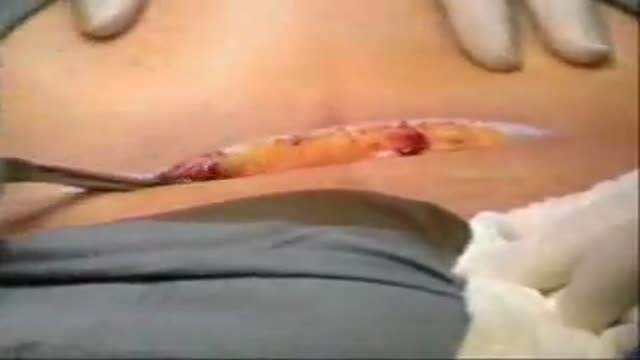




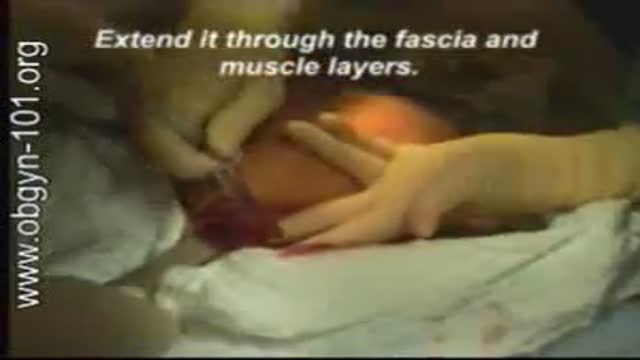
How a Normal Vaginal Delivery Works: Animated Step-by-Step Guide

Educational only: videos on MedicalVideos.com are for general information and are not medical advice. Always consult your own doctor about your health.
An animated step-by-step guide to how a normal spontaneous vaginal delivery proceeds, for students and expectant parents learning how birth works. Educational only — not medical advice.
This video in 30 seconds
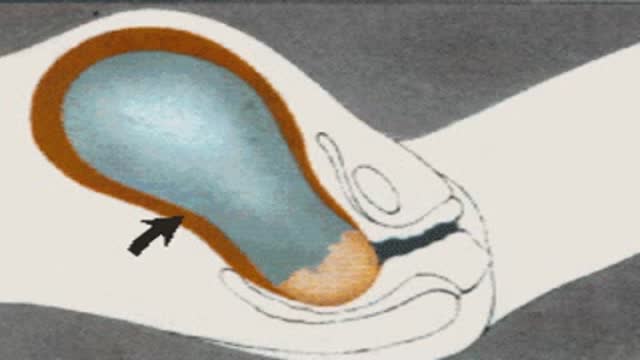
This animated, narrated guide explains how a normal spontaneous vaginal delivery proceeds step by step. Beginning with the baby lying head-down, it describes the first stage of regular contractions and cervical dilation, the more forceful second-stage contractions, the amniotic sac breaking, crowning, and the birth itself, followed by the third stage.
Key points
- The baby is shown positioned head-down toward the cervix
- First-stage contractions and cervical dilation are explained
- Stronger second-stage contractions and waters breaking are described
- Crowning and delivery of the head, shoulders, and body are shown
- The third stage, delivery of the placenta, is introduced
Chapters
- 0:00 — Introduction to the birth process
- 0:13 — First stage contractions and dilation
- 0:26 — Second stage of labour begins
- 0:43 — Crowning and delivery of head
- 1:23 — Cord handling and third stage
Video Transcript
An animated, narrated step-by-step guide to how a normal spontaneous vaginal delivery proceeds. Beginning with the baby lying head-down, it explains the first stage of regular contractions and cervical dilation, the more forceful second-stage contractions, the amniotic sac breaking, and the birth — in terms aimed at students and expectant parents.
Read the full transcript
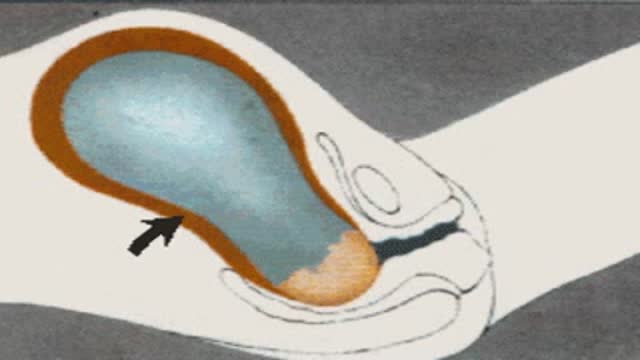
The birth of a child has been called one of life's greatest miracles. During childbirth, the baby lies in the mother's uterus with his head pointing down toward the cervix in anticipation of his or her arrival. The first stages of labor begin with short, regular contractions of the uterus, every few minutes, which continue until the mother's cervix is fully dilated, usually 10 centimeters. In the second stage of labor, the contractions become more forceful, more frequent, and more painful. As the baby's head starts to move down the vagina, the amniotic sac breaks and fluid is released.
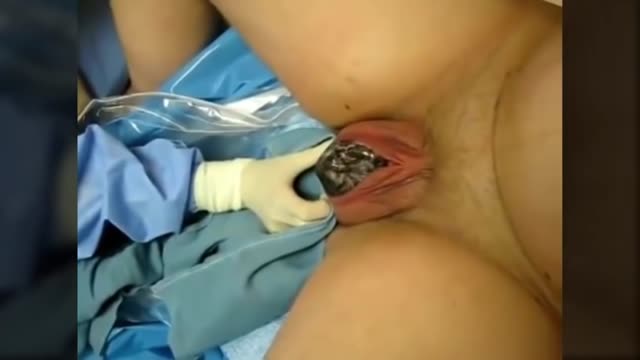
Most mothers recognize this event as their water breaking. The top of the head appears at the entrance of the vagina and finally bulges out. This is the crowning of the head. The contractions which follow push the baby even farther down so that the head is delivered. The baby's eyes immediately begin to blink and the mouth makes sucking movements. The baby usually emerges facing the mother's back so that the head passes through the widest possible opening in the pelvic girdle. The head then turns so that the upper and then the lower shoulder follows.
There is a final contraction and the baby slips out, still attached to the umbilical cord. The cord is then tied and cut, a painless operation because the cord is nervous. The third stage of labor in which the placenta or afterbirth is delivered is usually complete about 15 minutes after the birth.
Transcript auto-generated from the video’s audio for accessibility and study. Educational content only — not medical advice.
Video Overview
From our Reproductive Health collection: Fertility, contraception, IVF and sexual health explained clearly by specialists. Browse all Reproductive Health videos →
Medical Videos
Free medical and surgery videos for patients, students and professionals — trusted since 2007.
Founded by Dr. Mohamed Ibrahim, MD, PhD — physician-scientist.
Follow us on Facebook · Instagram
SORT BY-
Top Comments
-
Latest comments