- Physical Examination
- Surgical Examination
- Ophthalmology
- Clinical Skills
- Orthopedics
- Surgery Videos
- Laparoscopy
- Pediatrics
- Funny Videos
- Cardiothoracic Surgery
- Nursing Videos
- Plastic Surgery
- Otorhinolaryngology
- Histology and Histopathology
- Neurosurgery
- Dermatology
- Pediatric Surgery
- Urology
- Dentistry
- Oncology and Cancers
- Anatomy Videos
- Health and Fitness
- Radiology
- Anaesthesia
- Physical Therapy
- Pharmacology
- Interventional Radiology
- Cardiology
- Endocrinology
- Gynecology
- Emergency Medicine
- Psychiatry and Psychology
- Childbirth Videos
- General Medical Videos
- Nephrology
- Physiology
- Diet and Food Health
- Diabetes Mellitus
- Neurology
- Women Health
- Osteoporosis
- Gastroenterology
- Pulmonology
- Hematology
- Rheumatology
- Toxicology
- Nuclear Medicine
- Infectious Diseases
- Vascular Disease
- Reproductive Health
- Burns and Wound Healing
- Kidney Zone Podcast
- Other
Knee Replacement Surgery
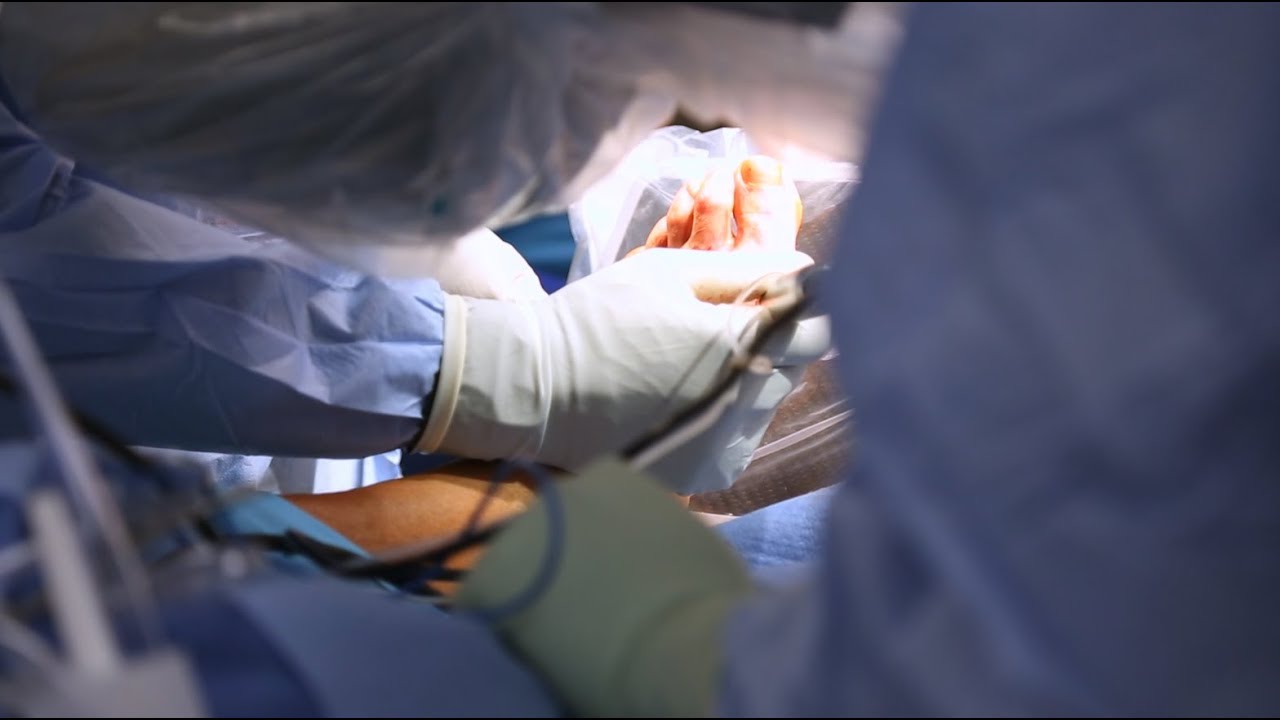
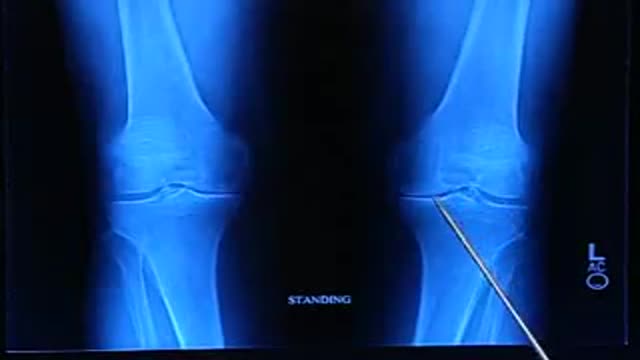
A total knee replacement swaps the worn joint surfaces of the knee for metal and medical-grade plastic components, aiming to relieve arthritis pain and restore movement. This page collects our most-watched knee replacement videos — including walking before and after surgery — the patient guide, and straight answers on pain, recovery and how long an artificial knee lasts.
Watch: knee replacement videos



Read: the plain-language guide
What Happens During Knee Replacement Surgery? What the surgeon actually replaces, how long the operation takes, pain afterwards, when you can walk again, and how long an artificial knee lasts. Read the article →Frequently asked questions
Does the surgeon replace the whole leg?
No. Only the damaged joint surfaces are replaced — the worn ends of the thigh and shin bones — with metal and medical-grade plastic components shaped to mimic the joint’s movement. The muscles, tendons, and most of the surrounding tissue stay.
How long does the operation itself take?
It varies, but a routine total knee replacement commonly takes on the order of one to two hours in the operating room, not counting anaesthesia and recovery-room time.
Will I be in much pain afterwards?
There’s real soreness in the early days, and pain control is part of the plan. Most people find the first weeks the toughest, with steady improvement as physiotherapy builds strength and movement.
When can I walk again?
Usually the same day or the next, with help — a walker or crutches at first. Independent walking and driving take longer and depend on which leg was operated and your surgeon’s clearance.
How long does an artificial knee last?
Modern implants are designed to last many years, but lifespan depends on activity level, weight, and other health factors. Your surgeon can give you the realistic picture for your situation.
Related topics on MedicalVideos.com
This page is for general education only and is not medical advice. Whether knee replacement is right for you — and its timing — are decisions to make with your own orthopaedic surgeon.