
- Physical Examination
- Surgical Examination
- Ophthalmology
- Clinical Skills
- Orthopedics
- Surgery Videos
- Laparoscopy
- Pediatrics
- Funny Videos
- Cardiothoracic Surgery
- Nursing Videos
- Plastic Surgery
- Otorhinolaryngology
- Histology and Histopathology
- Neurosurgery
- Dermatology
- Pediatric Surgery
- Urology
- Dentistry
- Oncology and Cancers
- Anatomy Videos
- Health and Fitness
- Radiology
- Anaesthesia
- Physical Therapy
- Pharmacology
- Interventional Radiology
- Cardiology
- Endocrinology
- Gynecology
- Emergency Medicine
- Psychiatry and Psychology
- Childbirth Videos
- General Medical Videos
- Nephrology
- Physiology
- Diet and Food Health
- Diabetes Mellitus
- Neurology
- Women Health
- Osteoporosis
- Gastroenterology
- Pulmonology
- Hematology
- Rheumatology
- Toxicology
- Nuclear Medicine
- Infectious Diseases
- Vascular Disease
- Reproductive Health
- Burns and Wound Healing
- Kidney Zone Podcast
- Other
Top videos
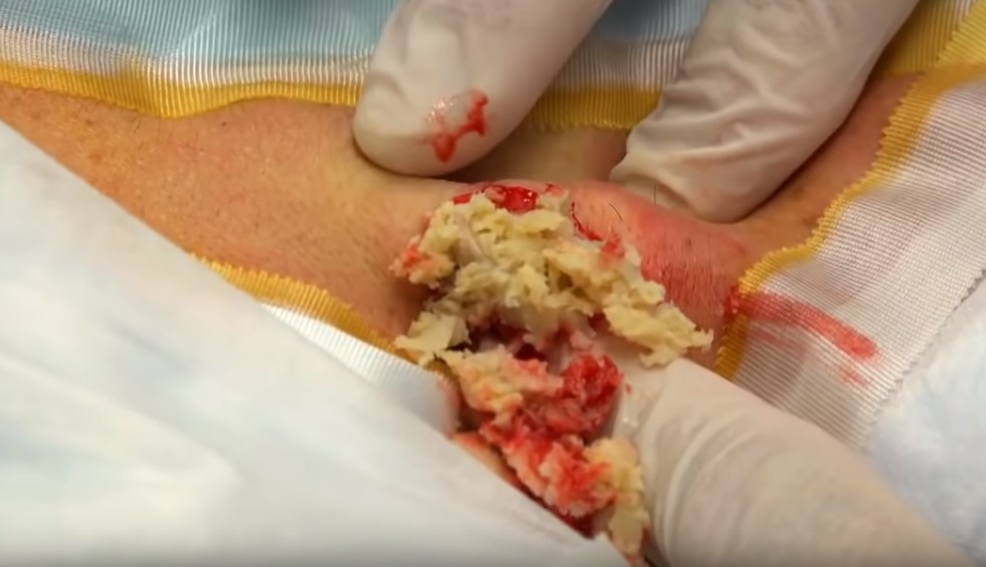

Watch that video of Popping Huge Epidermoid Cyst
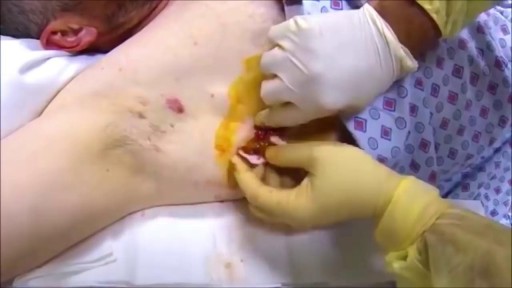
Armpit Abscess Drainage

#ComprehensiveClinicalClass
History, Examination and Management of Hernia
Mentor: Dr. Nishanth, Consultant Surgeon, Bengaluru.
THE WHITE ARMY
To make studies more interesting and enjoyable, we are constantly trying to share most important tables, charts, diagrams, mnemonics, scoring systems, diagnostic criterias, motivating quotes and other useful study materials on
ANDROID APP - All in 1 Free Medical Education App for Medicos
https://play.google.com/store/....apps/details?id=com.
INSTAGRAM PAGE
@the_whitearmy
https://www.instagram.com/the_whitearmy/
TELEGRAM GROUP
PDFs, PPTs and other study materials stored for easy, convenient access and download.
https://t.me/whitearmyofmedicos
Anyone interested to present clinical cases, willing to join whatsapp discussion group, can send a mail to [email protected]
#StudyManiaInSocialMedia
#HelpOthersToHelpOurselves
#StudyEnjoyingEnjoyStudying
DISCLAIMER
THE WHITE ARMY does not own or claim to own any of the media used in the following video/stream. The media belong to their respective owners who may have copyright over them.The media have been taken from various sources and are used for medical educational purposes only. The following video/stream may contain images that may not be suitable for all audiences, viewer discretion is advised.

This video demonstrates Laparoscopic Cholecystectomy Fully Explained Skin-to-Skin Video with Near Infrared Cholangiography performed by Dr R K Mishra at World Laparoscopy Hospital. A laparoscopic cholecystectomy is a minimally invasive surgical procedure that involves removing the gallbladder. It is typically performed using small incisions in the abdomen, through which a laparoscope (a thin tube with a camera and light) and surgical instruments are inserted. The surgeon uses the laparoscope to visualize the inside of the abdomen and to guide the instruments in removing the gallbladder.
Near-infrared cholangiography is a technique that uses a special camera and fluorescent dye to visualize the bile ducts during surgery. The dye is injected into the cystic duct (the tube that connects the gallbladder to the bile ducts) and the camera detects the fluorescence emitted by the dye, allowing the surgeon to see the bile ducts more clearly.
The combination of laparoscopic cholecystectomy and near-infrared cholangiography has become a standard of care in many hospitals and surgical centers. It allows for a more precise and efficient surgery, reducing the risk of complications such as bile duct injury.
The use of indocyanine green (ICG) with near-infrared imaging during laparoscopic cholecystectomy has several advantages. Here are some of them:
Better visualization of the biliary anatomy: ICG with near-infrared imaging allows for better visualization of the biliary anatomy during surgery. This helps the surgeon identify important structures, such as the cystic duct and the common bile duct, and avoid injuring them.
Reduced risk of bile duct injury: With better visualization of the biliary anatomy, the risk of bile duct injury during surgery is reduced. Bile duct injury is a serious complication that can occur during laparoscopic cholecystectomy and can lead to long-term health problems.
Improved surgical precision: ICG with near-infrared imaging also improves surgical precision. The surgeon can better see the tissues and structures being operated on, which can help reduce the risk of bleeding and other complications.
Shorter operating time: The use of ICG with near-infrared imaging can shorten the operating time for laparoscopic cholecystectomy. This is because the surgeon can more quickly and accurately identify the biliary anatomy, which can help streamline the surgery.
Overall, the use of ICG with near-infrared imaging is a valuable tool in laparoscopic cholecystectomy that can improve surgical outcomes and reduce the risk of complications.
Like any surgical procedure, laparoscopic cholecystectomy (gallbladder removal) has potential complications. Here are some of the most common ones:
Bleeding: Bleeding during or after the surgery is a possible complication of laparoscopic cholecystectomy. Most cases are minor and can be easily controlled, but in rare cases, significant bleeding may require a blood transfusion or even additional surgery.
Infection: Any surgical procedure carries a risk of infection. After laparoscopic cholecystectomy, there is a risk of infection at the site of the incisions or within the abdomen. Symptoms may include fever, pain, redness, or drainage from the incision sites.
Bile leakage: In some cases, a small amount of bile may leak from the bile ducts into the abdominal cavity after gallbladder removal. This can cause abdominal pain, fever, and sometimes requires further surgery or treatment.
Injury to nearby organs: During the surgery, there is a small risk of unintentional injury to nearby organs such as the liver, intestines, or bile ducts. This can cause additional complications and may require further treatment.
Adverse reactions to anesthesia: As with any surgery requiring general anesthesia, there is a small risk of adverse reactions to the anesthesia, such as an allergic reaction, respiratory problems, or heart complications.
Most patients recover without complications following a laparoscopic cholecystectomy, but it is important to discuss any concerns or questions with your surgeon beforehand.
Contact us
World Laparoscopy Hospital
Cyber City, Gurugram, NCR Delhi
INDIA : +919811416838
World Laparoscopy Training Institute
Bld.No: 27, DHCC, Dubai
UAE : +971525857874
World Laparoscopy Training Institute
8320 Inv Dr, Tallahassee, Florida
USA : +1 321 250 7653
Regenerate response
How did Mr Bean get himself into pretending to be a doctor?

Ellis demonstrates how to perform a sterile wound dressing change. It would be appropriate to perform hand hygiene between glove changes.
Our Critical Nursing Skills video tutorial series is taught by Ellis Parker MSN, RN-BC, CNE, CHS and intended to help RN and PN nursing students study for your nursing school exams, including the ATI, HESI and NCLEX.
#NCLEX #ClinicalSkills #woundcare #HESI #Kaplan #ATI #NursingSchool #NursingStudent #Nurse #RN #PN #Education #LVN #LPN #nurseeducator
00:00 What to expect
00:51 Prepping for wound dressing change
1:15 Removing the old wound dressing
1:40 Assessing a wound
2:05 Setting up sterile field
2:49 Sterile gloving
4:02 Preparing equipment for wound dressing change
5:09 Cleaning a wound
6:13 Drying a wound
6:28 Packing a wound
7:19 Covering a wound
7:47 Labeling a wound dressing
🚨 Reminder: shipping deadlines are looming 👀
🎁 Regular Shipping: Order by Friday, December 15
🚀 Expedited Shipping: Order by Monday, December 18
🔍 Still searching for last-minute gifts? Consider a Level Up RN Gift Card! 💌 It’s not only a thoughtful present but also the perfect way to share treasures like Pharmacology Flashcards OR digital treasures like Flashables Digital Nursing Flashcards & the Level Up RN membership. Give the gift of knowledge this holiday season! 🧠⚡️💖 bit.ly/LevelUpRNGC
🚪 Access our Cram Courses, Quizzes and Videos all in one ad free space with Level Up RN Membership https://bit.ly/LevelUpRNMembership
Want more ways to MASTER Clinical Skills? Check out our flashcards & videos!
👇👇👇👇👇👇👇👇👇👇
👉 https://bit.ly/clinicalnursingskills 👈
☝️👆☝️👆☝️👆☝️👆☝️👆
This is your one-stop-shop for materials to help you LEARN & REVIEW so you can PASS Nursing School.
🤔🤔🤔 DO YOU WANT TO PASS your classes, proctored exams and the NCLEX? 🤔🤔🤔 Our resources are the best you can buy. They are built with a single goal: help you pass with no fluff. Everything you need, and nothing you don’t. Don’t take our word for it, though! Check out our hundreds of ⭐️⭐️⭐️⭐️⭐️ reviews from nurses who passed their exams and the NCLEX with Level Up RN.
🗂️ Our Ultimate Nursing School Survival kit is your number 1 resource to get through nursing school and to pass the NCLEX. Whether you're just starting school or you’re already prepping for the NCLEX, this bundle of flashcards is the best you can buy. It covers all the information you need to know to pass all your exams and it has FREE shipping!
➡️ https://bit.ly/TUNSSK ⬅️
L👀king for EVEN MORE resources to survive Nursing School? Make your Nursing School experience your own! Life’s difficult enough—learning shouldn’t be.
🪅 Games https://nursesquad.com
💻 Digital resources https://bit.ly/NursingStudyCourses
📅 Organizational tools https://bit.ly/OrganizingSchool
✨Want perks? Join our channel!
https://youtube.com/leveluprn/join
🏷 Head to https://leveluprn.com/specials for all our latest deals!🥳️
📧 LOOKING FOR FREE RESOURCES TO HELP WITH YOUR EXAMS? Get exclusive tips, latest video releases and more delivered to your email!
➡️ https://leveluprn.com/signup ⬅️
⚕ 👩 LEVEL UP NURSE SQUAD 👩⚕️
All of the nurses at Level Up RN are here to help! Cathy Parkes started helping her fellow classmates back when she was in nursing school, tutoring so they could pass their exams and graduate. After she got her BSN and started working as an RN at Scripps Encinitas Hospital, she started this YouTube channel to help nursing students around the world. Since then she has built a team of top-notch dedicated nurses and nurse educators who are focused on improving nursing education and supporting career advancement for nurses everywhere. With flashcards, videos, courses, organizational tools and more, we are singularly focused on helping students and nurses Level Up on their exams and nursing careers.
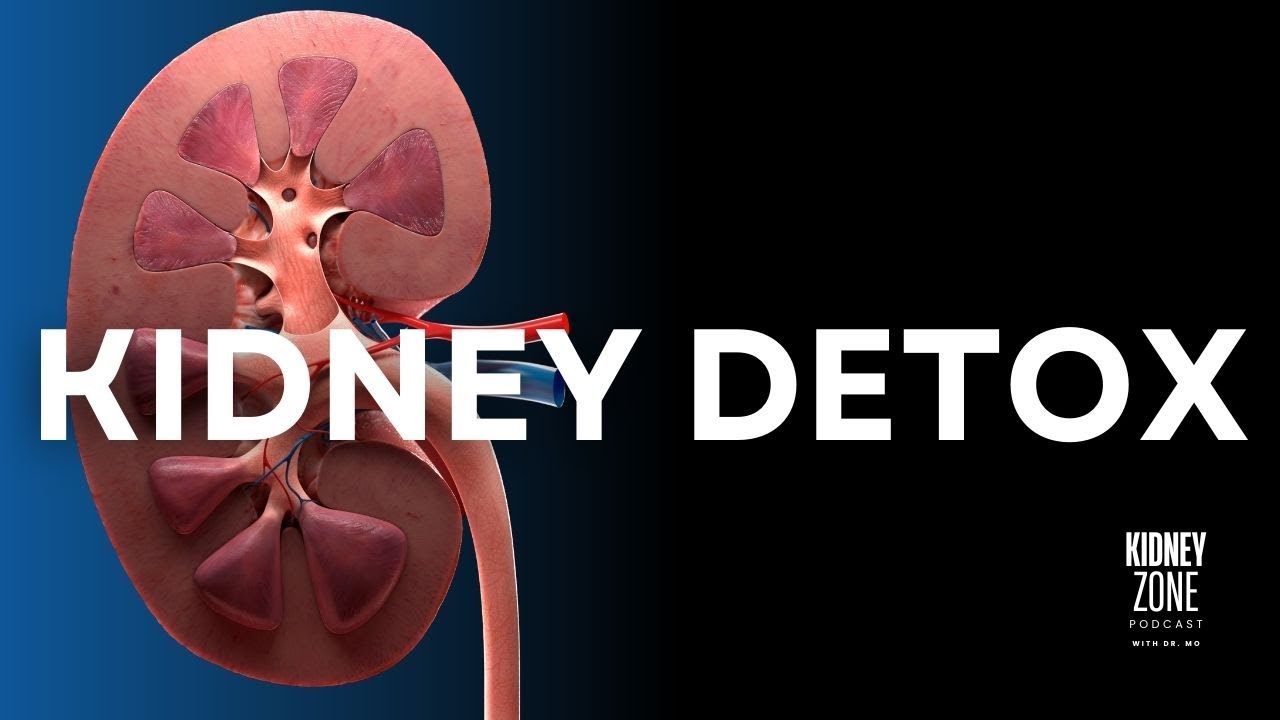
Kidney detox is a topic that often sparks curiosity and debate. In this episode, we'll explore the concept of cleansing and detoxing your kidneys for optimal health.
_
The Kidney Zone Podcast with Dr. Mo
Welcome to the Kidney Zone, where we will dive deep into the fascinating world of our body's remarkable filters. Get ready to unlock the secrets of the kidneys and transplantation as we travel through their pathways, uncovering vital tips, insightful knowledge, and practical advice to keep our kidneys healthy. Whether you're a patient with kidney disease, a medical professional, or simply curious about the kidneys, this is the place for you.
_
Follow Along on Social Media:
Facebook: https://www.facebook.com/Dr.Mo.Page
Instagram: https://www.instagram.com/dr.mo.ibrahim/
Twitter: https://twitter.com/drmoibrahim
TikTok: https://www.tiktok.com/@dr.mo.ibrahim
_
Dr. Mo Ibrahim is an assistant professor of kidney transplantation at the University of Maryland, Baltimore. He completed his clinical transplant nephrology fellowship at Washington University in 2022. Originally from Cairo, he pursued a physician/scientist career, conducting research at Duke University from 2012 to 2019. He has authored 70+ journal articles, given a TEDx talk, and holds 5 patents. Currently finishing his PhD at Erasmus University, he drives international collaborations to advance medical technology and improve medical monitoring.
_
DISCLAIMER
The content of this episode is intended for informational purposes only and is not to be considered medical advice. The information presented here is not meant to diagnose, treat, cure, or prevent any disease or medical condition.
Always consult with a qualified healthcare professional or your doctor before making any healthcare decisions or starting any treatment regimen. Individual medical situations can vary, and only a licensed healthcare provider can offer personalized advice tailored to your specific needs.
The creators of this episode are not responsible for any actions taken based on the information provided herein. Any reliance on the content of this episode is at your own risk. If you have any medical concerns or questions, please seek guidance from a medical professional promptly.
Remember that medical knowledge and practices can evolve over time, and new information may become available after the creation of this episode. Therefore, it is essential to stay up-to-date with the latest medical research and consult with your healthcare provider to ensure the best possible care for your health.

Today, we dive into the world of kidney replacement therapy with a focus on two primary modalities: "Hemodialysis vs. Peritoneal Dialysis: Understanding the Differences and Choosing the Right Option." We'll explore the distinct characteristics, benefits, and considerations of hemodialysis and peritoneal dialysis, helping individuals with kidney failure to make informed decisions about their treatment options.
_
The Kidney Zone Podcast with Dr. Mo
Welcome to the Kidney Zone, where we will dive deep into the fascinating world of our body's remarkable filters. Get ready to unlock the secrets of the kidneys and transplantation as we travel through their pathways, uncovering vital tips, insightful knowledge, and practical advice to keep our kidneys healthy. Whether you're a patient with kidney disease, a medical professional, or simply curious about the kidneys, this is the place for you.
_
Follow Along on Social Media:
Facebook: https://www.facebook.com/Dr.Mo.Page
Instagram: https://www.instagram.com/dr.mo.ibrahim/
Twitter: https://twitter.com/drmoibrahim
TikTok: https://www.tiktok.com/@dr.mo.ibrahim
_
Dr. Mo Ibrahim is an assistant professor of kidney transplantation at the University of Maryland, Baltimore. He completed his clinical transplant nephrology fellowship at Washington University in 2022. Originally from Cairo, he pursued a physician/scientist career, conducting research at Duke University from 2012 to 2019. He has authored 70+ journal articles, given a TEDx talk, and holds 5 patents. Currently finishing his PhD at Erasmus University, he drives international collaborations to advance medical technology and improve medical monitoring.
_
DISCLAIMER
The content of this episode is intended for informational purposes only and is not to be considered medical advice. The information presented here is not meant to diagnose, treat, cure, or prevent any disease or medical condition.
Always consult with a qualified healthcare professional or your doctor before making any healthcare decisions or starting any treatment regimen. Individual medical situations can vary, and only a licensed healthcare provider can offer personalized advice tailored to your specific needs.
The creators of this episode are not responsible for any actions taken based on the information provided herein. Any reliance on the content of this episode is at your own risk. If you have any medical concerns or questions, please seek guidance from a medical professional promptly.
Remember that medical knowledge and practices can evolve over time, and new information may become available after the creation of this episode. Therefore, it is essential to stay up-to-date with the latest medical research and consult with your healthcare provider to ensure the best possible care for your health.