
- Physical Examination
- Surgical Examination
- Ophthalmology
- Clinical Skills
- Orthopedics
- Surgery Videos
- Laparoscopy
- Pediatrics
- Funny Videos
- Cardiothoracic Surgery
- Nursing Videos
- Plastic Surgery
- Otorhinolaryngology
- Histology and Histopathology
- Neurosurgery
- Dermatology
- Pediatric Surgery
- Urology
- Dentistry
- Oncology and Cancers
- Anatomy Videos
- Health and Fitness
- Radiology
- Anaesthesia
- Physical Therapy
- Pharmacology
- Interventional Radiology
- Cardiology
- Endocrinology
- Gynecology
- Emergency Medicine
- Psychiatry and Psychology
- Childbirth Videos
- General Medical Videos
- Nephrology
- Physiology
- Diet and Food Health
- Diabetes Mellitus
- Neurology
- Women Health
- Osteoporosis
- Gastroenterology
- Pulmonology
- Hematology
- Rheumatology
- Toxicology
- Nuclear Medicine
- Infectious Diseases
- Vascular Disease
- Reproductive Health
- Burns and Wound Healing
- Other
Top videos


Getting the right diagnosis often isn’t easy for psychiatric conditions. In our field, we don’t yet have biologic tests that can easily define one condition from another. If your blood pressure is 140 over 90, you have hypertension or high blood pressure. In mental health, we have to rely on a description of patterns or symptoms to makes diagnoses. This model is fraught with challenges. Without a clear biological model to work from, and given the complexity of the human brain, the field has settled upon dividing these descriptions of symptoms into syndromes. The Diagnostic and Statistical Manual of Mental

Men and women have anatomical differences when it comes to genitals, but orgasms are fundamentally very similar. The female orgasm lasts longer than the male, ranging about 20 seconds compared to 3 to 10 seconds, but men do experience more orgasms.
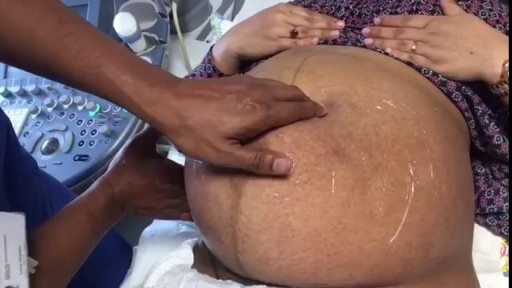
External cephalic version is a process by which a breech baby can sometimes be turned from buttocks or foot first to head first. External cephalic version (ECV) is a manual procedure that is advocated by national guidelines for breech presentation singleton pregnancy, in order to enable vaginal delivery.

Anytime you're having unprotected sex, there's always a chance that a woman can get pregnant. Pregnancy requires sperm and egg to meet up together so a woman needs to be during her most fertile time of the month, which is usually 6 days out of the month; 5 days leading up to ovulation and on the day of ovulation. For most women, ovulation happens 12-16 days before her period's going to start. So a woman is usually most fertile for a week to a week and a half after her period has ended generally speaking, if you don't want to count each and every single day. So if you have unprotected intercourse during this time, then there's a high probability that a woman can get pregnant. Now, you mentioned that your girlfriend is supposed to start her period in about five days or so. If you've had intercourse any time leading up to this, there's always a chance that she could get pregnant. But as for the mechanics of it all, in order to get pregnant, semen needs to be inserted inside the vaginal canal where the egg and sperm can then meet. So if that did not happen, then the chances of her getting pregnant are slim. But if that has happened, the chances of her getting pregnant are great. So it would be best for you and her to just wait until her period is supposed to start and if she's late, then take an over-the-counter pregnancy test and if it's positive, congratulations to both of you! If it's negative and she still doesn't start her period, then tell her to wait about 5-7 days. Take another test and then maybe at that point, it will be positive if she is indeed pregnant. If she continues to not have a period or she's concerned about anything, it would be best for her to follow up with her doctor and they can decide if further investigation or treatment is warranted. If you have any other questions for me, feel free to ask them on our Facebook page at facebook.com/intermountainmoms and recommend us to your friends and family, too.

To avoid pregnancy and STDs, always remember to use a condom every time you have sex — including oral, vaginal, or anal sex. Whenever oral sex is being performed on a girl, a dental dam should be used. A guy receiving oral sex should wear a latex condom — or, if he or his partner is allergic to latex, a polyurethane condom.
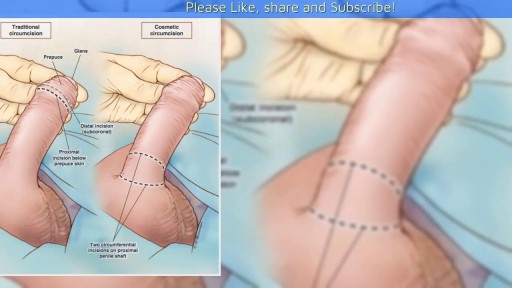

Watch that A Big Size Fibroadenoma Removal Under Local Anesthesia
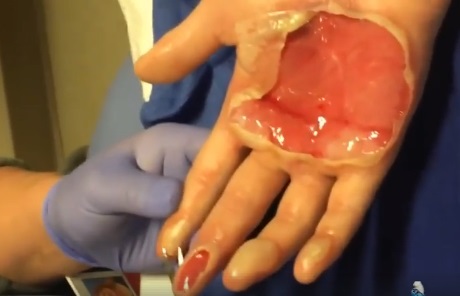
watch that video of Popping a Huge Hand Burn Blister

all yo need to know about the female orgasm
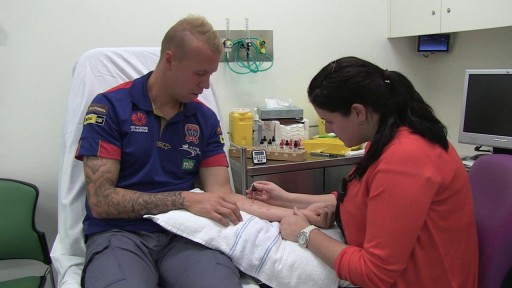

Watch that video to know about the Anal Intercourse Medical Risks

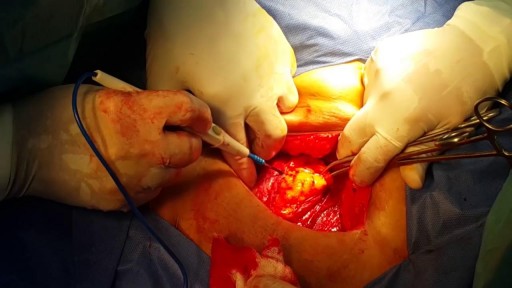
Removal of large epidermoid cyst from floor of the mouth

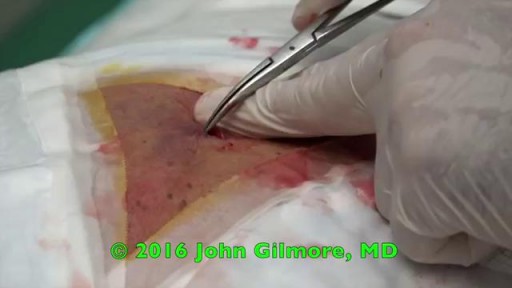
Draining Huge Back Cyst
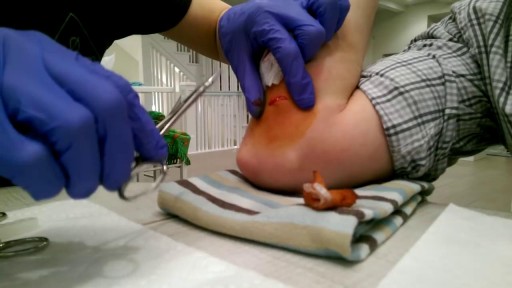


Draining a Hand Abscess
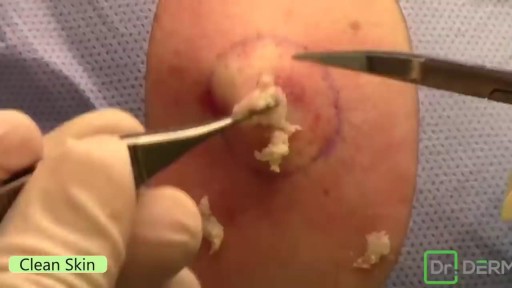
Popping Huge Cyst in the Back
