
- Physical Examination
- Surgical Examination
- Ophthalmology
- Clinical Skills
- Orthopedics
- Surgery Videos
- Laparoscopy
- Pediatrics
- Funny Videos
- Cardiothoracic Surgery
- Nursing Videos
- Plastic Surgery
- Otorhinolaryngology
- Histology and Histopathology
- Neurosurgery
- Dermatology
- Pediatric Surgery
- Urology
- Dentistry
- Oncology and Cancers
- Anatomy Videos
- Health and Fitness
- Radiology
- Anaesthesia
- Physical Therapy
- Pharmacology
- Interventional Radiology
- Cardiology
- Endocrinology
- Gynecology
- Emergency Medicine
- Psychiatry and Psychology
- Childbirth Videos
- General Medical Videos
- Nephrology
- Physiology
- Diet and Food Health
- Diabetes Mellitus
- Neurology
- Women Health
- Osteoporosis
- Gastroenterology
- Pulmonology
- Hematology
- Rheumatology
- Toxicology
- Nuclear Medicine
- Infectious Diseases
- Vascular Disease
- Reproductive Health
- Burns and Wound Healing
- Other
Top videos
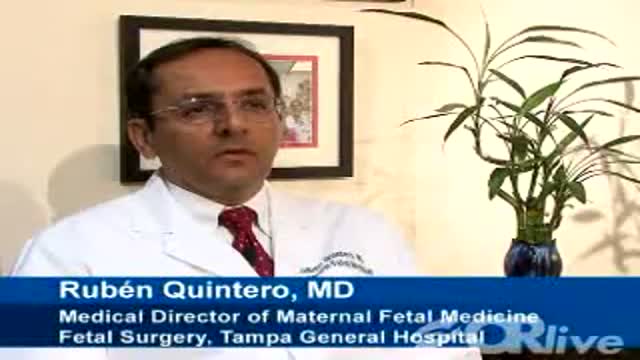

Highlights of a fetal laser surgery for twin-to-twin transfusion syndrome (TTTS) will be shown from Tampa General Hospital
TTTS affects 10 to 15 percent of identical-twin pregnancies and is the result of abnormal blood exchange between identical twins through a common placenta. The larger of the twins, or recipient, is surrounded by too much amniotic fluid and in danger of heart failure as its body tries to pump the overwhelming volume of blood intended for both. The smaller, or donor twin, is encased in a shrinking amniotic sac deprived of blood. Without treatment, both will likely die.
Rubén Quintero, M.D., Medical Director of Maternal Fetal Medicine/Fetal Surgery at Tampa General Hospital and Professor and Director of the Division of Maternal Fetal Medicine, Department of Obstetrics and Gynecology, University of South Florida College of Medicine will narrate the procedure and answer e-mail questions live as taped highlights of the procedure are shown.
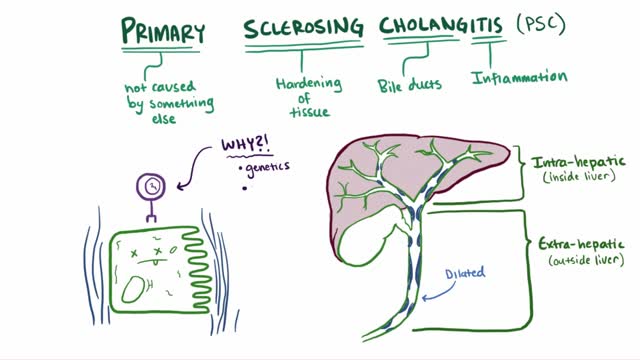
Primary sclerosing (skluh-ROHS-ing) cholangitis (koh-lan-JIE-tis) is a disease of the bile ducts, which carry the digestive liquid bile from your liver to your small intestine. In primary sclerosing cholangitis, inflammation causes scars within the bile ducts. These scars make the ducts hard and narrow and gradually cause serious liver damage. In most people with primary sclerosing cholangitis, the disease progresses slowly and can lead to liver failure, repeated infections, and tumors of the bile duct or liver. Liver transplant is the only known cure for primary sclerosing cholangitis. The search for other treatments to slow or stop primary sclerosing cholangitis is ongoing, and scientists have turned up many promising leads. Until better treatments are proved safe and effective, though, care for primary sclerosing cholangitis focuses on monitoring liver function, managing symptoms and, when possible, doing procedures that temporarily open blocked bile ducts.
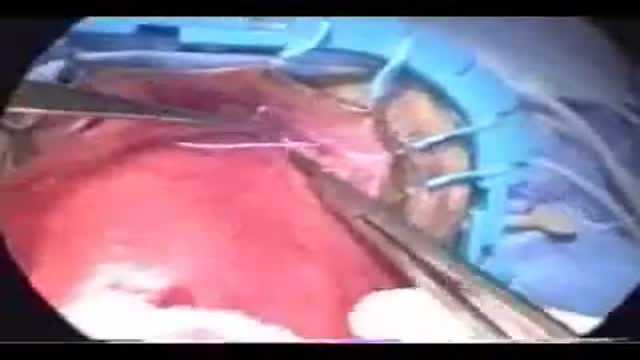
Perineal rectosigmoidectomy

Brachytherapy or localized radiation treatment can be used in certain patients with breast cancer. Depending on tumor size and other factor, physicians may use APBI or accelerated partial breast irradiation. Dr. Elizabeth Tapen, a radiation oncologist, reviews brachytherapy for breast cancer.
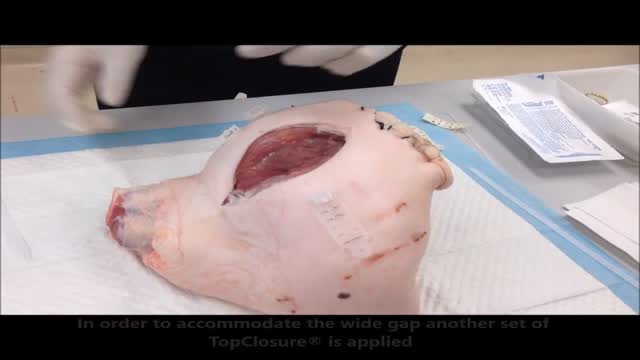
Stress-relaxation is a well-established mechanism for laboratory skin stretching, with limited clinical application in conventional suturing techniques due to the inherent, concomitant induction of ischemia, necrosis and subsequent suture failure. Skin defects that cannot be primarily closed are a common difficulty during reconstructive surgery. The TopClosure tension-relief system (TRS) is a novel device for wound closure closure, providing secured attachment to the skin through a wide area of attachment, in an adjustable manner, enabling primary closure of medium to large skin defects. The aim of this study was to evaluate the efficiency of the TopClosure TRS as a substitute for skin grafting and flaps for primary closure of large soft tissue defects by stress-relaxation. We present three demonstrative cases requiring resection of large to huge tumors customarily requiring closure by skin graft or flaps. TRS was applied during surgery serving as a tension-relief platform for tension sutures, to enable primary skin-defect closure by cycling of stress-relaxation, and following surgery as skin-secure system until complete wound closure. All skin defects ranging from 7 to 26 cm in width were manipulated by the TRS through stress-relaxation, without undermining of skin, enabling primary skin closure and eliminating the need for skin grafts and flaps. Immediate wound closure ranged 26 to 135 min. TRS was applied for 3 to 4 weeks. Complications were minimal and donor site morbidity was eliminated. Surgical time, hospital stay and costs were reduced and wound aesthetics were improved. In this case series we present a novel technology that enables the utilization of the viscoelastic properties of the skin to an extreme level, extending the limits of primary wound closure by the stress-relaxation principle. This is achieved via a simple device application that may aid immediate primary wound closure and downgrade the complexity of surgical procedures for a wide range of applications on a global scale.

Going to the dentist is not a very fun experience for most. In fact, let's face it, most of us dread it.
http://www.dentistmaps.com/

His father, Dr. Joseph Dello Russo, helped turn Lasik eye surgery into the widespread procedure it is today. Now he explains a new technique and how it differs.

Continuous Suture

Mobile scanner detects disease from a drop of blood by nanotechnology
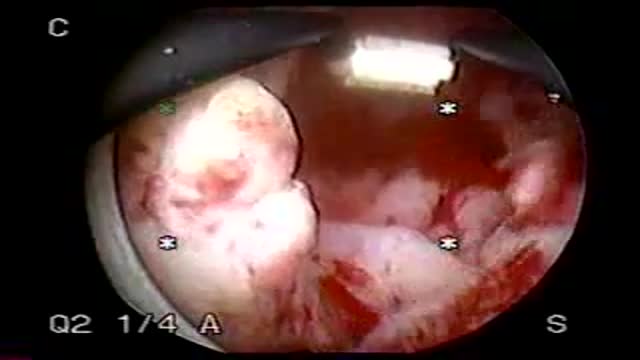
Endometrial Ablation
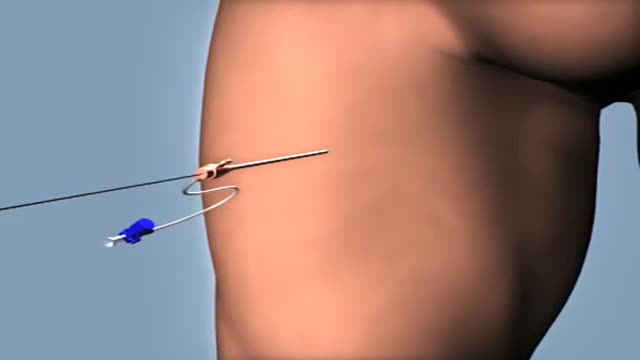
A ventricular septal defect (VSD) is an opening or hole in the wall that separates the two lower chambers of the heart. This wall is called the ventricular septum. The hole causes oxygen-rich blood to leak from the left side of the heart to the right side. This causes extra work for the right side of the heart, since more blood than necessary is flowing through the right ventricle to the lungs.

Arthritis is inflammation of one or more of your joints. The main symptoms of arthritis are joint pain and stiffness, which typically worsen with age. The most common types of arthritis are osteoarthritis and rheumatoid arthritis. Osteoarthritis causes cartilage — the hard, slippery tissue that covers the ends of bones where they form a joint — to break down. Rheumatoid arthritis is an autoimmune disorder that first targets the lining of joints (synovium). Uric acid crystals, infections or underlying disease, such as psoriasis or lupus, can cause other types of arthritis. Treatments vary depending on the type of arthritis. The main goals of arthritis treatments are to reduce symptoms and improve quality of life.

This video: The veins around your anus tend to stretch under pressure and may bulge or swell. Swollen veins (hemorrhoids) can develop from an increase in pressure in the lower rectum. Factors that might cause increased pressure include: Straining during bowel movements.
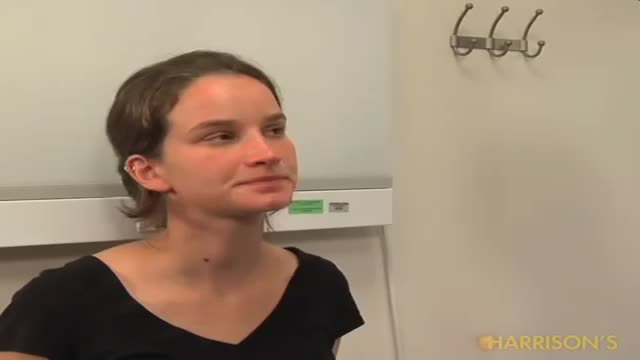
NEUROLOGICAL EXAMINATION

Eric knew he needed help when an old knee injury began worsening over the course of time and was significantly affecting his quality of life. That’s when he turned to his hometown orthopedic experts at Mayo Clinic Health System in Mankato, who recommended a total knee replacement. After overcoming some initial fears, Eric decided it was time to have the operation — a fuller and more active life with his family depended on it.

Mitosis is the process in which a eukaryotic cell nucleus splits in two, followed by division of the parent cell into two daughter cells. The word "mitosis" means "threads," and it refers to the threadlike appearance of chromosomes as the cell prepares to divide.
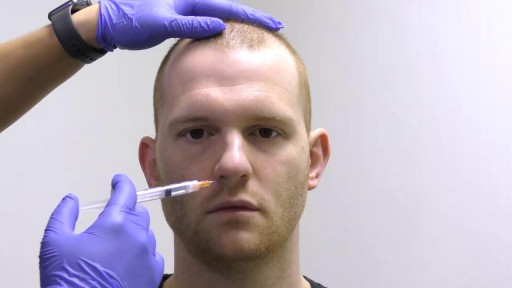
This video demonstrates how a broken nose is fixed using only local anesthesia and without sedation. Of course, this can also be performed while asleep.
Learn a simple way to tell if you might be suffering from an undiagnosed autoimmune condition. Examples of autoimmune conditions include: • alopecia areata
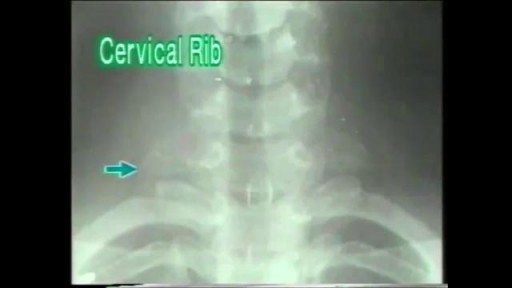
A cervical rib in humans is an extra rib which arises from the seventh cervical vertebra. Sometimes known as "neck ribs", their presence is a congenital abnormality located above the normal first rib. A cervical rib is estimated to occur in 0.2% (1 in 500 people) to 0.5% of the population.
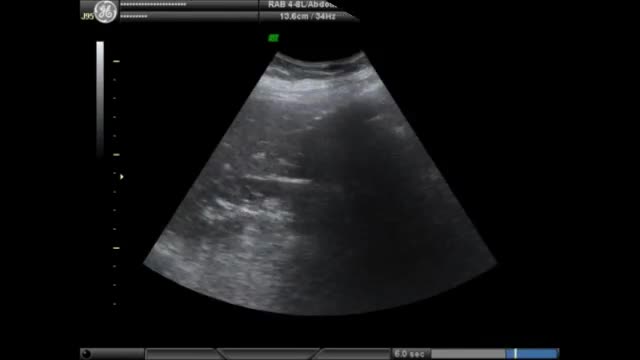
Porcelain gallbladder is a condition characterized by calcium salt deposits in the wall of a chronically inflamed gallbladder. The calcifications can be thin or faintly visible, or may be amorphous, patchy, and thick. The gallbladder is generally large, but its size can vary considerably. Most porcelain gallbladders are associated with gallstones. A plain radiograph generally detects these, but computed tomography (CT) has a higher specificity; therefore, a CT scan is performed to confirm the diagnosis. Due to their high risk of gallbladder carcinoma, all patients with porcelain gallbladder should have an elective cholecystectomy.
