
- Physical Examination
- Surgical Examination
- Ophthalmology
- Clinical Skills
- Orthopedics
- Surgery Videos
- Laparoscopy
- Pediatrics
- Funny Videos
- Cardiothoracic Surgery
- Nursing Videos
- Plastic Surgery
- Otorhinolaryngology
- Histology and Histopathology
- Neurosurgery
- Dermatology
- Pediatric Surgery
- Urology
- Dentistry
- Oncology and Cancers
- Anatomy Videos
- Health and Fitness
- Radiology
- Anaesthesia
- Physical Therapy
- Pharmacology
- Interventional Radiology
- Cardiology
- Endocrinology
- Gynecology
- Emergency Medicine
- Psychiatry and Psychology
- Childbirth Videos
- General Medical Videos
- Nephrology
- Physiology
- Diet and Food Health
- Diabetes Mellitus
- Neurology
- Women Health
- Osteoporosis
- Gastroenterology
- Pulmonology
- Hematology
- Rheumatology
- Toxicology
- Nuclear Medicine
- Infectious Diseases
- Vascular Disease
- Reproductive Health
- Burns and Wound Healing
- Other
Top videos
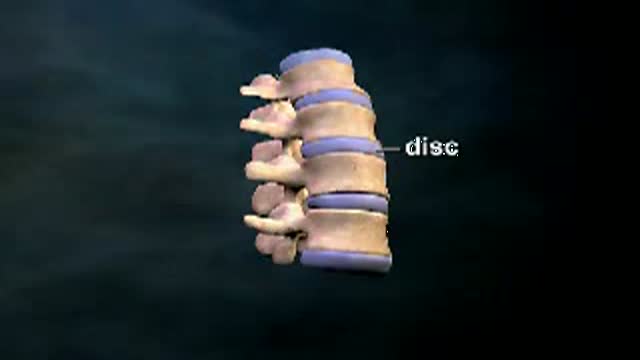

Herniated or Ruptured Disc: Between each of the vertebre of the spine is a disc which is filled with a gel type material to cushion the connection between the vertebre. With age or injury these intervertebral discs can rupture or herniate. This herniation causes them to push against the adjacent nerves which come from the spinal cord. This can frequently cause pain, numbenss and tingling. This animated video reviews herniated disc.
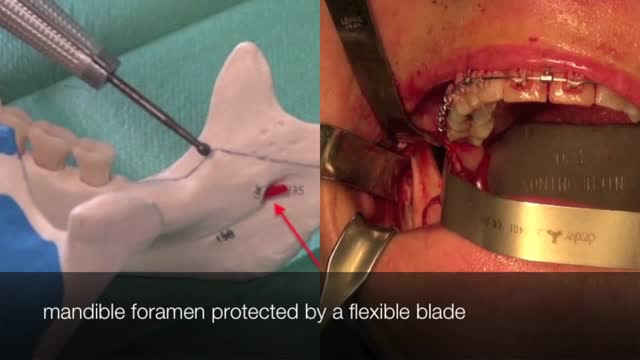
The bilateral sagittal split osteotomy is an indispensable tool in the correction of dentofacial abnormalities. The technique has been in practice since the late 1800s, but did not reach widespread acceptance and use until several modifications were described in the 1960s and 1970s. Those modifications came from a desire to make the procedure safer, more reliable, and more predictable with less relapse. Those goals continue to stimulate innovation in the field today and have helped the procedure evolve to be a very dependable, consistent method of correction of many types of malocclusion. The operative surgeon should be well versed in the history, anatomy, technical aspects, and complications of the bilateral sagittal split osteotomy to fully understand the procedure and to counsel the patient.
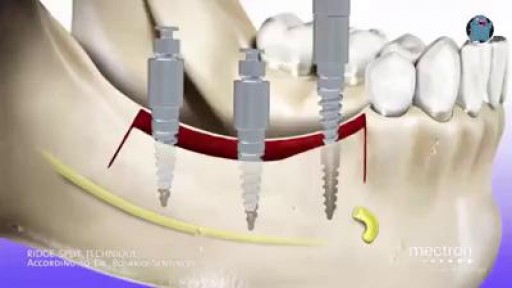
Ridge splitting with bone expansion is a technique of manipulation of bone to form receptor site for implant without removing any bone from the implant site.
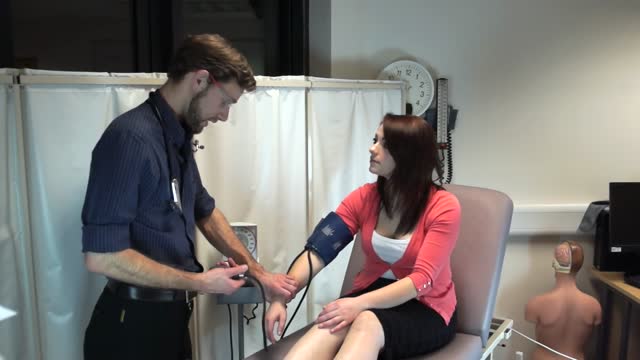
The examination consists of three portions: Inspection, Palpation, and Synthesis of data from these techniques In addition to palpating for size, also note the gland texture, mobility, tenderness and the presence of nodules. Inspection Inspection: Anterior Approach The patient should be seated or standing in a comfortable position with the neck in a neutral or slightly extended position. Cross-lighting increases shadows, improving the detection of masses. To enhance visualization of the thyroid, you can: Extending the neck, which stretches overlying tissues Have the patient swallow a sip of water, watching for the upward movement of the thyroid gland. quicktime video 251KB video demo from Return to the Bedside Inspection: Lateral Approach After completing anterior inspection of the thyroid, observe the neck from the side. Estimate the smooth, straight contour from the cricoid cartilage to the suprasternal notch. Measure any prominence beyond this imagined contour, using a ruler placed in the area of prominence. Palpation Note: There is no data comparing palpation using the anterior approach to the posterior approach so examiners should use the approach that they find most comfortable. Palpation: Anterior Approach placement of hands for palpatation of thyroid in anterior approach The patient is examined in the seated or standing position. Attempt to locate the thyroid isthmus by palpating between the cricoid cartilage and the suprasternal notch. Use one hand to slightly retract the sternocleidomastoid muscle while using the other to palpate the thyroid. Have the patient swallow a sip of water as you palpate, feeling for the upward movement of the thyroid gland. quicktime video 454KB video demo from Return to the Bedside. Palpation: Posterior Approach placement of hands for palpatation of thyroid in posterior approach The patient is examined in the seated or standing position. Standing behind the patient, attempt to locate the thyroid isthmus by palpating between the cricoid cartilage and the suprasternal notch. Move your hands laterally to try to feel under the sternocleidomstoids for the fullness of the thyroid. Have the patient swallow a sip of water as you palpate, feeling for the upward movement of the thyroid gland.

Hemophilia A, also called factor VIII (FVIII) deficiency or classic hemophilia, is a genetic disorder caused by missing or defective factor VIII, a clotting protein. Although it is passed down from parents to children, about 1/3 of cases are caused by a spontaneous mutation, a change in a gene. According to the US Centers for Disease Control and Prevention, hemophilia occurs in approximately 1 in 5,000 live births. There are about 20,000 people with hemophilia in the US. All races and ethnic groups are affected. Hemophilia A is four times as common as hemophilia B while more than half of patients with hemophilia A have the severe form of hemophilia.
Turning To Seal Gown
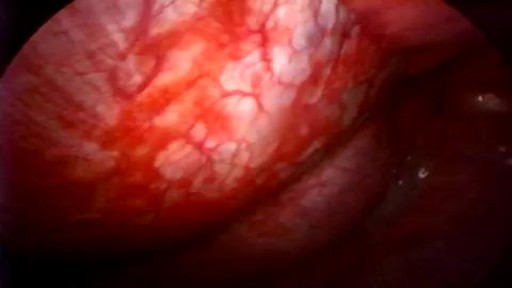
Video-assisted thoracoscopic talc pleurodesis is a highly effective technique to manage recurrent pneumothorax or pleural effusion.Surgical treatment using thoracoscopy may hasten postoperative recovery and reduce hospital stay.
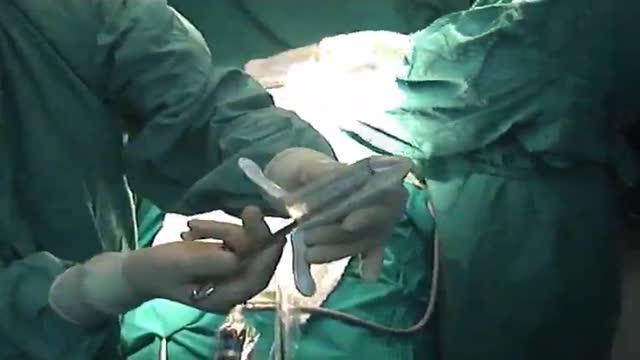
Special Anoscope for Easy Purse string Suture Application in Stapled Hemorrhoidopexy
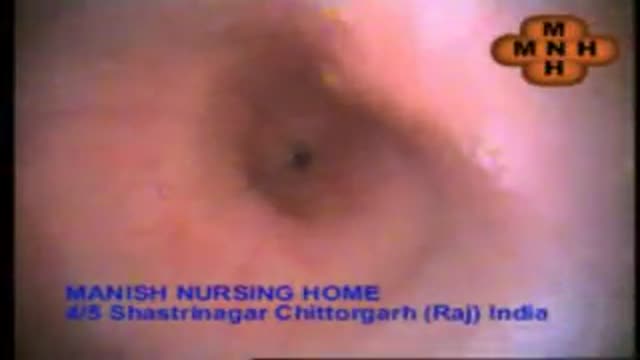
peptic ulcer
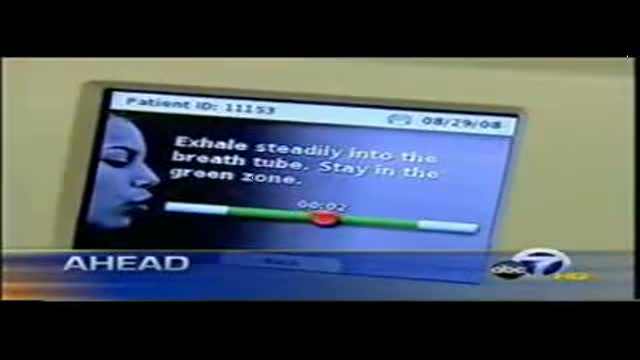
The video is a clip from ABC 7 News, KGO-TV. The video details the new FDA approved device Insight eNO system which uses exhaled nitric oxide for effective asthma management, in both adults and children.
Insight eNO has revolutionized asthma treatment. Apieron’s asthma products help in managing asthma for patients suffering from acute asthma attacks by detecting exhaled nitric oxide (eNO) present in the human breath.
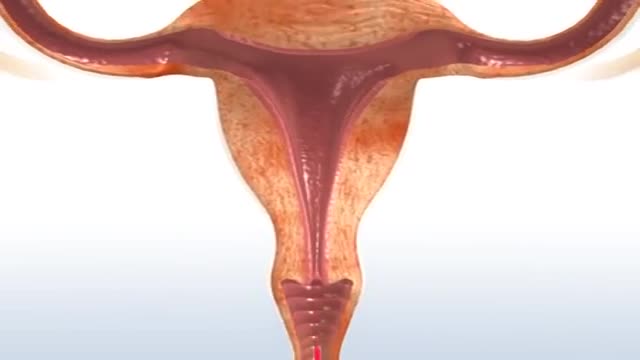
Menstruation is a woman's monthly bleeding. When you menstruate, your body sheds the lining of the uterus (womb). Menstrual blood flows from the uterus through the small opening in the cervix and passes out of the body through the vagina. Most menstrual periods last from 3 to 5 days.
Superior vena cava syndrome (SVCS) is obstruction of blood flow through the superior vena cava (SVC). It is a medical emergency and most often manifests in patients with a malignant disease process within the thorax. A patient with SVCS requires immediate diagnostic evaluation and therapy.
Schizophreniform disorder is a mental disorder diagnosed when symptoms of schizophrenia are present for a significant portion of the time within a one-month period, but signs of disruption are not present for the full six months required for the diagnosis of schizophrenia.
مرکز ایمپلنت و زیبایی دندان شیراز دکتر محمد امین دین پرور
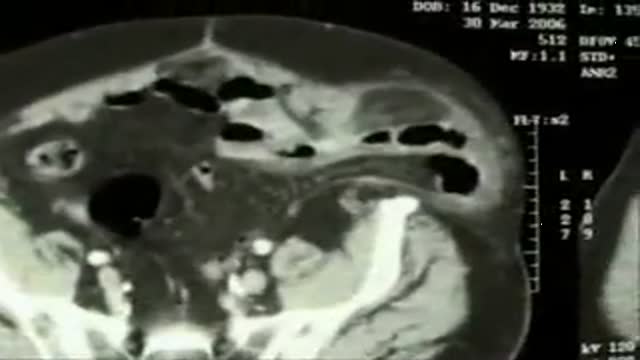
Giant spigelian stranguled hernia with small bowel loop and omental flap inside. The omentum required resection, the bowel appears vital. After the handle of hernia sac and his content has been done, a overlapped prolene repair will be done.
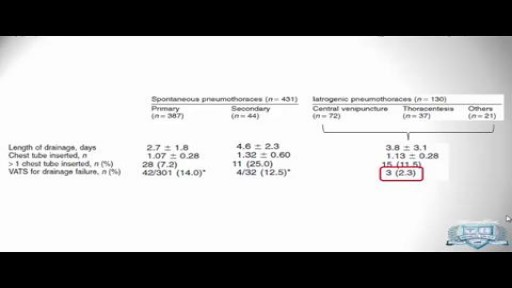
The surgeon may use treatment options such as thoracoscopy, electrocautery, laser treatment, resection of blebs or pleura, or open thoracotomy. Other surgical indications are as follows: Persistent air leak for longer than 7 days. Recurrent, ipsilateral pneumothorax.
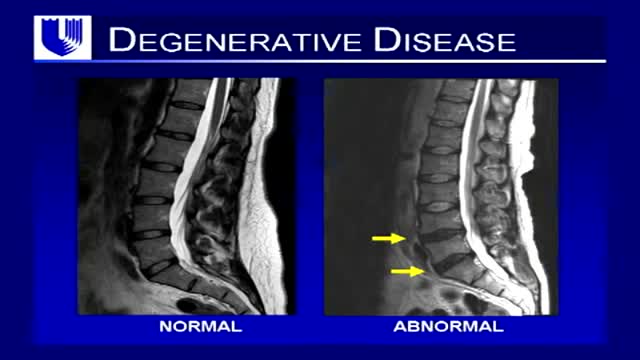
Neck pain is a common complaint. Neck muscles can be strained from poor posture — whether it's leaning over your computer or hunching over your workbench. Osteoarthritis also is a common cause of neck pain. Rarely, neck pain can be a symptom of a more serious problem. Seek medical care if your neck pain is accompanied by numbness or loss of strength in your arms or hands or if you have shooting pain into your shoulder or down your arm

Make sure to subscribe to our channel to get regular updates on other interesting legal animations.
Interested in other medical videos? Click the link below to watch a surgery animation!
https://www.youtube.com/watch?v=Cc6-Y_CIHx4&t=53s&ab_channel=CourtroomAnimation
Or, if you want to watch a video about a diskectomy, a common but major surgery, watch this video:
https://www.youtube.com/watch?v=PVoOVUPhdaM&t=8s&ab_channel=CourtroomAnimation
--------------------------------------------------------------------------------------------------------
Learn more about medical animations from our in-depth guide:
https://courtroomanimation.com..../qa-everything-about
Learn more about medical graphics in general from our free eBook:
https://info.courtroomanimatio....n.com/ebook-complete
Check out our blog page for other topics on legal graphics and 3D medical illustrations:
https://courtroomanimation.com/blog/
--------------------------------------------------------------------------------------------------------
Connect with us online!
Facebook: https://www.facebook.com/courtroomanimation
LinkedIn: https://www.linkedin.com/compa....ny/courtroom-animati
Twitter: https://twitter.com/courtanimation
Instagram: https://www.instagram.com/courtroomanimation/
Or give us a call to see how we can create a trial animation for your plaintiff's civil case, and help you land a more favorable verdict or settlement!
(424) 321-7488
--------------------------------------------------------------------------------------------------------
#discectomy #medicalanimation #surgery #forensicanimation #legaltechnology #legaltech #medicalvideos #lumbar #lumbarpain
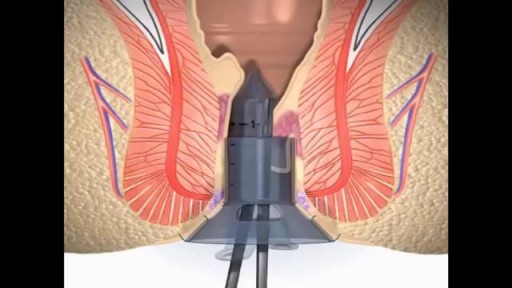
Stapling is used to treat prolapsed hemorrhoids. A surgical staple fixes the prolapsed hemorrhoid back into place inside your rectum and cuts off the blood supply so that the tissue will shrink and be reabsorbed. Stapling recovery takes less time and is less painful than recovery from a hemorrhoidectomy.
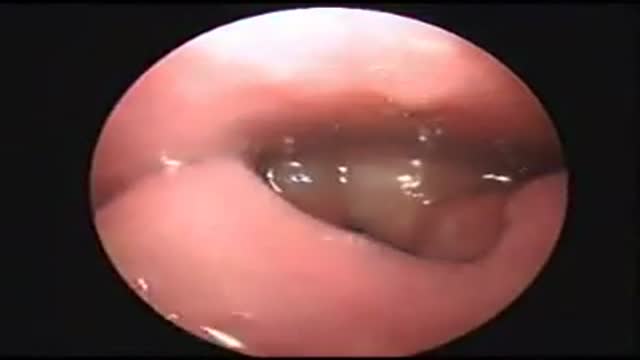
Endoscopic picture of turban epiglottis in patient of epiglottitis
