
- Physical Examination
- Surgical Examination
- Ophthalmology
- Clinical Skills
- Orthopedics
- Surgery Videos
- Laparoscopy
- Pediatrics
- Funny Videos
- Cardiothoracic Surgery
- Nursing Videos
- Plastic Surgery
- Otorhinolaryngology
- Histology and Histopathology
- Neurosurgery
- Dermatology
- Pediatric Surgery
- Urology
- Dentistry
- Oncology and Cancers
- Anatomy Videos
- Health and Fitness
- Radiology
- Anaesthesia
- Physical Therapy
- Pharmacology
- Interventional Radiology
- Cardiology
- Endocrinology
- Gynecology
- Emergency Medicine
- Psychiatry and Psychology
- Childbirth Videos
- General Medical Videos
- Nephrology
- Physiology
- Diet and Food Health
- Diabetes Mellitus
- Neurology
- Women Health
- Osteoporosis
- Gastroenterology
- Pulmonology
- Hematology
- Rheumatology
- Toxicology
- Nuclear Medicine
- Infectious Diseases
- Vascular Disease
- Reproductive Health
- Burns and Wound Healing
- Other
Top videos


Dr. Erica Hodgman discusses pediatric surgery at the Johns Hopkins Children's Center Pediatric General Surgery program, what common surgeries the program specializes in, what makes the program unique and her work as a pediatric surgeon. #PediatricSurgery #JohnsHopkinsChildrenCenter
Questions Answered:
0:03 Describe the pediatric general surgery division at Johns Hopkins Children's Center.
1:00 What makes this program unique?
1:31 What are some common pediatric surgery cases?
2:23 Explain your work as a pediatric general surgeon?
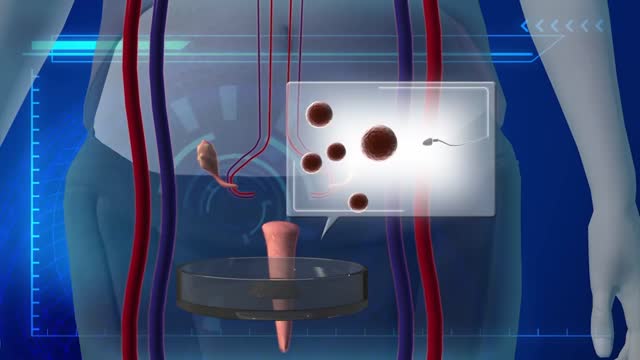
U.S. uterus transplants: experimental surgery could help infertile women get pregnant
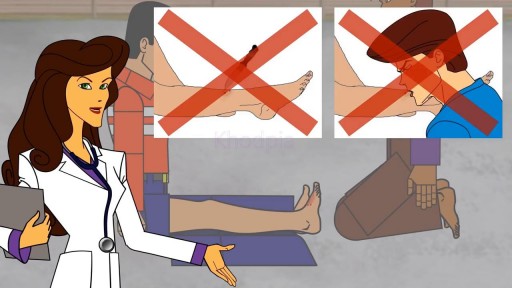
This Animation is strictly made in accordance to Snake Bite Treatment Guidelines and Protocols
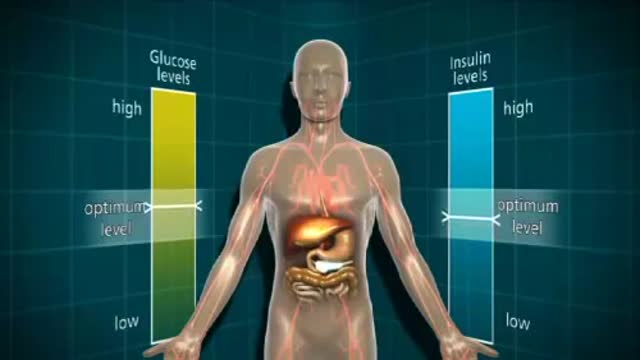
a disease in which the body’s ability to produce or respond to the hormone insulin is impaired, resulting in abnormal metabolism of carbohydrates and elevated levels of glucose in the blood and urine.
large renal stone in a 2 and a half years boy underwent per cutaneous endoscopic stone retrieval in supine position
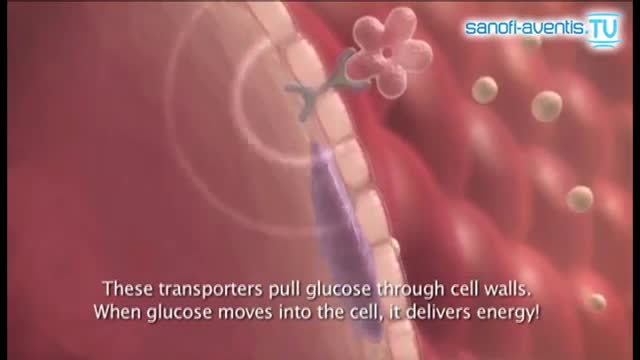
This hormone, insulin, causes the liver to convert more glucose into glycogen (this process is called glycogenesis), and to force about 2/3 of body cells (primarily muscle and fat tissue cells) to take up glucose from the blood through the GLUT4 transporter, thus decreasing blood sugar.
Posterior Urethral Strictures Associated with Urinary Incontinence after Prostatectomy Management
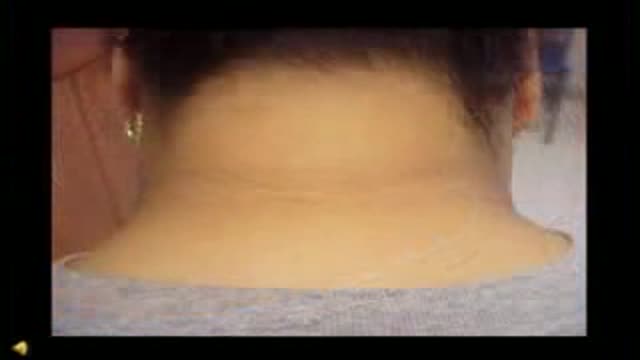
Acanthosis Nigricans Insulin Resistance
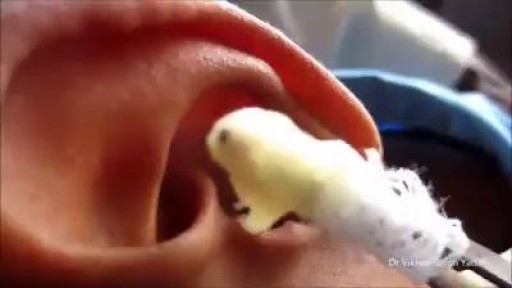
If your ear is leaking pus, you may have a hole in your eardrum.Your eardrum is stretched across the inner end of your ear canal. It vibrates when sound waves reach it, so you can hear. A hole in your eardrum can be caused by an ear infection. Fluid builds up behind the eardrum. The pressure of the fluid can tear the eardrum. Some people get a hole in the eardrum for other reasons, like hearing a very loud noise. If this happens, the ear may get infected because germs (bacteria) get through the hole. Ear infections happen to adults and children, but they're more common in children. Some things can make you more likely to get an ear infection with discharge. They include getting lots of colds and coughs, living in overcrowded housing, and eating a poor-quality diet

Watch this clinical examination video to learn how to diagnose cervical spine pathology.
This video clip is part of the FIFA Diploma in Football Medicine and the FIFA Medical Network. To enrol or to find our more click on the following link http://www.fifamedicalnetwork.com
The Diploma is a free online course designed to help clinicians learn how to diagnose and manage common football-related injuries and illnesses. There are a total of 42 modules created by football medicine experts. Visit a single page, complete individual modules or finish the entire course.
The network provides the opportunity for clinicians around the world to meet and share ideas relating to football medicine. Ask about an interesting case, debate current practice and discuss treatment strategies. Create a profile and log on to interact with other health professionals from around the globe.
This is not medical advice. The content is intended as educational content for health care professionals and students. If you are a patient, seek care of a health care professional.

Welcome to the latest episode of HT Physio Quick Tips!
In this episode, Farnham's leading over-50's physiotherapist, Will Harlow, reveals the THREE most serious knee injuries and gives the signs and symptoms that indicate a serious knee injury has occurred.
To get a copy of Will's new book, Thriving Beyond Fifty, you can visit here: https://www.amazon.co.uk/Thriv....ing-Beyond-Fifty-Str
If you're suffering from nagging knee pain that hurts in the morning and stops you from walking as far as you'd like, you can take our free knee pain guide - which will give you 5 expert tips to put a stop to knee pain at home - by visiting here: https://ht-physio.co.uk/knee-pain-guide-download/
If you're over-50 with a painful problem in the Farnham, Surrey area, you can learn more about how Will Harlow and HT Physio can help you overcome a painful problem here: https://ht-physio.co.uk/
**Any information in this video should not be used as a substitute for individual medical advice. Please seek advice from your local healthcare professional before taking action on the information in this video.**
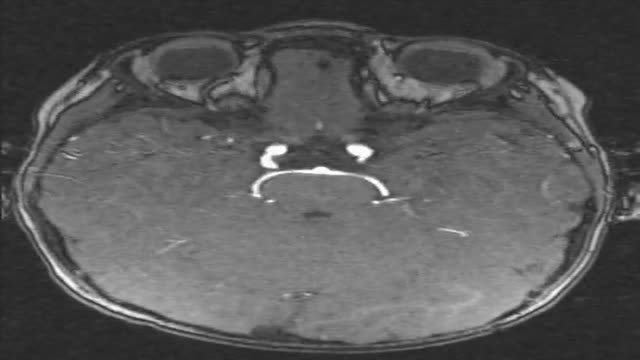
2 year old boy with chronic sinusitis, headache, vertigo problem, decreased vision and hearing. Repeated lung infections. Can you see it? Pay also special attention to the ears.
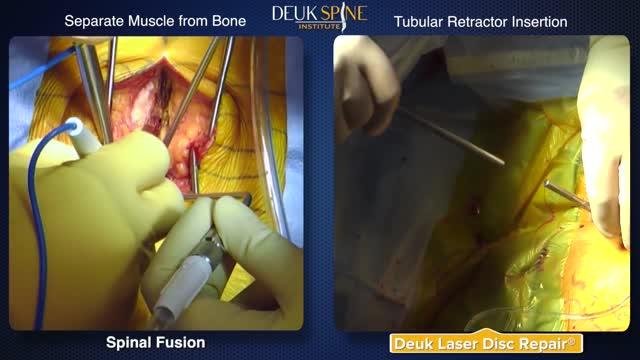
Deuk Laser Disc Repair vs Traditional Spinal Fusion Comparison, Laser versus Fusion
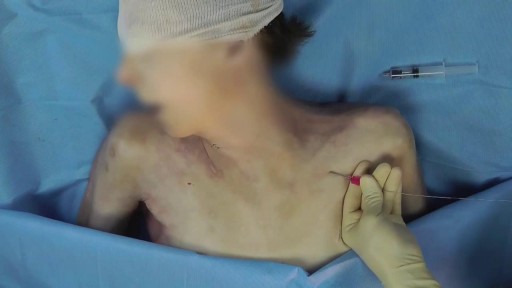
First described by Aubaniac in 1952, central venous catheterization, or central line placement, is a time-honored and tested technique of quickly accessing the major venous system. Benefits over peripheral access include greater longevity without infection, line security in situ, avoidance of phlebitis, larger lumens, multiple lumens for rapid administration of combinations of drugs, a route for nutritional support, fluid administration, and central venous pressure (CVP) monitoring. Central vein catheterization is also referred to as central line placement. Overall complication rates are as high as 15%, [1, 2, 3, 4] with mechanical complications reported in 5-19% of patients, [5, 6, 7] infectious complications in 5-26%, [1, 2, 4] and thrombotic complications in 2-26%. [1, 8] These complications are all potentially life-threatening and invariably consume significant resources to treat. Placement of a central vein catheter is a common procedure, and house staff require substantial training and supervision to become facile with this technique. A physician should have a thorough foreknowledge of the procedure and its complications before placing a central vein catheter. The supraclavicular approach was first put into clinical practice in 1965 and is an underused method for gaining central access. It offers several advantages over the infraclavicular approach to the subclavian vein. At the insertion site, the subclavian vein is closer to the skin, and the right-side approach offers a straighter path into the subclavian vein. In addition, this site is often more accessible during cardiopulmonary resuscitation (CPR) and during active surgical cases. Finally, in patients who are obese, this anatomic area is less distorted.
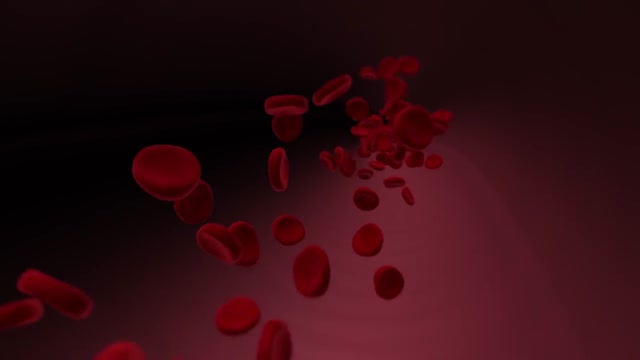
Angina is a term used for chest pain caused by reduced blood flow to the heart muscle. Angina (an-JIE-nuh or AN-juh-nuh) is a symptom of coronary artery disease. Angina is typically described as squeezing, pressure, heaviness, tightness or pain in your chest. Angina, also called angina pectoris, can be a recurring problem or a sudden, acute health concern. Angina is relatively common but can be hard to distinguish from other types of chest pain, such as the pain or discomfort of indigestion. If you have unexplained chest pain, seek medical attention right away.
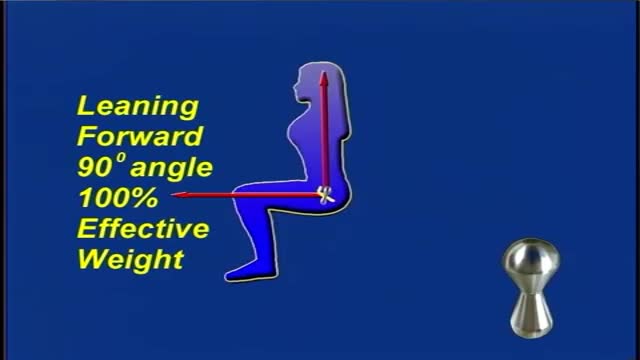
Kegel exercises strengthen the pelvic floor muscles, which support the uterus, bladder, small intestine and rectum. You can do Kegel exercises, also known as pelvic floor muscle training, just about anytime. Start by understanding what Kegel exercises can do for you — then follow step-by-step instructions for contracting and relaxing your pelvic floor muscles.
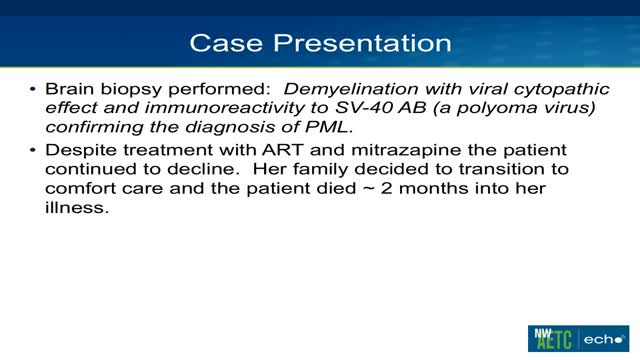
Progressive multifocalleukoencephalopathy is a demyelinating illness of the central nervous system that typically occurs in immunosuppressed patients, especially those with AIDS. It is caused by reactivation of the polyomavirus JC (JC virus) and presents with neurologic deficits including hemiparesis, gait ataxia, visual symptoms, and altered mental status. It is not seen in non-immunosuppressed patients, and fever is not typical
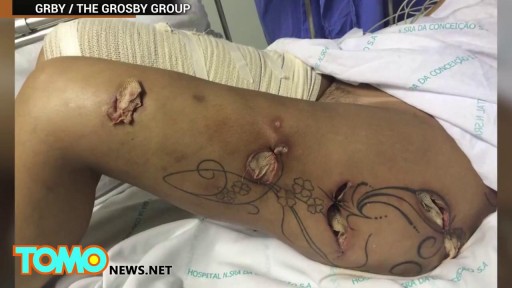
Watch that video of Butt and Legs Implants Exploded Inside Brazilian Model
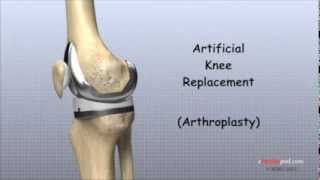
In this animated episode of eOrthopodTV, orthopedic surgeon Randale C. Sechrest, MD narrates the procedure to replace an arthritic knee with an artificial joint.
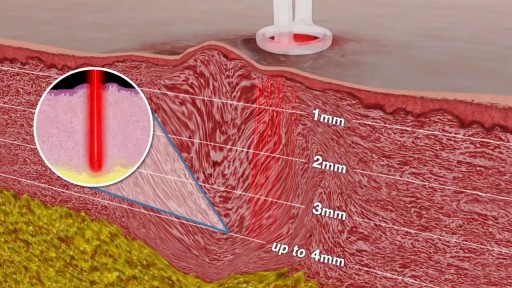
Scar revision includes techniques that improve the appearance of an unsightly scar, regardless of its size, type or age. This is typically not covered by insurance carriers and is treated as a cosmetic procedure. Though scars can never be completely removed, the appearance of scarring can be greatly diminished. Who Should Get Scar Revision? The best candidates for scar revision are in good health and have realistic expectations. Scar revision may be used to treat: Hyperpigmented scars Large or plainly visible scars Keloid scarring Raised scars Deep depression scars After scar revision, the appearance of your scar should be greatly reduced. Scar revision can improve the size, shape and color of your scar. Multiple procedures may be needed to achieve optimal results. There are several different techniques that can be used during your scar revision. During a consultation, we can discuss the best techniques and determine if you are a suitable candidate. What to Expect During Your Scar Revision Your scar revision may involve one or more of the following techniques: Topical treatments (gels, creams, external compression) can treat mild scarring or changes in pigmentation. Injectable treatments like dermal fillers are best for filling in scar depressions. These treatment options can provide long-lasting improvements, however, they are not always permanent. Surface treatments like chemical peels, dermabrasion, laser therapy and skin bleaching can improve skin tone and texture. More than one treatment may be needed to achieve optimal results. Surgical scar revision is only used in more severe cases. Reconstructive techniques like Z-plasty, tissue expansion, or skin grafting replace a prominent scar with a less noticeable scar. After Your Surgery Scar revision recovery varies depending on the procedure you have elected. Topical and injectable treatments rarely require downtime. Surface treatments and surgical removal can require several days of recovery. You may experience some temporary bruising, swelling, or discomfort. Over-the-counter or prescription medication can be used to manage pain. Topical and injectable treatments are likely to require sustained application to maintain results. The final results of surface treatments and surgical removal may not be visible for several weeks to months. It is important to protect the treatment area from direct sun exposure for several weeks. Additional details about your specific recovery will be discussed during your consultation.
