
- Physical Examination
- Surgical Examination
- Ophthalmology
- Clinical Skills
- Orthopedics
- Surgery Videos
- Laparoscopy
- Pediatrics
- Funny Videos
- Cardiothoracic Surgery
- Nursing Videos
- Plastic Surgery
- Otorhinolaryngology
- Histology and Histopathology
- Neurosurgery
- Dermatology
- Pediatric Surgery
- Urology
- Dentistry
- Oncology and Cancers
- Anatomy Videos
- Health and Fitness
- Radiology
- Anaesthesia
- Physical Therapy
- Pharmacology
- Interventional Radiology
- Cardiology
- Endocrinology
- Gynecology
- Emergency Medicine
- Psychiatry and Psychology
- Childbirth Videos
- General Medical Videos
- Nephrology
- Physiology
- Diet and Food Health
- Diabetes Mellitus
- Neurology
- Women Health
- Osteoporosis
- Gastroenterology
- Pulmonology
- Hematology
- Rheumatology
- Toxicology
- Nuclear Medicine
- Infectious Diseases
- Vascular Disease
- Reproductive Health
- Burns and Wound Healing
- Other
Top videos
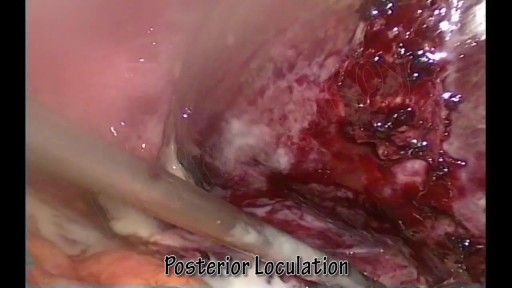

A liver abscess is a pus-filled mass inside the liver. Common causes are abdominal infections such as appendicitis or diverticulitis due to haematogenous spread through the portal vein. A pyogenic liver abscess (PLA) is a pocket of pus that forms in the liver in response to an infection or trauma. Pus is a fluid composed of white blood cells, dead cells, and bacteria that forms when your body fights off infection.Dec 11, 2015
Sacrococcygeal teratoma (SCT) is an unusual tumor that, in the newborn, is located at the base of the tailbone (coccyx). This birth defect is more common in female than in male babies. Although the tumors can grow very large, they are usually not malignant (that is, cancerous).
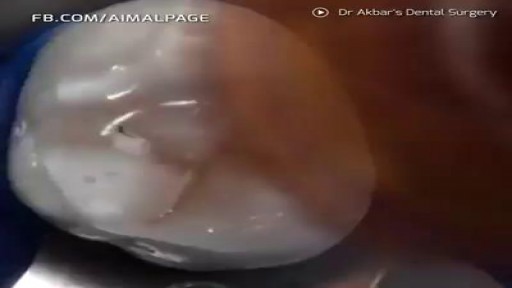
Watching A Dentist Fix Tooth Decay Is Beyond Satisfying.
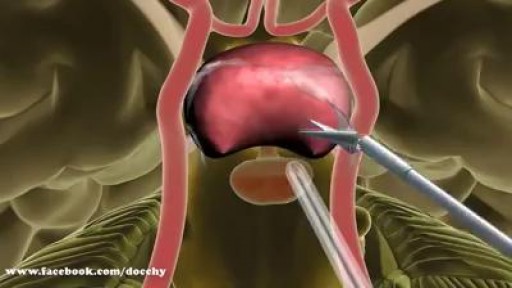
Minimally Invasive Brain Surgery To Remove Brain Tumors.
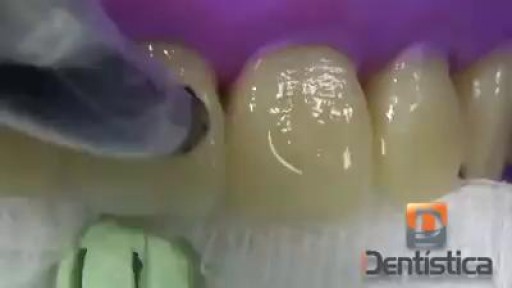
Tooth colored composite fillings are chemically bonded to teeth. For this reason, the placement of white fillings does not always require numbing the area being restored. Numbing (anesthetizing) the area is often required if tooth decay has progressed beneath the enamel layer and into the underlying dentin layer which surrounds the nerve of the tooth. Once decay is removed, the tooth is cleaned and a primer (weak acid) is applied to the area being restored. The primer opens pores in the enamel and dentin. A bonding agent is then flowed into the open pores and cured. Curing prepares the bonding agent to adhere to the tooth colored filling material. The filling material is then placed inside the tooth. After shaping the tooth colored filling material to resemble the natural anatomy of your tooth it is hardened by curing with a strong curing light. Once the white filling hardens, your bite will be checked to make sure your teeth fit together properly. If the tooth filling extends into the space between your teeth your dentist will also make sure you can floss between your teeth properly. Adjustments will be made if necessary followed by smoothing and polishing of your new filling..

Minor burns can typically be treated at home -- but it's important to know when you need to seek treatment.
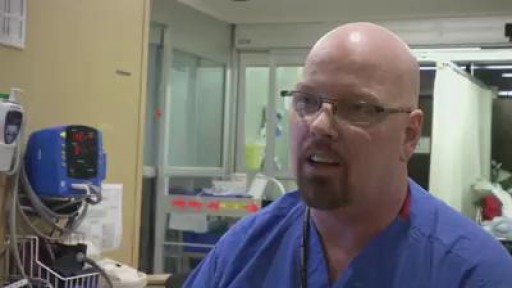
Registered Nurse Ken describes what a real "sore throat"
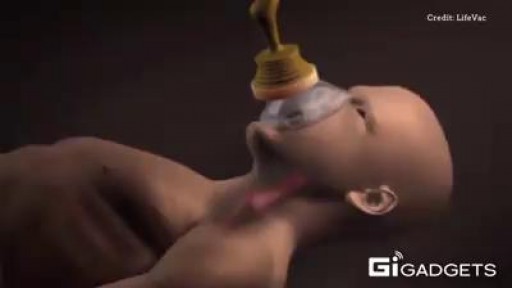
new Anti-Choking Device.

Interesting method to help obese patients lose weight.

This upgraded ultrasound device allows you to see your organs with the help of augmented reality glasses
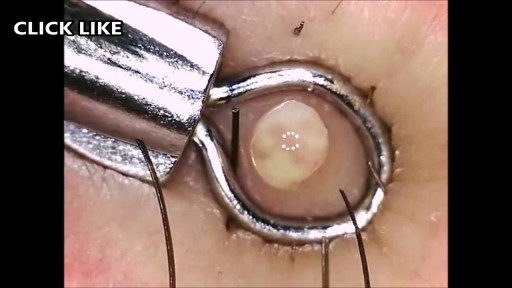
In this video we give examples of five proven techniques for popping. Viewer discretion is advised as this may not be something that all people want to see. Popping isn't for everyone!
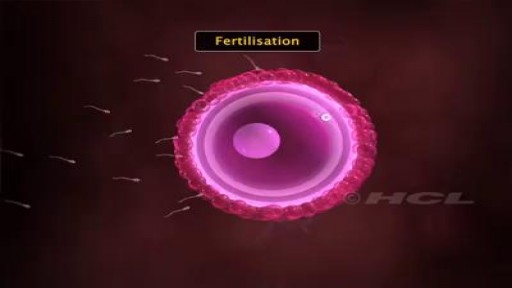
Millions of sperms are deposited into the vagina during sexual intercourse. The sperms make their way through the cervix into the uterus and then on to the fallopian tubes. As they swim along this way their numbers decline. Only a few hundred sperm will get close to the egg. During the trip, sperm prepare themselves to meet the egg by subtle alterations of their heads and movement patterns. Once inside the fallopian tube, the sperm attracts the egg by releasing a chemical. The egg is surrounded by a protective covering called the zona pellucida, which allows only one sperm to penetrate it. Once inside the egg, the head of the fertilizing sperm releases its genetic contents, which fuses with the nucleus of the egg. Fertilisation is now complete. Sperm are able to survive for 2-3 days within the female's reproductive tract. The length of the time that a woman's egg can be fertilized by a man's sperm ranges from 12-24 hours.

Croup is a common respiratory camera.gif problem in young children. It tends to occur in the fall and winter. Its main symptom is a harsh, barking cough. Croup causes swelling and narrowing in the voice box, windpipe, and breathing tubes that lead to the lungs. This can make it hard for your child to breathe. An attack of croup can be scary, but it is rarely serious. Children usually get better in several days with rest and care at home.
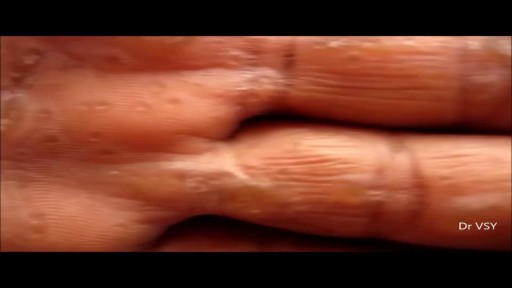
Keratoderma Blennorrhagicum is a manifestation on the skin that appears in patients diagnosed with reactive arthritis (this condition was previously known as Reiter syndrome). The condition manifests itself by lesions that appear on the skin, initially on the palm of the hands and soles of the feet. The lesions have the tendency to spread, affecting other parts of the body, such as the scrotum, scalp or trunk. Because of their appearance, the lesions might be easily confused with the ones from psoriasis. Keratoderma blennorrhagicum is one of the symptoms that can be used for the clinical diagnosis of reactive arthritis.
An abscess is a collection of pus. Pus is a thick fluid that usually contains white blood cells, dead tissue and germs (bacteria). The usual cause of an abscess is an infection with bacteria. Certain bacteria are more likely to be 'pus-forming' as they make chemicals (toxins) that can damage the body's tissues.
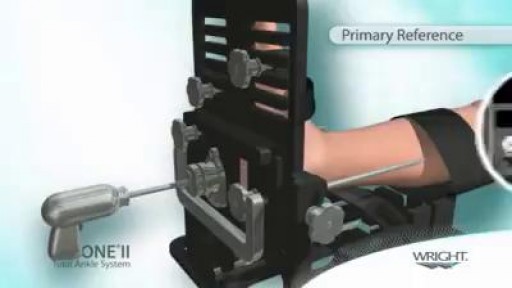
TAA is performed either under general anesthetic or nerve block. A tourniquet is used at the time of surgery to control bleeding and improve visualization during the surgery. The ankle is approached from the front or the side depending on the type of implant being used. Bone is then cut, allowing for placement of the metal and plastic components that re-create the ankle joint. Sometimes the patient will have a tight calf muscle or tight Achilles tendon that needs to be lengthened to improve range of motion of the ankle. The wounds are then closed using stitches or staples, and a splint is applied. A period of non-weightbearing in either a cast or cast boot is necessary to allow the implants to heal in place.
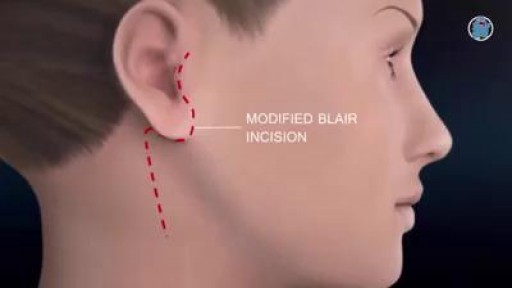
Minimally invasive parotid surgery techniques are currently utilized here in Atlanta by our practice to allow the same operation to be performed with no permanent visible incision on the face or the neck. In addition to being more cosmetically appealing, this approach is less painful and allows the procedure to be performed as an outpatient. Most patients take pain medication for only a day or two after surgery.
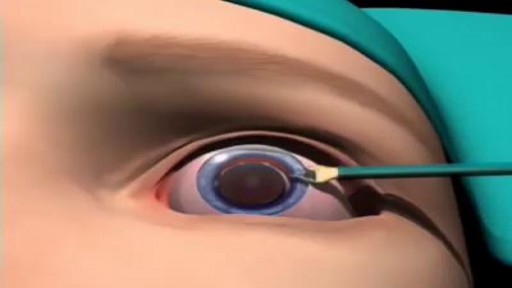
Most cataracts are associated with the aging process and are common among older Americans. In fact, according to the National Eye Institute (NEI), 68.3 percent of Americans 80 and older had cataracts in 2010. And the prevalence of cataracts in the U.S. is expected to grow significantly in the years ahead, due in part to the aging of the population. In 2010, roughly 24.4 million Americans had cataracts, and that number is projected to grow to 50.2 million by the year 2050, according to NEI.
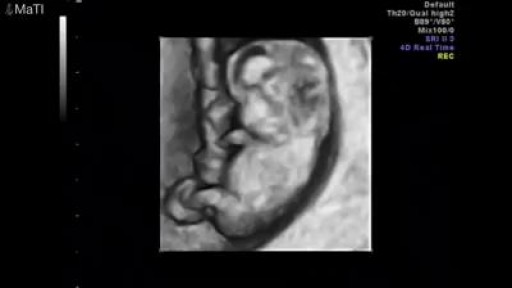
Pregnancy ultrasounds are performed mainly using transabdominal ultrasound. For many women, especially after 8 weeks gestation, sufficient information about the baby may be obtained with transabdominal ultrasound only. However, in the early pregnancy, the developing embryo is very small (at 6 weeks gestation, the baby is only 5-9mm long) and a transvaginal ultrasound may be required to get a better image of the baby. Transvaginal ultrasound is safe and commonly performed during all stages of pregnancy, including the first trimester. It will not harm you or your baby.
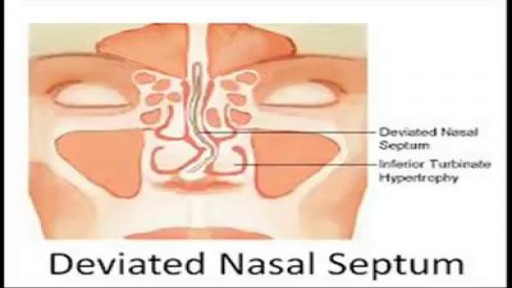
When a deviated septum is severe, it can block one side of your nose and reduce airflow, causing difficulty breathing. The additional exposure of a deviated septum to the drying effect of airflow through the nose may sometimes contribute to crusting or bleeding in certain individuals. Nasal obstruction can occur from a deviated nasal septum, from swelling of the tissues lining the nose, or from both. Treatment of nasal obstruction may include medications to reduce the swelling or nasal dilators that help open the nasal passages. To correct a deviated septum, surgery is necessar
