
- Physical Examination
- Surgical Examination
- Ophthalmology
- Clinical Skills
- Orthopedics
- Surgery Videos
- Laparoscopy
- Pediatrics
- Funny Videos
- Cardiothoracic Surgery
- Nursing Videos
- Plastic Surgery
- Otorhinolaryngology
- Histology and Histopathology
- Neurosurgery
- Dermatology
- Pediatric Surgery
- Urology
- Dentistry
- Oncology and Cancers
- Anatomy Videos
- Health and Fitness
- Radiology
- Anaesthesia
- Physical Therapy
- Pharmacology
- Interventional Radiology
- Cardiology
- Endocrinology
- Gynecology
- Emergency Medicine
- Psychiatry and Psychology
- Childbirth Videos
- General Medical Videos
- Nephrology
- Physiology
- Diet and Food Health
- Diabetes Mellitus
- Neurology
- Women Health
- Osteoporosis
- Gastroenterology
- Pulmonology
- Hematology
- Rheumatology
- Toxicology
- Nuclear Medicine
- Infectious Diseases
- Vascular Disease
- Reproductive Health
- Burns and Wound Healing
- Other
Top videos


Vitiligine News, Vitiligine Foto, Vitiligine Come Si Manifesta, La Vitiligine, Rimedi Vitiligine --- http://vitiligine-cura.good-info.co --- Non Importa Quanto Sia Grave La Tua Vitiligine, Puoi Iniziare A Utilizzare Questo Sistema Potente PROPRIO ORA Per Ottenere La Libertà Dalla Vitiligine Che Hai Sempre Sognato! Funziona In Tutti I Casi Seguenti: Vitiligine Leggera, Moderata O Grave Vitiligine Focale Vitiligine Segmentale Vitiligine Mucoidale Vitiligine acrofacciale Vitiligine vulgaris Vitiligine universale I trattamenti anti-vitiligine che la maggior parte della gente usa NON FUNZIONANO! Il 95% di tutti quelli che trattano la vitiligine finisce peggio di quando ha iniziato! Una Presentazione Video Gratuita Spiega Un Singolare Consiglio Per Eliminare La Vitiligine Per Sempre http://vitiligine-cura.good-info.co
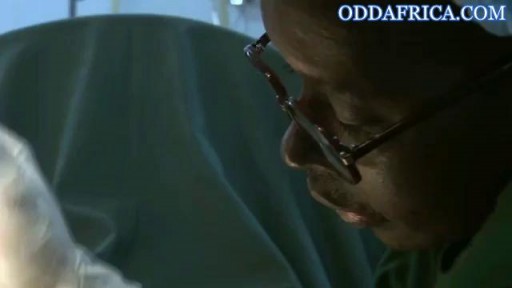
Correcting fgm https://oddafrica.com/videos/female-genital-mutilation-in-africa/

Anti Rides Efficace, Comment Faire Un Régime Pour Mincir Vite, Aliment Brûle Graisse, Poids Graisse ---- http://rajeunir-de-10-ans.info-pro.co --- 5 Raisons pour lesquelles le Cardio traditionnel n’est PAS bon pour vous. Voici le problème : si vous cherchez à rentabiliser au maximum le temps que vous passez à vous entrainer, le cardio de longue durée à faible intensité n'est pas la voie à suivre… et pour de nombreuses raisons. Voici le top 5 de ces raisons : 1. Un nombre réduit de calories brûlées : 45 minutes sur un tapis de course peut vous aider à brûler au maximum 300 calories si vous êtes chanceux, l'équivalent de 50 grammes de graisse. En faisant dix heures de tapis de course par semaine vous pourriez perdre un demi-kilo ! 2. Beaucoup trop de temps consacré : je ne sais pas pour vous, mais je n'ai pas des heures et des heures de mon temps à mettre dans l’entraînement chaque semaine. En fait, j'ai seulement le temps de faire quelques heures d'exercice par semaine, et vous savez quoi ? C'est tout ce dont vous avez besoin. En fait, la recherche a montré que plus de 90 minutes par semaine peuvent être nuisibles! Au-delà de cela, le cardio de longue durée et faible intensité est : 3. Ennuyeux à mourir : assis sur un vélo d'exercice à regarder le mur en face de moi pendant 45-60 minutes ? Non merci. Mais peut-être pire encore est le fait que le cardio de longue durée et à faible intensité ne fournit : Pas d’avantages prolongés au niveau métabolique : saviez-vous qu’avec de l'exercice avec plus d'intensité il est possible de continuer à brûler des calories pour un maximum de 48 heures après l'entraînement ? C'est vrai. Mais vous savez ce qui est vrai également ? Le cardio de longue durée et à faible intensité ne fournit pratiquement aucune stimulation prolongée du métabolisme. En fait, avec un cardio lent et à faible intensité, le métabolisme revient à la normale presque immédiatement après la séance d'exercice. Et enfin, la raison qui l'emporte sur toutes les autres : 5. Une perte de graisse minimale : un minimum de calories sont brûlées pendant la session et pratiquement aucunes calories supplémentaires ne sont brûlées après… donc aucune perte de graisse supplémentaire. Et soyons honnêtes, la seule raison pour laquelle quelqu'un fait du cardio c'est pour avoir des "résultats visibles". Donc, si le cardio de longue durée à faible intensité n'est pas la solution idéale, quelle est-elle ? ET bien les solutions sont multiples et vous n'avez pas besoin de passer des heures et des heures chaque semaine à vous entrainer de façon stupide pour obtenir les meilleures résultats possibles. Les étapes Pour Rajeunir De 10 Ans Plus Jeunes Cliquez Ici: http://rajeunir-de-10-ans.info-pro.co
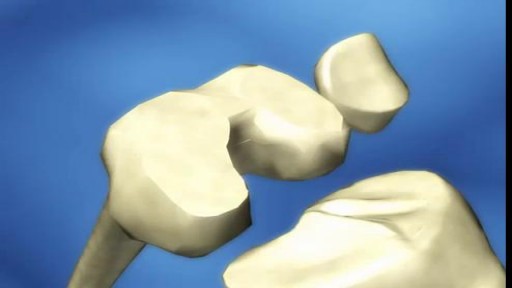
Knee replacement, also known as knee arthroplasty, is a surgical procedure to replace the weight-bearing surfaces of the knee joint to relieve pain and disability.
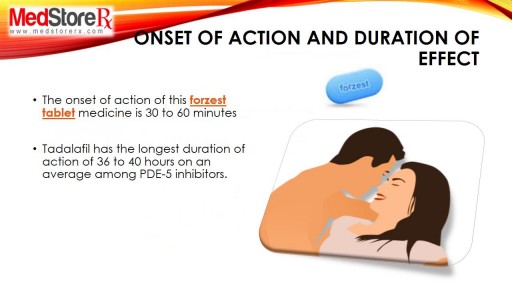
Forzest is FDA approved medicine, it is used bt men to improve erectile dysfunction dusring intercourse session with partner. for more information related side effects, dosage, etc kindly visit to http://www.medstorerx.com/forzest.aspx
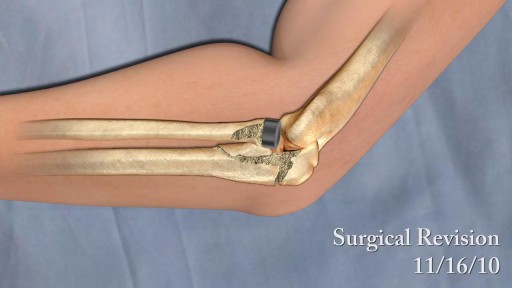
Tennis elbow is caused by doing the same forceful arm movements over and over. It creates small, painful tears in the tendons in your elbow. This injury can be caused by tennis, other racquet sports, and activities such as turning a wrench, prolonged typing, or chopping with a knife. The outside (lateral) elbow tendon is most commonly injured. The inside (medial) and backside (posterior) tendons can also be affected. This article discusses surgery to repair tennis elbow
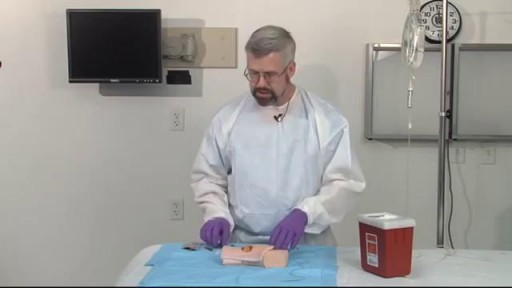
Venous cutdown is an emergency procedure in which the vein is exposed surgically and then a cannula is inserted into the vein under direct vision. It is used to get vascular access in trauma and hypovolemic shock patients when peripheral cannulation is difficult or impossible
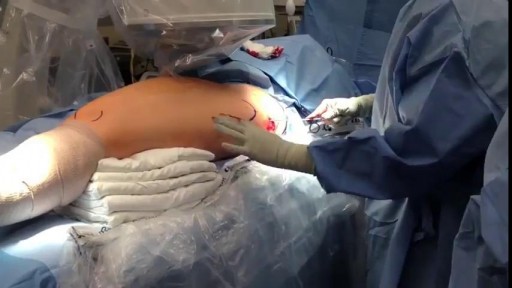
This is an example of a surgery to fix a femur (thigh bone) fracture utilizing an intramedullary nail. This is a minimally invasive way of fixing this surgical problem and allows for immediate range of motion and full weight-bearing.
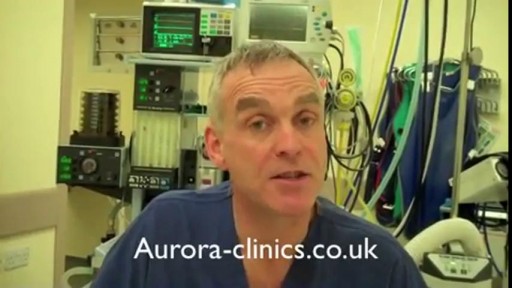
Breast Implant Surgery - exchanging the breast implants. In this video you can see a Plastic Surgeon performing an exchange of breast implant surgery.As breast implants become more popular more breast implant exchange procedures are being performed. This video shows breast implant removal followed by insertion of a larger breast implant.
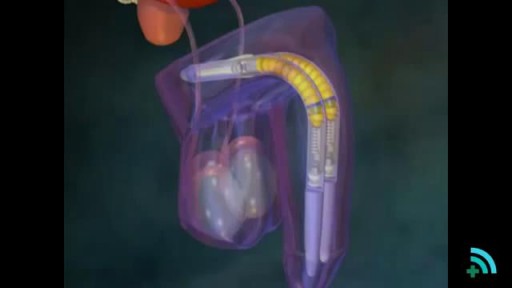
enile implants are devices placed inside the penis to allow men with erectile dysfunction (ED) to get an erection. Penile implants are typically recommended after other treatments for ED fail. There are two main types of penile implants, semirigid and inflatable.
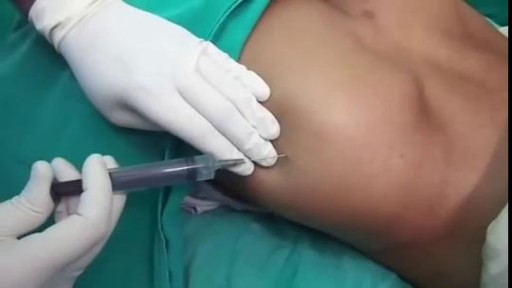
Incision and Drainage of a Huge Gluteal Abscess
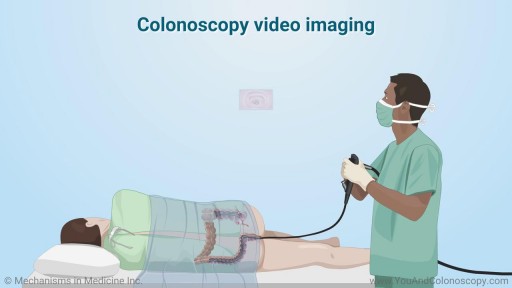
A colonoscope is the special tool used to perform a colonoscopy. It is a thin, flexible, tubular ‘telescope’ with a light and video camera that your doctor carefully guides through your colon in order to see and determine the health of your colon. Watch this animation to learn about the features of the colonoscope, how the colonoscopy procedure is performed and how polyps are removed, and the follow-up care you and your doctor should talk about after your procedure.
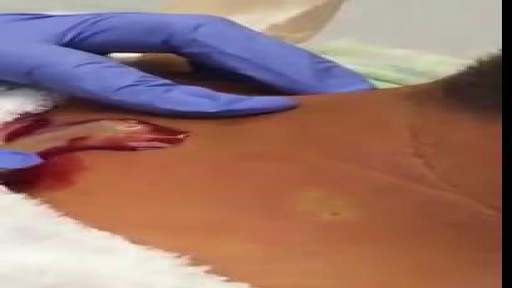
Popping Neck Cyst Abscess
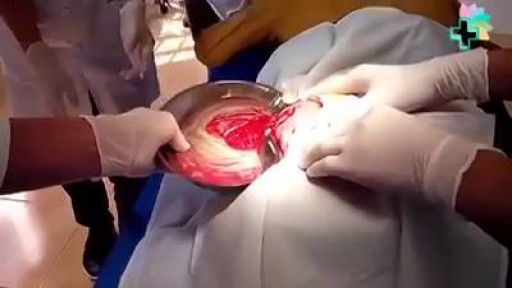
Big Butt Abscess Drainage
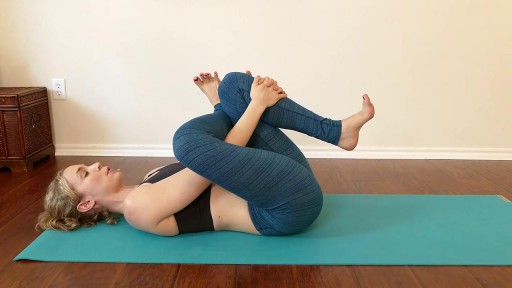
Fast Lower Back Pain & Sciatica Pain Relief – Beginners Yoga Stretches and Poses
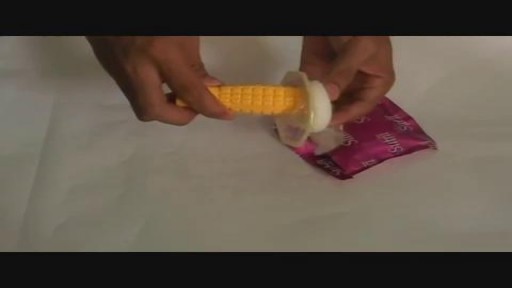
Female condoms are easy to use with a little practice. Here are the basics on how to insert, use, and remove a female condom.
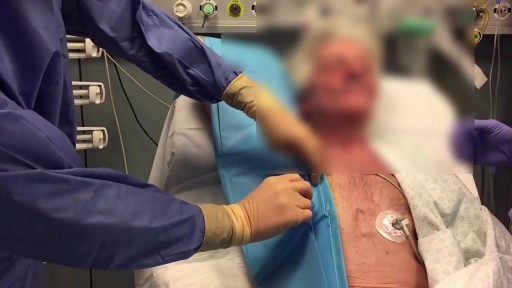
For blunt trauma patients lying supine, drains should be placed anteriorly in the chest. This pevents a tension pneumothorax developing if the chest tube is blocked by dependent lung tissue. Normal movement of the lungs will allow drainage of a basal haemothorax through an anterior chest tube
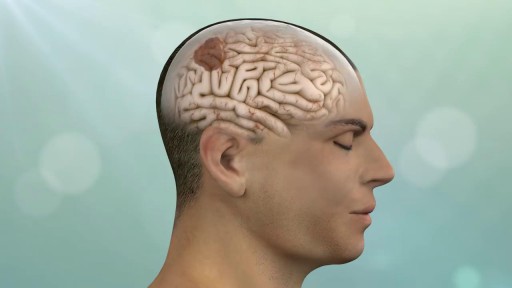
Keyhole surgery can be helpful for patients with brain, pituitary and skull base tumors. With cutting edge technology and a proven track record in keyhole and endonasal endoscopic approaches, we make surgery safer, less invasive and more effective.
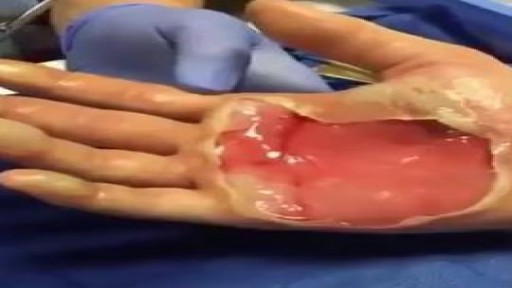
Second-degree burns (also known as partial thickness burns) involve the epidermis and part of the dermis layer of skin. The burn site appears red, blistered, and may be swollen and painful.
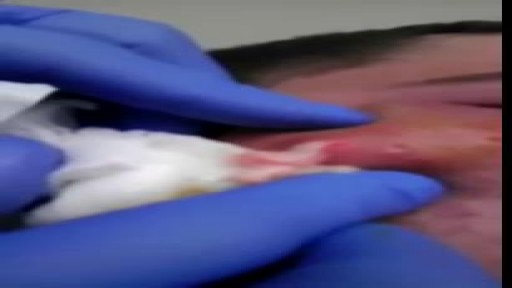
Popping a Big Zit on the Face
