热门视频
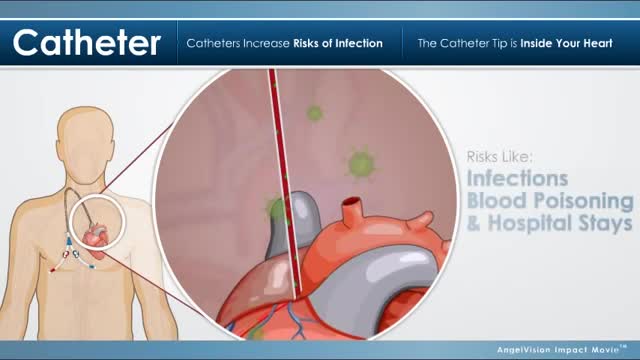

An arteriovenous fistula is an abnormal connection or passageway between an artery and a vein. It may be congenital, surgically created for hemodialysis treatments, or acquired due to pathologic process, such as trauma or erosion of an arterial aneurysm.
If you and your partner are struggling to have a baby, you're not alone. Ten to 15 percent of couples in the United States are infertile. Infertility is defined as not being able to get pregnant despite having frequent, unprotected sex for at least a year for most couples. Infertility may result from an issue with either you or your partner, or a combination of factors that interfere with pregnancy. Fortunately, there are many safe and effective therapies that significantly improve your chances of getting pregnant
The Irish Thoracic Society explain the Active Cycle of Breathing Technique for patients with acute and chronic respiratory illnesses and diseases and respiratory distress
Beta-blockers, also known as beta antagonists, beta-adrenergic blocking agents, or beta-adrenergic antagonists, are drugs that are prescribed to treat several different types of conditions, including hypertension (high blood pressure), angina, some abnormal heart rhythms, heart attack (myocardial infarction), anxiety, migraine, glaucoma, and overactive thyroid symptoms.

Vesicoureteral (ves-ih-koe-yoo-REE-tur-ul) reflux is the abnormal flow of urine from your bladder back up the tubes (ureters) that connect your kidneys to your bladder. Normally, urine flows only down from your kidneys to your bladder. Vesicoureteral reflux is usually diagnosed in infants and children. The disorder increases the risk of urinary tract infections, which, if left untreated, can lead to kidney damage. Vesicoureteral reflux can be primary or secondary. Children with primary vesicoureteral reflux are born with a defect in the valve that normally prevents urine from flowing backward from the bladder into the ureters. Secondary vesicoureteral reflux is due to a urinary tract malfunction, often caused by infection. Children may outgrow primary vesicoureteral reflux. Treatment, which includes medication or surgery, aims at preventing kidney damage.
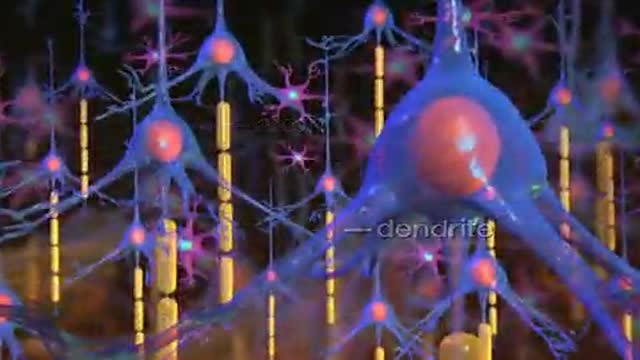
Alzheimer Disease Effects

Teaching Phonics To Children, How To Teach Phonics And Reading, How To Read Better, Teach Kid Read--- http://children-learning-reading.good-info.co --- Teaching phonics to children - How to Teach Phonics and Reading, Teaching children to read by teaching phonics activities is a lot like doing math, where you have to know what the numbers are, how to count, and you need to learn to add and subtract before learning to multiply and divide. Teaching phonics to children is no different where you follow a step by step approach by first teaching the child the alphabet letters and phonics sounds, and then teaching them the combination of different letters to create different words, and using words to form sentences. It is a very logical and sequential buildup of phonics knowledge and reading ability. Before a child can learn to read, he or she must first learn the alphabet letters, and know the sounds represented by the letters. It's usually easier to teach some consonants and short vowels first before moving on to more complicated things such as consonant digraphs (2 consonants formed to produce one sound, such as "ch" or "ph") and long vowels. As you can see, teaching children to read by the phonics method helps them develop phonemic awareness, and it is also a very logical and straight forward approach. Start off by teaching your child the phonics sounds. You can choose to teach your child in alphabetic order going from A to Z, or you can teach several commonly used consonant sounds and vowels, and go from there. For example, you may start teaching your child /a/, /c/, and /t/ (slashes denote sound of the letters). Once your child has learn to quickly recognize these letters and properly sound out their sounds, you can then teach them to blend /c/, /a/, /t/ to make the words "cat", or "tac", or "at". As you introduce more letters and phonics sounds in your lesson plans, you can generate more words, and slowly introduce short, simple sentences to your reading lessons. Depending on the age of your child, I would suggest keeping the phonics lessons relatively short - around 5 to 10 minutes. Sometimes, just 3 to 5 minutes for a short lesson is plenty, and you can easily teach these short phonics lessons 2 or 3 times each day for a total of 10 to 15 minutes. >> Teach your child to read today using our step-by-step, proven method for teaching young children to read http://children-learning-reading.good-info.co

Skin changes are among the most visible signs of aging. Evidence of increasing age includes wrinkles and sagging skin. Whitening or graying of the hair is another obvious sign of aging. Your skin does many things. It: Contains nerve receptors that allow you to feel touch, pain, and pressure Helps control fluid and electrolyte balance Helps control your body temperature Protects you from the environment Although skin has many layers, it can generally be divided into three main parts: The outer part (epidermis) contains skin cells, pigment, and proteins. The middle part (dermis) contains blood vessels, nerves, hair follicles, and oil glands. The dermis provides nutrients to the epidermis. The inner layer under the dermis (the subcutaneous layer) contains sweat glands, some hair follicles, blood vessels, and fat. Each layer also contains connective tissue with collagen fibers to give support and elastin fibers to provide flexibility and strength.
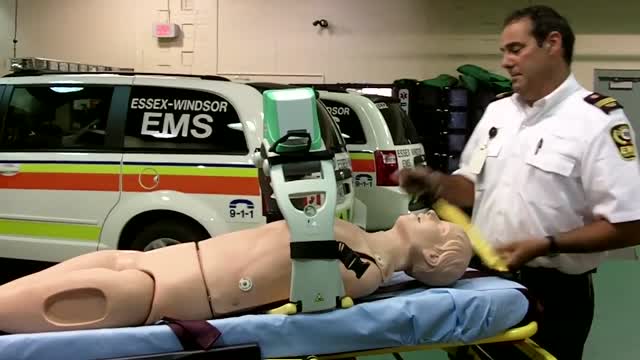
The AutoPulse® Resuscitation System provides high-quality automated CPR to victims of sudden cardiac arrest. Easy to use and battery operated, the AutoPulse squeezes the patient’s entire chest to improve blood flow to the heart and brain.1,2,3 The only device of its kind, the AutoPulse automatically sizes to the patient, and has shown improved outcomes in numerous clinical trials.4,5 Designed for Patient Movement and Transport When the AutoPulse’s stabilizing board is placed on a soft stretcher, rescuers can continue providing high-quality CPR down steep stairwells, around sharp corners, or even in a cramped elevator. Compared with manual CPR, the AutoPulse has been shown to reduce interruptions in compressions during transport by more than 85%.6 The AutoPulse is made for resuscitation on the move.

Women Health Tips: Importance of getting a pap smear, breast exam, and mammogram
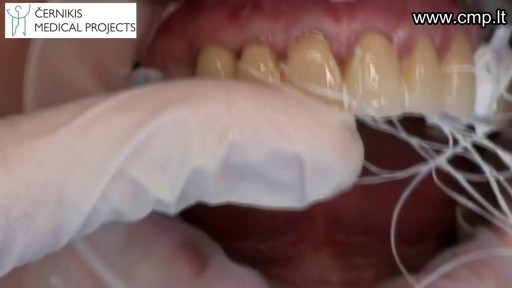
Tooth preparation for All-ceramic crown
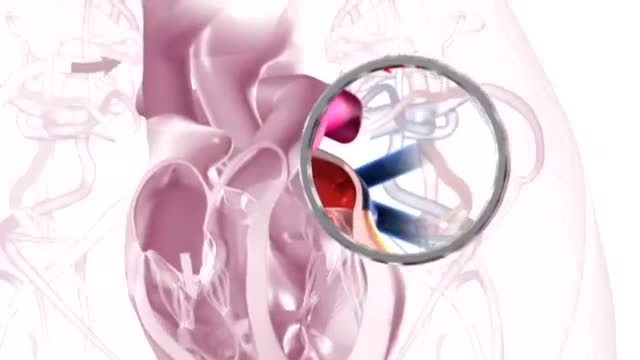
The average time from symptom onset to diagnosis has been reported to be approximately 2 years. Despite recent attempts at increasing the awareness of pulmonary arterial hypertension (PAH), especially associated PAH (APAH), this delay in diagnosis has not changed appreciably in recent years. Early symptoms are nonspecific. Often, neither the patient nor the physician recognizes the presence of the disease, which leads to delays in diagnosis. Complicating matters, idiopathic PAH (IPAH) requires an extensive workup in an attempt to elucidate an identifiable cause of the elevated pulmonary artery pressure. The most common symptoms and their frequency, reported in a national prospective study, are as follows: Dyspnea (60% of patients) Weakness (19%) Recurrent syncope (13%) Additional symptoms include fatigue, lethargy, anorexia, chest pain, and right upper quadrant pain. Cough, hemoptysis, and hoarseness are less common symptoms. Women are more likely to be symptomatic than men.
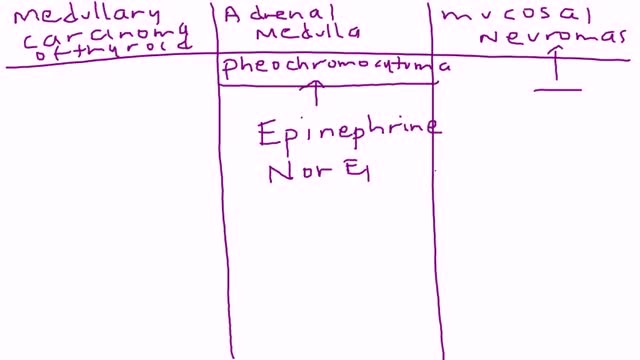
Multiple endocrine neoplasia type 2 (MEN2) is a hereditary condition associated with three primary types of tumors: medullary thyroid cancer, parathyroid tumors, and pheochromocytoma. MEN2 is classified into three subtypes based on clinical features. MEN2A, which affects 60% to 90% of MEN2 families Medullary thyroid cancer: 98% to 100% with MEN2A are affected Pheochromocytoma, a typically benign (noncancerous) tumor of the adrenal glands: 50% with MEN2A affected Parathyroid adenoma (benign tumor) or hyperplasia, meaning increased size, of the parathyroid gland: 5% to 10% with MEN2A affected MEN2B, which affects 5% of MEN2 families Medullary thyroid cancer: 98% to 100% with MEN2B affected Pheochromocytoma: 50% with MEN2B affected Mucosal neuromas, which is a benign tumor of nerve tissue on the tongue, lips and throughout the gastrointestinal tract: 95% to 98% affected Digestive problems caused by disordered nerves in the gastrointestinal tract: 75% to 90% affected Muscle, joint, and spinal problems: 95% affected Typical facial features, including swollen lips and thick eyelids: 75% to 90% affected Familial medullary thyroid cancer (FMTC), which affects 5% to 35% of MEN2 families Medullary thyroid carcinoma only Sources: Gagel RF, Marx SJ. “Multiple endocrine neoplasia.” Williams Textbook of Endocrinology, Chapter 40, 11th ed., Philadelphia, 2008, and Eng C, Clayton D, et al. Grubbs EG, Gagel RF. My, How Things Have Changed in Multiple Endocrine Neoplasia Type 2A! J Clin Endocrinol Metab 100(7):2532-5, 7/2015. PMID: 26151398. What causes MEN2? MEN2 is a genetic condition. This means that the cancer risk and other features of MEN2 can be passed from generation to generation in a family. The gene associated with MEN2 is called RET. A mutation (alteration) in the RET gene gives a person an increased risk of developing medullary thyroid cancer and other tumors associated with MEN2.
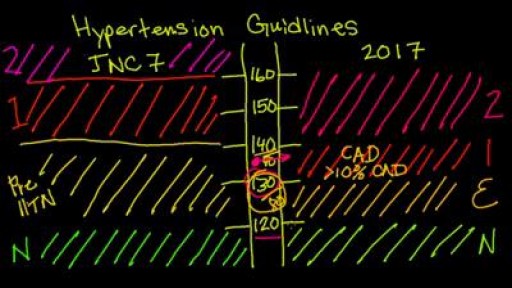
New 2017 Hypertension guidelines
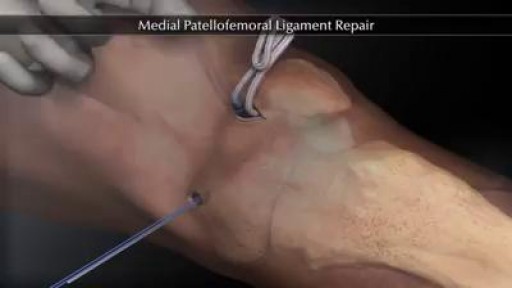
The medial patellofemoral ligament (MPFL) helps to keep the kneecap centered along the front of the knee, so that it tracks well during knee movements. MPFL injuries typically occur during a forceful traumatic kneecap dislocation. This injury is most common among young, active females. Depending on the severity of an MPFL injury, treatment may involve surgical reconstruction, followed by physical therapy. Physical therapists design treatment programs for individuals with MPFL injuries to help them gently restore their knee strength and function.
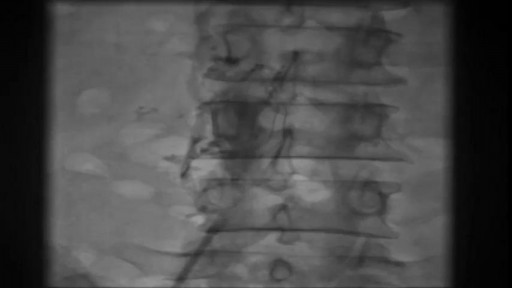
IVC filter is placed to prevent fatal Pulmonary Embolism due to Deep Venous Thrombosis (DVT). This particular patient had extensive DVT of Ilio-Femoral veins leading to massive swelling of left lower limb. The IVC filter was inserted via the Right Femoral Vein. This case was the first IVC filter placement of North Bengal and adjoining areas.
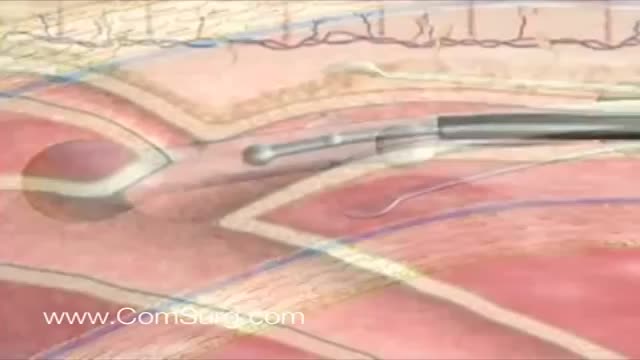
Like the VenaCure EVLT® procedure, which uses a laser to ablate the varicose vein, VNUS RF treatment is an alternative to more invasive leg stripping surgery. It is used primarily to treat the great saphenous veins (GSV), small saphenous vein (SSV), and other superficial veins in the legs.
Mitral valve surgery is surgery to either repair or replace the mitral valve in your heart. Blood flows from the lungs and enters a pumping chamber of the heart called the left atrium. The blood then flows into the final pumping chamber of the heart called the left ventricle. The mitral valve is located between these two chambers. It makes sure that the blood keeps moving forward through the heart. You may need surgery on your mitral valve if: The mitral valve is hardened (calcified). This prevents blood from moving forward through the valve. The mitral valve is too loose. Blood tends to flows backward when this occurs. Minimally invasive mitral valve surgery is done through several small cuts. Another type of operation, open mitral valve surgery requires a larger cut.