
- Physical Examination
- Surgical Examination
- Ophthalmology
- Clinical Skills
- Orthopedics
- Surgery Videos
- Laparoscopy
- Pediatrics
- Funny Videos
- Cardiothoracic Surgery
- Nursing Videos
- Plastic Surgery
- Otorhinolaryngology
- Histology and Histopathology
- Neurosurgery
- Dermatology
- Pediatric Surgery
- Urology
- Dentistry
- Oncology and Cancers
- Anatomy Videos
- Health and Fitness
- Radiology
- Anaesthesia
- Physical Therapy
- Pharmacology
- Interventional Radiology
- Cardiology
- Endocrinology
- Gynecology
- Emergency Medicine
- Psychiatry and Psychology
- Childbirth Videos
- General Medical Videos
- Nephrology
- Physiology
- Diet and Food Health
- Diabetes Mellitus
- Neurology
- Women Health
- Osteoporosis
- Gastroenterology
- Pulmonology
- Hematology
- Rheumatology
- Toxicology
- Nuclear Medicine
- Infectious Diseases
- Vascular Disease
- Reproductive Health
- Burns and Wound Healing
- Other
Top videos


Home hemodialysis gives you the flexibility to fit treatment into your lifestyle and may help you feel better with fewer medications and dietary restrictions. Watch this video to find out about how home hemodialysis could be right for you, and visit our website to learn more: www.FreseniusKidneyCare.com/HHD. #HomeDialysis #DialysisTreatment #KidneyDialysis
Subscribe to Our YouTube Channel
Subscribe Here: https://www.youtube.com/user/FMSMarketing
Find Fresenius Kidney Care Online at:
Website: https://www.freseniuskidneycare.com/
Facebook:@FreseniusKidneyCare
https://www.facebook.com/FreseniusKidneyCare/
Pinterest: Fresenius Kidney Care
https://www.pinterest.com/FreseniusKidneyCarePins/

Eric knew he needed help when an old knee injury began worsening over the course of time and was significantly affecting his quality of life. That’s when he turned to his hometown orthopedic experts at Mayo Clinic Health System in Mankato, who recommended a total knee replacement. After overcoming some initial fears, Eric decided it was time to have the operation — a fuller and more active life with his family depended on it.

Arthritis occurs when the cartilage breaks down explains Dr. Derek Papp, Sports Medicine Physician with Miami Orthopedics & Sports Medicine Institute. This it’s a very common knee injury such as the damage of the cartilage and meniscus tear.
ACL tears is another common injury especially in sports like soccer or Australian football, the specialist explains.

Is that knee pain just a sprain or a more serious ACL injury? Orthopedic surgeon Paul Fadale, M.D., offers tips on how to tell the difference. http://www.orthopedicsri.org/
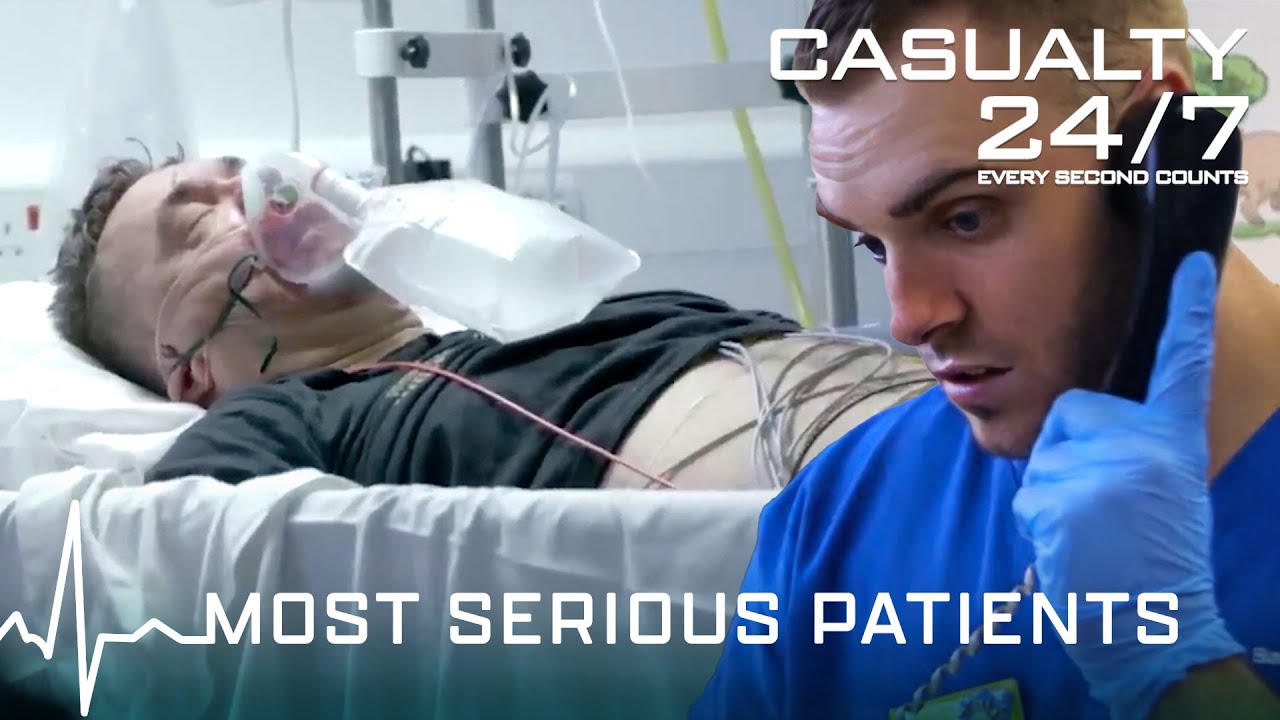
In this compilation, Barnsley Hospital is facing a very busy day with a high number of patients being treated, the doctors and nurses face some of their toughest shifts when they treat critical patients and rare illnesses as well as making tough decisions.
⌚️Timecodes:
00:00 Season 2 Episode 1
08:56 Season 4 Episode 1
16:53 Season 3 Episode 10
30:36 Season 3 Episode 13
37:45 Season 2 Episode 9
46:51 Season 1 Episode 2
52:52 Season 1 Episode 3
58:02 Season 2 Episode 2
01:09:39 Season 2 Episode 11
01:18:37 Season 2 episode 12
🟦 Click Link below to subscribe: https://www.youtube.com/channe....l/UCHPgATT2HtFrxmueq
About Casualty 24/7:
Casualty 24/7 shows how the doors of Barnsley A&E department are open every hour, of every day. They allow a peek inside their medical emergency teams, and how they deal with critical situations revolving around people's lives and illnesses. The team are close-knit and exchange typical Yorkshire humour to get them through their often long and tough days.
Watch our playlists:
🔵 Season 1 Full Episodes | Casualty 24/7:
https://www.youtube.com/playli....st?list=PLWrY8x74oDM
🔵 Season 2 Full Episodes | Casualty 24/7:
https://www.youtube.com/playli....st?list=PLWrY8x74oDM
🔵 Season 3 Full Episodes | Casualty 24/7:
https://www.youtube.com/playli....st?list=PLWrY8x74oDM
🔵 Season 4 Full Episodes | Casualty 24/7:
https://www.youtube.com/playli....st?list=PLWrY8x74oDM
🔵 Compilation Videos of Casualty 24/7:
https://www.youtube.com/playli....st?list=PLWrY8x74oDM
#SeriousIllness #Casualty247 #EmergencyServices #AandE #BHNFT #OurFutureSouthYorkshire

Ankle and Foot Clinical Examination - Clinical Skills - Dr Gill
When it comes to joints of the body, the ankle is one of the joints most commonly injured. This is vitally important to be able to effectively examine a patient who is complaining of pain in the ankle and foot.
In this video we will perform a demonstration of the ankle and foot examination.
Examination of the foot, and the ankle joint, follows the standard orthopaedic approach of look, feel, move.
There is a connected video to the foot and ankle examination, on the causes of carpal tunnel syndrome - here
https://youtu.be/aXx6NfBWDSs
________
Please note that there is no ABSOLUTE way to perform a clinical examination. Different institutions and even clinicians will have differing degrees of variations - the aim is the effectively identify medically relevant signs.
However during OSCE assessments. Different medical schools, nursing colleges, and other health professional courses will have their own preferred approach to a clinical assessment - you should concentrate on THEIR marks schemes for your assessments.
The examination demonstrated here is derived from Macleod's Clinical Examination - a recognized standard textbook for clinical skills.
#footpain #clinicalexamination #DrGill

Watch this clinical examination video to learn how to diagnose cervical spine pathology.
This video clip is part of the FIFA Diploma in Football Medicine and the FIFA Medical Network. To enrol or to find our more click on the following link http://www.fifamedicalnetwork.com
The Diploma is a free online course designed to help clinicians learn how to diagnose and manage common football-related injuries and illnesses. There are a total of 42 modules created by football medicine experts. Visit a single page, complete individual modules or finish the entire course.
The network provides the opportunity for clinicians around the world to meet and share ideas relating to football medicine. Ask about an interesting case, debate current practice and discuss treatment strategies. Create a profile and log on to interact with other health professionals from around the globe.
This is not medical advice. The content is intended as educational content for health care professionals and students. If you are a patient, seek care of a health care professional.

#CNA_Practice_Test Welcome to This CNA practice test 15 Basic Nursing Skills Fully Explained Answers. Includes questions from 171 to 180 of These 270 questions that are very similar to the real test #CNA_EXAM.

Official Ninja Nerd Website: https://ninjanerd.org
You can find the NOTES and ILLUSTRATIONS for this lecture on our website at:
https://www.ninjanerd.org/lect....ure/hemodialysis-ncl
Ninja Nerds!
In this lecture Professor Kristin Beach, MSN, BSN, RN will be discussing Hemodialysis. Hemodialysis is a procedure where a dialysis machine and a special filter called an artificial kidney, or a dialyzer, are used to clean your blood. In order to receive dialysis, a minor surgery is performed to the arm to create an arteriovenous shunt.
Table of Contents:
0:00 Lab
0:07 Hemodialysis Introduction
0:27 Defining Hemodialysis
11:02 Dialysis: Pre-Procedure
14:52 Dialysis: Intra-Procedure
17:34 Dialysis: Post-Procedure
18:58 Complications
27:35 Comment, Like, SUBSCRIBE!
APPAREL |
https://www.amazon.com/s?k=ninja+nerd&ref=nb_sb_noss_2
PODCAST |
Apple Podcast: https://podcasts.apple.com/us/....podcast/ninja-nerd/i
Spotify: https://open.spotify.com/show/....2ZDXoakATwCgkRH3EpCZ
Google Podcast: https://podcasts.google.com/fe....ed/aHR0cHM6Ly9mZWVkc
DONATE
PAYPAL | https://www.paypal.com/paypalme/ninjanerdscience
SOCIAL MEDIA
FACEBOOK | https://www.facebook.com/NinjaNerdlectures
INSTAGRAM | https://www.instagram.com/ninjanerdlectures
TWITTER | https://twitter.com/ninjanerdsci
@NinjaNerdSci
DISCORD | https://discord.gg/3srTG4dngW
#ninjanerd #hemodialysis #nursing
![What does a fistula for dialysis look like? [CHT CERTIFICATION REVIEW] 2022](https://i.ytimg.com/vi/gjB5eKo4eh8/maxresdefault.jpg)
If this is the first time visiting us, make sure to subscribe to our channel here: https://bit.ly/2yXNBYp
What does a fistula for dialysis look like?
A fistula for dialysis is a surgical connection between a vein and an artery.
In this video, I will show you a real fistula and how we should evaluate it before a dialysis connection.
Additional videos:
💉How to properly cannulate a fistula: https://youtu.be/IqoHnzFyhJQ
💉 What is a fistula for dialysis treatment: https://youtu.be/B5EEf-MklFk
💉 The 10-second assessment for fistulas: https://youtu.be/Uqo0LhjZSI8
💉 If you would like to be trained as a dialysis professional focused on offering quality of care to renal patients, visit our program details here: https://utopiahcc.com/hemodialysis-technician/
For nursing and technician schools😷 🩺 🎓, we can offer a special renal failure class to your students. For inquiries please contact us: info@utopiahcc.com
Where to find us:
Facebook: https://www.facebook.com/utopiahealth
Email: info@utopiahcc.com
Website: utopiahcc.com
🤔 Looking for renal and dialysis continuing education for your certification renewal? Check out our CE package where you will get a little over 40 contact hours for a small price and receive your certificates immediately.
Here's the link: https://bit.ly/3dbPvDZ
Want to watch *Free Dialysis Training Videos*?
https://utopiahcc.com/free-dia....lysis-video-training
__________________________________________________________
Additional resources:
What Does a Healthy AV Fistula Look Like? | Azura Vascular ...
www.azuravascularcare.com infodialysisaccess healt...
Jul 17, 2018 — An AV fistula is a surgically-created permanent access located under the skin, making a direct connection between a vein and an artery. An AV fistula is typically created in the non-dominant arm. If the veins in your arm are not large or healthy enough to support a fistula, it may be created in your leg.
Preparing for Dialysis (AV Fistula) Fact Sheets Yale ...
www.yalemedicine.org › conditions › preparing-dialysi...
To undergo dialysis, patients need a surgical procedure to create an access point for the dialysis machine. An AV fistula is the most common access point.
Vascular Access for Hemodialysis - Life Options
lifeoptions.org living-with-kidney-failure vascular-a...
Jump to How a Catheter Looks and Feels — This makes a pattern that looks a bit like a rope ladder. The next best way—for fistulas ONLY—is the “Buttonhole ...
Fistula or Graft Surgery · Needle Fear · How a Fistula or Graft Looks...
Taking Care of Your Fistula - DaVita
www.davita.com dialysis preparing-for-dialysis › ta...
An arteriovenous (AV) fistula is a type of access used for hemodialysis. ... access because it utilizes the patient's own vessels and does not require permanent placement of foreign materials such ... Look for redness or swelling around the fistula area. ... This sound may change from a whooshing noise to a whistle-like sound.
Vascular Access for Hemodialysis - Department of Surgery
surgery.ucsf.edu conditions--procedures vascular-ac...
The patient does not need anesthesia for this procedure. ... A vascular surgeon performs AV graft surgery, much like AV fistula surgery, in an outpatient center or ...
Frequently Asked Questions about Dialysis Access Surgery ...
www.bidmc.org transplant-institute frequently-aske...
Dialysis access surgery creates the vascular opening so a needle can be inserted for ... fluid and to correct electrolytes like potassium, sodium, phosphate and calcium, to name a few. ... Where are AV fistulas located and how long do they last?
Fistula and Graft Placement (Eric K. Peden, MD) - YouTube
www.youtube.com watch
Mar 28, 2016 — ... Bootcamp 2015 August 14 - 16, 2015 "Dialysis Access" Fistula and Graft Placement (Eric K. Peden, MD) DICET@Houstonmethodist.org.
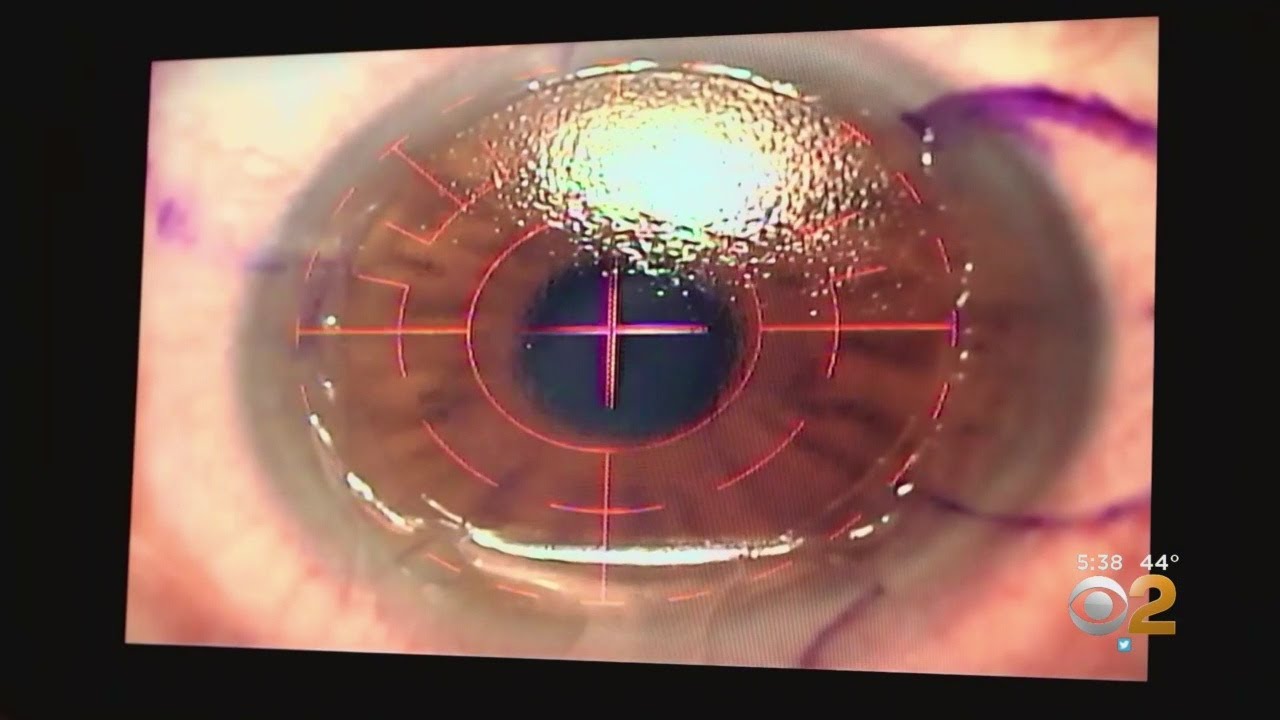
An FDA survey has found some patients of Lasik eye surgery say the procedure ruined their sight.


TODAY’s Al Roker is back at work, less than two weeks after knee replacement surgery. Al reveals the rigorous course of physical therapy that helped get him back on his feet so quickly. He says the procedure has improved radically since his first knee replacement 15 years ago.
» Subscribe to TODAY: http://on.today.com/SubscribeToTODAY
» Watch the latest from TODAY: http://bit.ly/LatestTODAY
About: TODAY brings you the latest headlines and expert tips on money, health and parenting. We wake up every morning to give you and your family all you need to start your day. If it matters to you, it matters to us. We are in the people business. Subscribe to our channel for exclusive TODAY archival footage & our original web series.
Connect with TODAY Online!
Visit TODAY's Website: http://on.today.com/ReadTODAY
Find TODAY on Facebook: http://on.today.com/LikeTODAY
Follow TODAY on Twitter: http://on.today.com/FollowTODAY
Follow TODAY on Google+: http://on.today.com/PlusTODAY
Follow TODAY on Instagram: http://on.today.com/InstaTODAY
Follow TODAY on Pinterest: http://on.today.com/PinTODAY
Inside Al Roker’s Road To Recovery After Knee Replacement | TODAY

A new procedure helps patients with unattractive bunions and hammertoes.
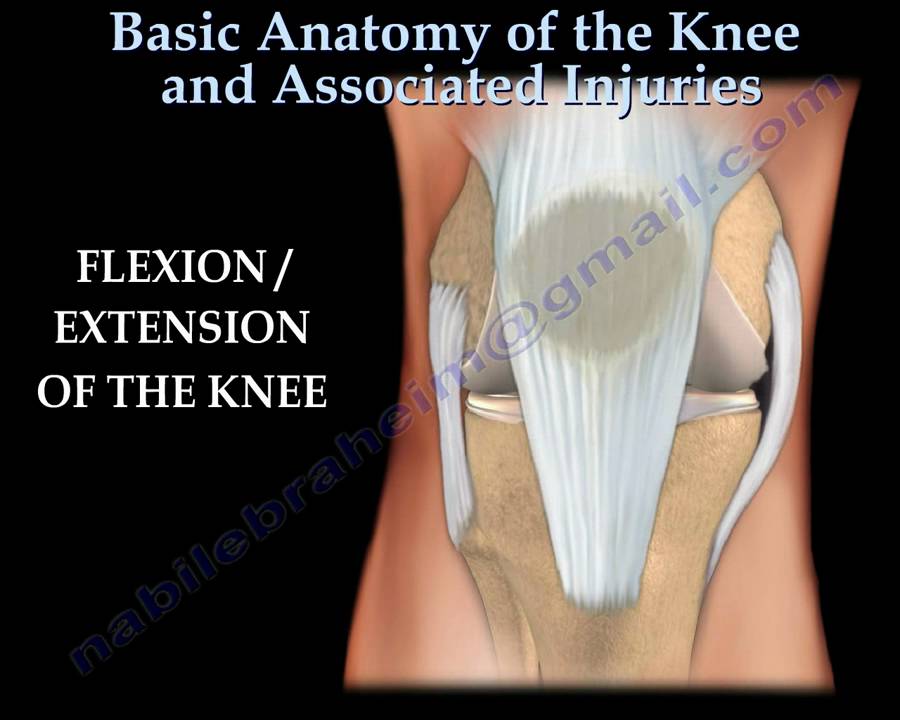
Dr. Ebraheim’s educational animated video describing the anatomy and associated injuries of the knee joint.
Disrupted quadriceps
•Patient is unable to actively extend the knee.
The most common cause of ACL ruptures:
•Traumatic force being applied during twisting motion.
•Side stepping or landing from a jump.
Patient complains of:
•Immediate pain
•Knee giving way
•Swelling
Aspiration of the knee
•If aspiration of the knee joint shows evidence of blood within the joint there is 75-80% chance of ACL and meniscal injury.
Lachamn’s test- ACL knee exam
•Knee is flexed at 30 degrees.
•ACL tear of the knee is identified by pulling on the tibia and examining the frontward motion of the lower leg in comparison to the upper leg.
Radiological exam – ACL
•MRI of the knee joint shows bone lesions or bruising associated with tears of the ACL. Injury is found in the typical location; middle of the femoral condyle and posterior part of the tibia laterally.
Posterior cruciate ligament tear (PCL)
•Common cause of injury is a bent knee hitting a dashboard in a car accident.
Tibial Sag Test –PCL knee exam
Quadriceps active test-PCL knee exam
•The examiner stabilizes the leg of the patient and then the patient is asked to actively contract the quadriceps muscle.
•The tibia is seen actively reduced from the posterior subluxed position.
Lachman’s test-PCL knee exam
•Knee is bent 20-30 degrees.
•The posterior drawer test is carried out while the patient is in a supine position and the knee is flexed to 90 degrees.
•The amount of translation of the tibia relative to the femur is observed.
The dial test is performed while the patient is in the supine or prone position and both knees are in 90 and 30 degrees of flexion. More than 10 degrees of external rotation indicates significant injury.
Common meniscal tears
Symptoms include
•Knee pain
•Pain with straightening the knee
•Swelling
•Locking
•Weakness

After miles and miles of use, a runner's legs take a beating. Running coach, John Henwood, explains the proper way to train so that runners can avoid painful knees.
Read more: http://www.techinsider.io/
FACEBOOK: https://www.facebook.com/techinsider
TWITTER: https://twitter.com/businessinsider
INSTAGRAM: https://www.instagram.com/businessinsider/
TUMBLR: http://businessinsider.tumblr.com/

How to Start an IV Like a Pro (Nursing Skills)
Get the full lesson here: https://nursing.com/lesson/ski....lls-02-01-starting-a
FREE Nursing School Cheat Sheets at: http://www.NURSING.com
Welcome to the NURSING Family, we call it the most supportive nursing cohort on the planet.
At NURSING.com, we want to help you remove the stress and overwhelm of nursing school so that you can focus on becoming an amazing nurse.
Check out our freebies and learn more at: (http://www.nursing.com)
In our Nursing Skills course, we show you the most common and most important skills you will use as a nurse! We included everything from bed baths, to inserting a foley, to advanced skills like chest tube management.
How to Start an IV Like a Pro (Nursing Skills):
This video covers the nursing skill of starting an IV. Here are some tips and tricks to hit that vein every time!
Bookmarks:
0:07 Introduction to starting an IV
0:32 First steps/ Locating a good vein
1:03 Preparing supplies
1:59 Tourniquet replacement
2:11 Cleaning the site
2:26 Inspecting the angiocath
2:46 How to insert the angiocath
3:19 Stabilizing the catheter
3:53 Dressing the catheter
4:19 Labeling the dressing
4:25 Sharps and trash disposal
4:34 Closing words of inspiration
Visit us at http://www.nursing.com/medical-inform... for disclaimer information.
NCLEX®, NCLEX-RN® are registered trademarks of the National Council of State Boards of Nursing, INC. and hold no affiliation with NURSING.com.

Nursing skills lab procedure for medication validation administration.


We will show how to know if you have a sports hernia. These are a few tests you can do on your own. Lower abdominal pain and tightness that increases with twisting and kicking. Stretching and exercises tend to make the discomfort increase.
Want more info? We have a free webinar that covers hip, groin, adductor, lower abdominal strains and sports hernia diagnosis in detail. Use this link to get access. https://bit.ly/37thtNF
#sportshernia #hernia #hippain
To work with us, contact us using this link https://bit.ly/3zCBnzZ or call us 714-502-4243. We have online programs, virtual and in-person options.
Costa Mesa, CA www.p2sportscare.com
Option 1: Groin On-Demand Webinar https://bit.ly/37thtNF
Option 2: Video Guide https://bit.ly/33aLIqC
Option 3 (the best): Work With Us https://www.p2sportscare.com/
Sports Hernia Diagnosis
What Is A Sports Hernia?
A sports hernia is tearing of the transversalis fascia of the lower abdominal or groin region. A common misconception is that a sports hernia is the same as a traditional hernia. The mechanism of injury is rapid twisting and change of direction within sports, such as football, basketball, soccer and hockey.
The term “sports hernia” is becoming mainstream with more professional athletes being diagnosed. The following are just to name a few:
Torii Hunter
Tom Brady
Ryan Getzlaf
Julio Jones
Jeremy Shockey
If you follow any of these professional athletes, they all seem to have the same thing in common: Lingering groin pain. If you play fantasy sports, this is a major headache since it seems so minor, but it can land a player on Injury Reserve on a moments notice. In real life, it is a very frustrating condition to say the least. It is hard to pin point, goes away with rest and comes back after activity, but is hardly painful enough to make you want to stop. It lingers and is always on your mind. And if you’re looking for my step-by-step sports hernia rehab video course here it is.
One the best definitions of Sport hernias is the following by Harmon:
The phenomena of chronic activity–related groin pain that it is unresponsive to conservative therapy and significantly improves with surgical repair.”
This is truly how sports hernias behave in a clinical setting. It is not uncommon for a sports hernia to be unrecognized for months and even years. Unlike your typical sports injury, most sports medicine offices have only seen a handful of cases. It’s just not on most doctors’ radar. The purpose of this article is not only to bring awareness about sports hernias, but also to educate.
Will you find quick fixes in this article for sports hernia rehab?
Nope. There is no quick fix for this condition, and if someone is trying to sell you one, they are blowing smoke up your you-know-what.
Is there a way to decrease the pain related to sports hernias?
Yes. Proper rehab and avoidance of activity for a certain period of time will assist greatly, but this will not always stop it from coming back. Pain is the first thing to go and last thing to come. Do not be fooled when you become pain-free by resting it. Pain is only one measure of improvement in your rehab. Strength, change of direction, balance and power (just to name a few) are important, since you obviously desire to play your sport again. If you wanted to be a couch potato, you would be feeling better in no time. Watching Sports Center doesn’t require any movement.
Why is this article so long?
There is a lot of information on sports hernias available to you on the web. However, much of the information is spread out all over the internet and hard for athletes to digest due to complicated terminology. This article lays out the foundational terminology you will need to understand what options you have with your injury. We will go over anatomy, biomechanics, rehab, surgery, and even the fun facts. The information I am using is from the last ten years of medical research, up until 2016. We will be making updates overtime when something new is found as well. So link to this page and share with friends. This is the best source for information on sports hernias you will find.
Common Names (or Aliases?) for Sports Hernias
Sportsman’s Hernia
Athletic Pubalgia
Gilmore’s Groin
How Do You Know If You Have A Sports Hernia?
Typical athlete characteristics:
Male, age mid-20s
Common sports: soccer, hockey, tennis, football, field hockey
Motions involved: cutting, pivoting, kicking and sharp turns
Gradual onset
How A Sports Hernia Develops
Chronic groin pain typically happens over time, which is why with sports hernias, we do not hear many stories of feeling a “pop” or a specific moment of injury. It is the result of “overuse” mechanics stemming from a combination of inadequate strength and endurance, lack of dynamic control, movement pattern abnormalities, and discoordination of motion in the groin area.
