
- Physical Examination
- Surgical Examination
- Ophthalmology
- Clinical Skills
- Orthopedics
- Surgery Videos
- Laparoscopy
- Pediatrics
- Funny Videos
- Cardiothoracic Surgery
- Nursing Videos
- Plastic Surgery
- Otorhinolaryngology
- Histology and Histopathology
- Neurosurgery
- Dermatology
- Pediatric Surgery
- Urology
- Dentistry
- Oncology and Cancers
- Anatomy Videos
- Health and Fitness
- Radiology
- Anaesthesia
- Physical Therapy
- Pharmacology
- Interventional Radiology
- Cardiology
- Endocrinology
- Gynecology
- Emergency Medicine
- Psychiatry and Psychology
- Childbirth Videos
- General Medical Videos
- Nephrology
- Physiology
- Diet and Food Health
- Diabetes Mellitus
- Neurology
- Women Health
- Osteoporosis
- Gastroenterology
- Pulmonology
- Hematology
- Rheumatology
- Toxicology
- Nuclear Medicine
- Infectious Diseases
- Vascular Disease
- Reproductive Health
- Burns and Wound Healing
- Other
Top videos

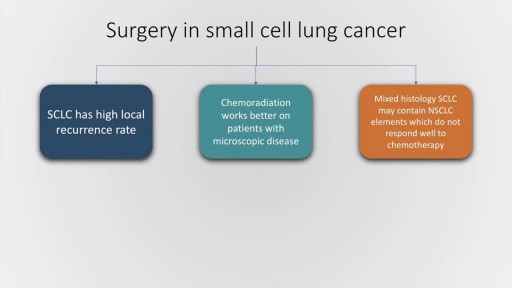
Small cell lung cancer, which occurs almost exclusively in smokers, is a malignancy characterised by rapid doubling time, high growth fraction and widespread metastasis at presentation. In this presentation, we will briefly discuss the classification of pulmonary Neuro-endocrine tumours by the World Health Organisation followed by a detailed discussion of the clinical features, lab evaluation and management of SCLC, both limited and extended stage. The frontline therapy in small cell lung cancer is etoposide and cisplatin along with thoracic radiotherapy and prophylactic cranial irradiation in patients who have a good response to therapy. Hyperfractionation of radiotherapy may provide some benefit but is also associated with increase incidence of complications. Newer agents for SCLC include Vandetanib and immunotherapy molecules, such as Iplimumab and nivolumab.
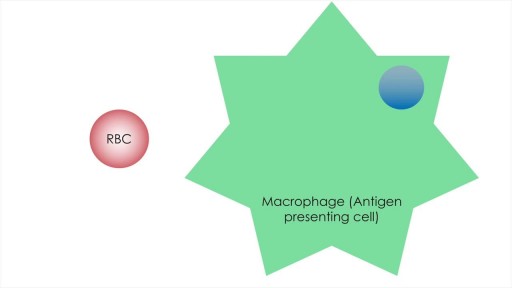
Hemophagocytic lymphohistiocytosis is a rare but life threatening condition characterised by activation of macrophages which result in phagocytosis of RBCs and cytokine mediated tissue damage. This presentation aims to discuss the genetic basis, clinical features, diagnostic criteria and management options in this serious condition. The management options in HLH include Etoposide, Dexamethasone, Cyclosorine, Tacrolimus, Alemtuzumab and stem cell transplant.
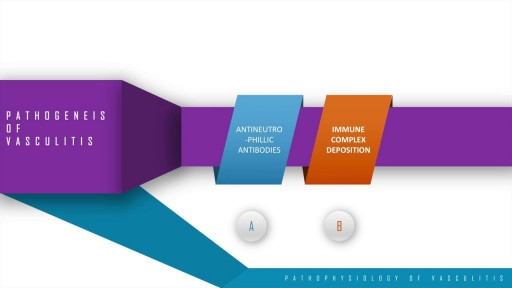
A step wise approach to the pathogenesis, types, disease entities and diagnosis of vasculitis. This discussion also includes the management options of vasculitis and their adverse drug reactions. In essence, vasculitis is a clfinicopathologic process characterised by inflammation and damage of blood vessels. This may be mainly due to three pathological processes which include immune complex deposition, anti-neutrophillic antibody formation and pathological T lymphocyte response and granuloma formation. The disease entities include Wegner's granulomatosis, Churg Strauss and many others. These present with palpable purpura, unexplained renal dysfunction etc which can be diagnosed based on biopsy and angiogram.
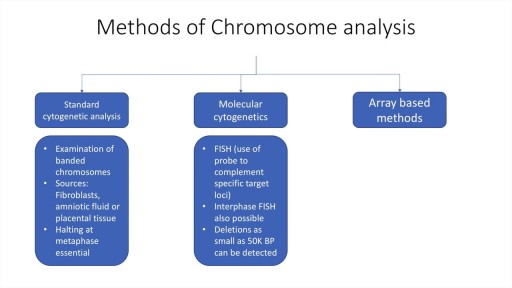
A brief description of the mechanisms, types and assessment of chromosomal analyses. Techniques such as standard cytogenetic testing, FISH and array methods are discussed. Indications for testing in prenatal, neonatal and adult periods are also discussed. Deletions, translocations, inversions etc are described, as are mosaicism and aneuploidy.
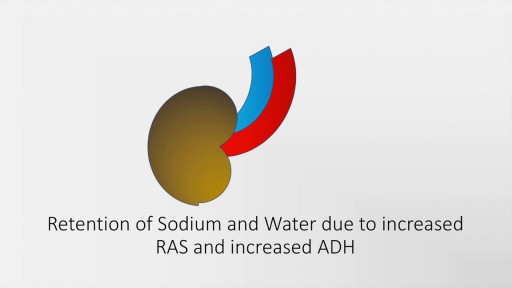
A detailed discussion of the pathophysiology, diagnostic criteria, clinical features and management of hepatorenal syndrome.
Every day, specialists deliver high-quality care in 68 disciplines in health centres across Canada. Yet many Canadians know very little about what many specialists actually do, and the important role these disciplines play in Canada’s health care system.
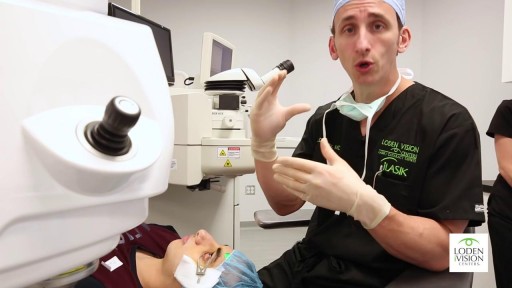
Corneal cross-linking (CXL) is an in-office eye procedure that strengthens the cornea if it's been weakened by keratoconus, other corneal disease, or (rarely) a complication of LASIK surgery. Alternative and brand names for the procedure include corneal cross-linking, corneal collagen cross-linking, C3-R, CCL and KXL.
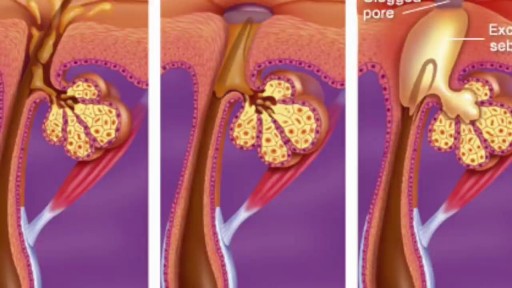
Acne can form several types of skin blemish, each with a distinct appearance and symptoms. Most minor acne blemishes respond to at-home care and over-the-counter medications. However, people with severe or long-term acne should speak with a doctor or dermatologist. Acne affects around 80 percent of adolescents and young adults. About 40–50 million Americans have acne at any given time. The following are common types of blemish associated with acne: whiteheads blackheads pustules, which are commonly called pimples papules cysts nodules Each type of acne lesion requires a different treatment. Receiving prompt, correct treatment can reduce the risk of long-term skin complications, such as dark spots and scarring. Acne blemishes fall into two categories, depending on whether or not they cause inflammation of the surrounding skin. Whiteheads Whiteheads Blackheads blackheads are pockets of oxidized melanin on the surface of the skin Papules Papules Pustules (pimples) Pustules (pimples) Nodules Nodules Cysts pus in a cyst 1of6 Noninflammatory acne types Whiteheads and blackheads are types of noninflammatory acne lesion. They are the least severe forms of acne. Noninflammatory blemishes usually do not cause swelling and are not very painful. Whiteheads The medical term for whiteheads is closed comedones. These are small, whitish or flesh-colored spots or bumps. They usually have a white, circular center surrounded by a red halo. A hair will sometimes emerge from the center of a whitehead, or it may appear to be trapped within the blemish. The skin around a whitehead may appear to be tight or wrinkled, especially when the whitehead is large or especially raised. ADVERTISEMENT Approved NSCLC Treatment - HCP Info & Resources Request A Rep & Discover A Therapy For Stage III NSCLC. www.stage-iii-nsclc-therapy.com Whiteheads typically do not cause scarring. Blackheads Blackheads are also called open comedones. They are small, black or dark-colored spots that may appear as slightly raised bumps. The skin around a blackhead usually appears normal, while the center of the blackhead is darker than the surrounding area. The coloration is not a result of trapped dirt. Blackheads are simply whiteheads that have opened and widened. When the contents of a whitehead are exposed to air, they darken. Treatment options Many over-the-counter rinses, moisturizers, gels, toners, and creams can treat noninflammatory acne blemishes. They often contain a mix of active ingredients. The following ingredients in over-the-counter treatments can help to break down whiteheads and blackheads: benzoyl peroxide salicylic acid sulfur resorcinol Also, several home remedies and lifestyle changes can help to reduce most minor-to-mild forms of noninflammatory acne. It may help to try: washing the face with lukewarm water and soap twice daily washing the whole body every 2 days reducing stress eating a healthful, balanced diet staying hydrated avoiding over-washing or irritating the skin limiting exposure to the sun always wearing sunscreen when outdoors People should never pop acne blemishes. Doing so can lead to complications, such as: nodules cysts scarring dark spots pitting Inflammatory acne types Inflammatory acne blemishes include: papules pustules nodules cysts Inflammatory acne is more severe than noninflammatory acne, and this type is more likely to cause complications, such as scarring or pitting. Blemishes or lesions that are inflamed, or red, swollen, and warm to the touch can result from inflammatory acne. Minor-to-mild forms Papules Papules are bumps under the skin's surface. They are solid, tender, pink, and raised, and the skin around a papule is usually slightly swollen and red. Unlike whiteheads, papules have no visible center. Unlike blackheads, the pores of a papule do not appear to be widened. Papules develop when whiteheads or blackheads cause so much irritation that they damage some of the surrounding skin. The damage leads to inflammation. Pustules (pimples) Pustules are larger, tender bumps with a defined circular center. The center is filled with whitish or yellowish pus, and the bump has a pink or red base. Immune cells and bacterial cells collect to form this pus. Pustules typically look like much larger and more inflamed whiteheads. Treatment options Several home remedies and over-the-counter medications can treat minor-to-mild papules and pustules. The following tips can help: washing the affected area with cool water and soap using clean hands or a clean, gentle facecloth twice a day applying a warm compress or cloth to the affected area for 10–15 minutes to encourage trapped debris to rise to the surface using products with benzoyl peroxide to combat bacteria using products with salicylic acid to remove dead skin cells and other debris How do you prevent pimples? How do you prevent pimples? How can you prevent pimples from forming? Learn 15 methods of prevention here, including home remedies, lifestyle changes, and diet tips. READ NOW Moderate-to-severe forms Nodules Nodules are hard, painful, inflamed lumps located deep within the skin. They look like larger, deeper papules and have no visible center or head. This type of acne lesion develops when clogged pores damage tissues and cells deep beneath the skin's surface. Nodules are a severe form of acne blemish, and they can cause skin complications such as dark spots or scarring. Cysts Cysts are very large, soft, painful, red or white lumps situated deep in the skin. They are filled with pus. Cysts form deeper within the skin than nodules, and they are the most severe type of acne blemish. Cysts can also cause skin complications, such as scarring. Treatment options People cannot treat moderate-to-severe inflammatory blemishes at home. These lesions require care from a doctor or dermatologist. The doctor can use many products and procedures to treat nodules and cysts. These include: antibiotics, such as tetracycline, doxycycline, and amoxicillin topical corticosteroids oral contraceptives for hormonal-related acne systematic retinoids, such as isotretinoin steroid injections chemical peels photodynamic therapy to combat bacteria drainage and extraction to remove large cysts What causes acne? young woman with forehead acne When a pore becomes clogged, acne can develop. Normally, dead cells collect in the skin's pores, then slowly rise to the surface of the openings and eventually fall away from the skin. A natural body oil called sebum helps to prevent skin cells from drying out. The glands that produce this oil are attached to the pores. When excess sebum builds up, it can cause dead cells to stick together, forming a mixture that becomes trapped in the pores. Acne occurs when a pore becomes clogged with dead skin cells, natural body oils, and a type of bacteria. These bacteria live on the skin and are called Propionibacterium acnes. If they enter and infect clogged pores, this causes acne blemishes to form. When to see a doctor In cases of minor-to-moderate acne, a person will generally have to use home and over-the-counter remedies consistently for 4–8 weeks before they see results. More severe inflammatory types of acne tend to take much longer to clear up. Speak to a doctor or dermatologist if whiteheads, blackheads, papules, or pustules: are severe do not respond to over-the-counter medications are very painful are very large bleed a lot release a lot of pus cover a significant portion of the face or body cause emotional distress develop very close to sensitive areas, such as the eyes or lips Most active ingredients in over-the-counter products are available in prescription-strength treatments. Dermatologists can also remove lesions that are very large or persistent. They can also remove those that do not respond to other forms of treatment. Always see a doctor or dermatologist about nodules and cysts, because these require medical care. Untreated nodules and cysts and those that have been picked or popped can cause scarring.

Cigarette contain tobacco that is very harmful but vaporizers does not contain tobacco. ... The most basic difference between vaping and cigarette usage is that cigarettes require combustion. You need fire to light a cigarette. On the other hand, vaping requires electricity and creates vapor.
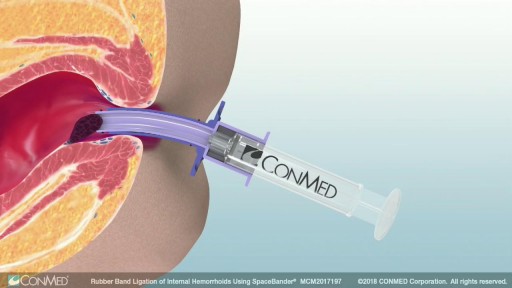
Rubber band ligation is a procedure in which the hemorrhoid is tied off at its base with rubber bands, cutting off the blood flow to the hemorrhoid. This treatment is only for internal hemorrhoids. To do this procedure, a doctor inserts a viewing instrument (anoscope) into the anus. The hemorrhoid is grasped with an instrument, and a device places a rubber band around the base of the hemorrhoid. The hemorrhoid then shrinks and dies and, in about a week, falls off. A scar will form in place of the hemorrhoid, holding nearby veins so they don't bulge into the anal canal. The procedure is done in a doctor's office. You will be asked whether the rubber bands feel too tight. If the bands are extremely painful, a medicine may be injected into the banded hemorrhoids to numb them. After the procedure, you may feel pain and have a sensation of fullness in the lower abdomen. Or you may feel as if you need to have a bowel movement. Treatment is limited to 1 to 2 hemorrhoids at a time if done in the doctor's office. Several hemorrhoids may be treated at one time if the person has general anesthesia. Additional areas may be treated at 4- to 6-week intervals.
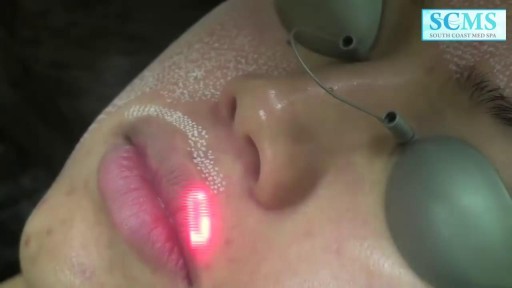
Removing acne scars with laser
