
ویدیوهای برتر


**PLEASE READ FULLY
Purpose of the video is to help Esthetician’s review chapters in their text book to better prepare for State Bord testing, by simply reading and going over some of the material, it’s not intended to replace any teaching from any Beauty College. Every instructor does things different, Keep in mind I am in the state of Texas, also keep in mind that when in school students are to follow guidelines and might be required to do things a bit different, I teach my students the text book because that is where the state board questions come from and the goal is for them to pass their board exams. I also teach them and go over real working situations they might come across in the salon or spa.
* I am not affiliated with TDLR or PSI in any way
PSI Bulletin Link
https://candidate.psiexams.com/bulletin/display_bulletin.jsp?ro=yes&actionname=83&bulletinid=173&bulletinurl=.pdf
Glymed store: https://glymedplus.io/home/index?store=0011298
email: glamandbeyondinfo@gmail.com
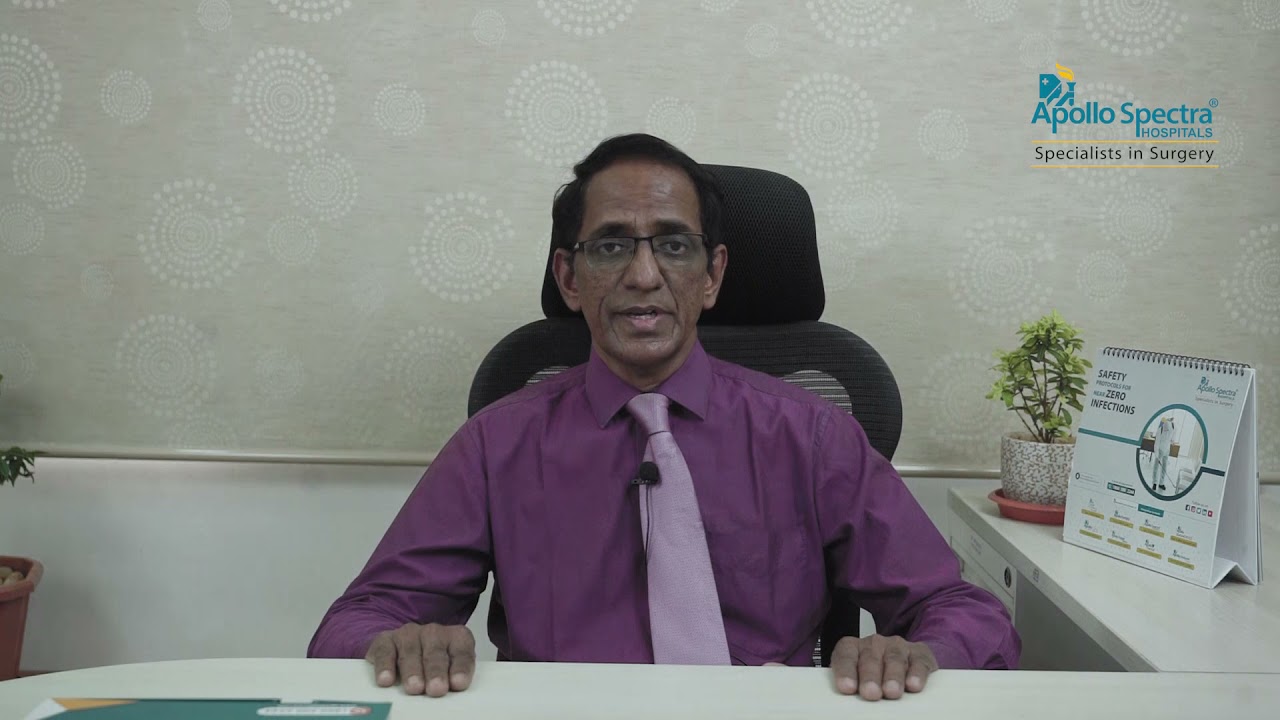
Dr. Mohan Rao, Senior General & Laparoscopic consultant at Apollo Spectra Hospitals, MRC Nagar explains How can one self-examination of Hernia be done

The dentin is a hard tissue that forms the bulk of the tooth. It is similar to bone but is slightly harder, although softer than enamel. The dentin has numerous dentinal tubules that run across its length. Each dentinal tubule houses the cytoplasmic process of an odontoblast (odontoblastic process).
📄Notes for the video: https://www.hackdentistry.com/....bundles/revision-nin
💻Website: https://www.hackdentistry.com/
📰Blog: https://hackdentistry.substack.com/
Study resources on our website-
📖Oral pathology Revision Ninja (Notes, Videos & MCQs): https://www.hackdentistry.com/bundles/oral-pathology-revision-ninja
📖Oral Histology Revision Ninja (Notes, Videos & MCQs): https://www.hackdentistry.com/....bundles/revision-nin
📖Periodontics Revision Ninja (Notes & MCQs): https://www.hackdentistry.com/bundles/perio-rn
📖Question Bank: https://www.hackdentistry.com/bundles/question-bank
📖Access all content: https://www.hackdentistry.com/bundles/all-access-premium
References and further reading:
💡Berkovitz BKB, Hollan GR, Moxham BJ. Oral Anatomy, Histology and Embryology. 4th ed. Mosby Elsevier; 2009.
💡Nanci A. Tencate’s Oral Histology. Development, Structure and Function. 8th ed. Elsevier; 2013.
💡Kumar GS. Orban’s Oral Histology and Embryology.13th ed. Elsevier; 2011.
💡Avery JK. Oral development and Histology. 3rd ed. Thieme Medical Publishers; 2002.
Log in to https://www.hackdentistry.com and get access to:
I) Numerous Notes/Cheatsheets and Videos II) Thousands of quiz questions from our vast Question Bank!
HackDentistry is an edtech company that aims make learning dentistry fun,engaging and light hearted.
1) It focuses on helping students understand and retain core concepts in dentistry through highly visual sketch/whiteboard style video animations.
2) The platform helps improve exam performance by providing Revision Bundles and allowing students to test themselves using thousands of Practice Questions from a vast Question Bank. (multiple choice format).
3) It also provides for a community platform where students can come together, and engage with fellow dental students and dentists across the globe!
Facebook:
https://www.facebook.com/hackdentistry
Instagram:
https://www.instagram.com/hack.dentistry/
Twitter:
https://twitter.com/hckdentistry
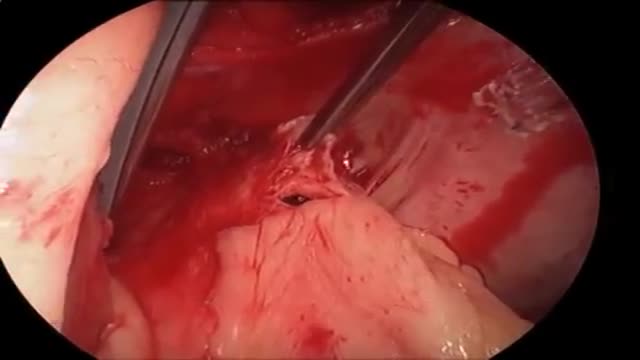
Pulmonary embolism symptoms can vary greatly, depending on how much of your lung is involved, the size of the clots, and whether you have underlying lung or heart disease. Common signs and symptoms include: Shortness of breath. This symptom typically appears suddenly and always gets worse with exertion. Chest pain. You may feel like you're having a heart attack. The pain may become worse when you breathe deeply (pleurisy), cough, eat, bend or stoop. The pain will get worse with exertion but won't go away when you rest. Cough. The cough may produce bloody or blood-streaked sputum. Other signs and symptoms that can occur with pulmonary embolism include: Leg pain or swelling, or both, usually in the calf Clammy or discolored skin (cyanosis) Fever Excessive sweating Rapid or irregular heartbeat Lightheadedness or dizziness

Emergency Physical Examination Lecture
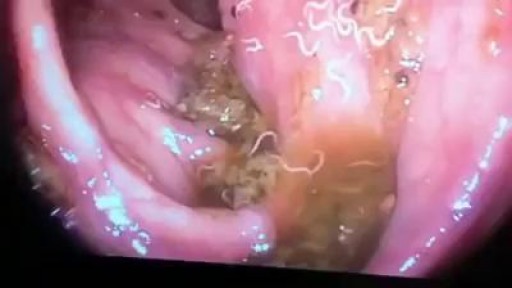
Worms Inside Human Stomach

This video: Pancreatic cancer begins in the tissues of your pancreas — an organ in your abdomen that lies horizontally behind the lower part of your stomach. Your pancreas secretes enzymes that aid digestion and hormones that help regulate the metabolism of sugars. Pancreatic cancer often has a poor prognosis, even when diagnosed early. Pancreatic cancer typically spreads rapidly and is seldom detected in its early stages, which is a major reason why it's a leading cause of cancer death. Signs and symptoms may not appear until pancreatic cancer is quite advanced and complete surgical removal isn't possible.

Ptosis is when the upper eyelid droops over the eye. The eyelid may droop just a little, or so much that it covers the pupil (the black dot at the center of your eye that lets light in). Ptosis can limit or even completely block normal vision. Children and adults can have ptosis. Fortunately, this condition can be treated to improve vision as well as appearance.
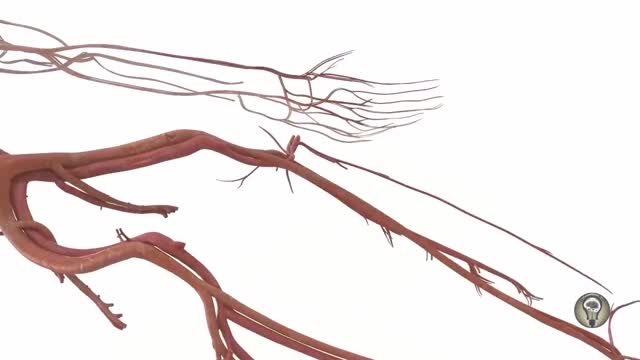
An unnamed Russian scientist has introduced the concept of a device that attaches to the wall of the artery. It would first stop blood flow to the area to prevent breakaway plaque. A drill would then scrape the plaque from the artery wall. The procedure of treating plaque buildup could include bypass surgery, stent replacement and balloon angioplasty. Since the plaques are of different types and locations in the body, the inventor proposed using different types of cutting mills.
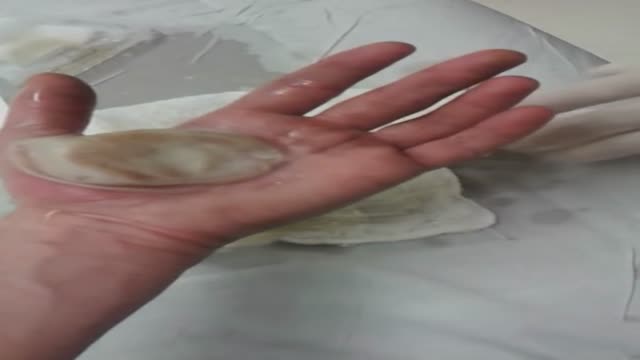
soaking the wound in cool water for five minutes or longer. taking acetaminophen or ibuprofen for pain relief. applying lidocaine (an anesthetic) with aloe vera gel or cream to soothe the skin. using an antibiotic ointment and loose gauze to protect the affected area.
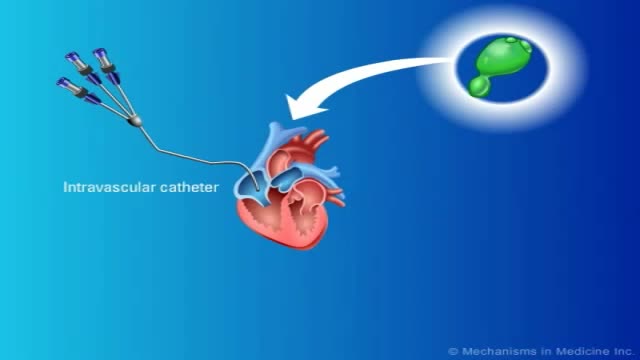
Fungal infections in bone marrow transplant patients. PURPOSE OF REVIEW: Invasive fungal infections have become the leading infectious cause of death in recipients of hematopoietic cell transplantation. Several factors have led to a renaissance in the study of invasive fungal infections.
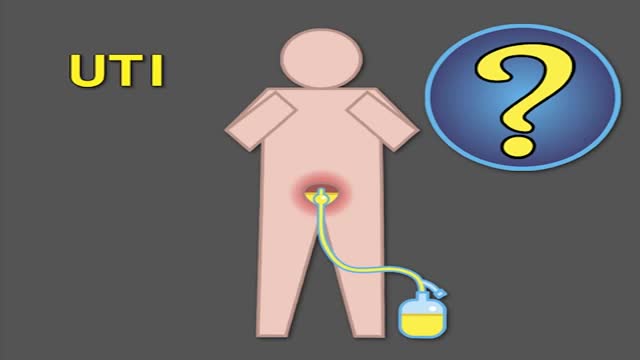
Indwelling urinary catheters are commonly used in hospitals and can lead to preventable catheter-associated UTI. How can rates of catheter-associated UTI be reduced in hospitals? New research findings are summarized in a new NEJM Quick Take. Learn more at http://nej.md/1WoeHdF SHOW MORE
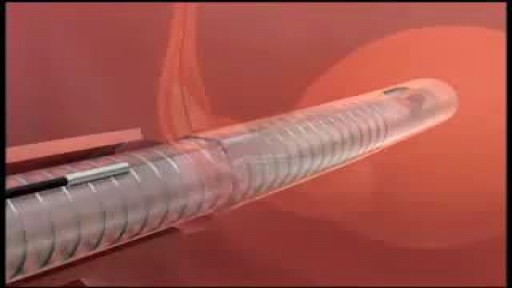
Male Urethral Prostate Stent/Catheter.Removal and insertion.
Bone marrow examination refers to the pathologic analysis of samples of bone marrow obtained by bone marrow biopsy (often called a trephine biopsy) and bone marrow aspiration. Bone marrow examination is used in the diagnosis of a number of conditions, including leukemia, multiple myeloma, anemia, and pancytopenia. The bone marrow produces the cellular elements of the blood, including platelets, red blood cells and white blood cells. While much information can be gleaned by testing the blood itself (drawn from a vein by phlebotomy), it is sometimes necessary to examine the source of the blood cells in the bone marrow to obtain more information on hematopoiesis; this is the role of bone marrow aspiration and biopsy.
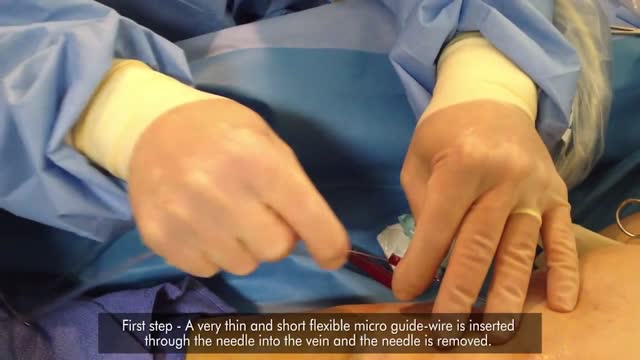
It can treat spider veins and tiny varicose veins just under the skin's surface. ... (If you have poor blood circulation feeding these tiny veins, the larger "feeder" vein must first be treated with surgery, endovenous laser or radiofrequency treatment, or sclerotherapy.) Endovenous laser treatment.
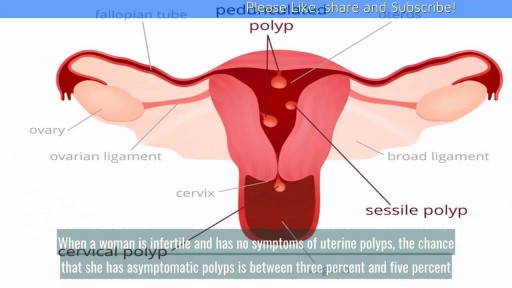
Uterine polyps, also called endometrial polyps, are usually small, bulb-shaped masses of endometrial tissue attached to the uterus by a stalk. They are soft, as opposed to uterine fibroids, which can grow much bigger and are made of hard muscle.
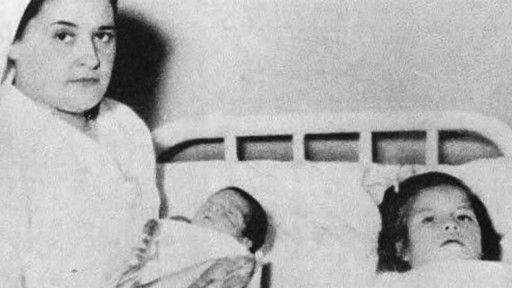
Real Story: Youngest Mother In History (5 years old) Pregnant FIVE YEAR OLD! Youngest Mother In The World, Lina Medina's True Story!
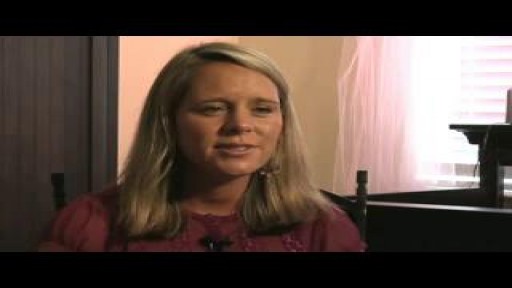
In this video, Jenna talks about Braxton Hicks contractions and preparing for labor.
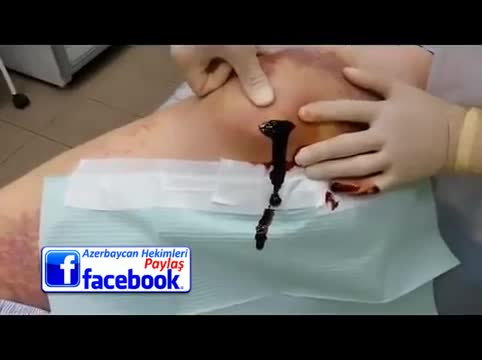
There are several types of hematomas and they are often described based on their location. Examples of hematomas include subdural, spinal, under the finger or toenail bed (subungual), ear, and liver (hepatic).
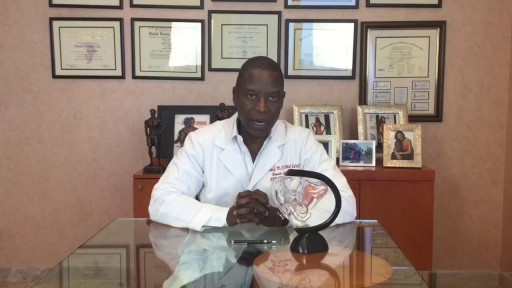
The G-SHOT® (clinical description: G-Spot Amplification™ or GSA™), is a simple, nonsurgical, physician-administered treatment that can temporarily augment the Grafenburg spot (G-Spot) in sexually active women with normal sexual function.
