
- Physical Examination
- Surgical Examination
- Ophthalmology
- Clinical Skills
- Orthopedics
- Surgery Videos
- Laparoscopy
- Pediatrics
- Funny Videos
- Cardiothoracic Surgery
- Nursing Videos
- Plastic Surgery
- Otorhinolaryngology
- Histology and Histopathology
- Neurosurgery
- Dermatology
- Pediatric Surgery
- Urology
- Dentistry
- Oncology and Cancers
- Anatomy Videos
- Health and Fitness
- Radiology
- Anaesthesia
- Physical Therapy
- Pharmacology
- Interventional Radiology
- Cardiology
- Endocrinology
- Gynecology
- Emergency Medicine
- Psychiatry and Psychology
- Childbirth Videos
- General Medical Videos
- Nephrology
- Physiology
- Diet and Food Health
- Diabetes Mellitus
- Neurology
- Women Health
- Osteoporosis
- Gastroenterology
- Pulmonology
- Hematology
- Rheumatology
- Toxicology
- Nuclear Medicine
- Infectious Diseases
- Vascular Disease
- Reproductive Health
- Burns and Wound Healing
- Other
Top videos
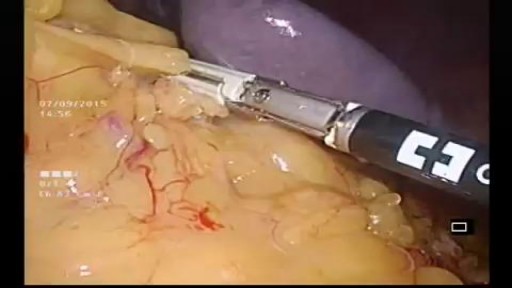

Case of ITP with persistent very low platelet count despite best medical management
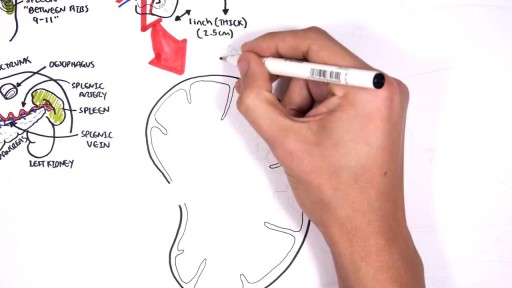
The spleen is an organ in the upper far left part of the abdomen, to the left of the stomach. The spleen varies in size and shape between people, but it’s commonly fist-shaped, purple, and about 4 inches long. Because the spleen is protected by the rib cage, you can’t easily feel it unless it’s abnormally enlarged. The spleen plays multiple supporting roles in the body. It acts as a filter for blood as part of the immune system. Old red blood cells are recycled in the spleen, and platelets and white blood cells are stored there. The spleen also helps fight certain kinds of bacteria that cause pneumonia and meningitis.
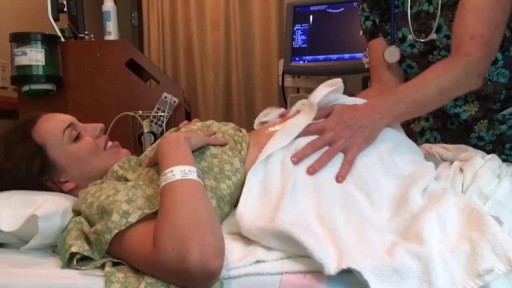
Successful External Cephalic Version (ECV) - Turning a breech baby in less than 30 seconds!
My baby is breech. Is it okay to get an external cephalic version (ECV)?
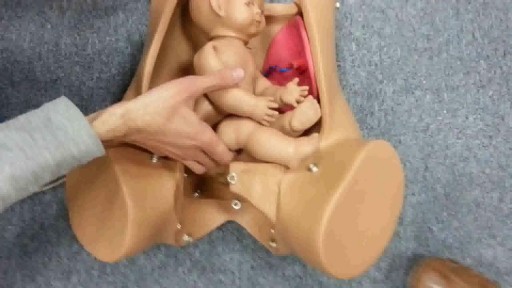
External cephalic version is a process by which a breech baby can sometimes be turned from buttocks or foot first to head first. External cephalic version (ECV) is a manual procedure that is advocated by national guidelines for breech presentation singleton pregnancy, in order to enable vaginal delivery.
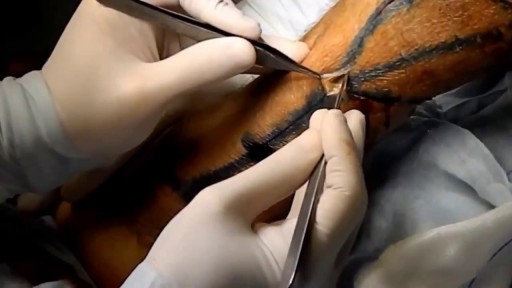
Reverse sural flap for ankle and heel soft tissues reconstruction
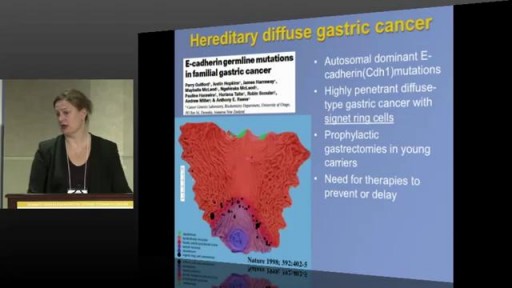
Stomach cancer usually begins in the mucus-producing cells that line the stomach. This type of cancer is called adenocarcinoma. For the past several decades, rates of cancer in the main part of the stomach (stomach body) have been falling worldwide. During the same period, cancer in the area where the top part of the stomach (cardia) meets the lower end of the swallowing tube (esophagus) has become much more common. This area of the stomach is called the gastroesophageal junction.

Ejaculating into a partner’s mouth is a common practice during oral sex/fellatio. In a safe situation (where there is no danger of catching an STD), the semen-receiving partner may choose to spit the semen out, or to swallow it. Before you engage in fellatio, I’d recommend that you and your partner both get tested for sexually transmitted infections (STIs). If not, please use barriers for oral sex and abstaining from making contact with ejaculate. Semen is mostly water, but also contains amino acids and protein, sugars such as fructose and glucose, minerals such as zinc and calcium, vitamin C, and a few other nutrients. Sperm cells themselves make up less than one percent of semen. Semen is edible, and if swallowed, will travel down the esophagus and into the stomach, where it will be digested in the same way that food is. You can never get pregnant by swallowing semen. Some people accept the taste of semen, but others complain that swallowing semen can give them an upset stomach. In rare cases, you may have an allergy to the proteins found in semen. What does It Taste Like? The taste of semen varies. Bitter, sweet, metallic. So, one may expect to find the taste of semen anywhere from enjoyable to tasteless to disgusting. But there is a way of controlling the taste of semen, which is through diet. Keep track of the diet, and communicate with the partner about when it tastes better or worse.
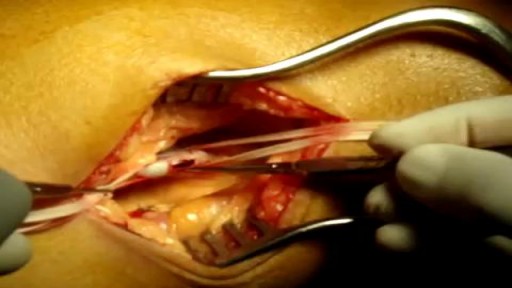
popliteal embolectomy; medial approach using a 4 f fogarty catheter
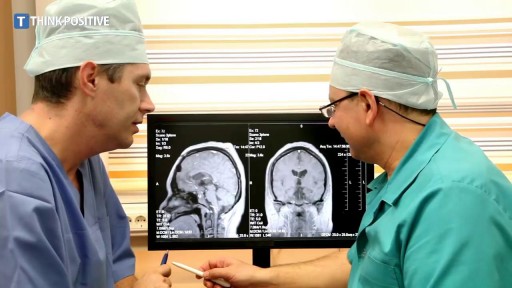
Ellie was born with a rare condition which stopped her jawbones from growing properly. At first, her parents didn't realize there was a problem, apart from the fact that her teeth were not aligned. But when she went to have braces fitted to straighten her teeth when she was 14, orthodontist Joy Hickman realized her jaw had not grown since she was eight. Over the next six years Hickman worked with a maxillofacial surgeon to transform Ellie's looks. Ellie, who is now 20, said the surgery was painful but paid almost immediate dividends. "About six months after it was my year 11 prom and it looked good." Ellie told the Daily Post the change in her appearance has been matched by an increase in confidence.

The testicles are located inside a loose bag of skin (scrotum) underneath the penis. Symptoms include a lump in either testicle and a feeling of heaviness in the scrotum. Treatments include surgery, radiation, and chemotherapy.
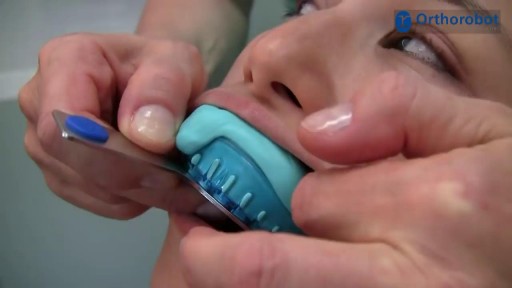
A short introduction on how to take a correction impression. The shown materials are recommended by Orthorobot and have proven to be fully compatible with the Orthorobot lab procedure.

Traditionally, the appendix is removed through an incision in the right lower abdominal wall. In most laparoscopic appendectomies, surgeons operate through 3 small incisions (each ¼ to ½ inch) while watching an enlarged image of the patient's internal organs on a television monitor.
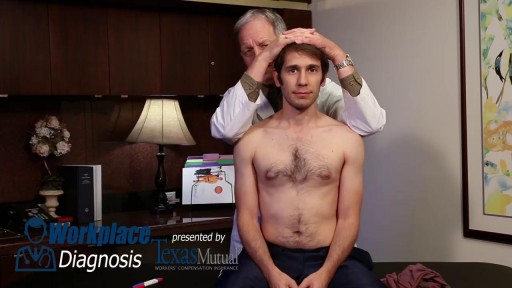
A spinal cord injury is not the sort of thing you have to wonder about having. If you've suffered a spinal cord injury, your life is in danger, and you'll know you're injured. You can't use symptoms to diagnose the sort of spinal cord injury you have, and every patient's prognosis is different. Some make a miraculous recovery within months; others need years of physical therapy and still make little to no progress.

Multiple sclerosis causes many different symptoms, including vision loss, pain, fatigue, and impaired coordination. The symptoms, severity, and duration can vary from person to person. Some people may be symptom free most of their lives, while others can have severe chronic symptoms that never go away.
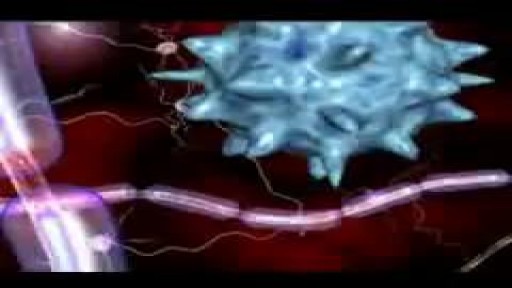
Multiple sclerosis (MS) involves an immune-mediated process in which an abnormal response of the body’s immune system is directed against the central nervous system (CNS). The CNS is made up of the brain, spinal cord and optic nerves. Within the CNS, the immune system causes inflammation that damages myelin — the fatty substance that surrounds and insulates the nerve fibers — as well as the nerve fibers themselves, and the specialized cells that make myelin. When myelin or nerve fibers are damaged or destroyed in MS, messages within the CNS are altered or stopped completely. Damage to areas of the CNS may produce a variety of neurological symptoms that will vary among people with MS in type and severity The damaged areas develop scar tissue which gives the disease its name – multiple areas of scarring or multiple sclerosis. The cause of MS is not known, but it is believed to involve genetic susceptibility, abnormalities in the immune system and environmental factors that combine to trigger the disease. People with MS typically experience one of four disease courses. There are over a dozen treatments to help modify the MS disease process.

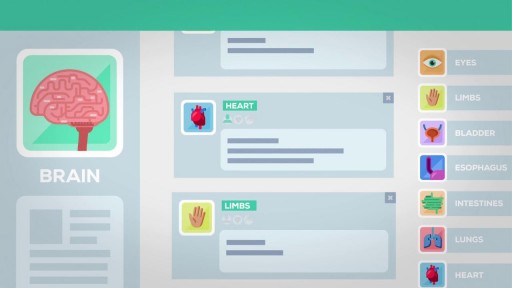
Multiple sclerosis (MS) is a disease of the central nervous system estimated to affect 2.3 million people worldwide. It is a chronic disease in which the immune system abnormally attacks the insulation and support around the nerve cells (myelin sheath) in the brain, spinal cord and optic nerves, causing inflammation and consequent damage. MS is a leading cause of non-traumatic disability in young people, usually striking between 20 and 40 years of age. There is no cure for MS, but research continues to better understand and treat the disease.
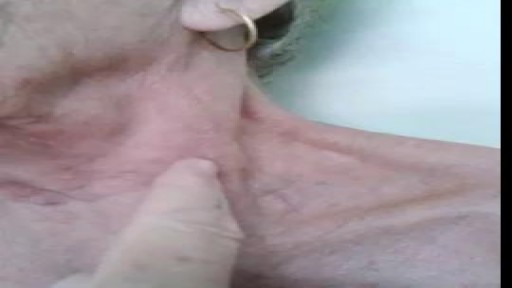
The superior vena cava is a major vein in a person's body. It carries blood from the head, neck, upper chest, and arms to the heart. Superior vena cava syndrome (SVCS) occurs when a person's superior vena cava is partially blocked or compressed. Cancer is usually the main cause of SVCS.
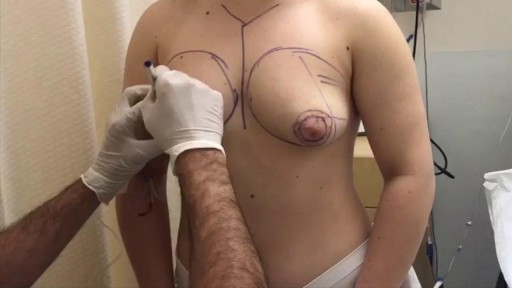
Tuberous breast deformity is a congenital breast anomaly that becomes manifest at the time of puberty and breast development. The three components of tubular deformity usually include, pseudoherniation of breast tissue into the nipple areolar complex, poorly defined inframammary fold and flattening of the lower pole of the breast which leads to a conical tubular shape. Stuart Linder M.D. 9675 BRIGHTON WAY, SUITE 420 BEVERLY HILLS CA 90210 (310) 275-4513
