
- Physical Examination
- Surgical Examination
- Ophthalmology
- Clinical Skills
- Orthopedics
- Surgery Videos
- Laparoscopy
- Pediatrics
- Funny Videos
- Cardiothoracic Surgery
- Nursing Videos
- Plastic Surgery
- Otorhinolaryngology
- Histology and Histopathology
- Neurosurgery
- Dermatology
- Pediatric Surgery
- Urology
- Dentistry
- Oncology and Cancers
- Anatomy Videos
- Health and Fitness
- Radiology
- Anaesthesia
- Physical Therapy
- Pharmacology
- Interventional Radiology
- Cardiology
- Endocrinology
- Gynecology
- Emergency Medicine
- Psychiatry and Psychology
- Childbirth Videos
- General Medical Videos
- Nephrology
- Physiology
- Diet and Food Health
- Diabetes Mellitus
- Neurology
- Women Health
- Osteoporosis
- Gastroenterology
- Pulmonology
- Hematology
- Rheumatology
- Toxicology
- Nuclear Medicine
- Infectious Diseases
- Vascular Disease
- Reproductive Health
- Burns and Wound Healing
- Other
Top videos
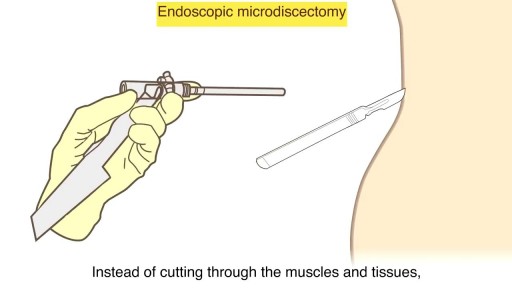

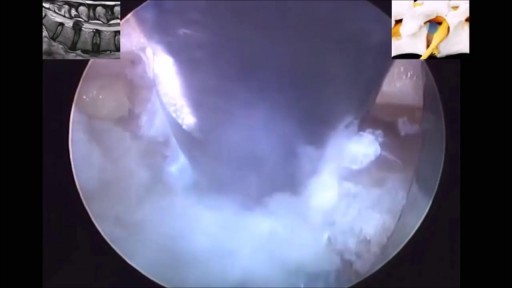
If you have been diagnosed with a bulging disc, you are not alone. Bulging discs, also known as a disc protrusion, are a very common occurrence. They usually remain asymptomatic; however, they can cause discomfort and disability in various parts of the body if the disc compresses an adjacent nerve root or the spinal cord. As we age, the outer fibrous portion of our discs can weaken. Pressure from the central core of the disc can then stretch to the outer rim, causing the disc to bulge. If left untreated, the disc can continue to bulge until it tears, which is classified as a herniated disc.
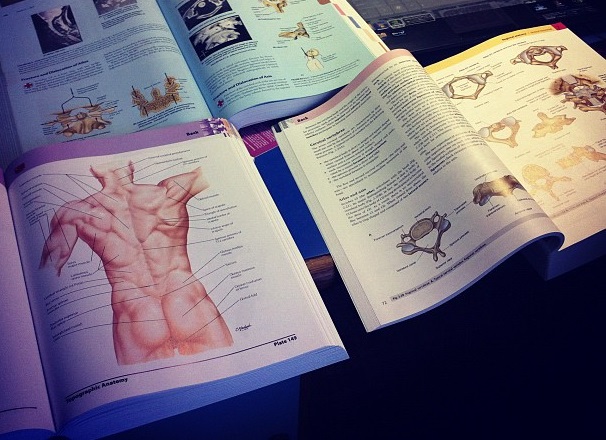
Watch that video to learn How to Study The Human Anatomy
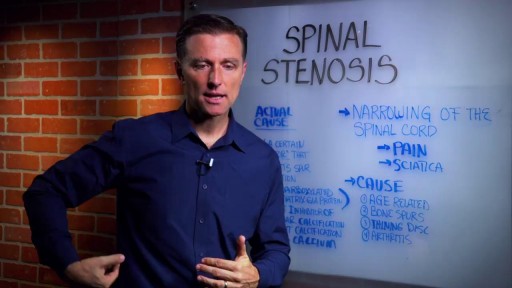
Spinal stenosis can put pressure on the spinal cord and the nerves within the spine. It commonly occurs in the neck and lower back. The condition is often caused by age-related wear and tear. Symptoms, if they occur, include pain, numbness, muscle weakness, and impaired bladder or bowel control. Treatment includes medication, physical therapy, and possibly surgery
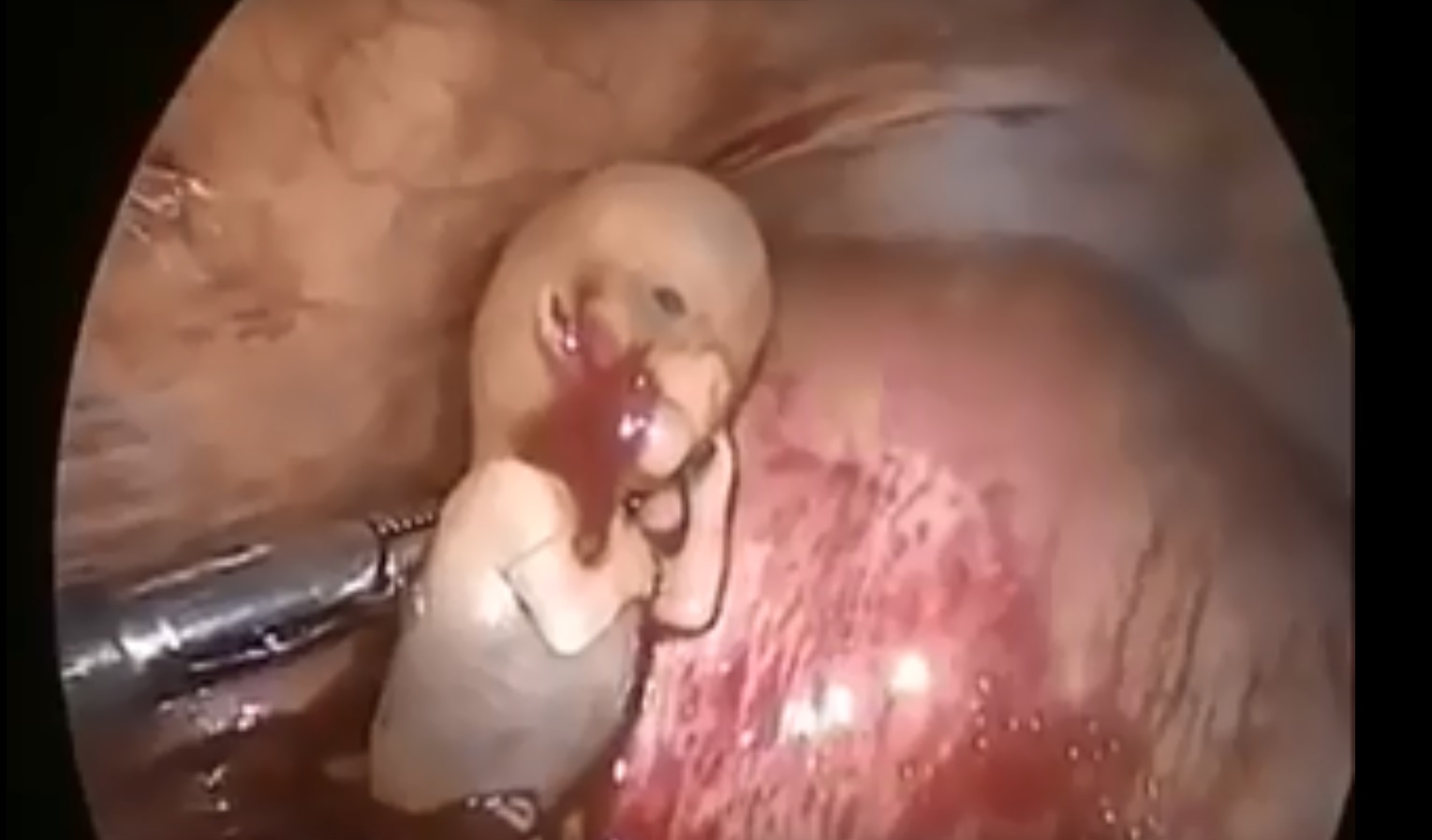
Watch that Ectopic Pregnancy Abortion Surgery
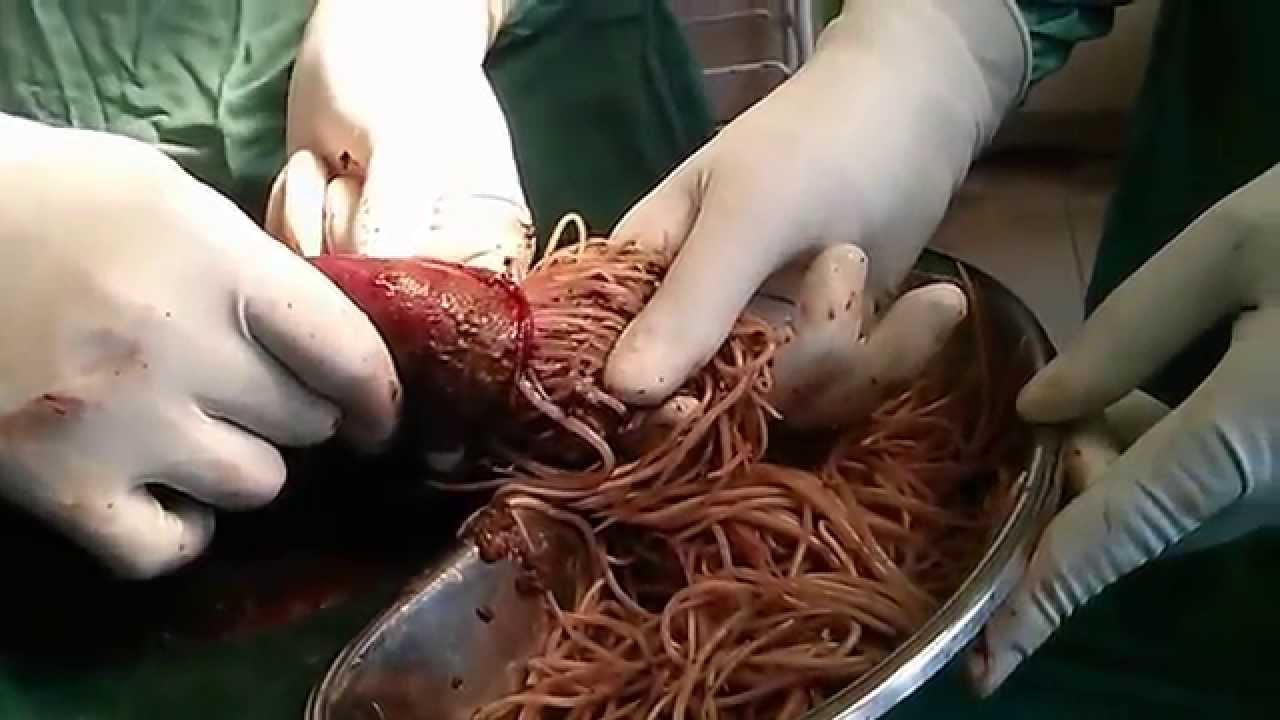
Watch that video of Bodybuilder's Colon Contains 10 lbs of Meat Worms
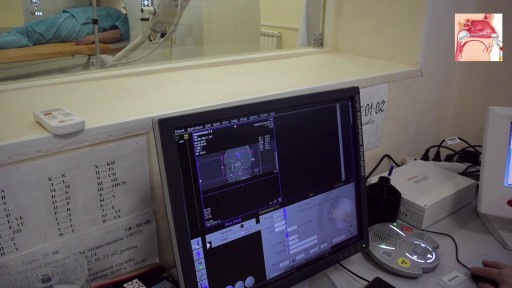
New Treatment for sinusitis. Yamik procedure
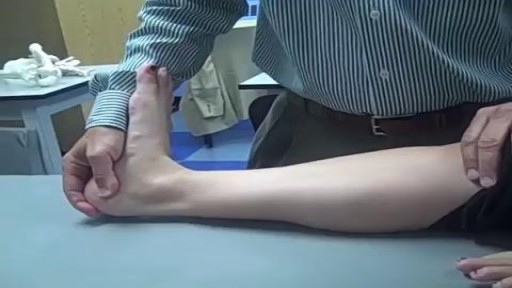
Homan’s sign test also called dorsiflexon sign test is a physical examination procedure that is used to test for Deep Vein Thrombosis (DVT). A positive Homan’s sign in the presence of other clinical signs may be a quick indicator of DVT. Clinical evaluation alone cannot be relied on for patient management, but when carefully performed, it remains useful in determining the need for additional testing (like D-dimer test, ultrasonography, multidetector helical computed axial tomography (CT), and pulmonary angiography) [1][2].
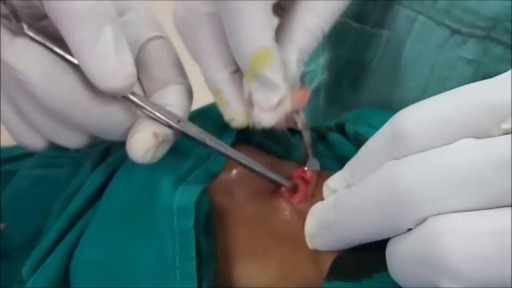
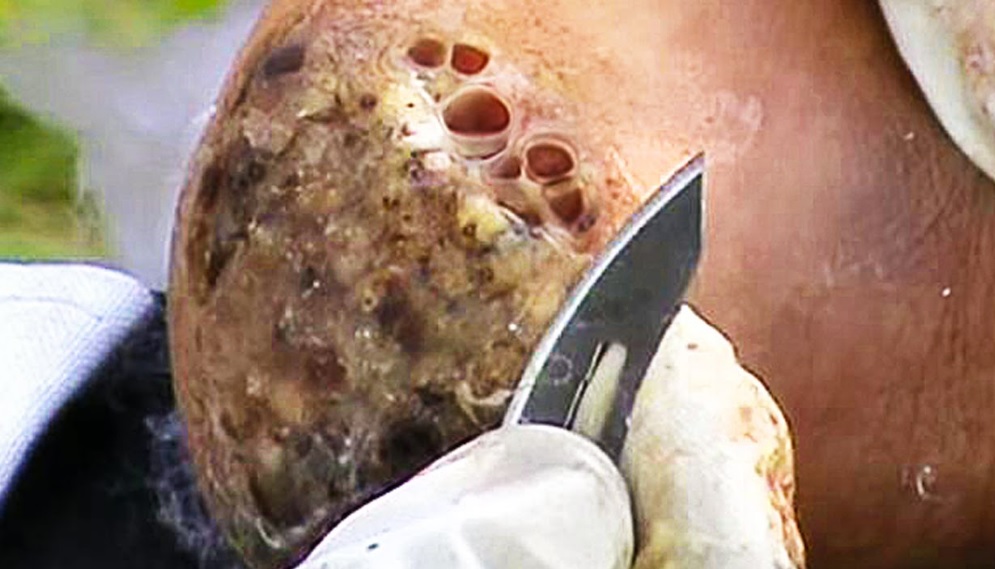
Watch that video of The Worst skin Jiggers Removals

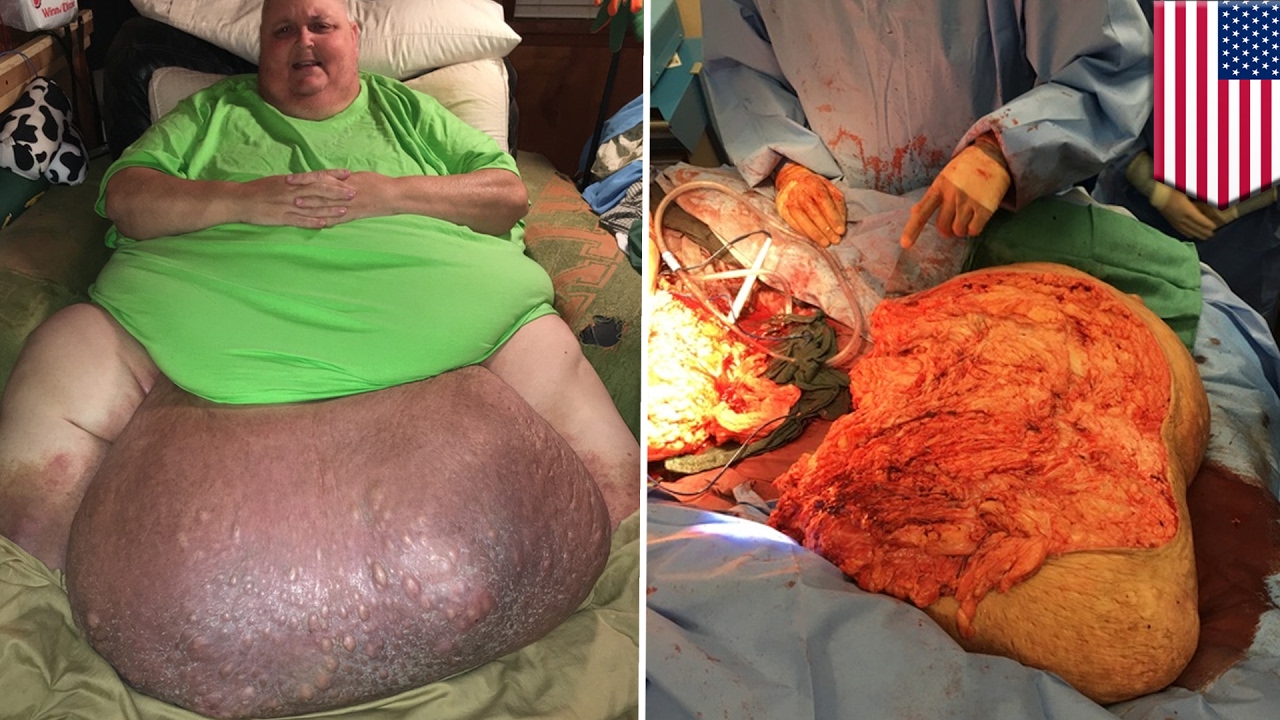
Watch that video of an Ingrown hair turned into 140-pound tumor in man’s stomach
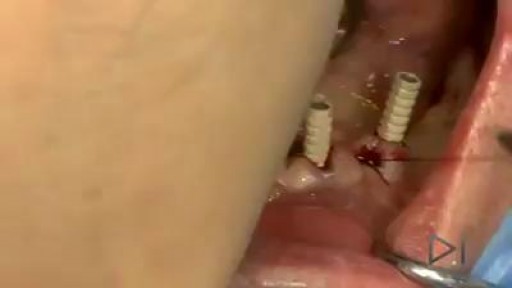
Dental implant surgery
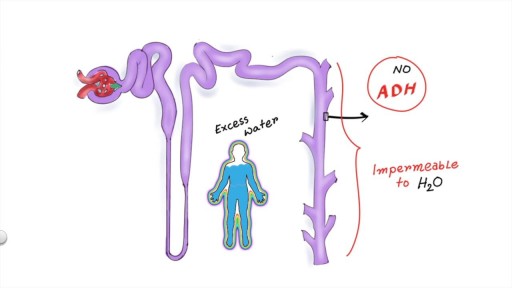
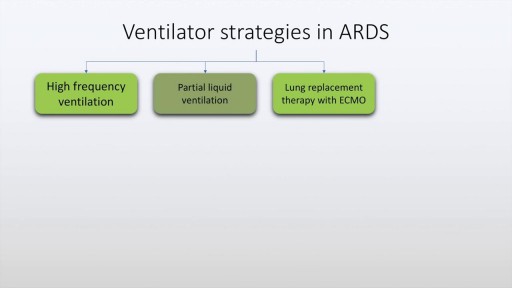
Acute respiratory distress syndrome is characterised by rapid onset dyspnea, bilateral infiltrates on chest x-ray and respiratory failure. This may be due to conditions which directly affect the lung such as pneumonia, aspiration and near drowning. It may also be due to indirect lung injury, as in conditions like sepsis, pancreatitis, trauma and poisoning. The diagnostic criteria of ARDS, often described as the Berlin criteria is discussed in this presentation along with various management aspects of ARDS including ventilation strategies and use of antibiotics and diuretics. Finally prognostic features and alternative strategies are also discussed.
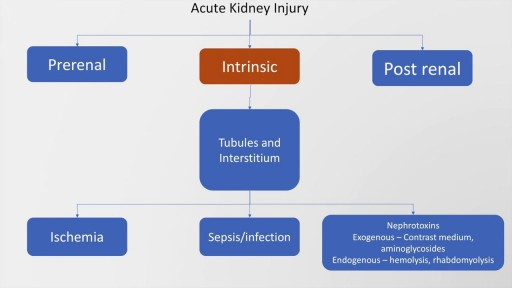
Acute kidney injury is common entity in medical practice. The present definition is based on a serum creatinine rise of more 0.3 mg/dl in 48 hours or less, a 50% increase from the baseline over a period of 07 days or a urine output of less than 0.5 ml/kg/hour for more than 06 hours. The main causes of acute kidney injury may be classified into pre renal, intrinsic or post renal causes. Rapid diagnosis and prompt treatment is essential to prevent mortality or morbidity. This presentation discusses in detail the causes of all three mechanisms, pre-renal, post renal and intrinsic.
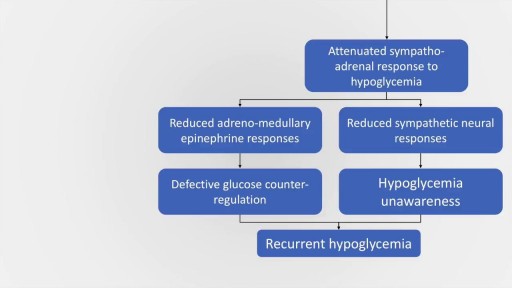
Hypoglycemia is a common and serious medical emergency which may occur in both daibetic and non-diabetic patients. The signs and symptoms of hypoglycaemia may be present in many individuals, but may also be masked in several individuals due to a condition called hypoglycaemia induced autonomic failure. This presentation aims to deal with the causes, clinical features, diagnosis and management of various causes of hypoglycaemia. The causes of hypoglycaemia may be divided into hypoglycaemia in ill or medicated individuals and hypoglycaemia in previously asymptomatic individuals. A variety of causes are discussed under both headings. Management of hypoglycaemia is also discussed in detail. There is also a brief discussion about management of insulinoma.
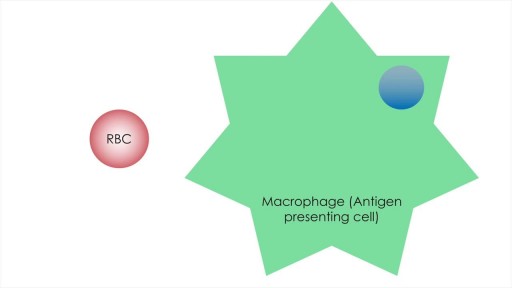
Hemophagocytic lymphohistiocytosis is a rare but life threatening condition characterised by activation of macrophages which result in phagocytosis of RBCs and cytokine mediated tissue damage. This presentation aims to discuss the genetic basis, clinical features, diagnostic criteria and management options in this serious condition. The management options in HLH include Etoposide, Dexamethasone, Cyclosorine, Tacrolimus, Alemtuzumab and stem cell transplant.
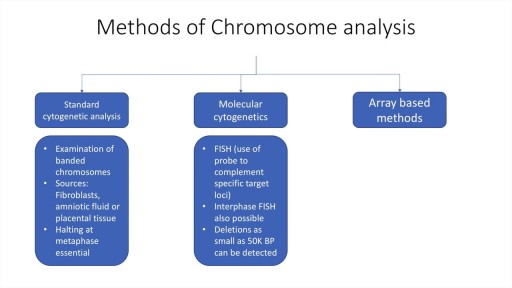
A brief description of the mechanisms, types and assessment of chromosomal analyses. Techniques such as standard cytogenetic testing, FISH and array methods are discussed. Indications for testing in prenatal, neonatal and adult periods are also discussed. Deletions, translocations, inversions etc are described, as are mosaicism and aneuploidy.
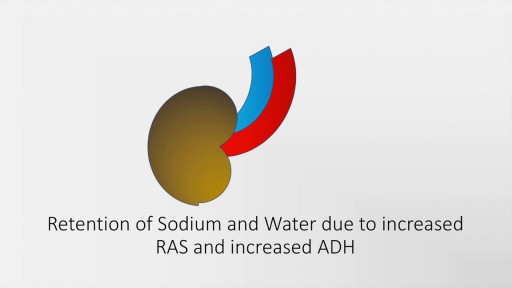
A detailed discussion of the pathophysiology, diagnostic criteria, clinical features and management of hepatorenal syndrome.
