
- Physical Examination
- Surgical Examination
- Ophthalmology
- Clinical Skills
- Orthopedics
- Surgery Videos
- Laparoscopy
- Pediatrics
- Funny Videos
- Cardiothoracic Surgery
- Nursing Videos
- Plastic Surgery
- Otorhinolaryngology
- Histology and Histopathology
- Neurosurgery
- Dermatology
- Pediatric Surgery
- Urology
- Dentistry
- Oncology and Cancers
- Anatomy Videos
- Health and Fitness
- Radiology
- Anaesthesia
- Physical Therapy
- Pharmacology
- Interventional Radiology
- Cardiology
- Endocrinology
- Gynecology
- Emergency Medicine
- Psychiatry and Psychology
- Childbirth Videos
- General Medical Videos
- Nephrology
- Physiology
- Diet and Food Health
- Diabetes Mellitus
- Neurology
- Women Health
- Osteoporosis
- Gastroenterology
- Pulmonology
- Hematology
- Rheumatology
- Toxicology
- Nuclear Medicine
- Infectious Diseases
- Vascular Disease
- Reproductive Health
- Burns and Wound Healing
- Kidney Zone Podcast
- Other










Developmental Reflexes

Educational only: videos on MedicalVideos.com are for general information and are not medical advice. Always consult your own doctor about your health.
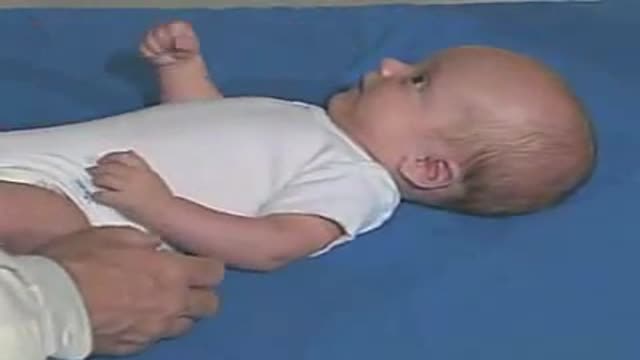
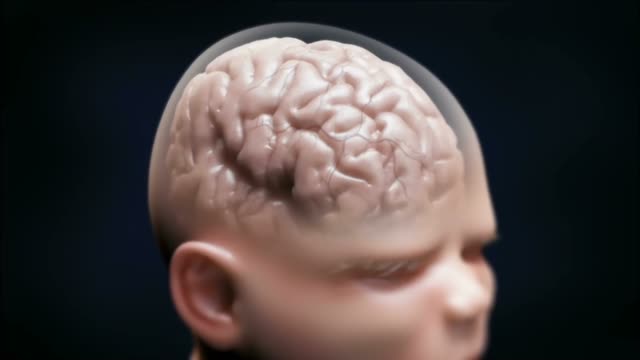
Primitive reflexes are reflex actions originating in the central nervous system that are exhibited by normal infants, but not neurologically intact adults, in response to particular stimuli. These reflexes are absent due to the development of the frontal lobes as a child transitions normally into child development.
This video in 30 seconds
This video covers developmental and primitive reflexes in infants. It explains that primitive reflexes are reflex actions from the central nervous system that are shown by normal infants in response to particular stimuli, are not shown by neurologically intact adults, and disappear as the frontal lobes develop.
Key points
- Primitive reflexes in infants are covered
- The reflexes are explained as responses to particular stimuli
- The difference between infants and neurologically intact adults is described
- The role of frontal lobe development in the reflexes disappearing is explained
Video Transcript
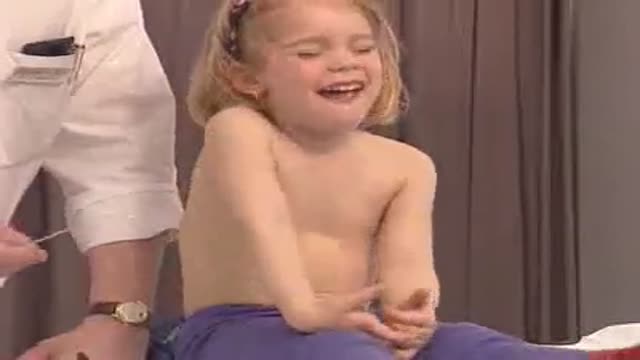
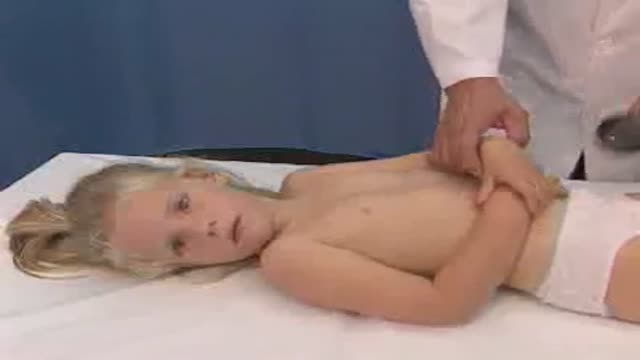
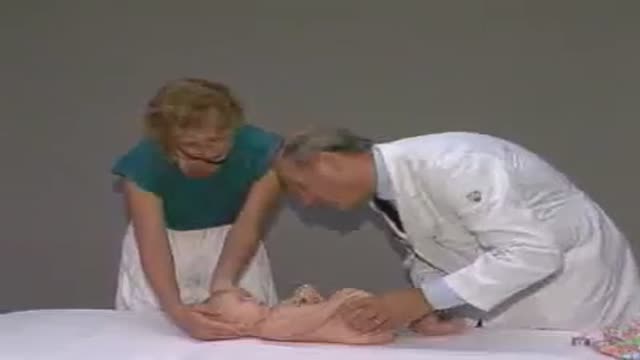
This teaching segment demonstrates the developmental reflexes of infancy and when they normally disappear: the palmar and plantar grasp reflexes, the Moro reflex, the asymmetric tonic neck reflex with its 'fencing' posture, and the Babinski sign. It then shows reactions that develop later — the parachute reaction from around six months, and the forward, sideways and backward support reactions in sitting, which appear in sequence over the second half of the first year.
Read the full transcript
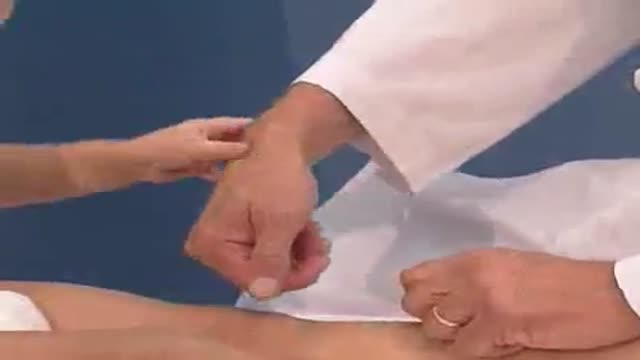
In this segment, we are going to look at some of the developmental reflexes typical for the infant. The palmar and plantar grasp reflex, the moro reflex, the asymmetric tonic neck reflex, the babinsky sign, the parachute reaction, and the balance test during sitting position. The palmar grasp reflex is tested by introducing a finger from the ulnar direction into the palm, without touching the dorsal surface of the hand. The palmar grasp reflex is lost over the first three months. In order to test the plantar grasp reflex, the examiner presses his thumbs against the balls of the baby's feet.
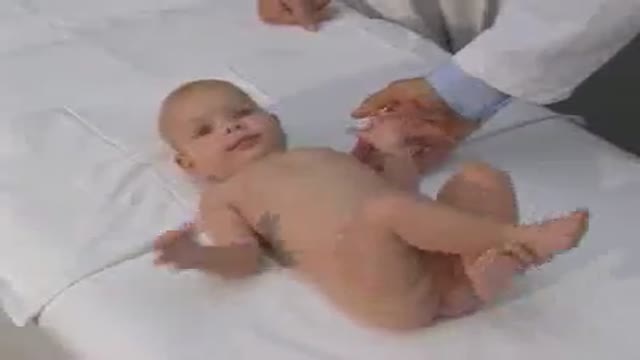
The plantar grasp reflex is lost shortly before the child is able to walk. To test the moro reflex, the examiner lays the baby onto his lower arm while supporting the baby's head with his other hand. The hand under the baby's head now moves downwards with a quick movement, so that the baby's head becomes dorsally flexed by a few centimeters. In an initial phase, the baby moves its arms outward and upward, and extends its fingers into a fan. In a second phase, the arms are flexed and moved to the front. Thumbs and forefingers form a C.
This reaction pattern ought to disappear by the fifth month. The asymmetric tonic neck reflex is tested by holding the baby's head rotated to the side for a few seconds. The tone of the extensor muscles of the extremities on the side to which the face is directed is increased, whereas the muscle tone of the opposite extremities on the side of the occipit is diminished. A major change in tone results in the so-called fencing position.
The asymmetric tonic neck reflex is lost by the six months in most babies. In infants, the babinsky sign is normal. It is triggered off by stroking the lateral edge of the sole of the foot. The babinsky sign can be confused with a withdrawal response. The babinsky sign disappears by the time the child is able to walk. A reaction which develops during infancy is the parachute reaction. If a baby being held in a prone position is made to approach the blanket quickly, it extends its arms downwards in a protective way.
The parachute reaction develops from the sixth month. At the same time, the balance test performed in a sitting position of the infant starts showing a forward support reaction. This infant already supports itself with its arms when pushed in the forward direction, but not yet when pushed sideways. The sideward support reaction develops when the baby is seven months old. This ten-month-old infant supports itself well sideways. Only at eleven months are infants able to support themselves when falling backwards. As mentioned before, this baby is only ten months old.
He cannot yet manage to support himself when being pushed backwards.
Transcript auto-generated from the video’s audio for accessibility and study. Educational content only — not medical advice.
Video Overview
From our Pediatrics collection: Pediatric videos: child health, newborn care, common childhood illnesses and pediatric procedures explained for parents, students and clinicians. Browse all Pediatrics videos →
Medical Videos
Free medical and surgery videos for patients, students and professionals — trusted since 2007.
Founded by Dr. Mohamed Ibrahim, MD, PhD — physician-scientist.
Follow us on Facebook · Instagram
SORT BY-
Top Comments
-
Latest comments