
- Physical Examination
- Surgical Examination
- Ophthalmology
- Clinical Skills
- Orthopedics
- Surgery Videos
- Laparoscopy
- Pediatrics
- Funny Videos
- Cardiothoracic Surgery
- Nursing Videos
- Plastic Surgery
- Otorhinolaryngology
- Histology and Histopathology
- Neurosurgery
- Dermatology
- Pediatric Surgery
- Urology
- Dentistry
- Oncology and Cancers
- Anatomy Videos
- Health and Fitness
- Radiology
- Anaesthesia
- Physical Therapy
- Pharmacology
- Interventional Radiology
- Cardiology
- Endocrinology
- Gynecology
- Emergency Medicine
- Psychiatry and Psychology
- Childbirth Videos
- General Medical Videos
- Nephrology
- Physiology
- Diet and Food Health
- Diabetes Mellitus
- Neurology
- Women Health
- Osteoporosis
- Gastroenterology
- Pulmonology
- Hematology
- Rheumatology
- Toxicology
- Nuclear Medicine
- Infectious Diseases
- Vascular Disease
- Reproductive Health
- Burns and Wound Healing
- Kidney Zone Podcast
- Other
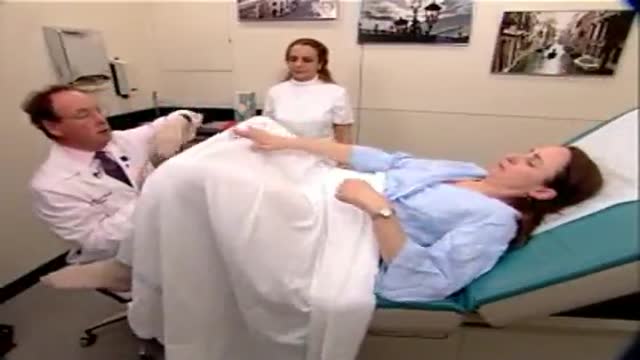
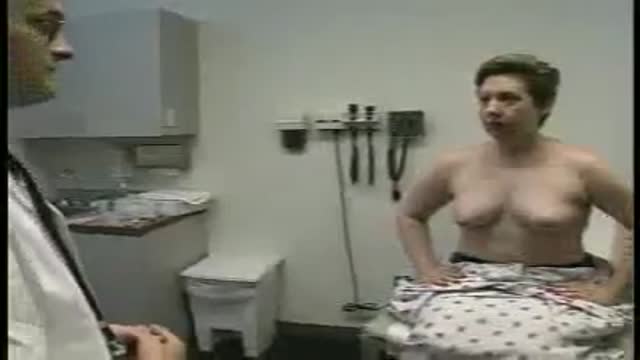
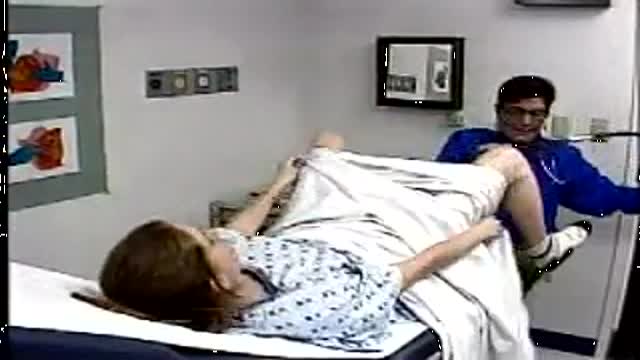
Loyola Breast Examination part 1

Educational only: videos on MedicalVideos.com are for general information and are not medical advice. Always consult your own doctor about your health.
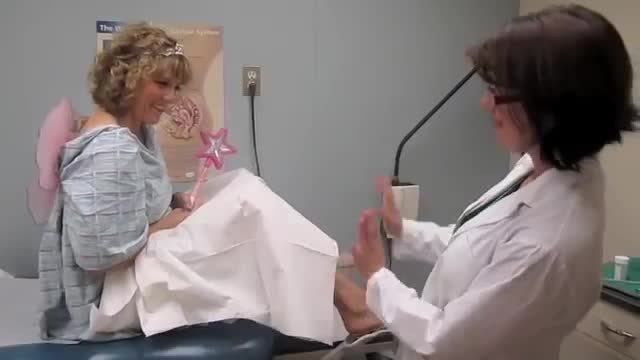
This physical examination video demonstrates the clinical breast examination, part 1 of the Loyola University series. The recording shows the inspection and palpation techniques doctors use to assess the breast for masses or other abnormalities. Breast examination is a standard part of women's health assessment.
This video in 30 seconds
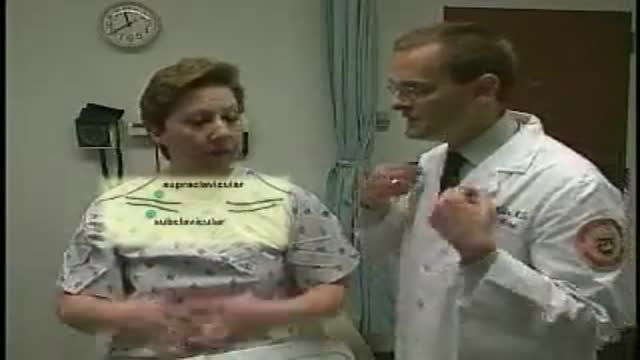
Dr. Michael Kohler presents part one of Loyola's breast examination teaching with a standardized patient. This part covers principles rather than hands-on palpation: screening versus diagnostic examinations, the vertical-strip method, timing within the menstrual cycle, draping, professional conduct, and the three parts of the examination.
Key points
- The clinician distinguishes a screening examination from a diagnostic examination
- The vertical-strip method taught at Loyola is introduced
- Thorough palpation with varying pressure and finger pads is emphasized
- Draping, privacy, timing, and professional language are discussed
- The three parts of the examination are outlined before hand cleansing
Chapters
- 0:11 — Introduction and screening examination purpose
- 1:15 — Thorough technique and palpation pressure
- 2:31 — Draping privacy and patient modesty
- 2:59 — Timing within the menstrual cycle
- 3:41 — Professional language and chaperone presence
- 4:17 — Three parts of the examination
Video Transcript
Part one of Loyola's breast examination teaching, with Dr. Michael Kohler and standardized patient Nancy. This part is mostly principles: screening versus diagnostic examinations, the vertical-strip method Loyola teaches, timing the exam within the menstrual cycle, draping and professional conduct, and the three parts of the examination before the hands-on demonstration.
Read the full transcript
Hi, I'm Dr. Michael Kohler, and this is Nancy, one of our standardized patients. The purpose of this training video is to teach medical students how to do a breast examination. Let me stress that this is a screening breast exam. It's not a diagnostic breast exam. What I mean by that is that the patient has no symptoms, meaning the patient is just here for her yearly routine female checkup. She's not here because she felt a lump in her breast or she noticed a discharge from her nipple or a rash on her nipple.
This is purely just a screening breast exam. Let me also stress at the start here that there is no gold standard breast examination. The various textbooks and resources that you read might each recommend a different sort of a technique to examine the breast. We're going to teach you today the vertical strip method and insist that you learn this method while you're here at Loyola. Again, there's other methods and those might be demonstrated by other physicians you work with, but for training purposes, we want you to be comfortable doing the vertical
strip method. Probably the most important thing about doing a clinical breast exam, though, is not which specific technique you use, vertical strip versus concentric circles or so forth. It's the amount of time and the technique that you use doing the breast examination. You need to be systematic when you do the search for lumps and abnormalities. You need to be very thorough. You need to use varying levels of pressure, especially when you get around the areola or nipple where the most amount of breast tissue is. You should probably be doing two or three levels of pressure with your circular sweeps
at that position. A superficial circular motion, a medium, and then a firmer or deeper palpation, which is closer to the chest wall. None of that should be painful to the patient, but it might be a little bit uncomfortable as you press more deeply. You're going to, again, use your three middle fingers and use your finger pads. You don't want to be jabbing at the patient with your fingertips. Also, it's important to make sure your fingernails are trimmed. You don't want to be, when it's time for the axillary lymph node exam, have long
fingernails that are going to be hurting the patient when you do that examination. When you actually do the palpation, you're going to be making circular motions about as if you're sweeping around the size of a dime or a nickel. Of course, it's always important to be attentive to the patient's draping during the breast examination. It's usually best to have the patient adjust her gown in her sheet herself rather than use a doctor just sort of willy-nilly moving her gown or draping sheet. Again, you want to protect the patient's modesty and privacy.
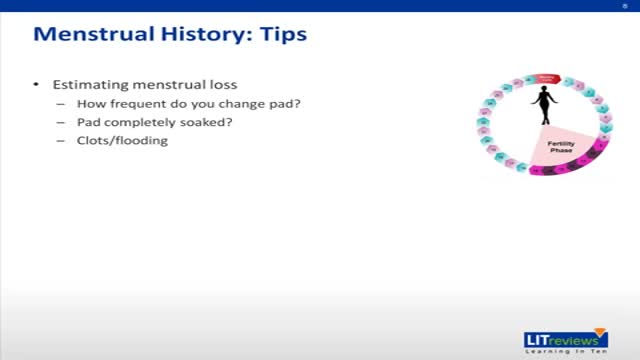
Make sure that the door is shut completely. That it's not just a jar. Before you do the breast exam, too, ask about the woman's menstrual cycle if she's still menstruating because there isn't appropriate time to do the breast exam. Again, a menstruating woman, you should do the breast exam about five to seven days after the onset of the period. You don't want to do it just before the period because in the breasts are somewhat stimulated and gorge from the hormonal stimulation. So Nancy, how long ago has it been since your period?
One week. About one week. So again, this is the ideal time to do the breast examination. If the woman is post-menopausal, any day of the year is fine. If the woman's post-menopausal and on daily hormones, again, any day is fine. However, if a post-menopausal woman's on cyclical hormones where she still has a period, then again, the same rule applies five to seven days after the onset of a period. Again, I can't stress enough too how important it is to be professional during this part of the examination.
Be very careful with the word choices that you make. Tell the patient you're going to examine their breasts. Don't say you're going to feel their breasts or now it's time to touch your breasts. That can make the patient feel very uncomfortable. And there's actually no place for common or slang language during this examination. It's probably best also to have a chaperone in the room, especially if you have any sense of uneasiness about the encounter. It's always best to have a chaperone in the room and be cautious and prudent about that.
So moving forward, let's talk about the actual breast exam itself. There's going to be three parts to the breast exam inspection of the breast, with the patient seated at the edge of the exam table. The second part is where you're going to palpate for lymph nodes in both the axilla as well as the suplicavicular region. And finally, you're going to have the patient lay down to do the actual palpation of the breast tissue. But of course, before we begin any breast or any examination, we always start by washing our hands.
So I'm going to first go ahead and wash my hands. Another technique that you could use for hand hygiene would also be used the alcohol-based hand-john. Again, if that's available in the room, that's an acceptable way to cleanse your hands before the examination. So let's start off with an...
Transcript auto-generated from the video’s audio for accessibility and study. Educational content only — not medical advice.
Video Overview
From our Physical Examination collection: Watch physical examination videos step by step — cardiovascular, respiratory, abdominal and neurological exams demonstrated for medical students and clinicians. Browse all Physical Examination videos →
Medical Videos
Free medical and surgery videos for patients, students and professionals — trusted since 2007.
Founded by Dr. Mohamed Ibrahim, MD, PhD — physician-scientist.
Follow us on Facebook · Instagram
SORT BY-
Top Comments
-
Latest comments