
- Physical Examination
- Surgical Examination
- Ophthalmology
- Clinical Skills
- Orthopedics
- Surgery Videos
- Laparoscopy
- Pediatrics
- Funny Videos
- Cardiothoracic Surgery
- Nursing Videos
- Plastic Surgery
- Otorhinolaryngology
- Histology and Histopathology
- Neurosurgery
- Dermatology
- Pediatric Surgery
- Urology
- Dentistry
- Oncology and Cancers
- Anatomy Videos
- Health and Fitness
- Radiology
- Anaesthesia
- Physical Therapy
- Pharmacology
- Interventional Radiology
- Cardiology
- Endocrinology
- Gynecology
- Emergency Medicine
- Psychiatry and Psychology
- Childbirth Videos
- General Medical Videos
- Nephrology
- Physiology
- Diet and Food Health
- Diabetes Mellitus
- Neurology
- Women Health
- Osteoporosis
- Gastroenterology
- Pulmonology
- Hematology
- Rheumatology
- Toxicology
- Nuclear Medicine
- Infectious Diseases
- Vascular Disease
- Reproductive Health
- Burns and Wound Healing
- Other
Top videos
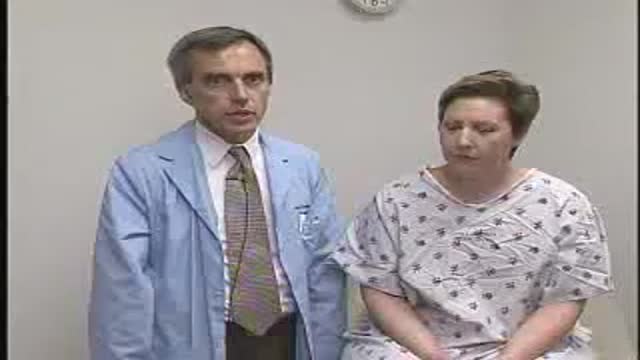

Part 6: from Loyola Medical School, Chicago showing clinical examination of the neurological system.
If you are a medical student, a resident, a primary care physician or you practice in an emergency department, you can improve your suture skills with this detailed instruction. As you practice towards a cosmetically perfect technique, your confidence will increase, especially when dealing with complex wounds. Areas of study include: methods of closure, closure materials, anesthetics, suture removal, infection, prophylaxis, when to call in a plastic surgeon, recapping techniques and more
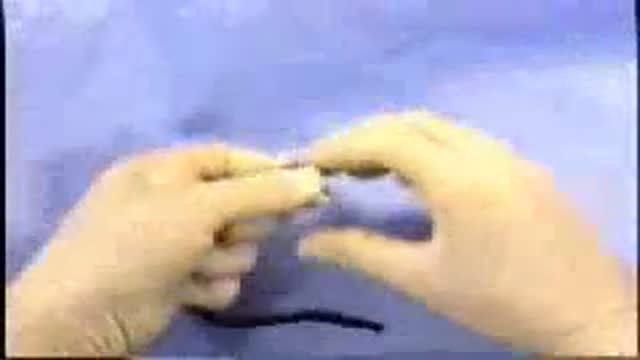
Ligation around a hemostatic Clamp
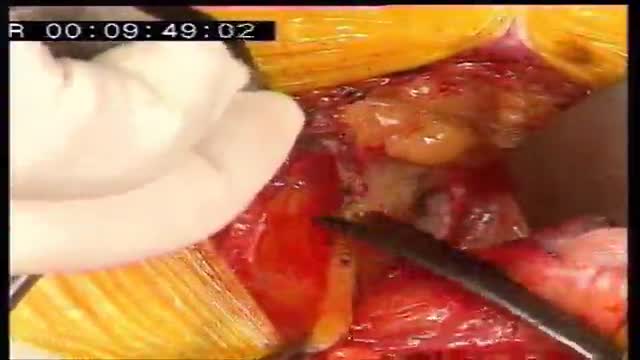
Surgical technique: A 3cm skin incision under spinal or general anesthesia, depending on the patients’ preference, starts half way the line between the superior anterior iliac spine towards the midline in a 30° angle to the pubic tubercle. Scarpa’s fascia is opened as well as the external obliq...ue aponeurosis. By using this skin line incision the internal ring will be immediately visualized. Although it is important to look for both direct and indirect hernias evaluating the groin, we do not taper the cord and directly evaluate the ring for indirect hernias. In case of an indirect hernia the sac is reduced or resected according to the preference of the surgeon and the preperitoneal space is entered bluntly through the dilated internal ring. In case of a direct hernia the approach slightly differs. One could prefer to open the transversalis fascia through the internal ring over a few centimeters or you can open the fascia more medially, at the site of the direct hernia. As primary point of concern the epigastric vessels should be identified and retracted softly upwards. Then a gauze can be introduced into the preperitoneal space and by doing so most of the space needed medially will be created. Then one can already palpate Cooper’s ligament and the pubic bone. Laterally to the internal ring more digital dissection is needed to create just the appropriate space for the mesh. By placing the mesh it is important not to introduce the mesh too medially. Laterally of the internal ring an adequate overlap of the mesh is necessary, especially in indirect hernias. No splitting of the mesh seems necessary. The patient will be asked to strain and push on the ring to control its place and to check adequate spreading of the mesh to cover the whole myopectineum of Fruchaud. One single stitch of vicryl 3/0 is placed taking both the fascia transversalis and the mesh.
How pregnancy can affect gingivitis
Its technical name is selective laser trabeculoplasty or SLT. It's a virtually painless, minimally invasive procedure that provides several benefits over conventional treatments for glaucoma. ~ Detroit Medical Center
DMC Plastic Surgeon Doctor Bruce Chau uses minimally invasive surgery called Liposelection to ultrasonically "melt" fat and remove it, resulting in smoother, younger-looking skin and body. Watch as one patient feels transformed through a procedure to revitalize her breasts and her outlook. ~ Detroit Medical Center
Introducing an IM Injection

In this video, Dr. Joe Bresee, with CDC's Influenza Division, describes the symptoms of H1N1 (swine flu) and warning signs to look for that indicate the need for urgent medical attention.
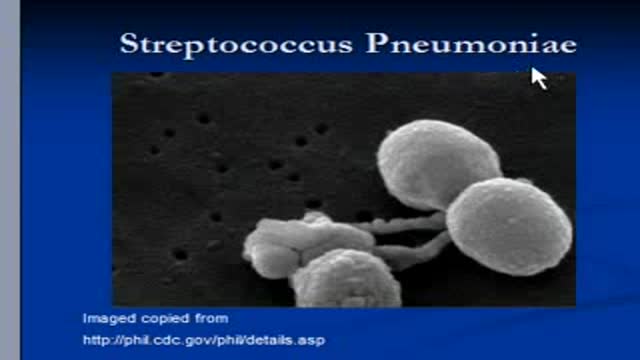
The video will describe what happens microscopically in streptococcal pneumonia. Please see my website for disclaimer.
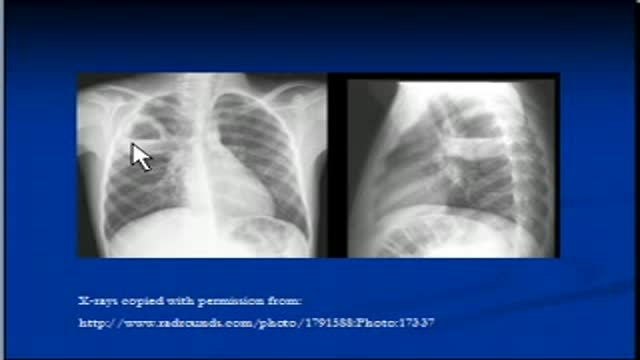
The video will describe how cavitating lesions appear on a chest x-ray. Please see my website for disclaimer.

Third video about sarcoidosis. Please see my website for disclaimer.
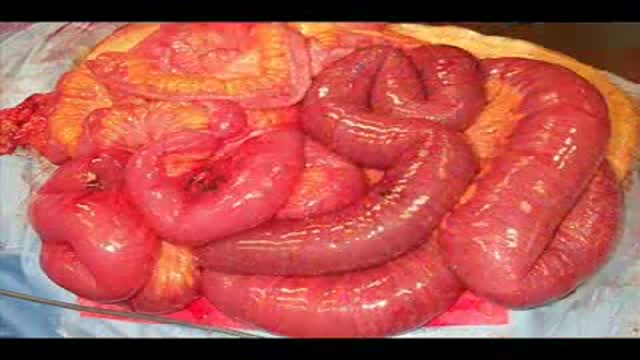
Intestinal Resection with FIbrin Glue Abdominal Repair

DMC Podiatrist Dr. Charles Kissel perfoms a bunionectomy to help a woman get back on her feet and back to work ~ Detroit Medical Center
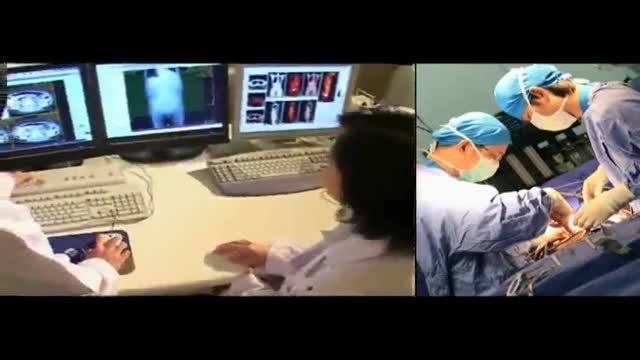
Heart surgery in Thailand is world class and affordable.
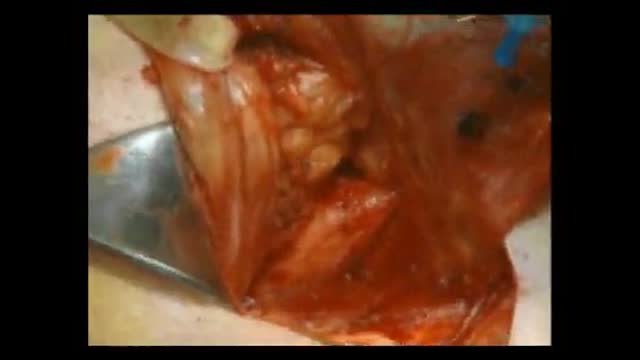
Repair of an indirect inguinal hernia

prostate surgery
New York Plastic Surgeon, Carlin Vickery, MD (http://www.5thavesurgery.com) performs a CoolSculpting by Zeltiq procedure.
A NYC patient in this video explains her interest in the CoolSculpting procedure and discusses her experience on camera while receiving this Zeltiq treatment.
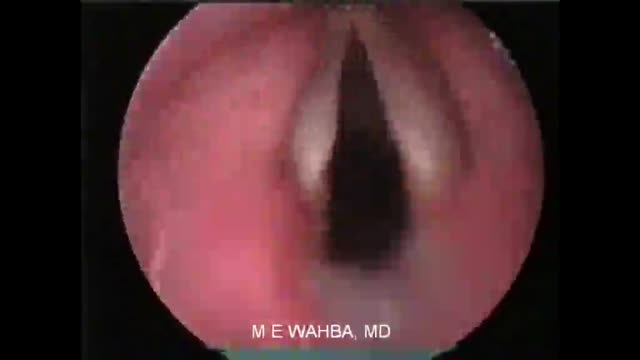
Of course, these vocal cords are not mine, because I am the one who captured this video before I performed surgery for the patient. See how the cords are normal and freely mobile. Talkative persons have something else....imagine
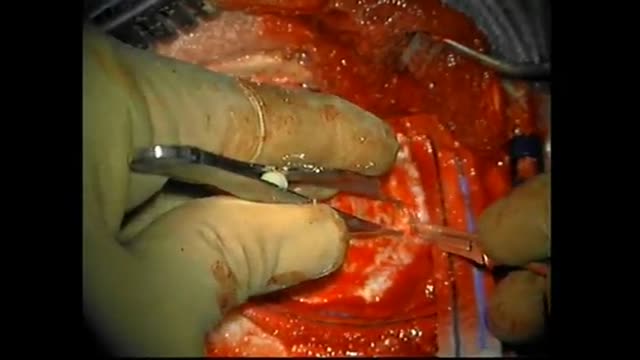
Arachnoid Cyst Brain Surgery HD
